
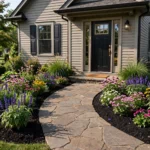

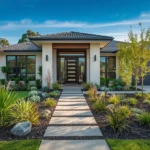
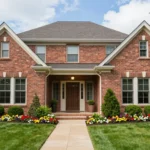
Your front yard is the first thing people see — before they notice your paint colour or your porch furniture. The good news? You don’t need a designer budget to make it look intentional. Most great-looking front yards come down to a few simple moves: clean bed lines, the right plants for your light, and one or two focal points that pull the eye toward your front door. Here are 20 ideas that actually work, starting with the layout itself.
1. Sketch a Simple Layout:
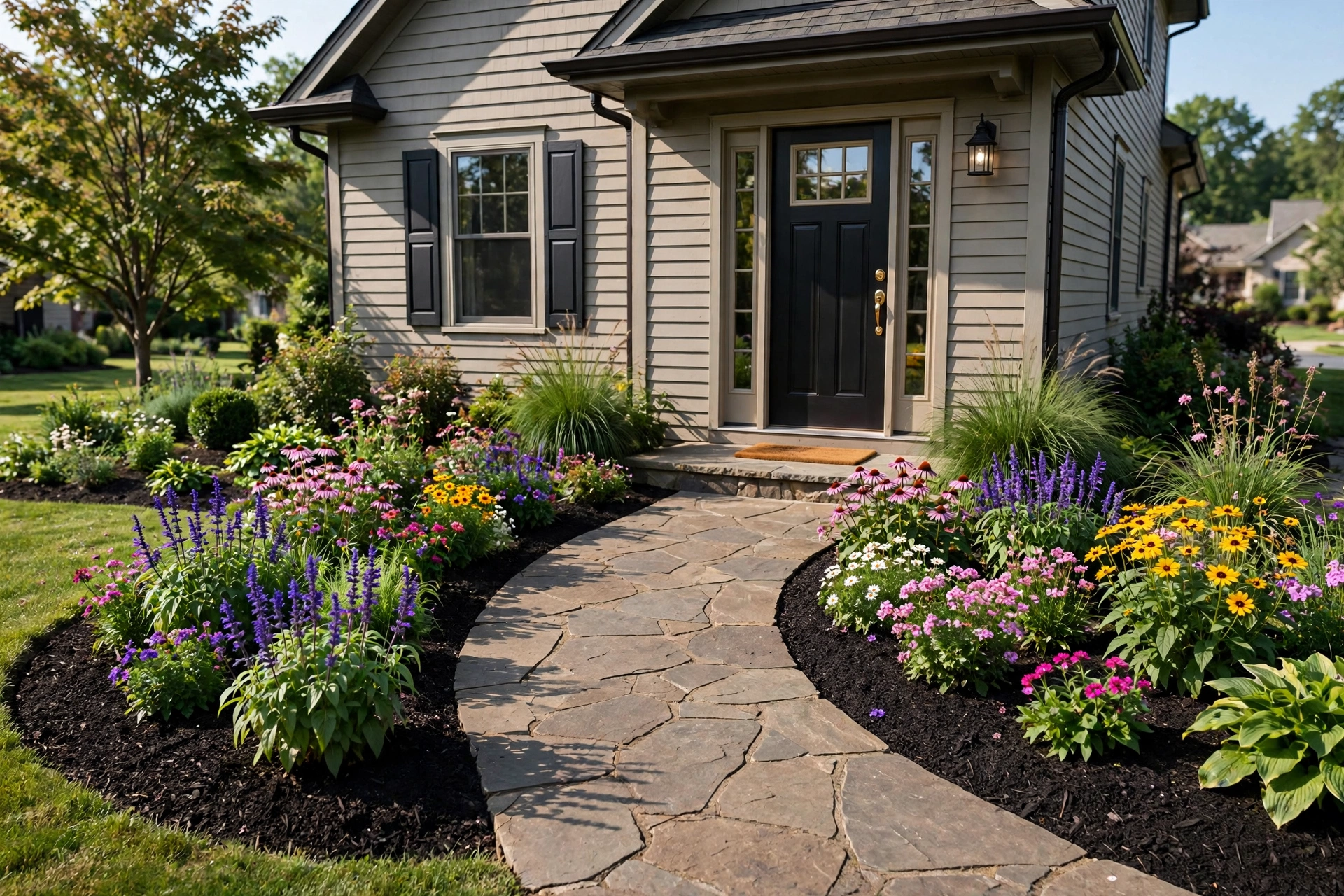
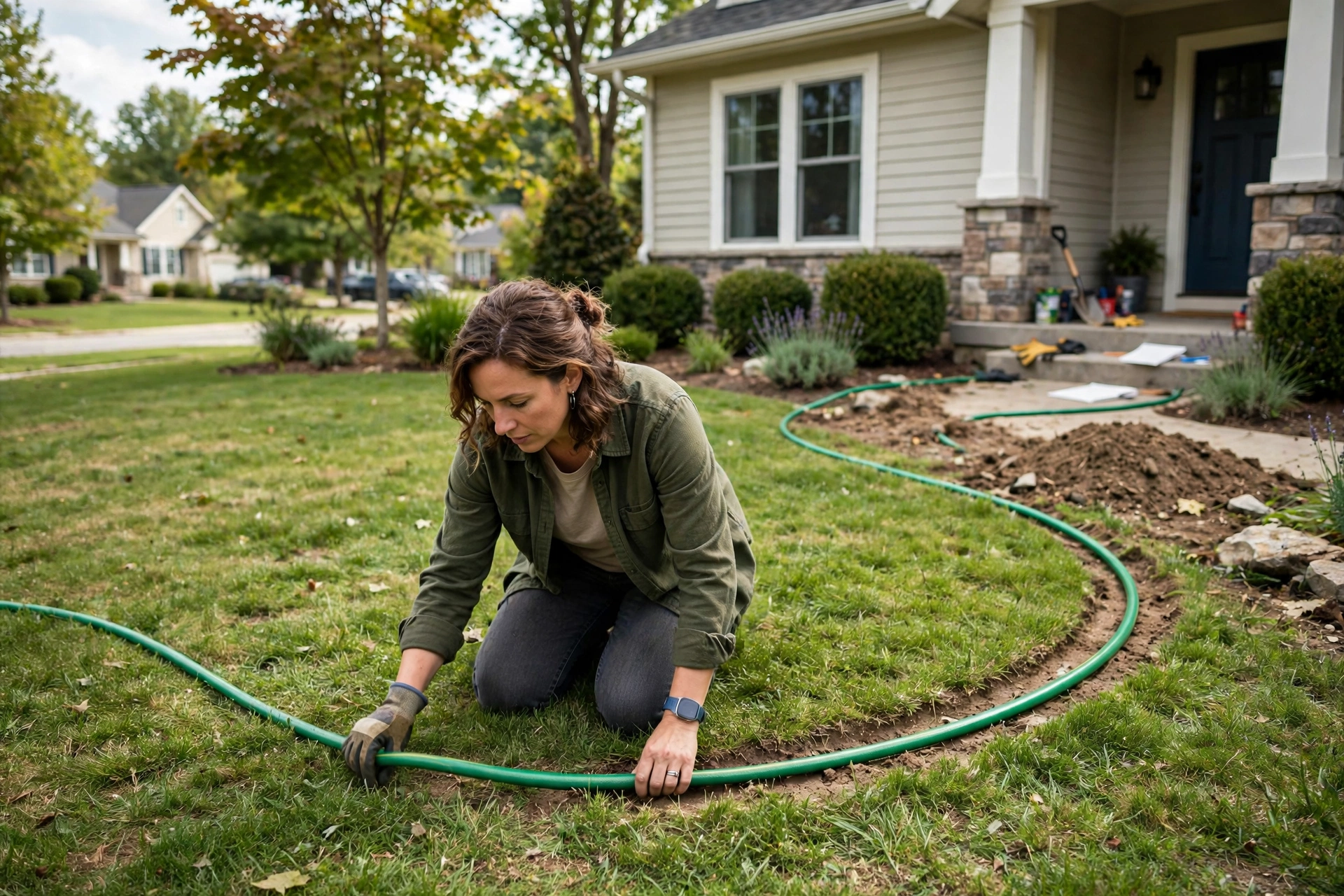
The biggest beginner mistake is buying plants first and figuring out placement later. Walk to the curb and look at your house. Your beds should be at least 4–6 feet deep along the foundation — anything shallower looks stingy. Mark bed edges with a garden hose, step back, and adjust until the curves feel natural. This ten-minute step saves more money than any coupon.
2. Layer Plants by Height Like a Pro:
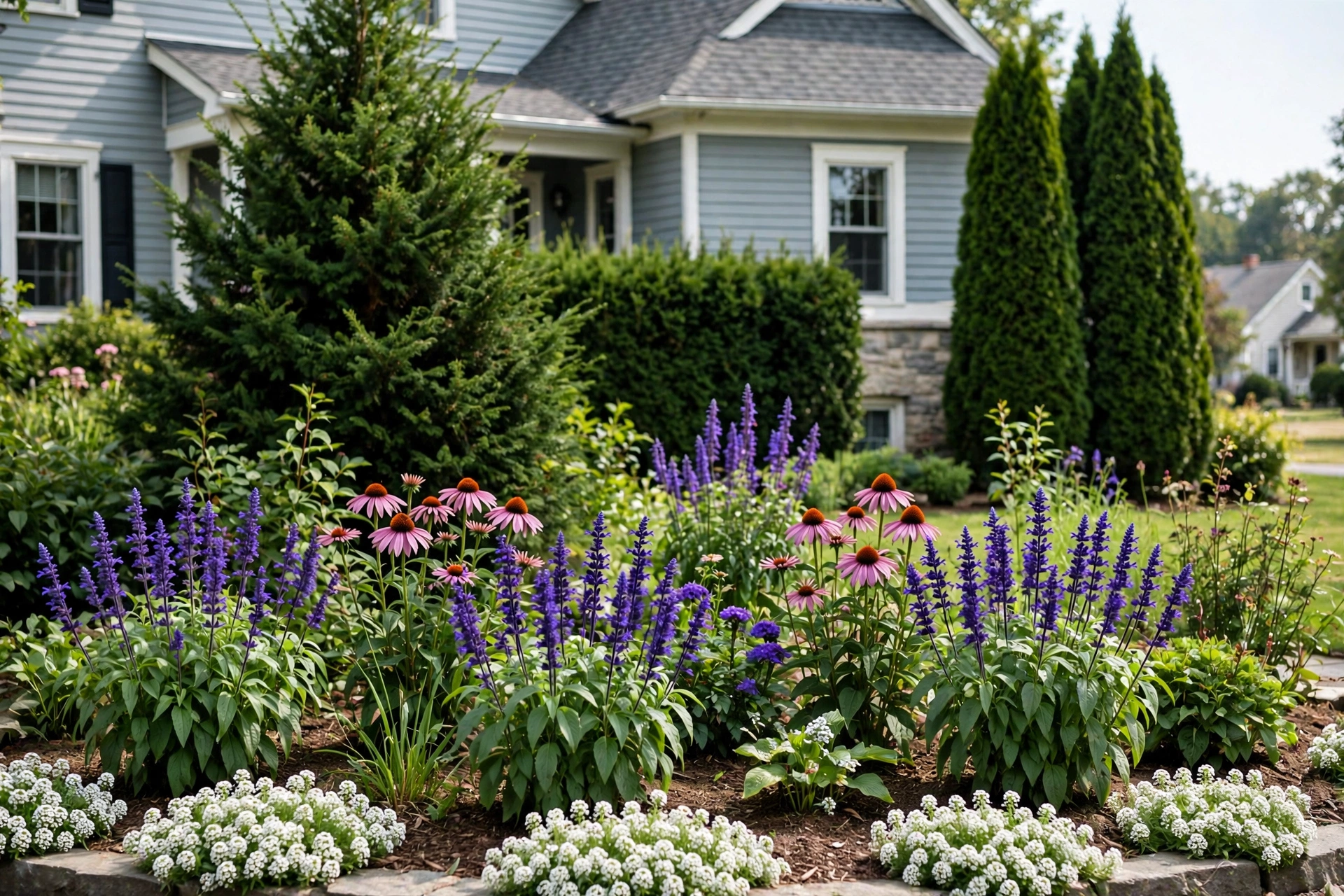
Landscaping looks “designed” when plants are layered: tall shrubs or small trees at the back, mid-size perennials in the middle, and low groundcover or annuals along the edge. Aim for roughly a 3-2-1 height rhythm. A classic combo: dwarf evergreens behind, coneflowers and salvia in the middle, creeping phlox or alyssum up front.
3. Choose Low-Maintenance Plants:
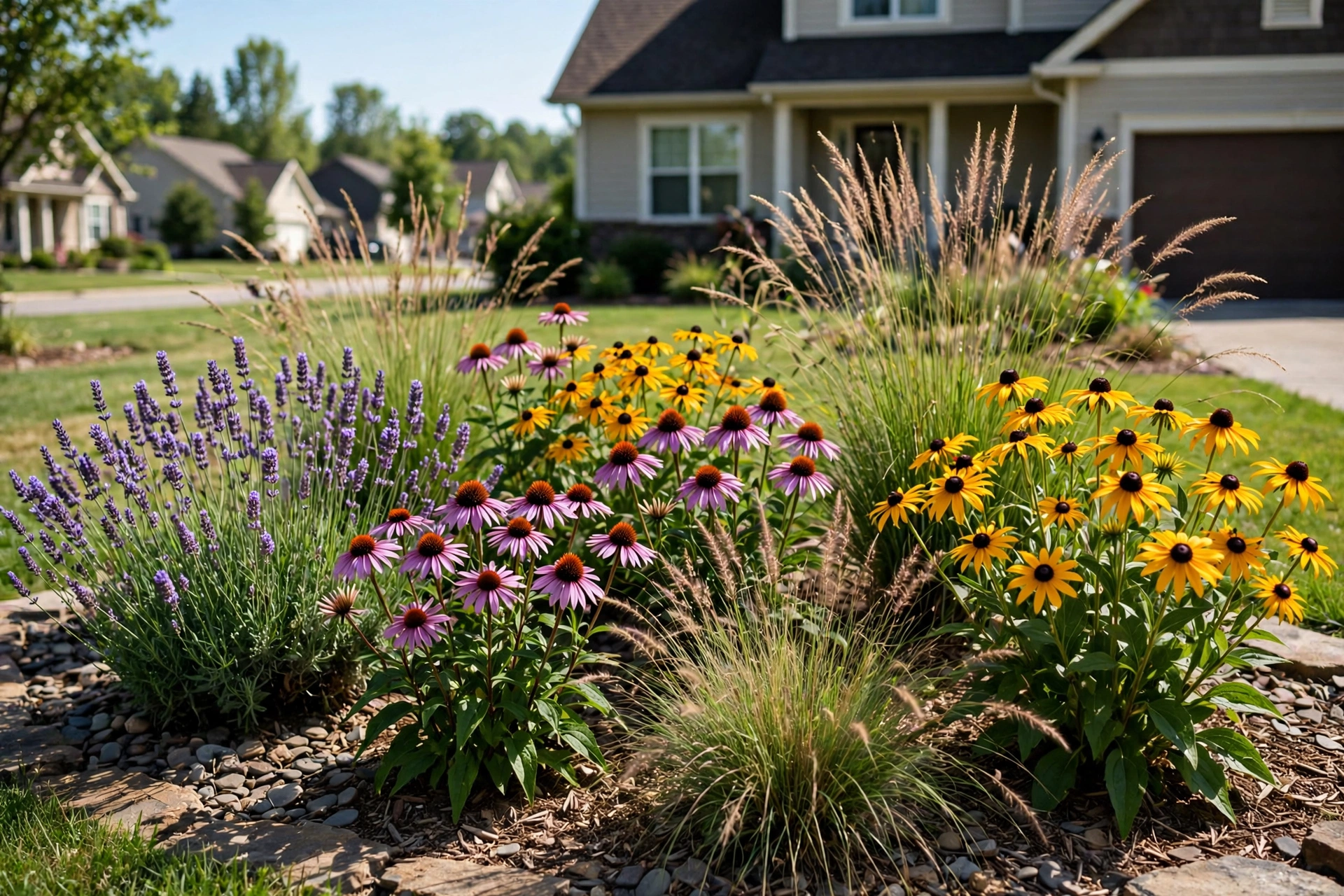
Be honest about how much you’ll water and prune. If the answer is “barely,” plant like it: lavender, coneflower, black-eyed Susan, ornamental grasses, and dwarf boxwood survive heat, poor soil, and forgetful owners. Check your USDA zone before buying — a $12 plant that dies in August is not a bargain.
4. Add a Walkway That Pulls the Eye to Your Door:
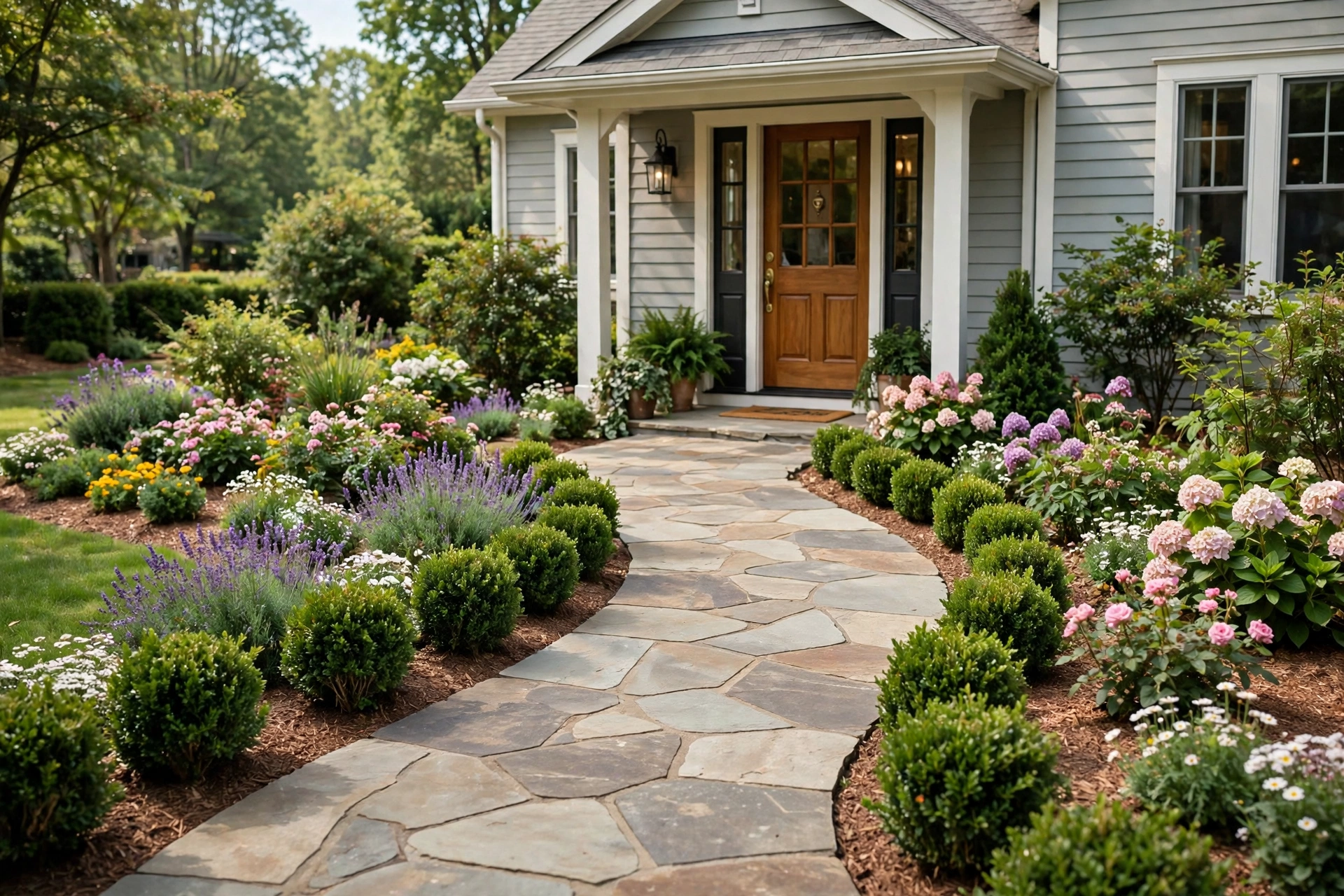
A straight concrete slab from driveway to door is functional and forgettable. Widen it to at least 4 feet, or edge it with stone or brick to give it presence. A gentle curve is even better — it slows visitors down and makes the yard feel bigger. Line it with low solar lights or small boxwood globes for instant polish.
5. Mulch and Edging:
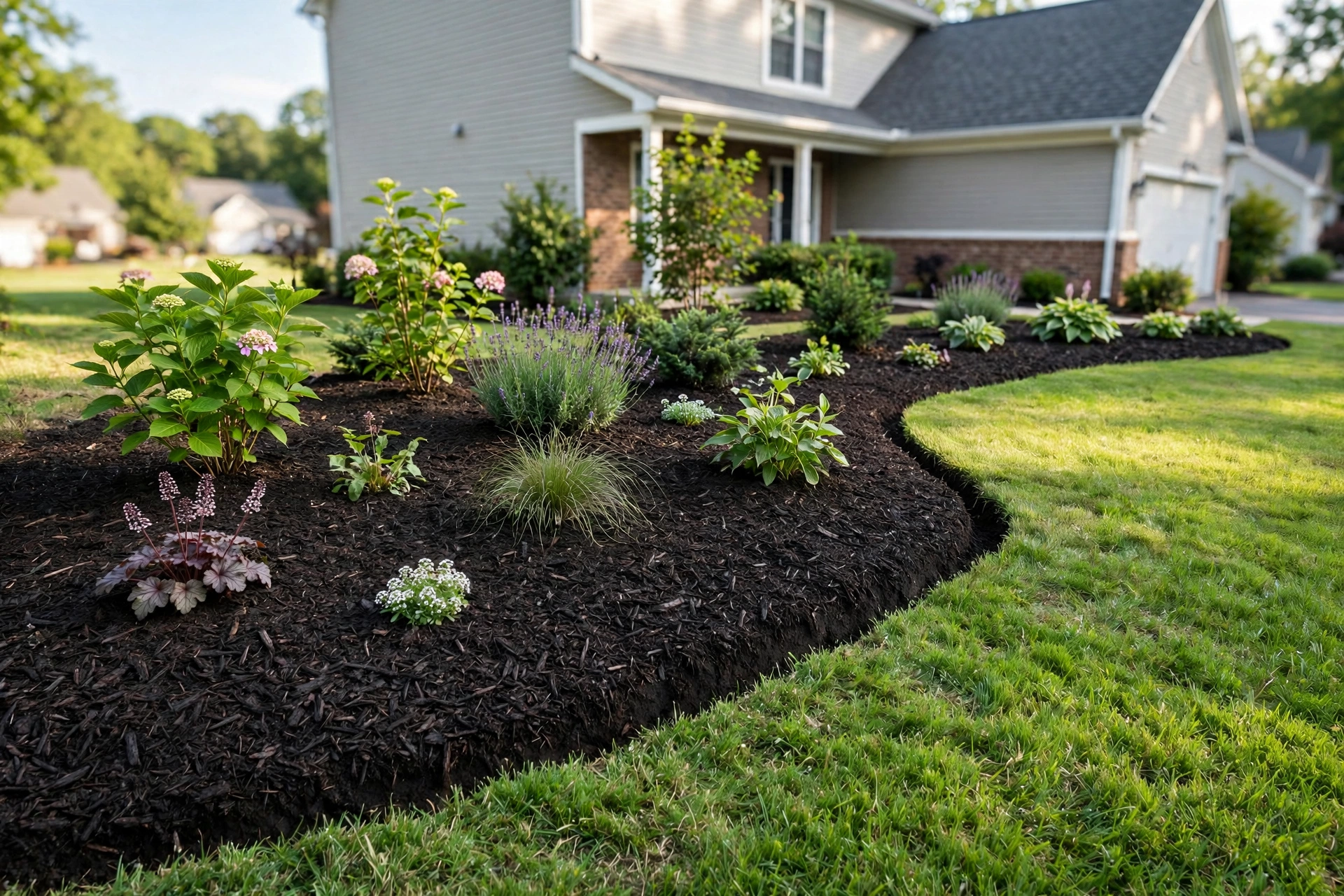
Nothing transforms a yard faster than fresh mulch with a crisp edge. A 3-inch layer of dark bark mulch makes colors pop and smothers weeds. Cut a clean 4-inch trench edge (or install steel edging for a razor line) between lawn and bed. This one weekend job — usually under $150 in materials — delivers the highest visual return of anything on this list.
6. Light It for the Evening Hours:
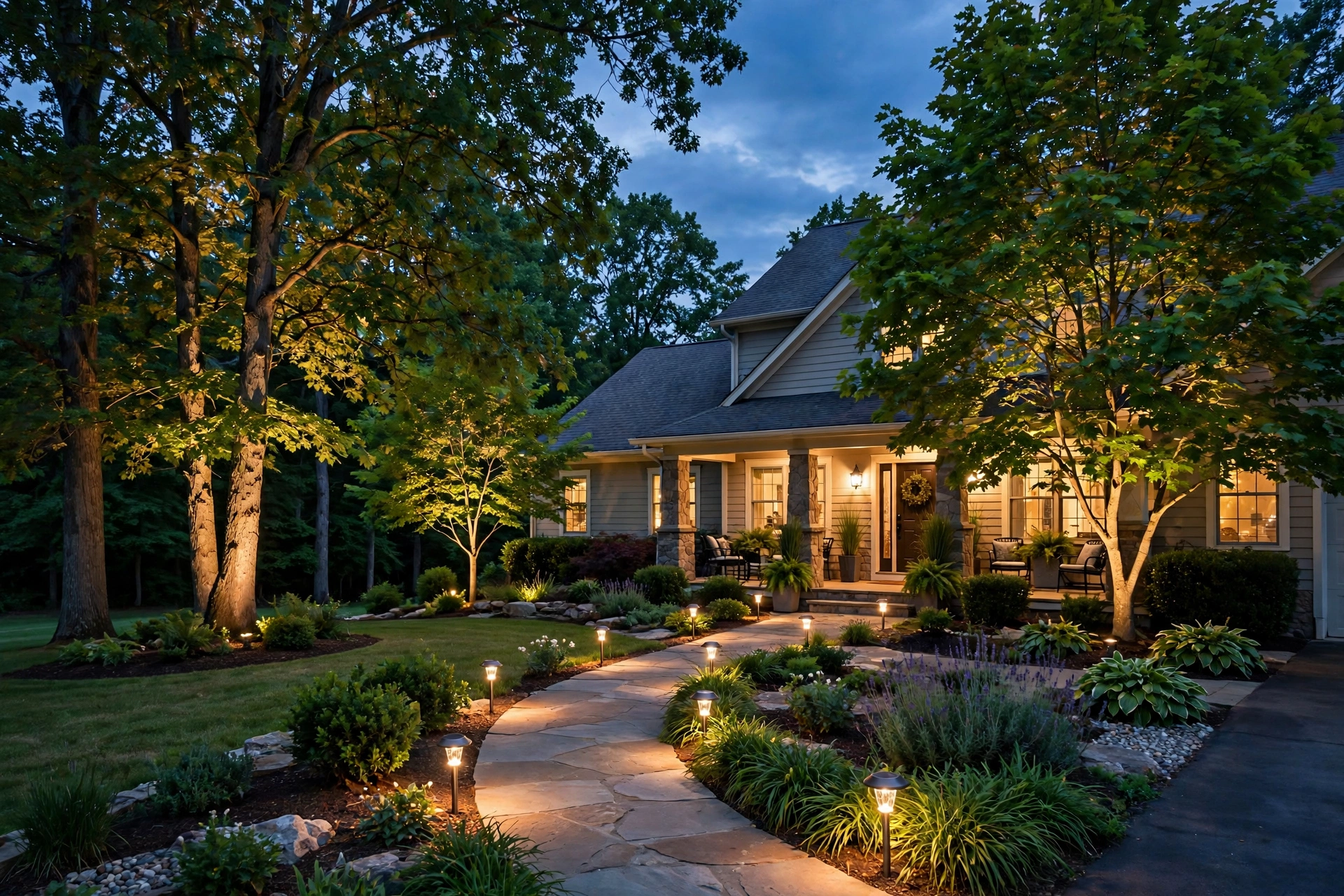
You only see your yard in daylight, but neighbors and passersby see it at night. Six to eight solar path lights along the walkway plus two uplights on a tree or architectural feature completely change the evening look. Warm white (2700K) looks welcoming; cool white looks commercial. Stake them, don’t overthink it.
7. Plant One Statement Tree:
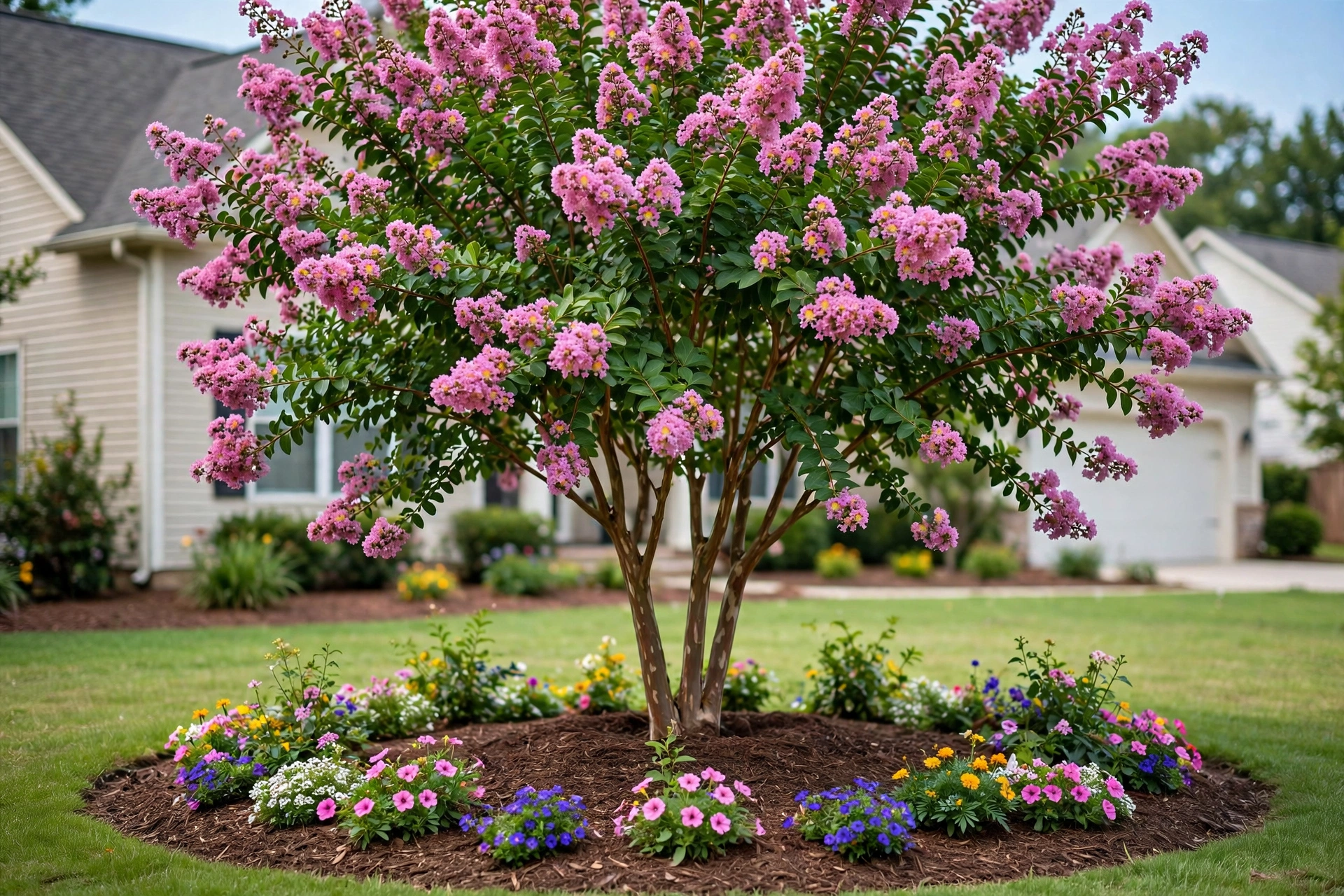
Nothing anchors a front yard like a single well-placed tree. A crape myrtle, dogwood, or Japanese maple gives spring flowers, summer shade, and fall color in one plant. Keep it at least 15 feet from the house and away from driveways — roots and foundations don’t mix. One $80 tree beats ten $8 shrubs for impact.
8. Build a Low Stone Border Wall:
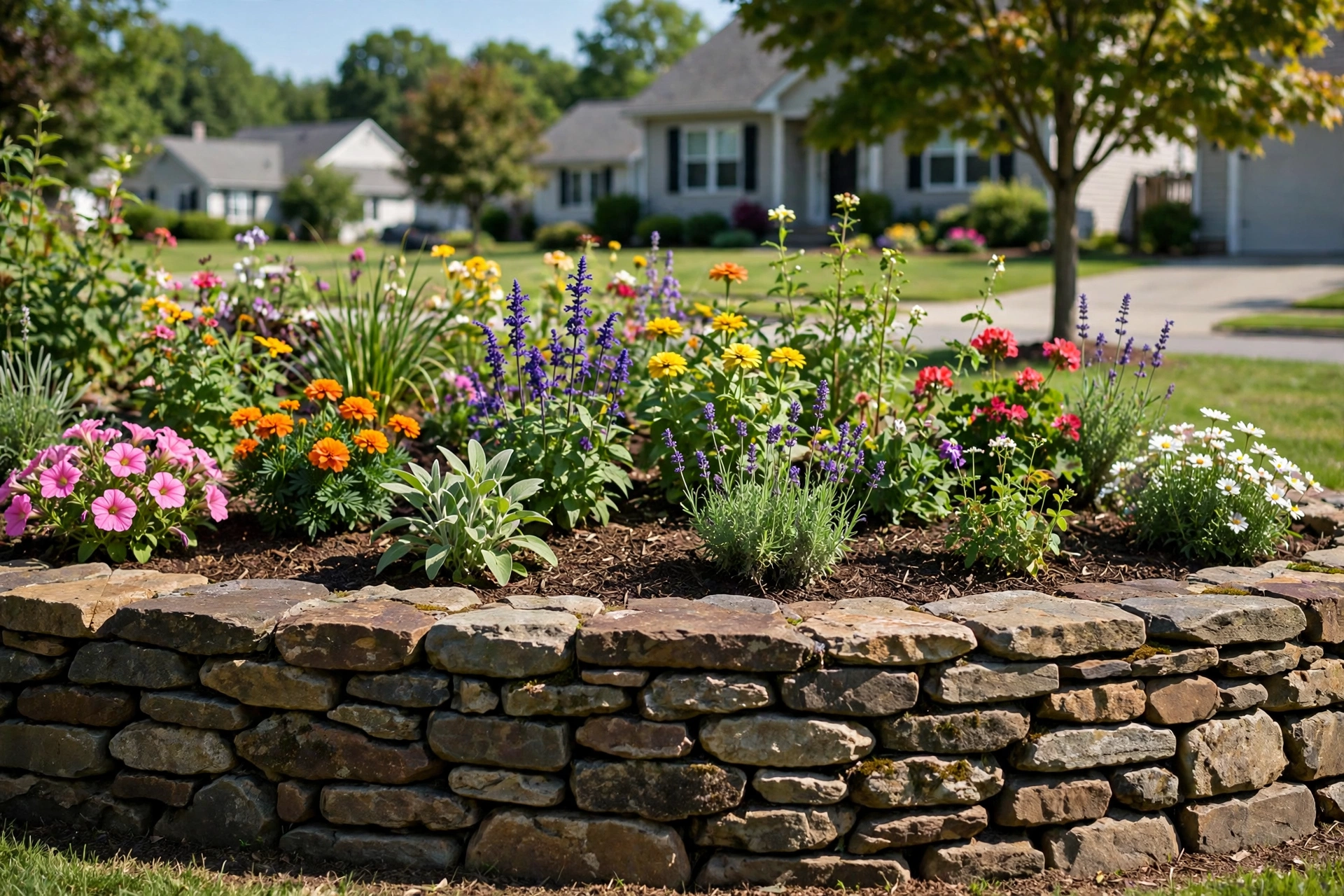
A knee-high dry-stack stone wall (18–24 inches) along the front of a bed adds structure that plants alone can’t. It doubles as informal seating and keeps mulch from washing onto the sidewalk. Wall kits from home centers run about $4–6 per square foot of wall face — a weekend project with lasting payoff.
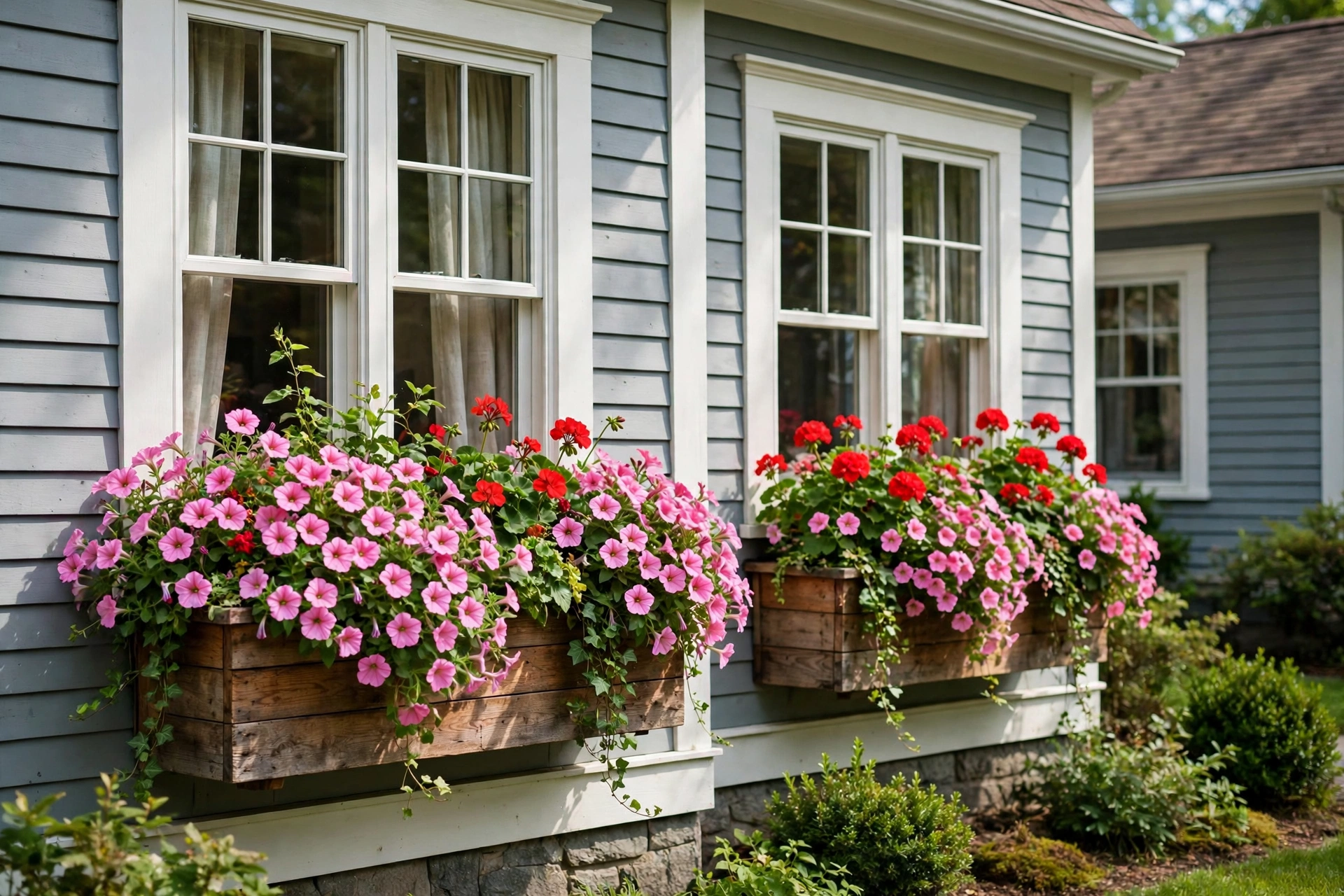
9. Dress Windows with Flower Boxes:
Window boxes put color at eye level, where everyone actually notices it. Use 8-inch-deep boxes with drainage holes, fill with trailing petunias or sweet potato vine plus upright geraniums. Water daily in summer — small boxes dry fast. Two boxes flanking the front windows change the whole facade.
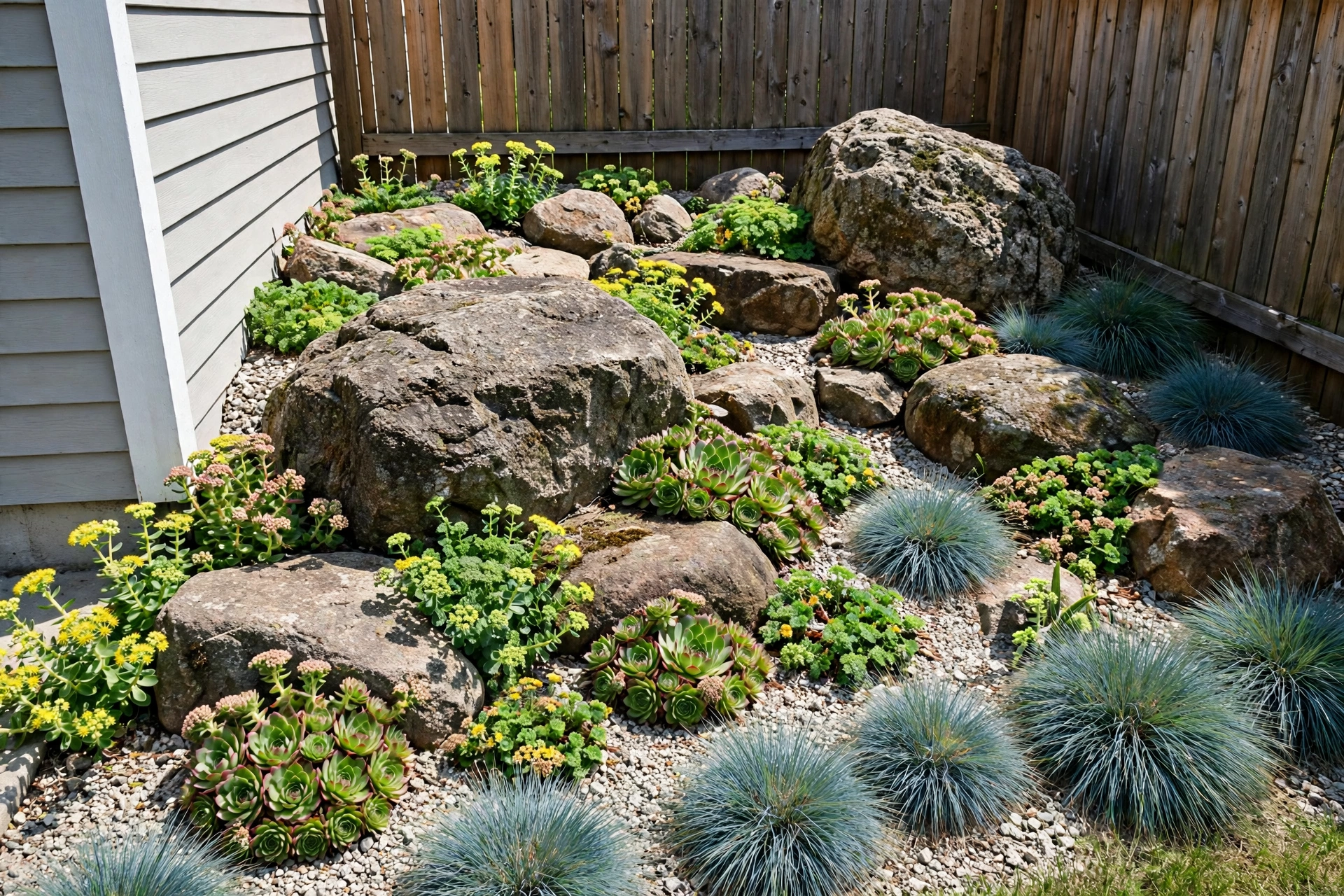
10. Carve Out a Rock Garden Corner:
That awkward dry corner where grass won’t grow? Make it a rock garden. Spread 3–4 inches of gravel over landscape fabric, nestle in boulders of three different sizes, and tuck in sedum, hens-and-chicks, and blue fescue. Zero mowing, almost zero water, and it looks deliberate instead of neglected.
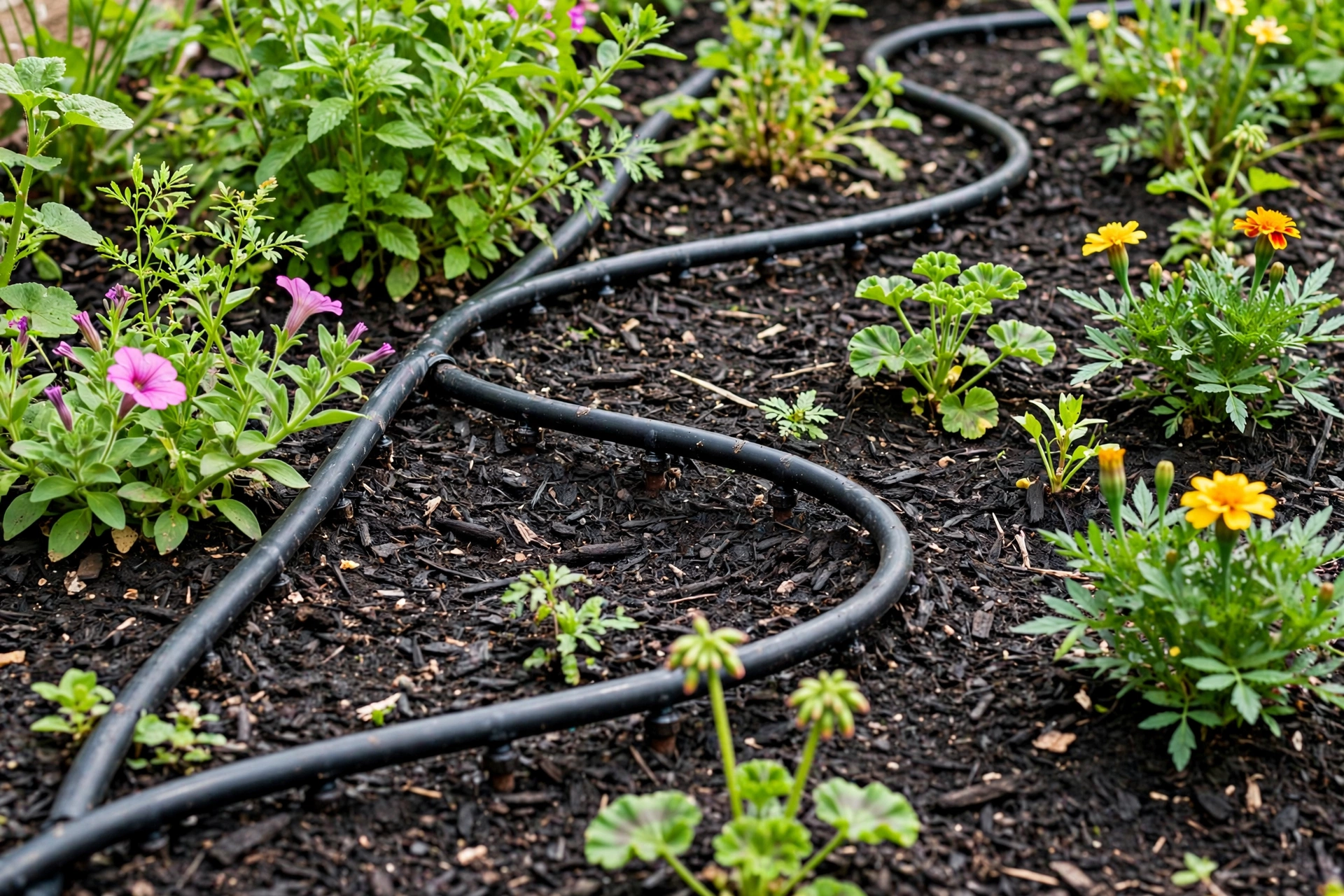
11. Run Drip Irrigation to Your Beds:
Hand-watering eats weekends. A simple drip kit ($40–60) with a battery timer waters beds at dawn while you sleep. Plants get steady moisture at the roots, leaves stay dry (fewer diseases), and you’ll cut water use roughly in half compared to sprinklers.
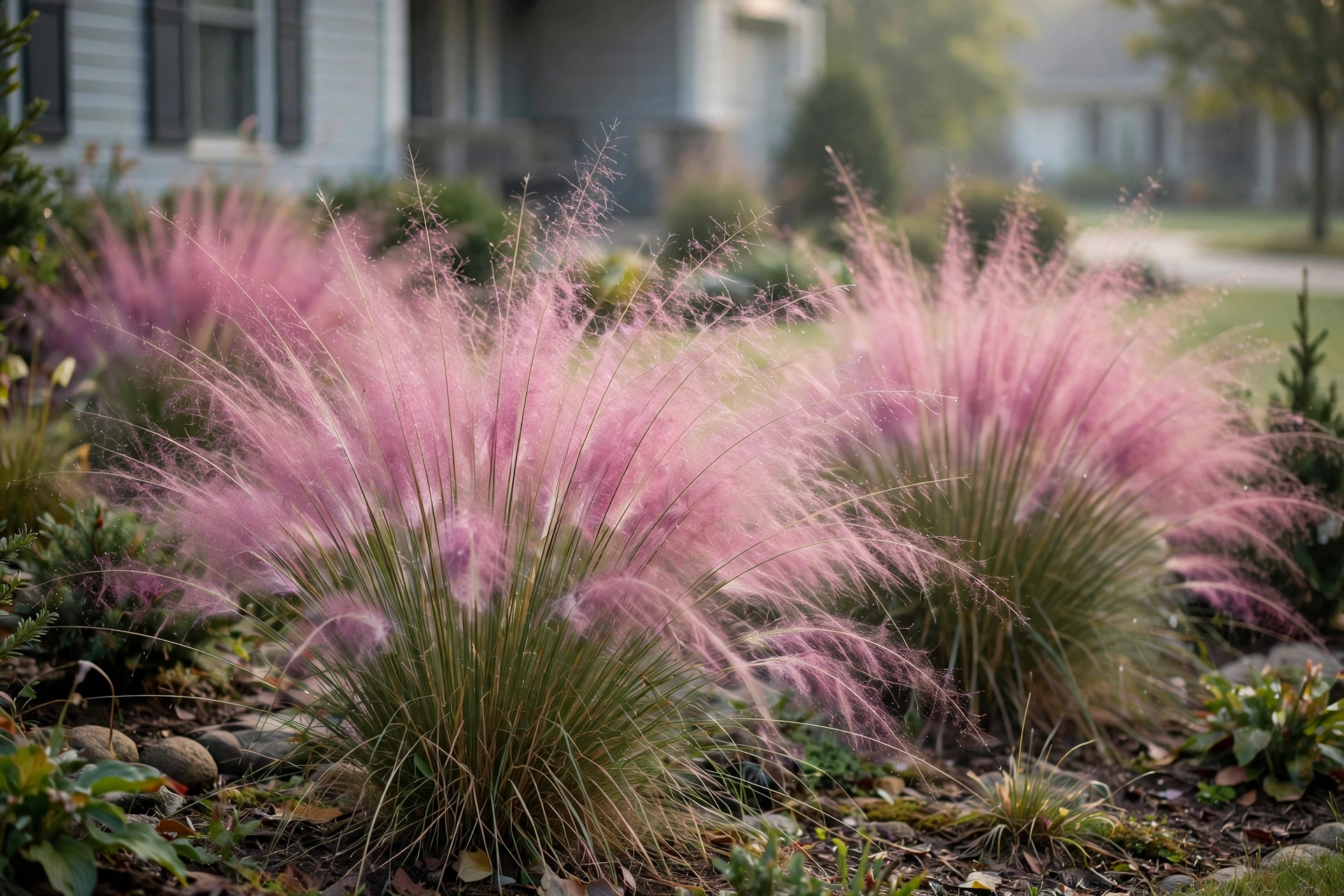
12. Add Ornamental Grasses for Movement:
Static yards feel flat. Feather reed grass, fountain grass, or pink muhly grass add height and sway that catches the light beautifully. Plant in groups of three or five, cut back to 6 inches in late winter, and they’ll return fuller every spring.
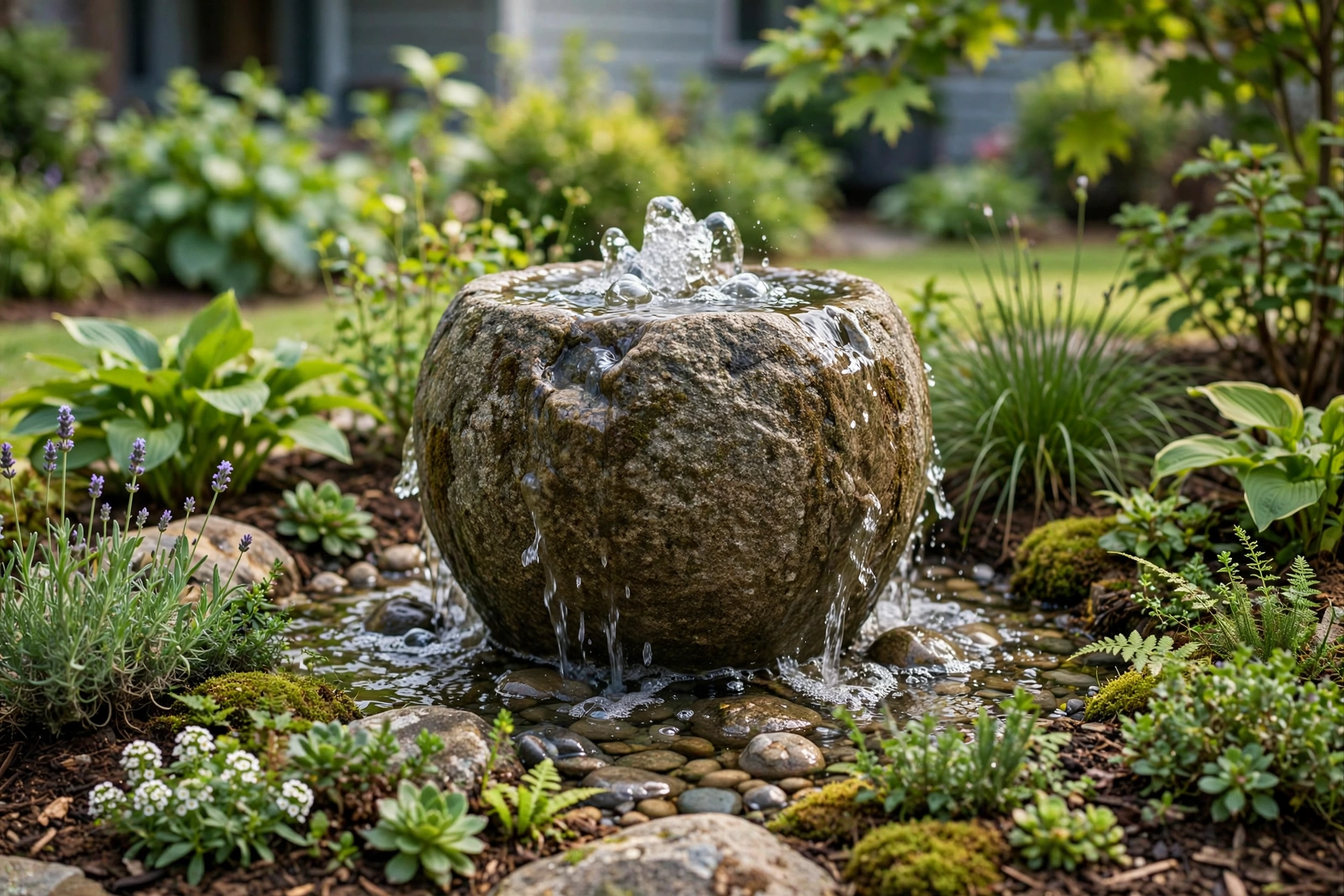
13. Tuck In a Small Water Feature:
You don’t need a pond — a bubbling urn or small basin fountain ($100–200) adds sound that masks street noise. Place it near the entry or a seating spot, keep it in partial shade to slow algae, and top up the water weekly in summer.
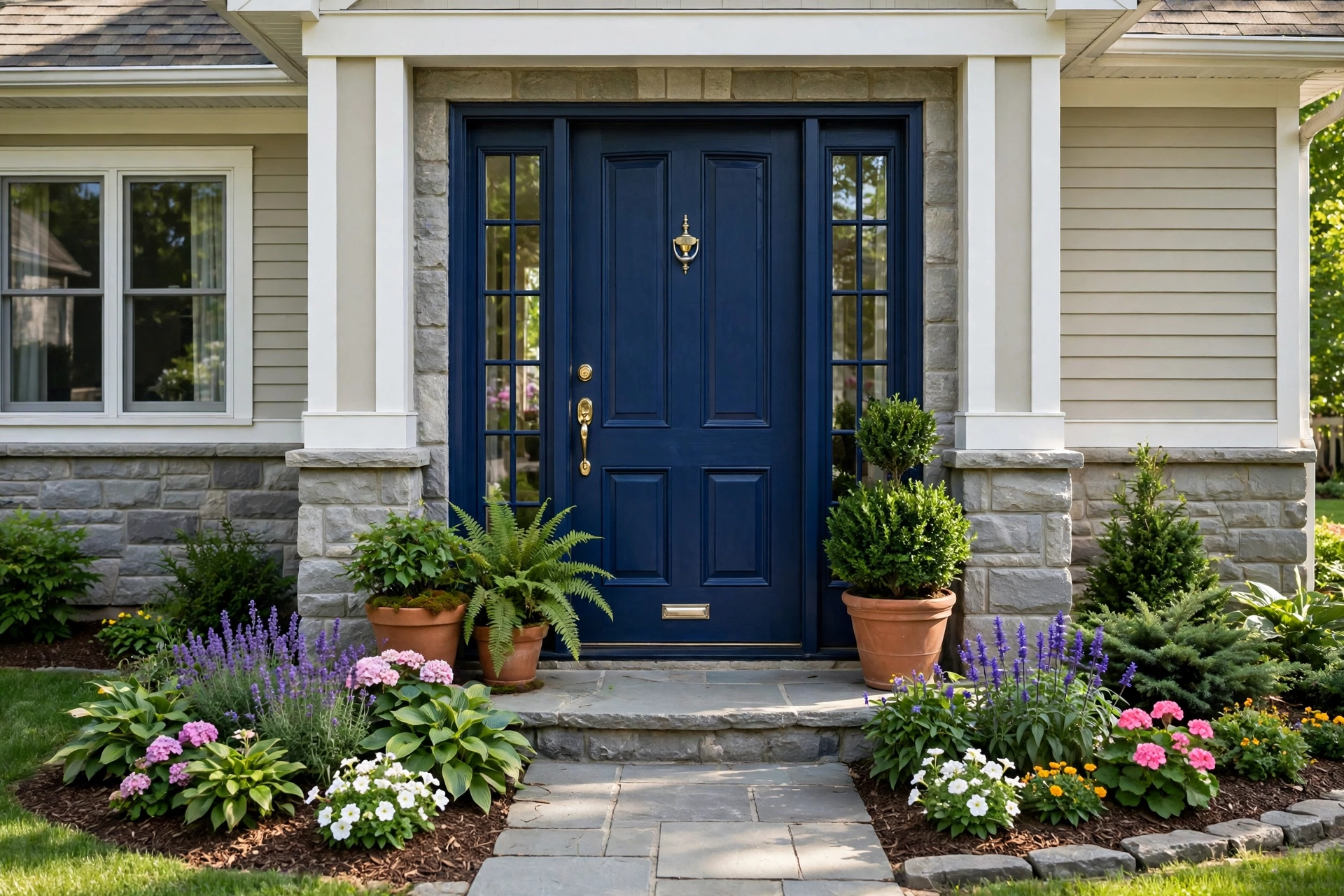
14. Refresh the Front Door Color:
Landscaping frames your entry, so make the entry worth framing. A bold door — deep navy, forest green, or classic red — against neutral siding creates the focal point every yard needs. One quart of exterior paint and a Saturday afternoon.
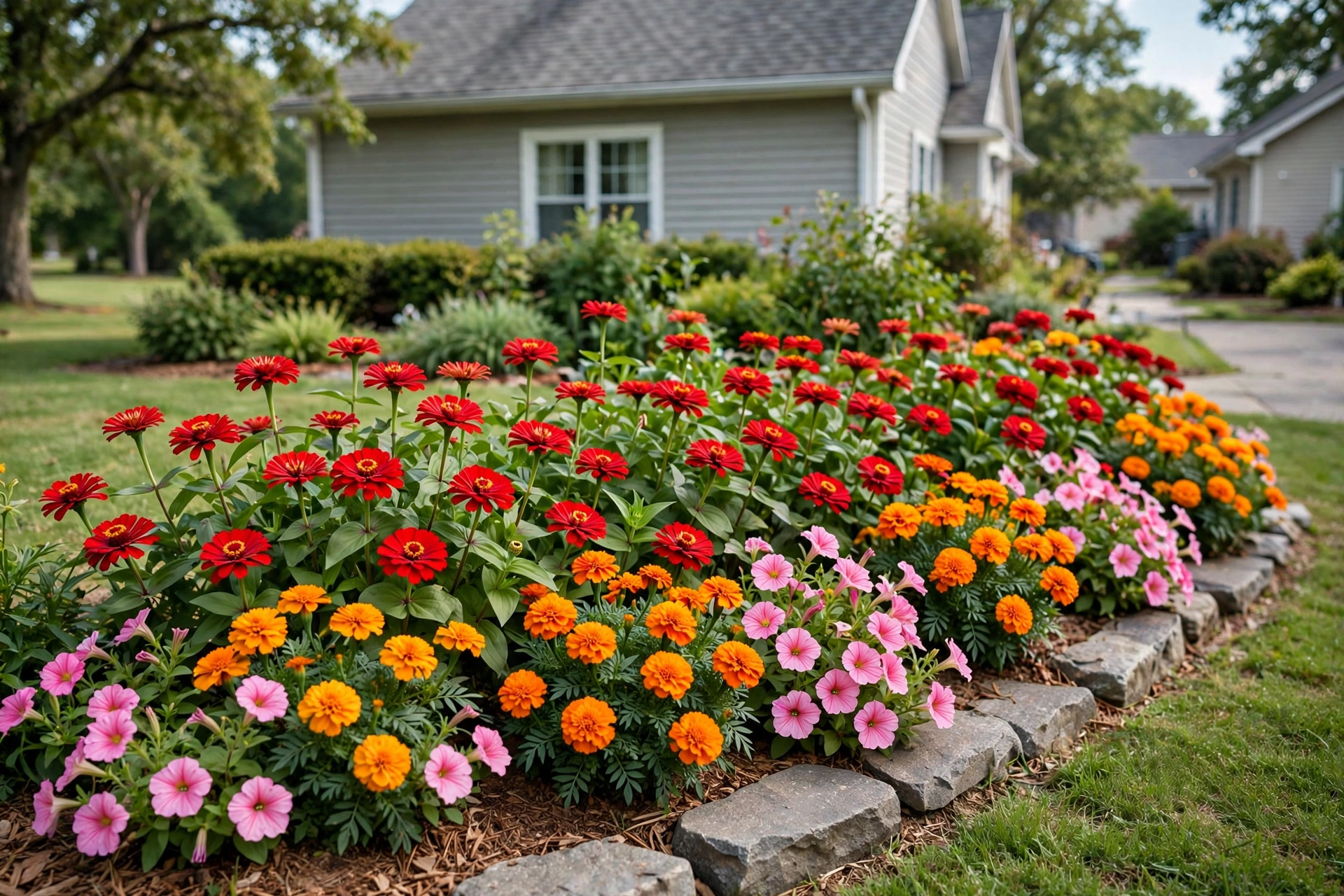
15. Rotate Seasonal Color Beds:
Keep one bed as your seasonal slot: pansies and violas in fall, tulip bulbs for spring, zinnias and marigolds for summer. Swapping $30 of annuals three times a year keeps the yard looking freshly planted while the permanent shrubs do the quiet work behind them.
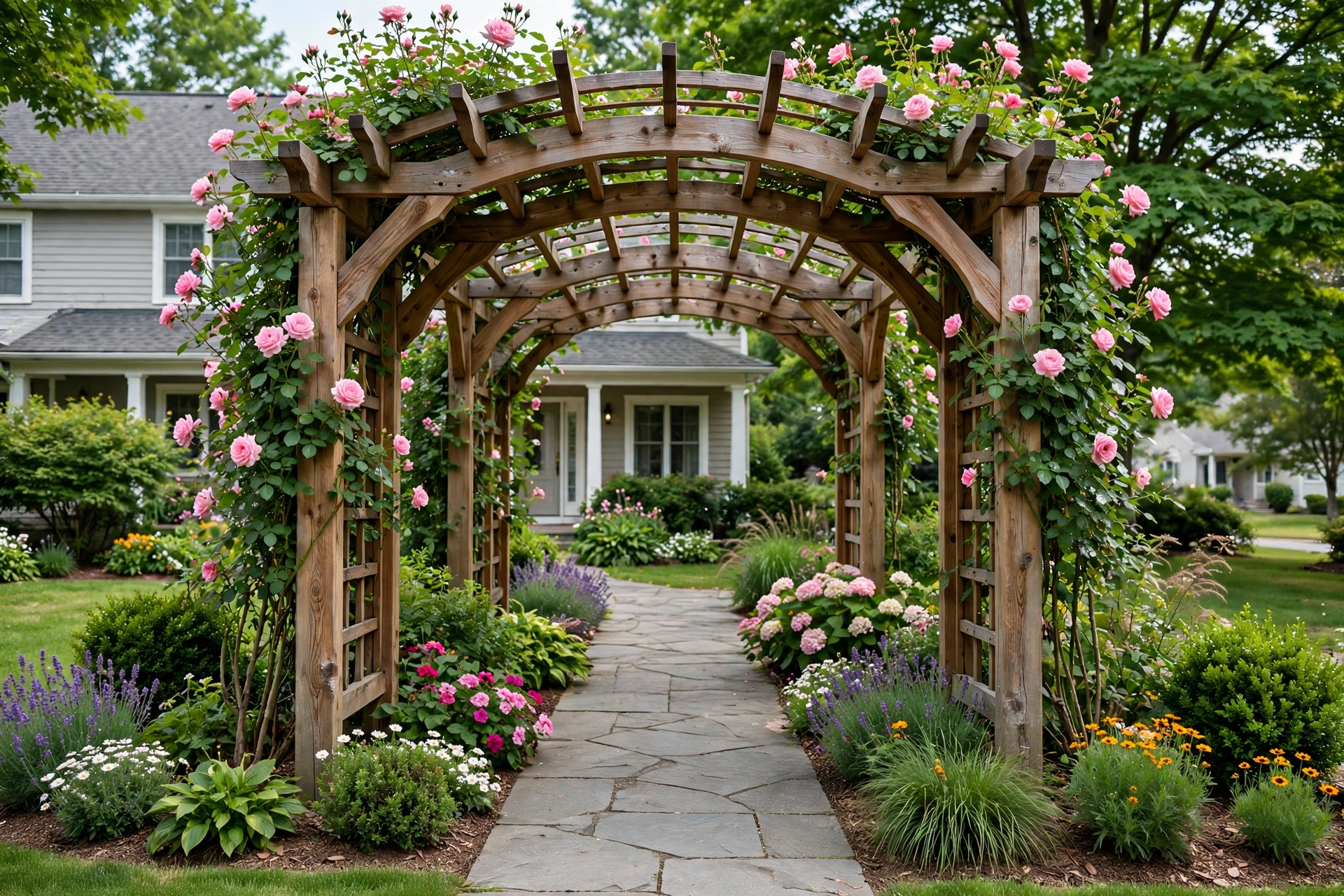
16. Frame the Entry with an Arbor or Pergola:
A simple cedar arbor over the walkway (around $150–300 pre-made) instantly creates a sense of arrival. Train clematis or climbing roses up the sides — in two seasons it becomes the most photographed spot in your yard.
17. Cover Bare Spots with Groundcover:
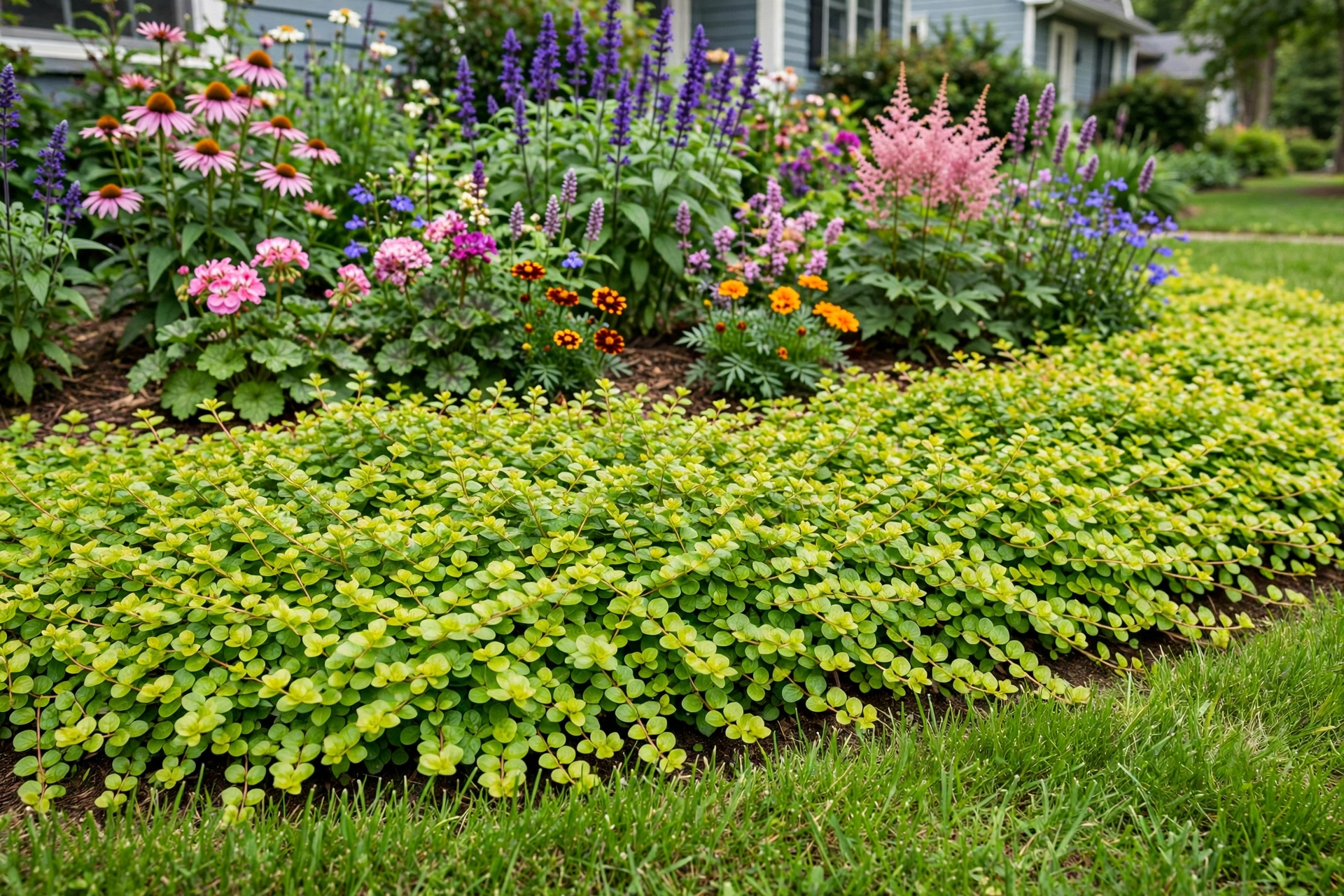
Mulch is fine, but living groundcover is better where beds meet lawn edges. Creeping jenny for sun, pachysandra or mondo grass for shade — they knit together in a season, smother weeds, and soften every hard edge they touch.
18. Plant Along the Driveway Edge:
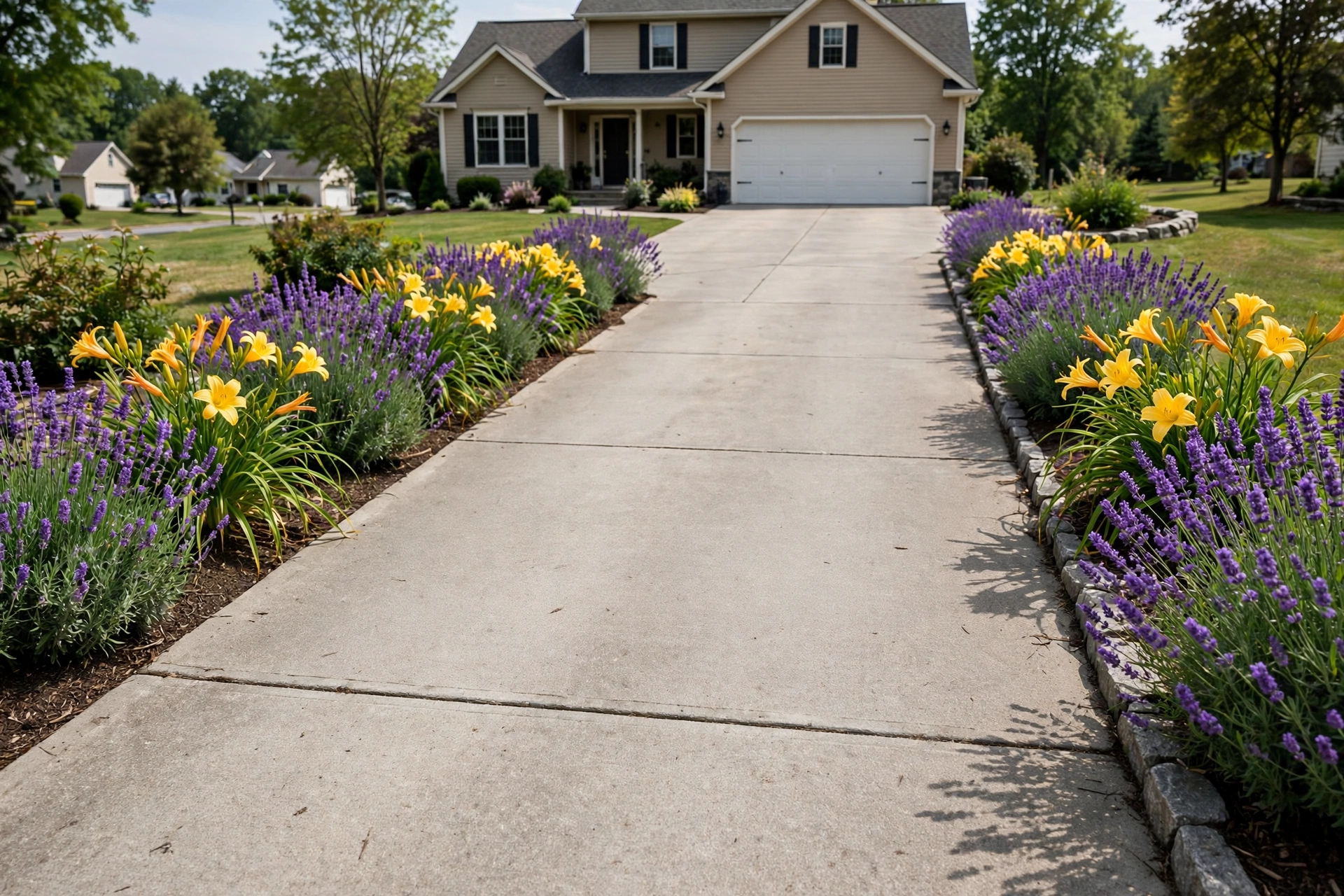
Driveways are dead space begging for a border. A 2-foot strip of lavender, daylilies, or liriope along one or both sides turns a concrete slab into a garden feature. Keep plants 12 inches back from where car doors swing open.
19. Raise Beds Where Soil Is Bad:
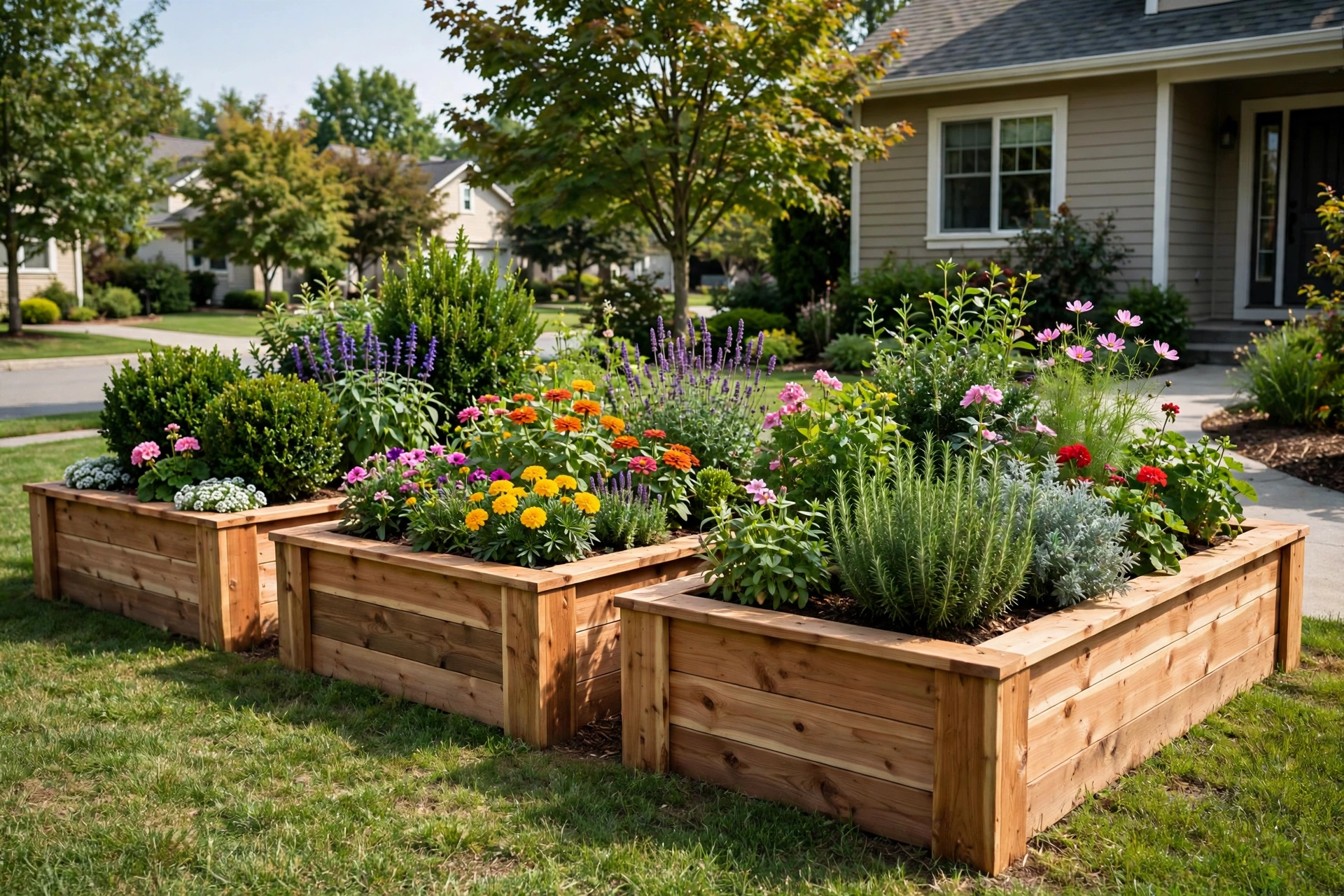
If your soil is clay, rubble, or a mat of tree roots, stop fighting it. A 12-inch raised bed with quality topsoil lets you plant anything, drains properly, and the crisp timber or stone edge looks intentional. Two 4×8 beds transform a problem area in a single day.
20. Follow a Seasonal Cleanup Calendar:
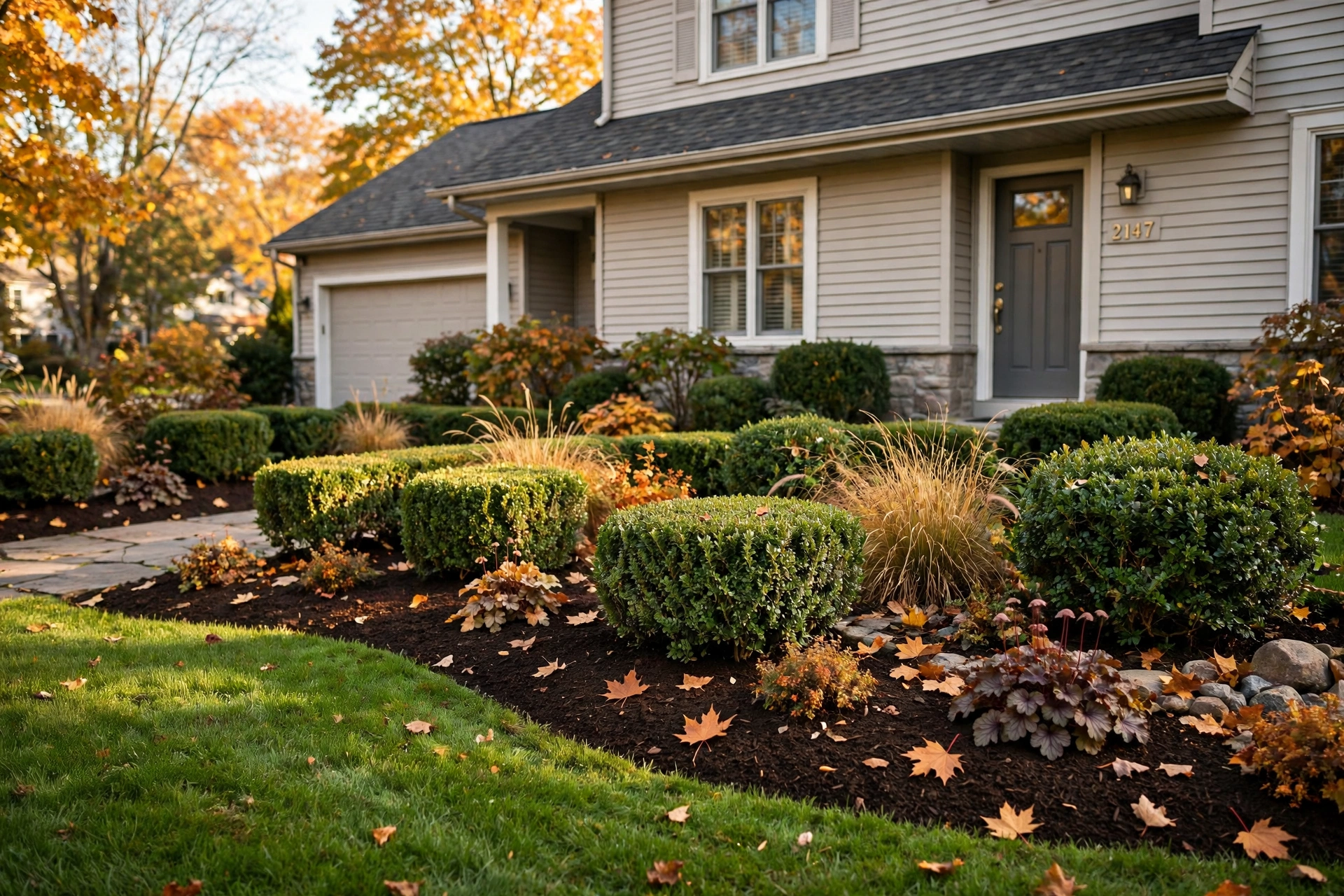
The best yards aren’t planted once — they’re tidied on schedule. Spring: cut back grasses, refresh mulch. Summer: deadhead weekly. Fall: plant bulbs, cut perennials to 6 inches. Winter: prune shrubs while dormant. Thirty minutes a month beats one exhausting overhaul every year.
FAQs:
Q: How much does front yard landscaping cost?
A: A simple DIY refresh — mulch, edging, and a dozen plants — runs $150 to $500. A full professional redesign typically starts around $3,000.
Q: What is the easiest front yard landscaping for beginners?
A: Edge your beds, add 3 inches of mulch, and plant 5–7 low-maintenance perennials suited to your sun and zone.
Q: How can I landscape my front yard on a budget?
A: Mulch and edging first, shop end-of-season sales, divide perennials from neighbours, use bark instead of stone.
Q: What plants are best for front of house?
A: Dwarf evergreens for structure (boxwood, dwarf holly), plus coneflower, salvia, daylilies, or hydrangeas for your sun and zone.
Q: Should I remove grass from my front yard?
A: Only with a replanting plan — convert lawn to beds in sections, starting closest to the house.
Conclusion:
Great front yard landscaping isn’t about spending more — it’s about making deliberate choices: a clear layout, layered planting, honest plant picks, and the finishing touches of mulch, edging, and light. Pick two or three ideas from this list, do them well this weekend, and your curb appeal will look like you hired someone.