
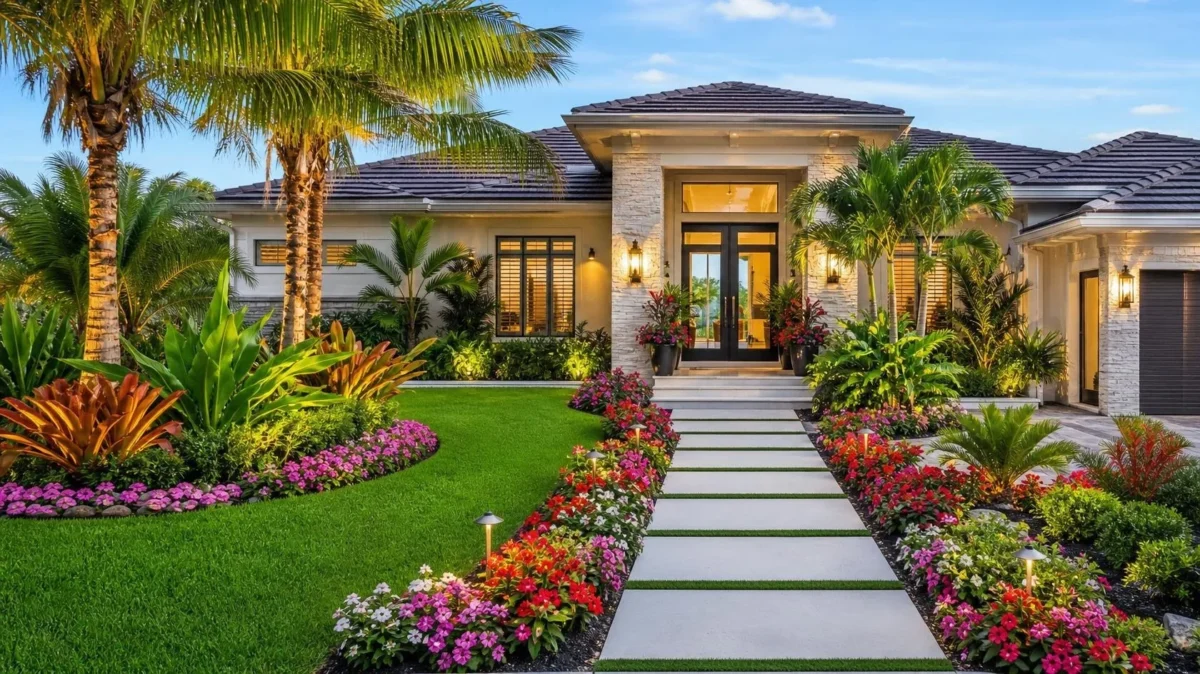
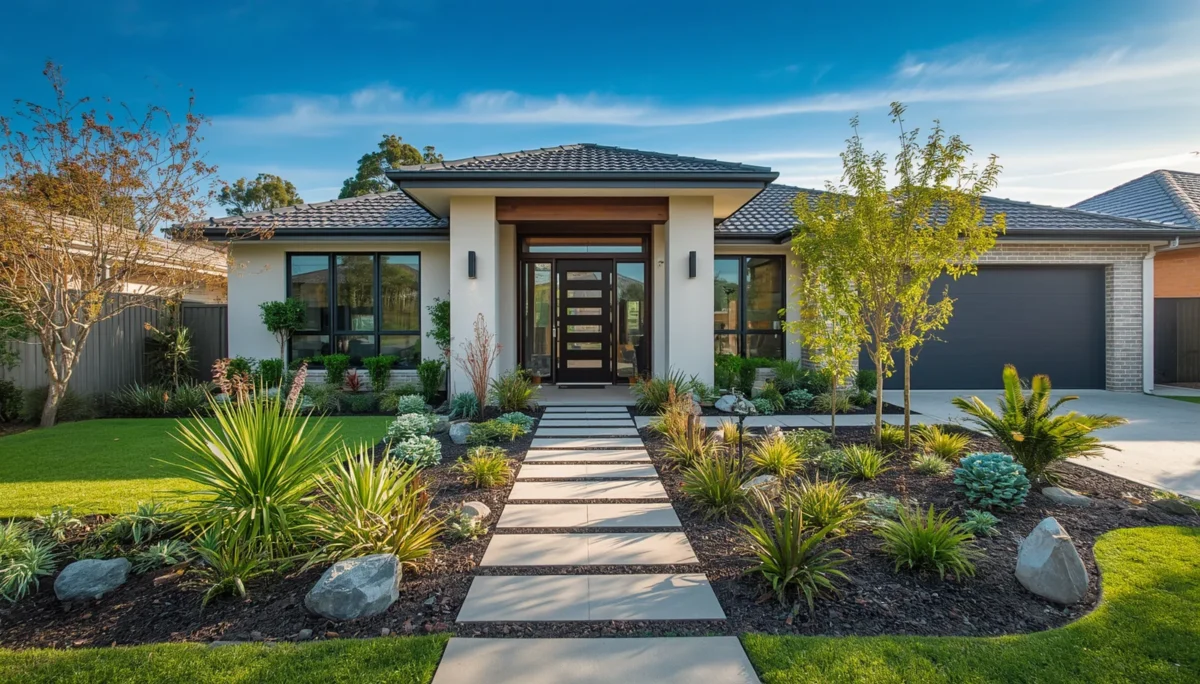
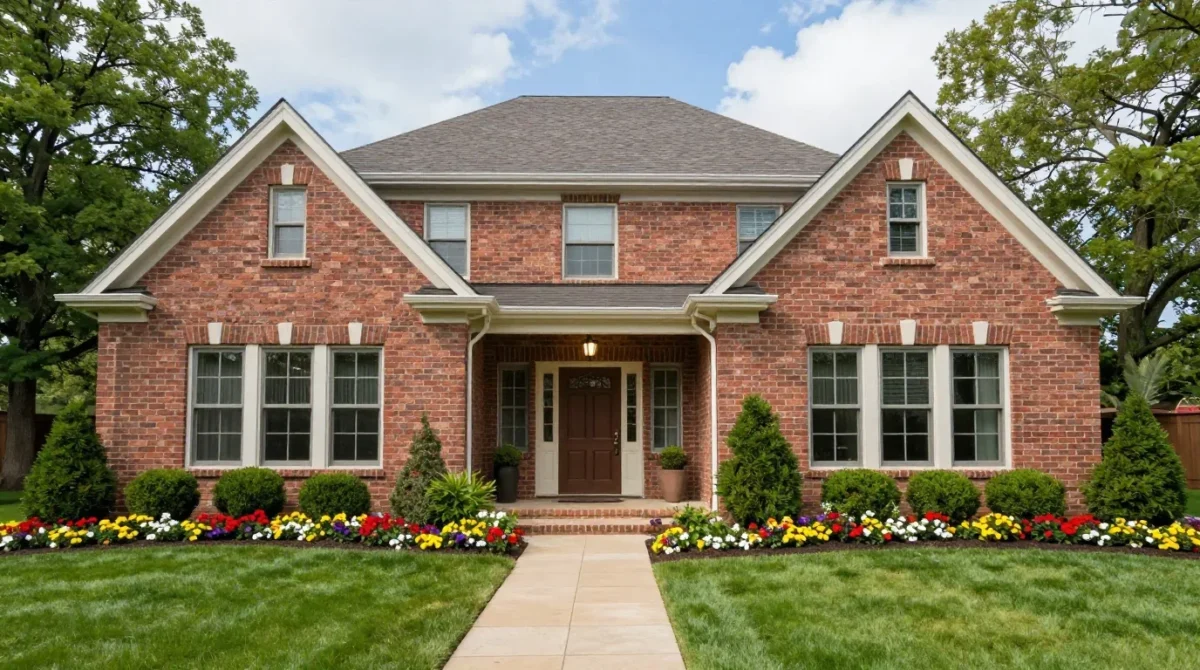
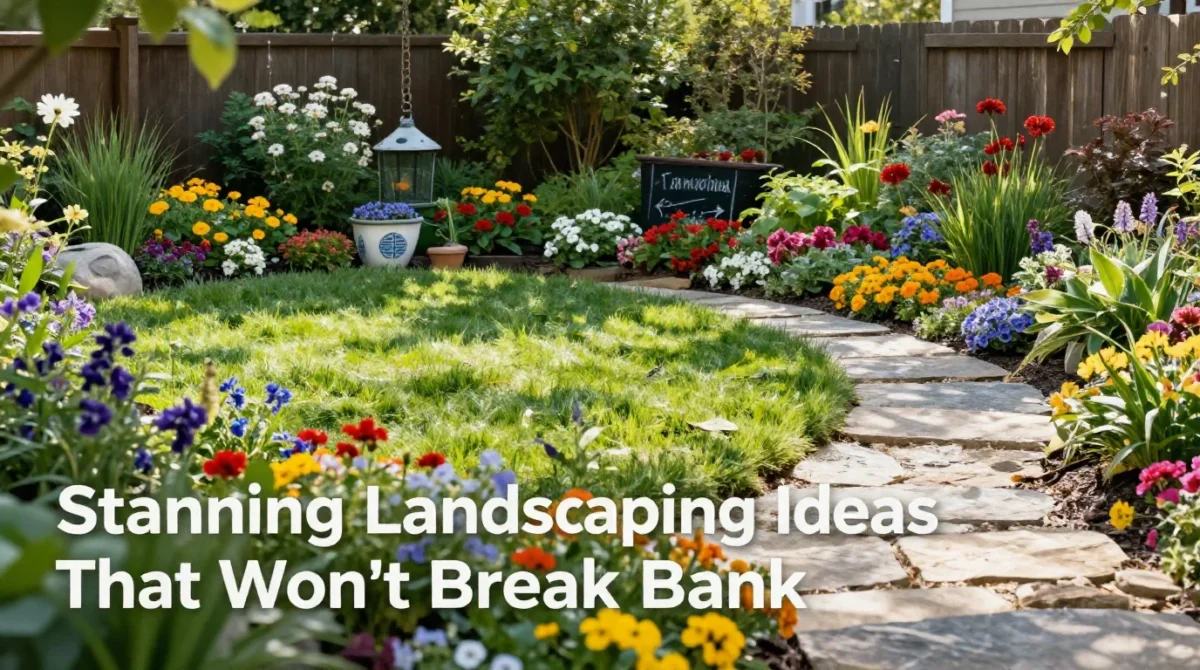
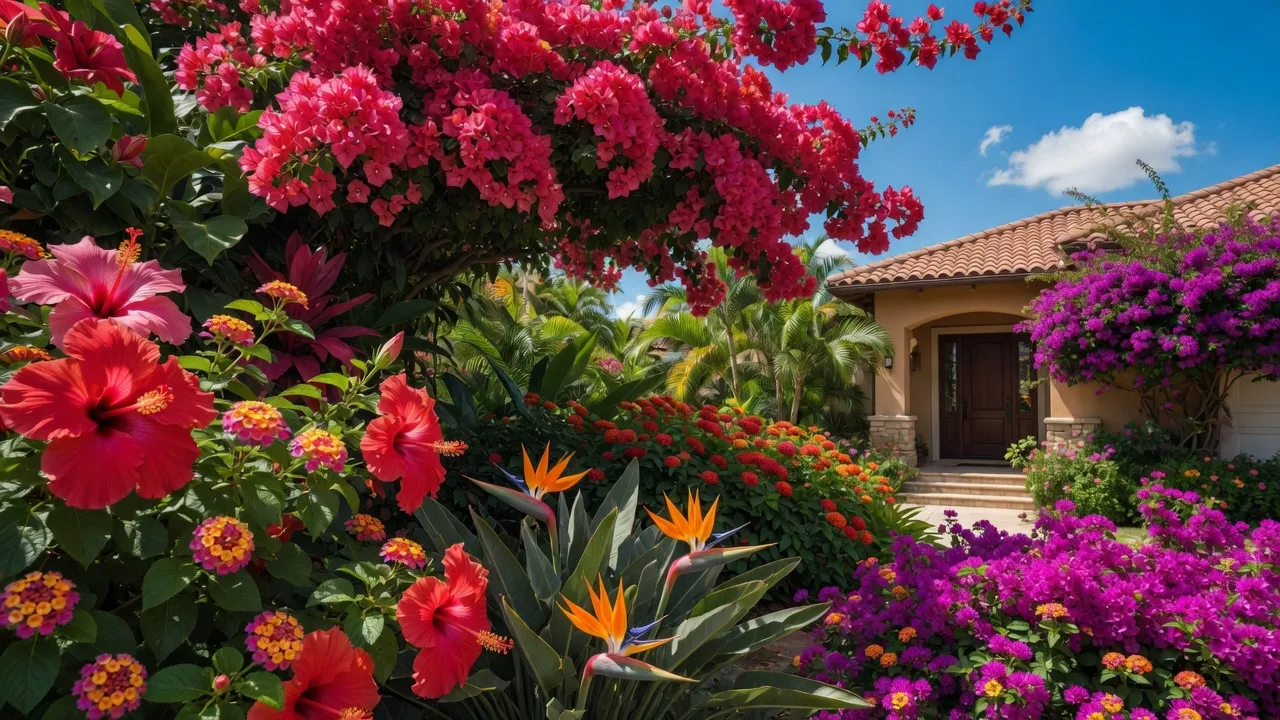
Your front yard is the first impression visitors have of your home, and when blessed with abundant sunlight, you have endless possibilities to create a landscape that’s both beautiful and thriving. Full sun exposure—six or more hours of direct sunlight daily—is a gift that allows you to grow a stunning variety of plants, flowers, and landscaping features that might struggle in shadier locations. Rather than viewing intense sun as a challenge, embrace it as an opportunity to design a front yard that’s vibrant, colourful, and absolutely show-stopping.
1. Drought-Resistant Succulent Garden:
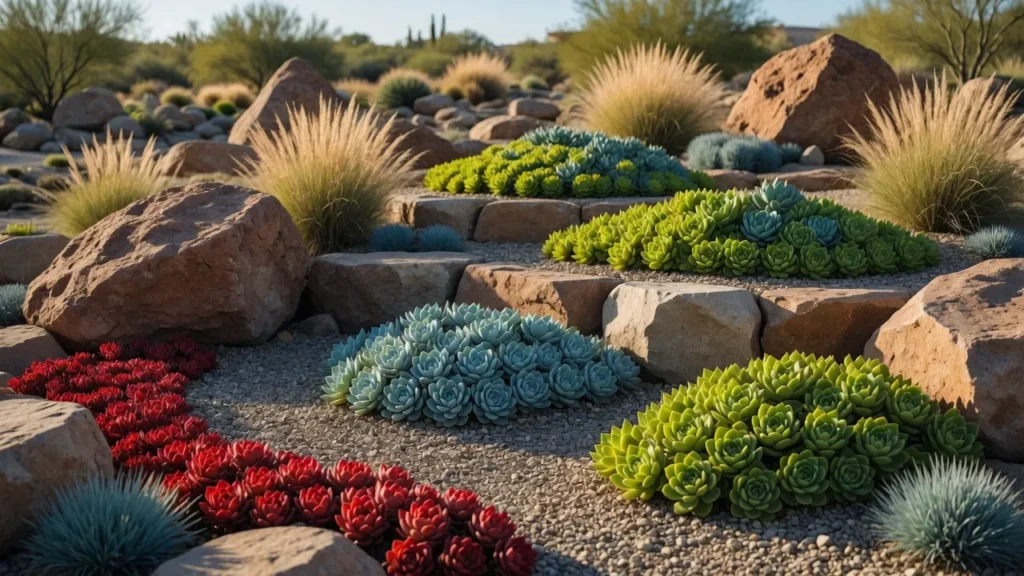
Succulents are the ultimate solution for full sun front yards, thriving in intense heat while requiring minimal water. Create visual interest by layering different succulent varieties at varying heights, combining tall sedums with low-growing echeveria and colorful aeoniums. Incorporate textural elements like ornamental grasses, smooth river rocks, and gravel in complementary colors to build depth. The beauty of succulent gardens lies in their sustainability—once established, they need only occasional watering and virtually no fertilizer, making them perfect for environmentally conscious homeowners.
Design your succulent garden using the principle of repetition and balance. Cluster plants in groups of three or five for maximum visual impact, and leave breathing room between plantings to showcase the unique character of each specimen. Consider adding decorative focal points such as weathered driftwood, large stones, or artistic metal sculptures that complement the organic forms of the succulents. Use colored mulch or decorative gravel to unify the design while providing excellent drainage. This approach creates a low-maintenance masterpiece that looks equally stunning during summer’s peak heat and winter’s cool months.
2. Vibrant Annual Flower Beds:
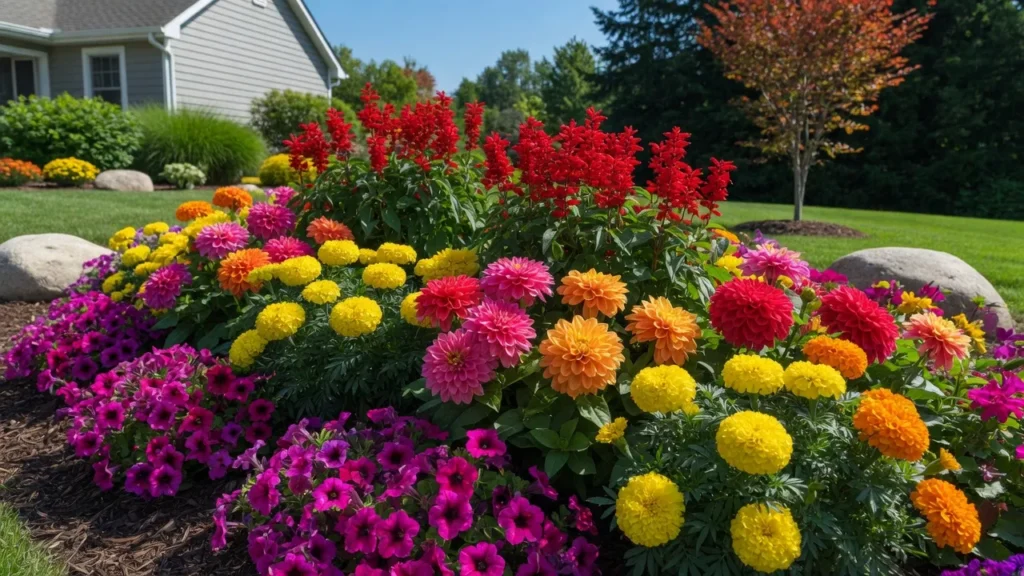
Annual flowers provide continuous, season-long colour that keeps your front yard looking fresh and vibrant. Zinnias, marigolds, sunflowers, and salvia absolutely love full sun and reward you with prolific blooms from spring through frost. Create dynamic colour schemes by combining complementary hues—perhaps vibrant purple salvia with sunny yellow marigolds, or soft pink petunias with deep burgundy zinnias. Annual beds also allow you to experiment with different colour palettes each season, giving you the creative freedom to refresh your landscape’s personality year after year.
To maximise the impact of annual flowers, prepare rich, well-amended soil with plenty of organic matter before planting. Deadhead spent blooms regularly to encourage continuous flowering throughout the season, and water deeply but less frequently to encourage strong root development. Layer your plants by height, placing taller varieties in back and shorter ones in front, creating a tiered effect that displays all flowers effectively. Consider incorporating foliage plants like dusty miller or coleus to add texture and extend visual interest beyond the blooms themselves. This dynamic approach ensures your front yard remains a colourful beacon of beauty all season long.
3. Mediterranean Herb Garden:
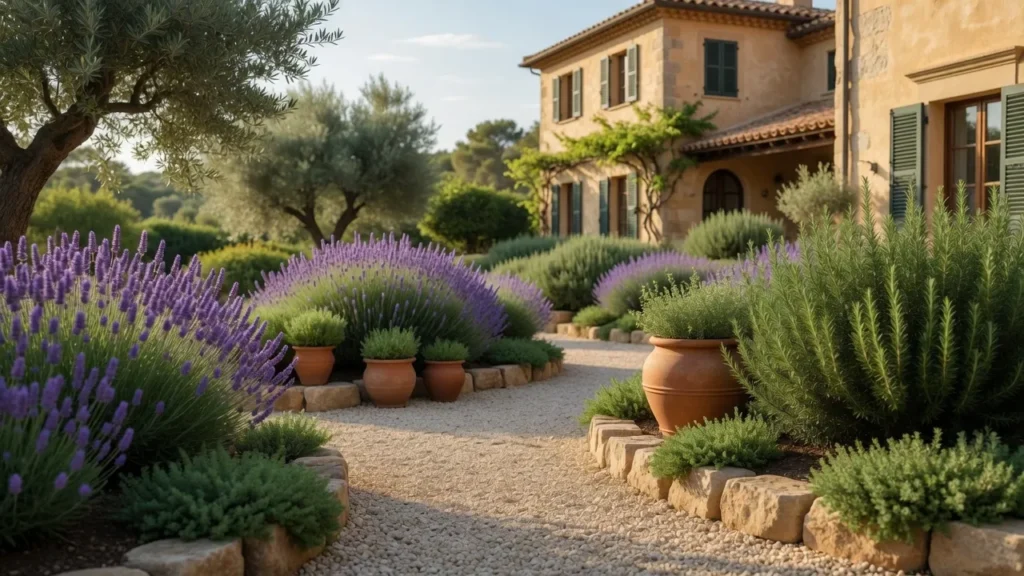
Transform your full sun front yard into a fragrant Mediterranean paradise by cultivating herbs that don’t just beautify but also provide culinary and aromatic benefits. Lavender, rosemary, thyme, oregano, and santolina flourish in bright sunlight and well-draining soil, creating a landscape that’s both gorgeous and functional. These plants release wonderful fragrances when brushed against, creating a multi-sensory experience every time you walk through your front yard. The soft purple, silvery-green, and delicate pink hues of Mediterranean herbs create an elegant, sophisticated aesthetic that appeals to discerning homeowners.
Arrange your herb garden in organised clusters, perhaps grouping plants by size and colour, or arranging them in a formal pattern with gravel pathways running between them. Incorporate landscaping elements like stone edging, terracotta pots, or a small sitting bench to enhance the Mediterranean ambience. These plants require minimal fertiliser and benefit from well-draining soil, making them ideal for low-maintenance landscaping. Not only will your front yard look Instagram-worthy, but you’ll also have fresh herbs at your fingertips for cooking and enjoying throughout the growing season.
4. Desert Mountain Landscape:

Create drama and architectural interest with a desert mountain landscape that brings the majesty of arid regions right to your front yard. Large boulders serve as focal points and anchors, providing structure while creating the impression of a natural rock formation. Incorporate native desert plants like tall yuccas, striking agave’s, and architectural specimens that add height and visual weight. The combination of stone elements with dramatic plants creates a powerful landscape statement that requires minimal water and maintenance, particularly suited to hot, dry climates with intense full sun exposure.
Design your desert landscape with careful attention to negative space—avoid overcrowding and instead let focal points breathe and command attention. Use various sizes of rocks and stones to create a sense of natural geology, and incorporate a variety of soil colours from pale sand to deeper earth tones. Complement the landscape with carefully selected plant placements that enhance the rugged, natural aesthetic. This style of landscaping transforms high-heat yards into sophisticated outdoor displays that celebrate the raw beauty of arid environments. The result is a front yard that looks sculptural and timeless, requiring only occasional watering once established.
5. Wildflower Meadow Cottage Garden:
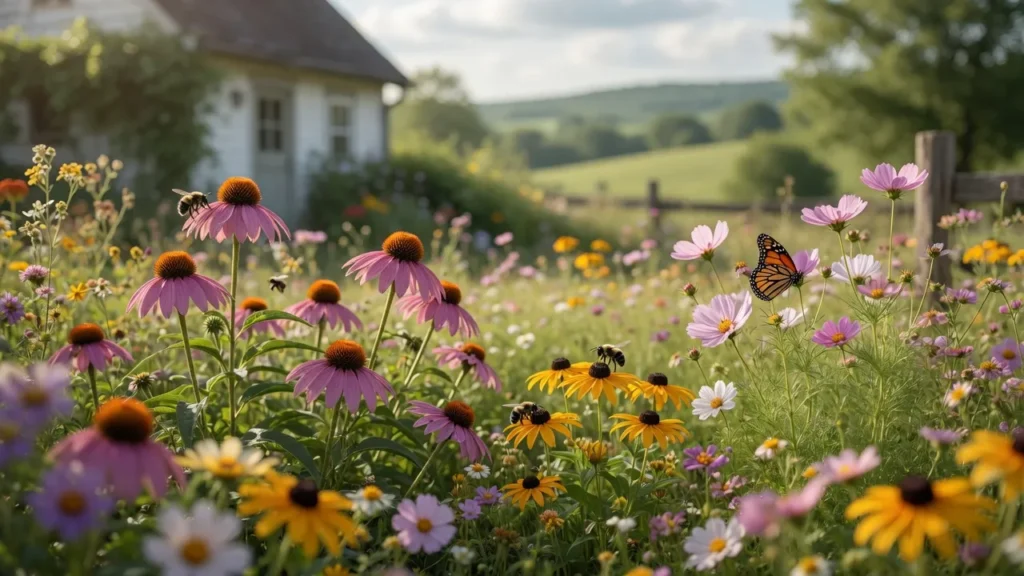
Create a whimsical, romantic wildflower meadow that celebrates nature’s effortless beauty and supports pollinators. Plant a diverse mix of wildflower seeds—including coneflowers, black-eyed Susans, blanket flowers, cosmos, and native varieties specific to your region—to create a self-sustaining ecosystem that evolves naturally. This style of landscaping embraces a more relaxed, organic aesthetic that contrasts beautifully with manicured neighbourhoods. The continuous blooms from early summer through fall provide months of visual interest while creating a haven for butterflies, bees, and other beneficial insects.
Preparing a wildflower meadow is simpler than traditional landscaping: clear existing grass, scarify the soil surface to improve seed contact, broadcast wildflower seeds in spring or fall, and water gently until plants establish. Once established, wildflower meadows require minimal maintenance—no fertiliser, occasional weeding of invasive species, and perhaps a spring cutback. The result is a stunning, low-maintenance front yard that tells a story of natural beauty and environmental stewardship. This approach also significantly reduces water consumption and eliminates the need for chemical treatments, making it ideal for Eco-conscious homeowners seeking authentic garden charm.
6. Modern Minimalist Landscape:
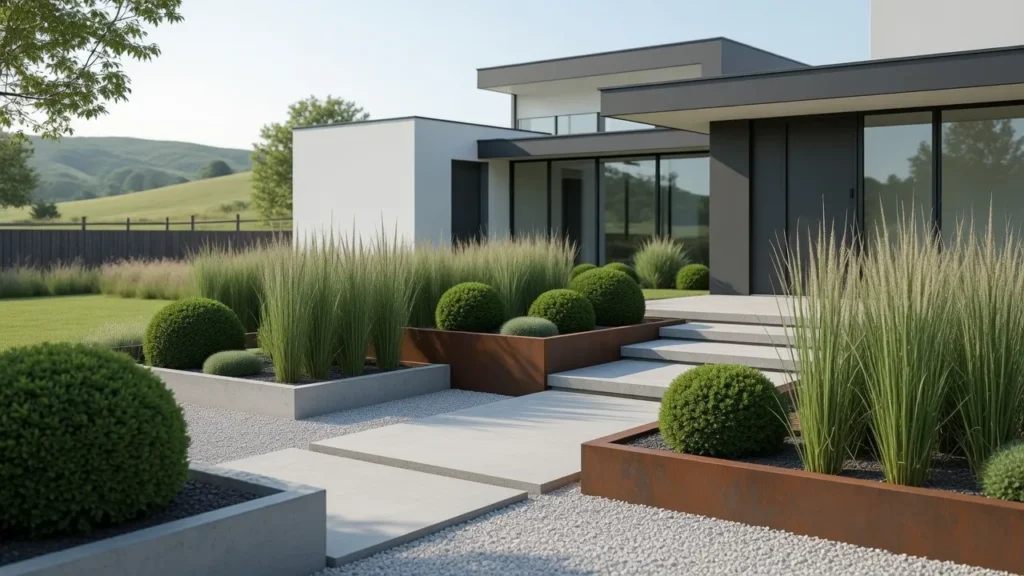
Embrace cutting-edge design with a modern minimalist landscape that celebrates simplicity, clean lines, and negative space. Focus on a limited plant palette featuring architectural specimens like tall ornamental grasses, structured evergreens, and sculptural accent plants that command attention. Pair these with contemporary landscaping—perhaps concrete pavers, steel edging, or decorative gravel in neutral tones—to create a landscape that looks like an outdoor art installation. This style appeals to homeowners seeking a sophisticated, low-maintenance aesthetic that complements contemporary architecture.
Design your minimalist landscape with intentional plant placement, using odd numbers and geometric spacing to create visual balance without clutter. Choose plants with distinctive shapes—vertical grasses for height, rounded shrubs for contrast, and perhaps a single sculptural specimen as a focal point. Incorporate sustainable materials and consider integrated lighting that highlights architectural elements during evening hours. The beauty of minimalist design lies in its restraint; every element earns its place and contributes to the overall composition. This approach creates a serene, sophisticated front yard that evolves and changes subtly with the seasons while maintaining its clean, refined aesthetic.
7. Pollinator Paradise Garden:
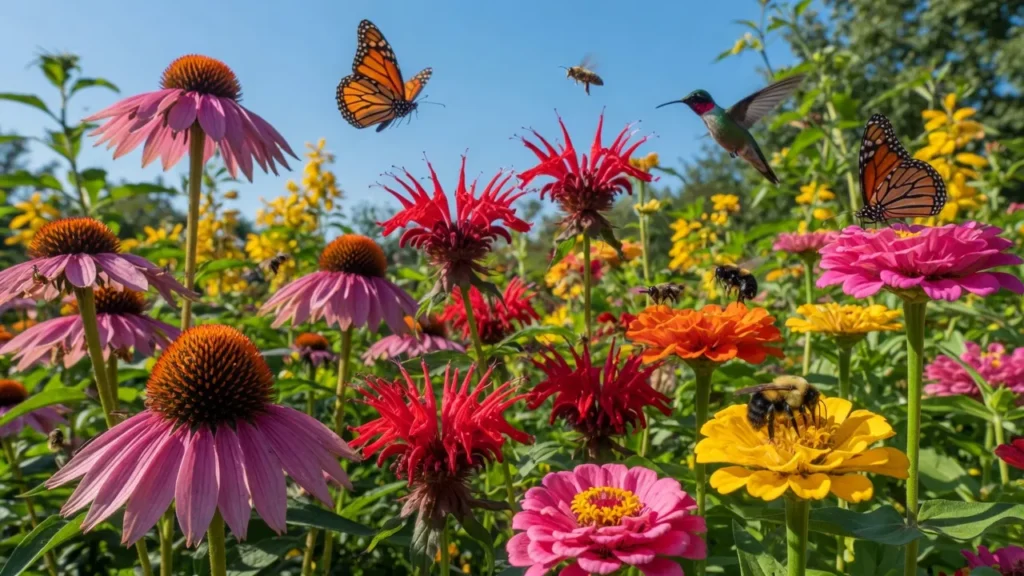
Transform your full sun front yard into a thriving ecosystem that supports butterflies, bees, hummingbirds, and other pollinators essential to environmental health. Plant native flowers that evolved alongside local pollinators—research your region’s native species and select varieties that bloom at different times throughout the season. Include flowers in the purple, pink, orange, and red spectrum, as these colours particularly attract pollinators. Native wildflowers, salvia, bee balm, butterfly weed, and zinnias create a dynamic, colourful landscape while providing crucial nectar sources and habitat.
Beyond plant selection, create an environment that supports pollinator populations by eliminating pesticides and providing water sources. Leave some areas with leaf litter or standing stems for overwintering insects, and incorporate host plants that specific butterfly species depend on for reproduction. This living landscape becomes a beautiful wildlife sanctuary visible from the street, educating neighbours about ecological responsibility while creating visual interest through movement and activity. The joy of watching butterflies dance among your flowers and hearing bumblebees work the blossoms adds a dynamic, living quality that elevates your landscape beyond mere aesthetics—it becomes a living statement about your values and connection to nature.
8. Rock and Stone Feature Pathway:
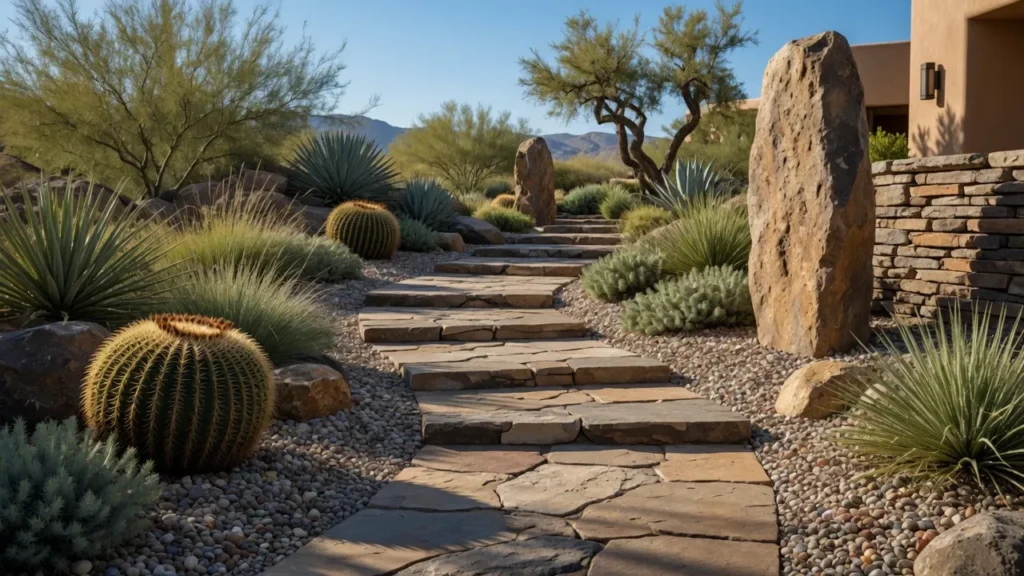
Create an inviting focal point with a stunning stone pathway that guides visitors through your front yard while adding substantial visual interest and functional value. Choose complementary stone types—perhaps flagstone, blue-stone, or natural slate—and lay them in patterns that reflect your landscape’s overall aesthetic. A curved pathway appears longer and more interesting than a straight one, encouraging exploration while adding movement and flow to the design. Combine stone with decorative gravel borders, low plantings on either side, and perhaps accent lighting to create a sophisticated walkway that enhances both day and night curb appeal.
The material selection for your pathway significantly impacts the overall landscape character. For modern designs, consider geometric stone cuts; for cottage aesthetics, irregular flagstone with plants spilling onto edges; for contemporary spaces, perhaps concrete pavers with metal accents. Whatever material you choose, ensure proper drainage and stable installation to create a safe, durable feature that withstands weather and foot traffic. Line your pathway with low-growing sun-loving plants like creeping thyme, sedums, or ornamental grasses that soften edges and integrate the landscape with planting areas. This layered approach creates depth and dimension while establishing clear sight-lines that showcase your landscape design.
9. Tropical Paradise Front Yard:
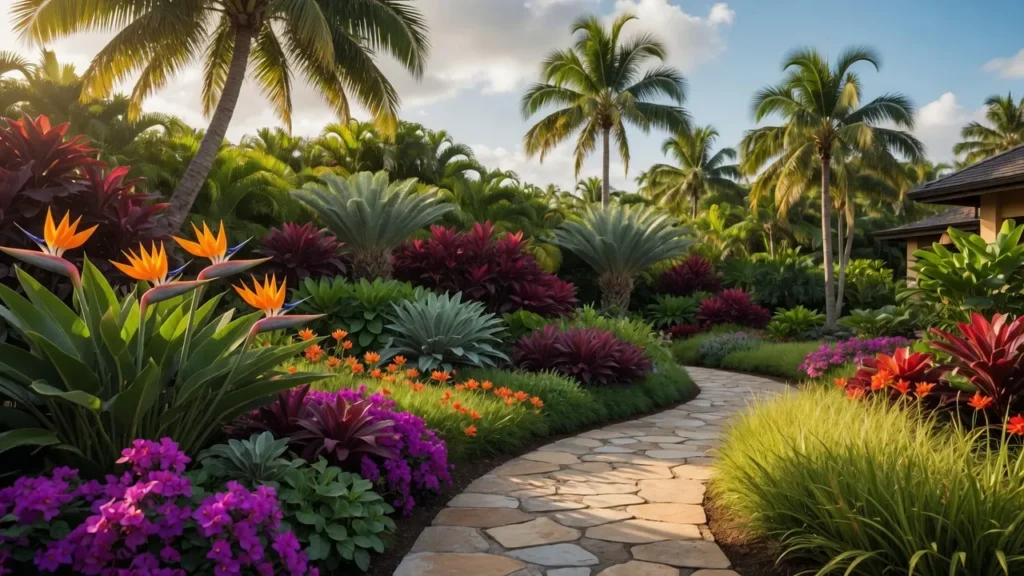
Bring vacation vibes home by creating a tropical paradise in your full sun front yard, regardless of your climate zone. Incorporate tall structural plants like ornamental grasses and columnar evergreens for height, combine them with dramatic foliage plants featuring bold colours and textures, and layer in bright tropical flowers for colour impact. Plants like Olivia, tropical hibiscus, bird of paradise, croton, and elephant ears create that lush, exotic aesthetic, while ornamental grasses add movement and airiness. Even in temperate zones, you can create a convincing tropical effect through thoughtful plant selection and arrangement.
Design your tropical landscape using layered heights and a rich colour palette featuring deep greens, vibrant oranges, purples, and reds. Create a sense of abundance through dense planting, which enhances the lush, tropical feel while providing natural privacy screening. Consider adding water features like fountains or small ponds—water elements are quintessential tropical design elements that add sensory appeal through sound and movement. In cooler climates, select tropical plants that tolerate temperature variations, such as hardier hibiscus varieties and cold-hardy ornamental grasses. The result is an exotic front yard that transports you to tropical destinations whenever you step outside.
10. Ornamental Grass Showcase:

Ornamental grasses are landscaping superstars in full sun locations, providing movement, texture, colour, and year-round interest with minimal maintenance requirements. Create a dynamic landscape using tall varieties like pampas grass or tall acanthus as focal points and backdrops, mid-height grasses like fountain grass for layering, and shorter varieties like blue rescue for border definition. The way grasses move in the breeze creates a living, dynamic quality that photographs beautifully and captivates viewers. Their colour transformations throughout seasons—from fresh green growth to golden, bronze, and burgundy hues—provide continuous visual evolution without requiring seasonal replanting.
Arrange grasses in clusters or drifts rather than single specimens to create dramatic waves of movement and colour. Combine grasses with structural evergreens or flowering plants to add colour while maintaining the grasses as the dominant design element. These plants absolutely thrive in full sun and heat, require minimal water once established, and need only an annual late-winter cutting. The textural quality of ornamental grasses provides beautiful contrast to other landscape elements, making them invaluable for modern, cottage, and naturalistic designs. Back-light your grass garden during golden hour or evening to emphasise the luminous quality of the foliage—this simple technique transforms grasses into glowing, ethereal elements.
11. Mediterranean Terracotta Garden:
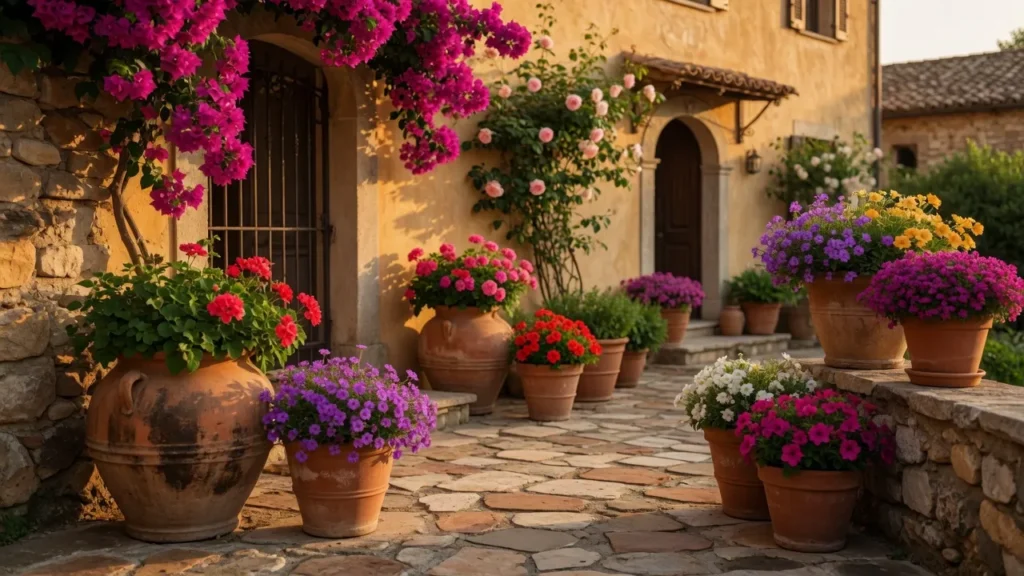
Create a warm, welcoming Mediterranean ambience by arranging terracotta containers of various sizes throughout your front yard, filled with sun-loving flowers and herbs. The warm clay tones of terracotta pots evoke European charm and pair beautifully with bright flowering plants like geraniums, petunias, and trailing calibrachoa. Arrange containers at varying heights using plant stands or terraced surfaces to create visual interest and display plants effectively. This container-focused approach provides flexibility—you can easily rearrange pots seasonally, move them as sun exposure changes, and experiment with different plant combinations.
The Mediterranean container garden works particularly well for townhouses or smaller front yards where in-ground planting space might be limited. Select containers in complementary terracotta shades and group them in odd numbers to create visually pleasing clusters. Ensure excellent drainage by using quality potting soil and containers with drainage holes, and water regularly during hot weather since containers dry quickly in full sun. Intersperse trailing plants that cascade over pot edges with upright specimens for dynamic, three-dimensional displays. Add decorative elements like small statues, lanterns, or vintage Mediterranean accents to enhance the European villa aesthetic. This approach combines functionality with charm, creating an inviting entry that suggests warmth and hospitality.
12. Sculptural Plant Specimens:
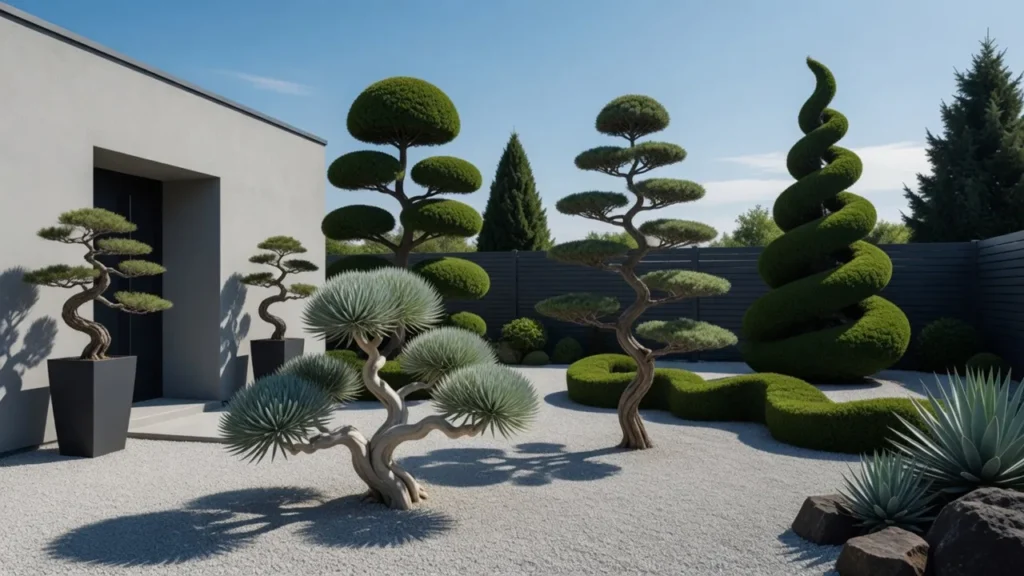
Make bold artistic statements by selecting and showcasing sculptural plants that serve as living sculptures in your landscape. Choose specimens with distinctive shapes—tall columnar junipers, mounding evergreens, twisted corkscrew willows, or unusual cultivars with contorted forms. These architectural plants immediately draw attention and create visual impact even before considering flowers or colours. Pair sculptural specimens with clean landscaping and minimal surrounding plantings to allow each plant to be fully appreciated as an art form. This sophisticated approach transforms your front yard into an outdoor gallery where plants become the artwork.
Position sculptural plants strategically as focal points, perhaps at the end of a pathway or flanking your entry door. Provide space around them so their architectural forms aren’t hidden by competing plantings, and ensure they receive the light conditions necessary for their best appearance. Consider how shadows cast by sculptural forms create additional visual interest throughout the day, especially when back-lit during morning or evening hours. This dramatic approach works beautifully in modern landscapes, contemporary gardens, and any setting where homeowners appreciate artistic expression. By treating plants as sculptures, you create a landscape that stimulates intellectual appreciation alongside aesthetic enjoyment.
13. Prairie-Style Native Planting:
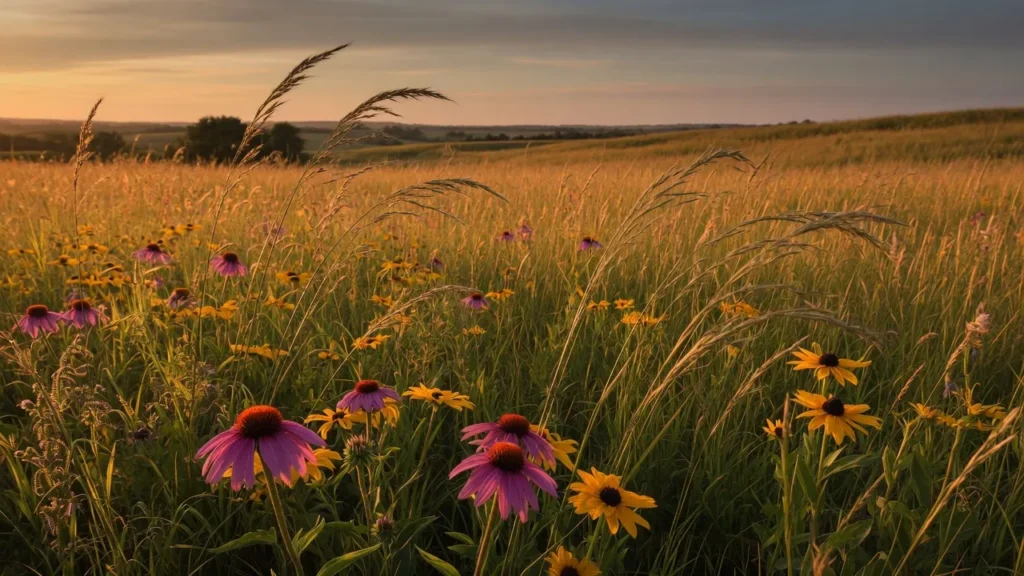
Celebrate regional ecology by creating a prairie-style landscape using native grasses and wildflowers adapted to your specific region. Prairie plantings showcase nature’s original vegetation—the plant communities that evolved over thousands of years in response to local conditions. Research plants native to your area that thrive in full sun and combine tall ornamental grasses with complementary wildflowers. This approach creates a landscape that’s beautiful, ecologically responsible, supports regional wildlife, and requires minimal inputs once established. Prairie gardens evolve naturally, with different plants thriving in different years based on weather conditions.
Design prairie landscapes with intention to height and bloom time, creating layers and ensuring something blooms from spring through fall. Plant native species at appropriate densities to create a full, lush appearance without overcrowding. Once established, prairie plantings require minimal maintenance beyond annual spring cutting and occasional weeding of invasive species. The golden and bronze tones of native grasses in fall and winter create stunning visual effects, while wildflowers provide colour throughout growing seasons. This ecological approach reduces water needs significantly while creating habitat for butterflies, bees, songbirds, and other wildlife. Prairie-style gardens tell a story of regional pride and environmental stewardship while remaining visually stunning throughout all seasons.
14. Sunflower Statement Garden:
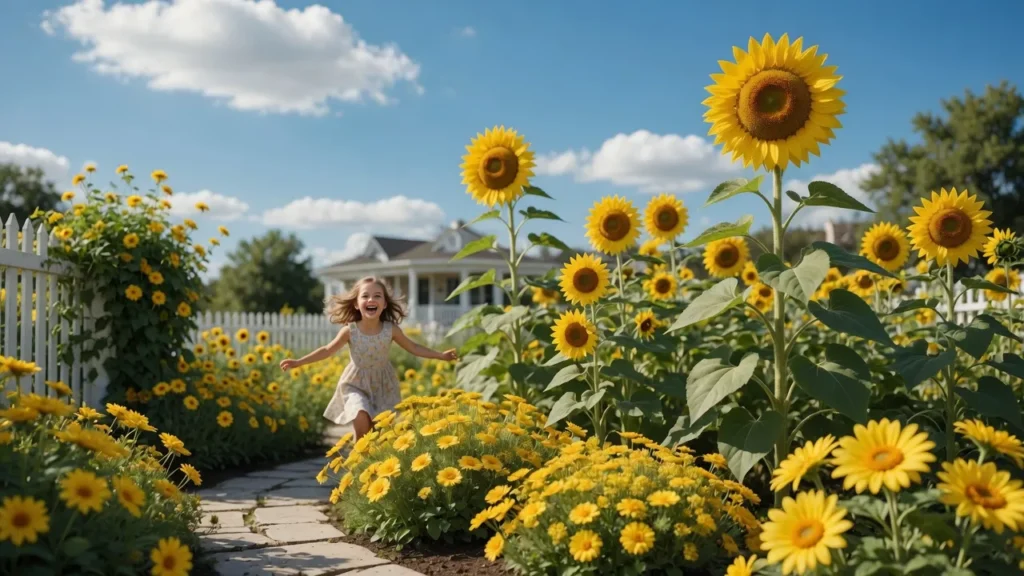
Create instant happiness with a sunflower-focused garden that celebrates bold colour and uninhibited joy. Plant sunflowers as your primary feature, combining different varieties—tall varieties for dramatic height, dwarf types for borders, and varieties in unexpected colours like deep burgundy or bi-colours. Sunflowers love full sun and heat, reward you with prolific blooms, and mature quickly from seed to flowering. Their sunny disposition creates inherently cheerful landscapes that brighten neighbourhoods and generate smiles from passersby. Whether you favour traditional golden yellow or modern colour variations, sunflower gardens bring unmistakable personality and approach-ability to your home’s curb appeal.
Mix sunflower plantings with complementary plants like purple salvia, silver dusty miller, or golden ornamental grasses to create dynamic colour combinations. Stagger plantings in succession for continuous blooms throughout the season—planting seeds every two weeks ensures flowers from mid-summer through fall frost. Tall sunflower varieties may require staking in windy locations, and deadheading spent flowers encourages continued blooming. The seeds that mature on flower heads attract songbirds in late season, adding another layer of life and movement to your garden. Beyond visual appeal, sunflower gardens create positive emotional connections—they’re difficult not to smile at, making them wonderful choices for highly visible front yards.
15. Contemporary Japanese Zen Garden:
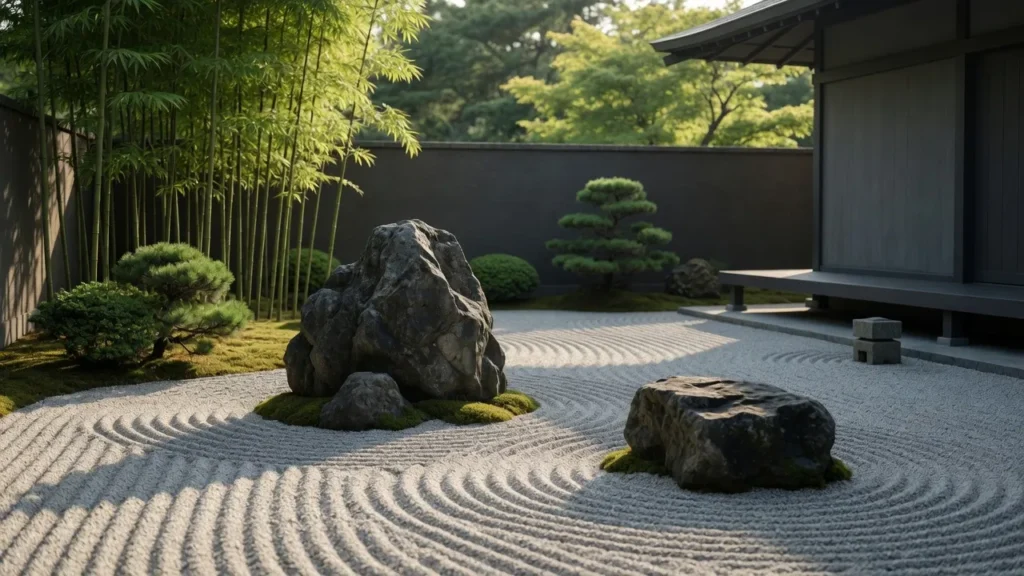
Bring meditative tranquillity to your front yard with a Japanese-inspired zen garden that emphasises simplicity, natural materials, and contemplative design. The essential elements include carefully raked gravel creating geometric patterns, strategically placed rocks representing natural formations, and minimal plantings of sculptural plants like bamboo, moss, or carefully pruned evergreens. Zen gardens operate on principles of balance, negative space, and suggestion rather than abundance—fewer elements arranged with intention create more impact than elaborate plantings. This sophisticated approach appeals to homeowners seeking serene, low-maintenance landscapes that inspire calm reflection.
Create your zen garden with careful attention to material quality and placement. Use fine gravel or sand that’s raked into contemplative patterns, incorporate weathered stones of varying sizes, and select one or two sculptural plants rather than numerous specimens. A simple stone lantern or water basin adds authentic Japanese elements while providing focal interest. The beauty of zen gardens lies in their simplicity and the way they invite contemplation—these aren’t gardens meant for utility, but rather for meditation and appreciation of natural beauty in its purest form. The geometric patterns and deliberate plant placement create visual interest that never feels busy or overwhelming, making zen gardens enduringly beautiful regardless of season.
16. Coastal Beach House Landscape:
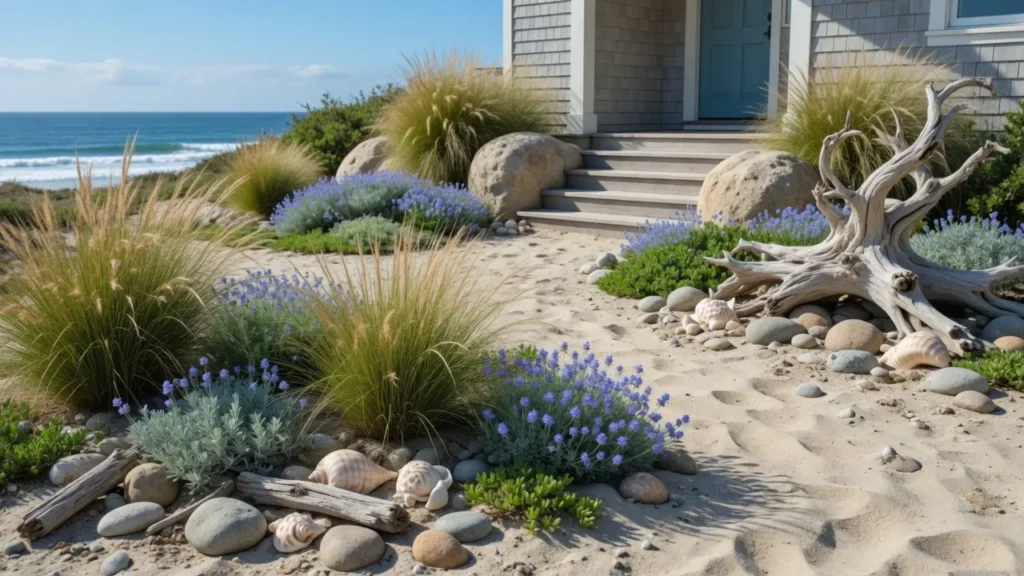
Capture beach vibes in your front yard by incorporating coastal design elements and plants that evoke seaside aesthetics. Use a sandy and neutral colour palette featuring creams, taupe’s, soft grays, and white, accented with blues and soft greens reminiscent of ocean hues. Plant beach grasses, sedges, and other coastal natives that naturally handle wind and sandy conditions. Incorporate driftwood elements, rounded river rocks, and shell accents to reinforce the beach theme. The result is a front yard that feels like a gateway to relaxation, evoking the peaceful, unhurried feelings associated with coastal living regardless of your actual geographic location.
Arrange plantings in flowing, organic patterns rather than rigid geometric designs, mimicking natural beach vegetation. Select plants adapted to windy, sandy conditions—these often feature silvery or blue-Gray foliage that harmonies beautifully with the coastal colour palette. Incorporate tactile elements like driftwood sculptures or interesting rock formations that invite closer inspection and exploration. Water features like fountains or small ponds can reference ocean waves, adding sensory appeal through sound. Lighting is particularly effective in coastal landscapes, with uplifting on focal plants creating magical evening displays. This style celebrates relaxation and natural beauty while requiring minimal maintenance from drought-tolerant, wind-adapted plants.
17. Rainbow Flower Border:
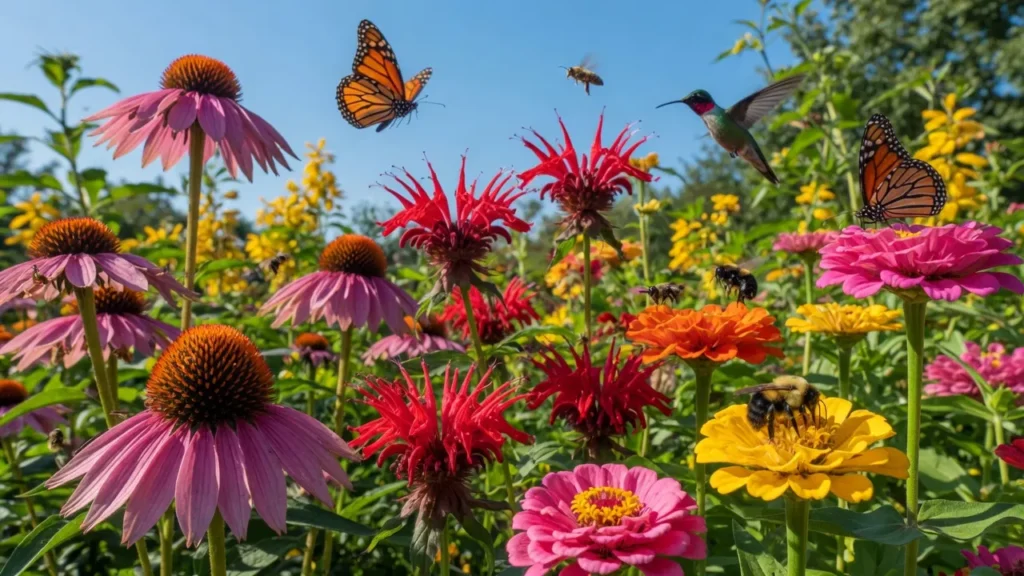
Create an artist’s garden with a rainbow flower border that celebrates bold colour in sophisticated arrangements. Arrange flowers in spectral order—red salvia transitioning to orange marigolds, yellow zinnias, blue bachelor’s buttons, purple petunias—creating a visually stunning gradient effect. Rainbow borders require thoughtful plant selection to ensure continuous blooms throughout the season while maintaining colour harmony. This playful approach to landscaping appeals to those seeking bold self-expression through their outdoor spaces, creating genuinely Instagram-worthy displays that generate neighbourhood conversations.
Design your rainbow border by first mapping your colour progression and selecting plants that bloom simultaneously within each colour range. Consider bloom size, height, and texture to create dynamic interest within the colour-coordinated framework. Blue flowers are particularly valuable in rainbow designs, as they’re less common in garden centres but essential for completing the spectrum. Incorporate foliage plants in complementary tones—silvery-Gray dusty miller with cool tones, golden foliage with warm colours. Succession planting with staggered timing ensures your rainbow maintains its brilliance throughout the growing season. The result is a joyful, artistic landscape that celebrates colour confidence and provides endless opportunities for beautiful photography.
18. Formal Rose Garden:
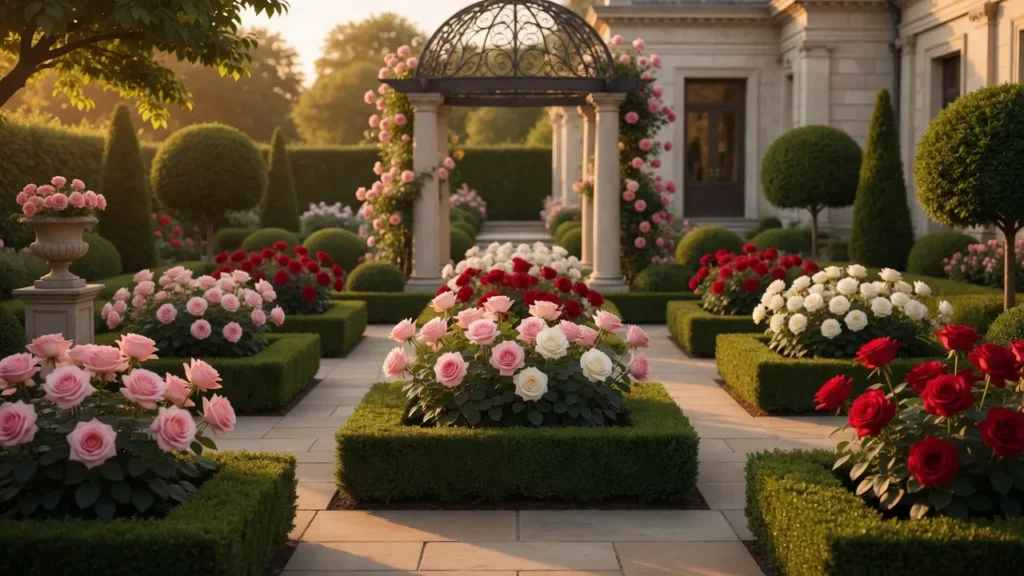
Create timeless elegance with a formal rose garden that celebrates the queen of flowers in structured, sophisticated arrangements. Select disease-resistant rose varieties bred for full sun performance and arrange them in symmetrical patterns—perhaps linear beds flanking a central pathway or concentric circles around a central focal point. Formal rose gardens emphasise structure, symmetry, and meticulous maintenance, creating landscapes that feel like outdoor rooms designed for beauty and contemplation. Roses in classic colours—deep reds, soft pinks, pristine whites, and creamy yellows—provide sophisticated color palettes that elevate entire properties through their inherent elegance.
Successful rose gardening in full sun requires well-amended, well-draining soil rich in organic matter, strategic watering, careful deadheading, and regular feeding throughout the growing season. Select disease-resistant varieties specifically bred for landscape use rather than finicky hybrid tea roses requiring constant attention. Incorporate supporting elements like pergolas, rose arbours, or formal hedging to enhance the structured aesthetic. Under-planting roses with complementary perennials or ground-covers creates layered interest while disguising bare rose stems. The investment in time and attention roses require rewards you with blooms of unmatched beauty and fragrance, creating landscapes that feel like European estates. This classic approach to landscaping celebrates tradition and timeless beauty.
19. Xeriscape Desert Oasis:
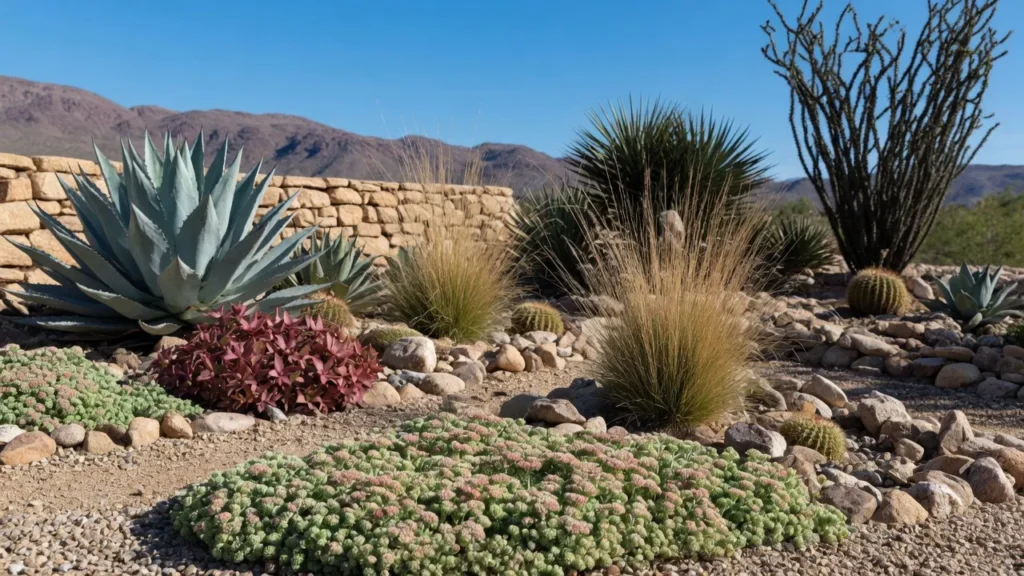
Design a beautiful, water-wise landscape using xeriscape principles that minimise irrigation while maximising visual impact. Combine drought-tolerant plants like agave’s, sedums, yuccas, and ornamental grasses with well-chosen landscape elements in complementary colours. Xeriscaping reduces environmental impact while lowering maintenance and utility costs—particularly valuable in water-scarce regions or for environmentally conscious homeowners. The diverse textures and forms of drought-tolerant plants create visually interesting landscapes that remain beautiful throughout extended dry periods without supplemental watering once established.
Prepare your xeriscape garden with excellent drainage through amended soil, mulch with gravel or decorative rock to reduce water loss and regulate soil temperature, and space plants appropriately to reduce competition. Choose plants native to arid regions or adapted to dry conditions, grouping them by water needs to ensure efficient irrigation. Create focal points using sculptural specimen plants or strategic rock placement, and establish clear landscape pathways for accessibility. The beauty of xeriscape design lies in its honest celebration of natural materials—stone, gravel, and the architectural forms of drought-tolerant plants—creating landscapes that feel authentic to their environment. This approach combines environmental responsibility with aesthetic sophistication.
20. Vibrant Tropical Blooms Collection:
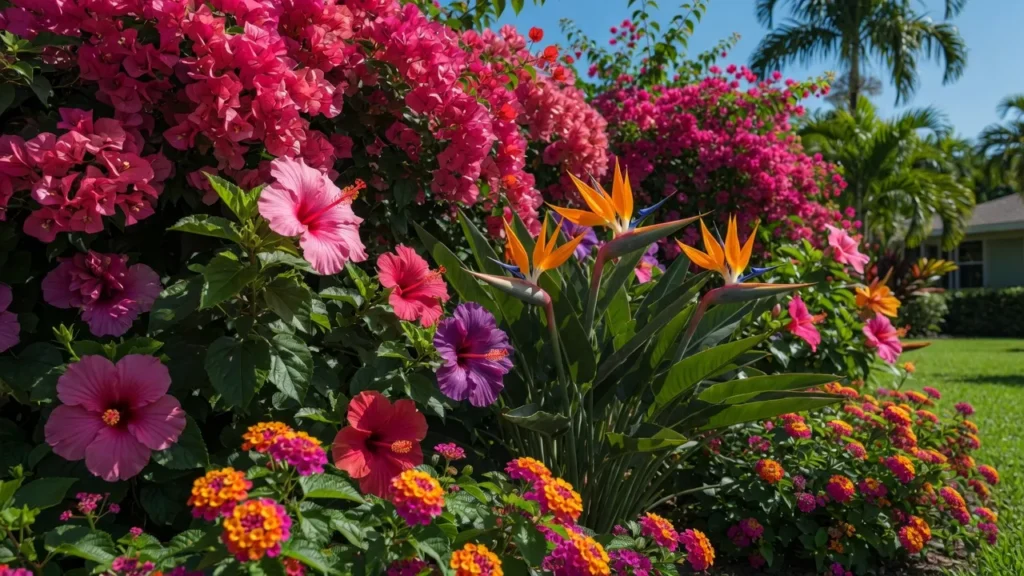
Celebrate the most vibrant flowers nature produces with a tropical blooms collection featuring plants prizes for their bold, dramatic flowers. Select flowering tropical plants like hibiscus, bougainvillea, lantana, bird of paradise, and Mandalay that thrive in full sun and produce abundant blossoms throughout warm seasons. These plants create visual spectacles with their sheer flower production and intensely saturated colours—deep magenta, brilliant oranges, sunny yellows, and rich purples. Tropical bloom gardens feel luxurious and special, creating vacation-like atmospheres that provide daily psychological boosts through their sheer exuberance.
Layer tropical bloom plants at varying heights to create a jungle-like effect, combining tall specimen plants with mid-height shrubs and lower accent plantings. These plants typically require regular feeding during growing season to maintain prolific blooming—select fertilisers formulated for flowering plants to maximise bloom production. Many tropical bloomers benefit from regular pruning to maintain shape and encourage branching and flowering. Combine blooming plants with dramatic foliage plants like crotons or canvas to add textural interest when plants aren’t flowering. The result is a dynamic, colourful landscape that evolves throughout the season as different plants reach peak bloom. For those in cooler climates, container culture allows temporary tropical gardens that thrill during warm months.
FAQs:
Q: What qualifies as “full sun” for landscaping purposes?
Full sun typically means six or more hours of direct, unobstructed sunlight daily. Most flowering plants, vegetables, and sun-loving ornamental plants require this minimum light level to thrive and produce abundant blooms. If your front yard receives this amount of sun, you have excellent options for beautiful landscaping.
How do I prepare soil for full sun landscaping?
Begin by testing your soil to understand its composition, pH, and nutrient levels. Most full sun plants prefer well-draining soil; if you have heavy clay, amend with compost, peat moss, or other organic matter to improve drainage. For drought-tolerant plants, ensure excellent drainage; for traditional perennials and annuals, incorporate organic matter to improve water retention while maintaining drainage. Add a 2-3 inch layer of quality mulch to regulate soil temperature and conserve moisture.
What’s the best time to plant a full sun landscape?
Spring and fall are ideal planting seasons when plants establish roots without heat stress. Spring planting allows summer growth for establishment before winter, while fall planting allows root development through winter. Avoid planting during peak summer heat unless you can water extremely frequently. Perennials and shrubs in spring or fall have significantly better establishment rates than summer-planted specimens.
How often should I water a full sun landscape?
This varies by plant selection. Established drought-tolerant plants may need water only during extended dry periods, while annual flowers and traditional perennials require consistent moisture during growing season. Check soil moisture 2-3 inches deep; water when dry. Generally, deep watering 2-3 times weekly is better than shallow daily watering, encouraging strong root development. Once established, many full sun plants thrive with minimal supplemental water.
Can I use containers in full sun landscapes?
Absolutely! Containers thrive in full sun settings. Ensure they have drainage holes, use quality potting soil rather than garden soil, and water frequently since containers dry quickly in intense sun. Choose larger containers that hold more moisture, and group them together to create micro-climates that reduce evaporation. Containers provide flexibility for changing designs seasonally or accommodating plants with specific light requirements.
Conclusion
Your full sun front yard isn’t a landscaping challenge—it’s a spectacular opportunity to create truly stunning outdoor spaces that showcase your personal style while thriving in abundant natural light. Whether you’re drawn to vibrant annual flowers, low-maintenance succulents, ecologically responsible native plantings, or artistic contemporary designs, full sun locations offer boundless possibilities for beautiful landscaping.
The ideas presented in this guide represent just a fraction of the possibilities available. The most successful landscapes combine elements that resonate with your personal aesthetics, align with your maintenance preferences, and reflect your values regarding environmental stewardship. Perhaps you’ll merge ideas—combining elements of a pollinator garden with the structure of formal design, or blending Mediterranean herbs with native wildflowers.