
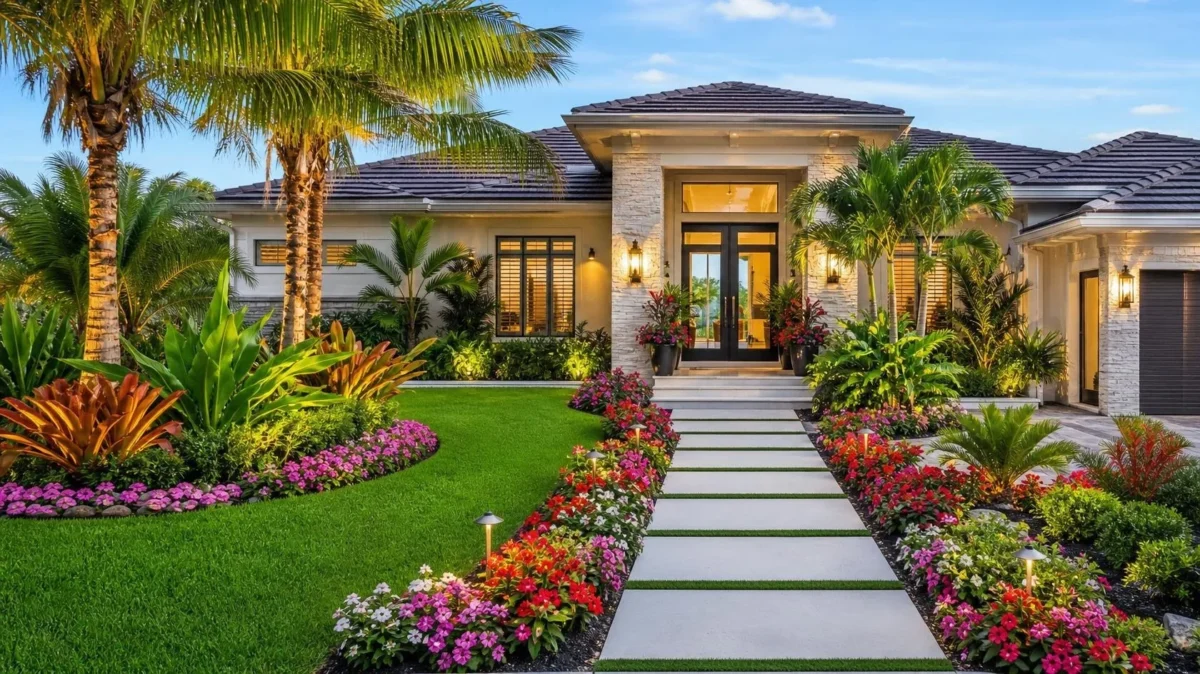
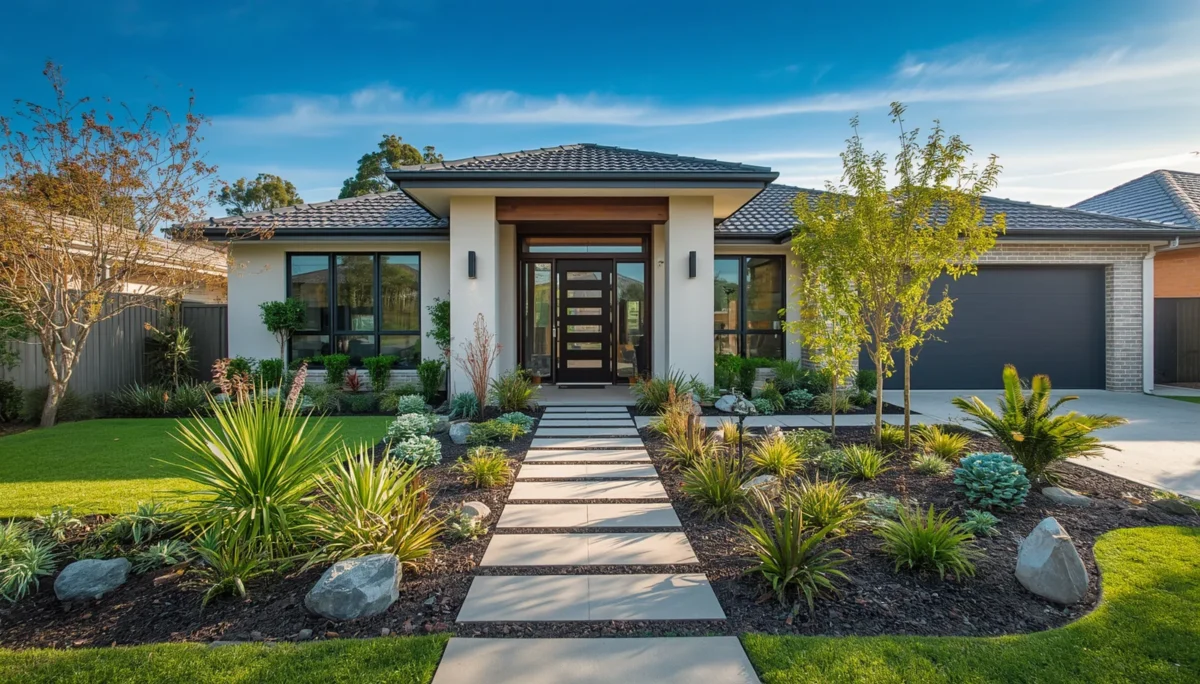

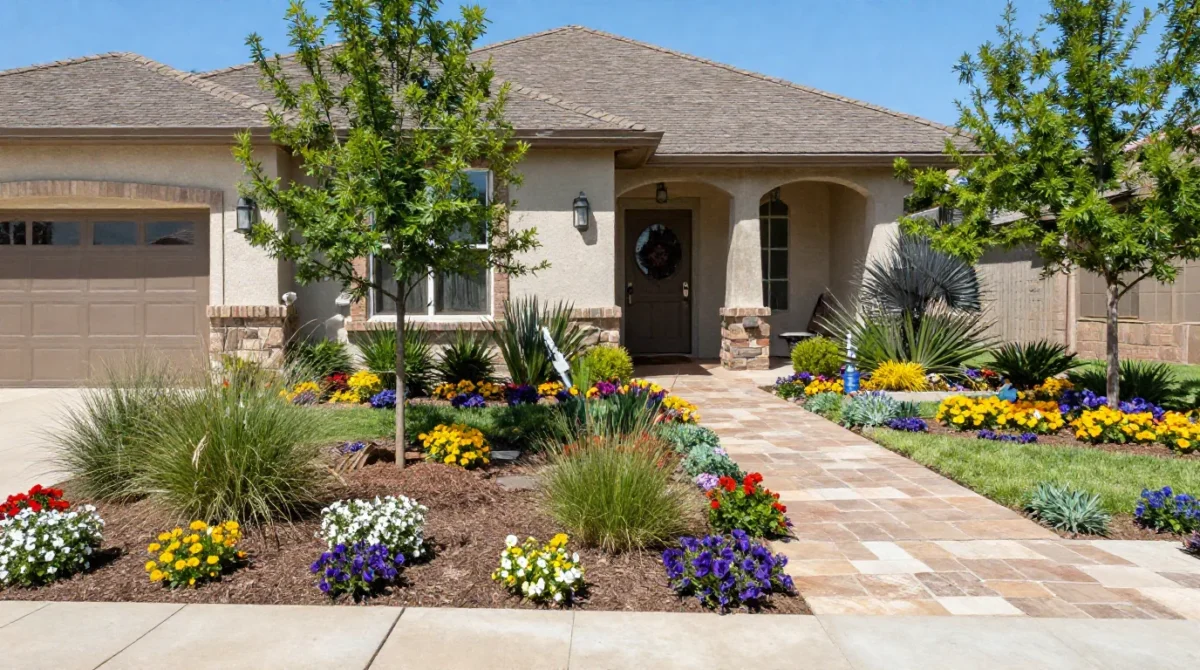
Welcome to the ultimate guide for transforming your Texas front yard into a breathtaking outdoor oasis! Whether you’re battling the intense Texas heat, managing rocky soil, or simply looking to boost your home’s curb appeal, this comprehensive guide has you covered. Texas landscaping presents unique challenges and incredible opportunities, from working with native plants that thrive in our climate to creating stunning periscopes that require minimal water. Let’s dive into the world of Texan landscaping and discover how you can create a front yard that truly reflects the beauty and character of the Lone Star State.
1. Showcase Native Texas Plants:
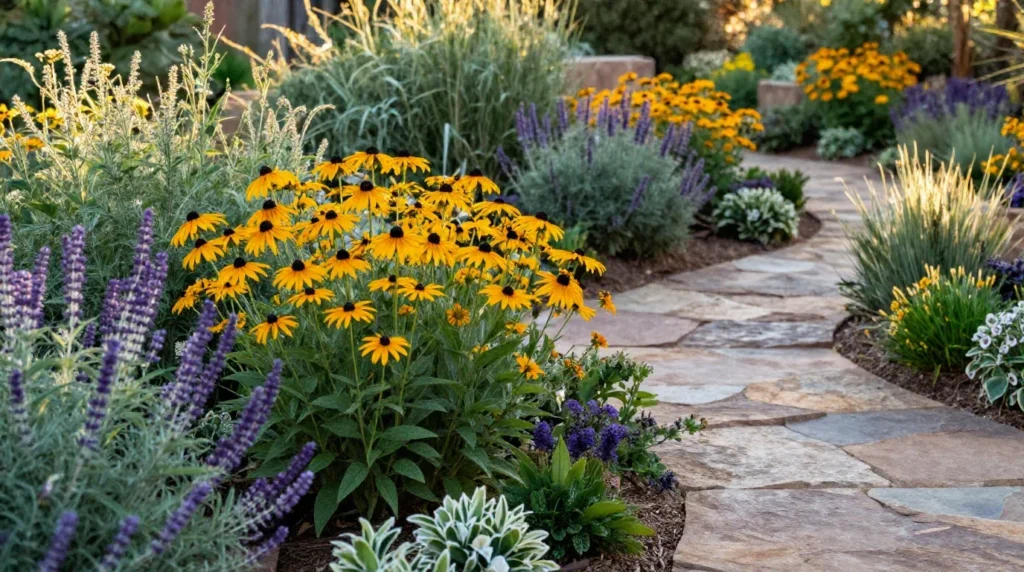
Native Texas plants are the foundation of any successful landscaping project in this region. These plants have evolved over centuries to thrive in Texas climate conditions, requiring less water, fertiliser, and maintenance than non-native species. By incorporating plants like Texas sage, esperanza, lantana, and coreopsis, you create a landscape that feels authentic to the region while supporting local pollinators and wildlife. These plants showcase gorgeous blooms in warm Texas tones like reds, oranges, and yellows that perfectly complement natural stone and architectural features of homes.
Native plants offer not only environmental benefits but also substantial economic advantages for homeowners. You’ll notice dramatically reduced water bills, minimal pest problems, and decreased maintenance requirements throughout the year. Texas native plants are naturally adapted to our intense summer heat and occasional freezing winters, meaning they bounce back quickly after harsh weather. The natural colour palette of native Texas blooms creates sophisticated, layered landscapes that look effortlessly beautiful and require far less effort than traditional ornamental gardens.
2. Design a Water-Wise Xeriscaped Front Yard:
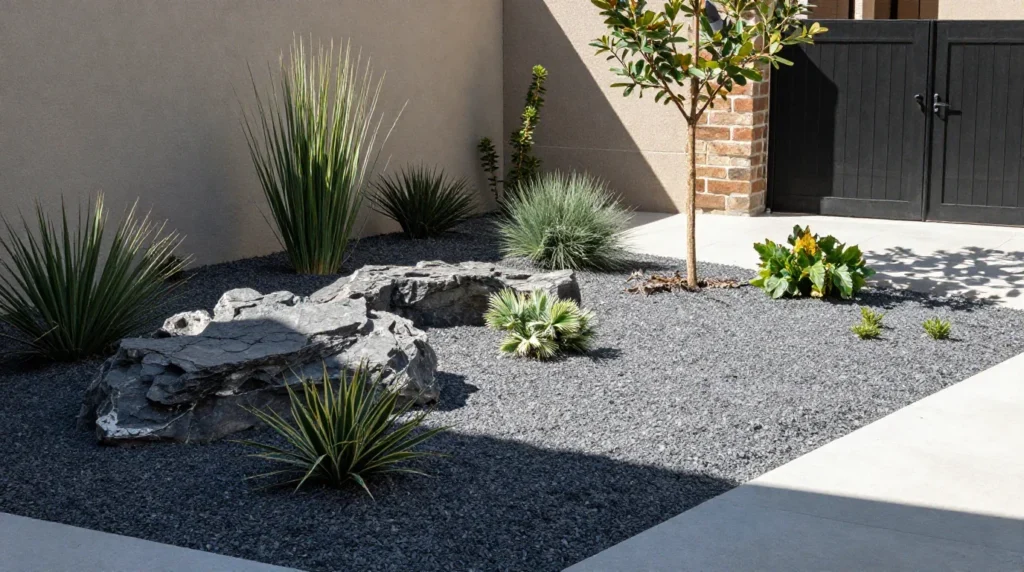
Xeriscaping is an innovative landscaping philosophy designed to reduce water consumption while maintaining visual appeal and functionality. This approach involves careful plant selection, smart grouping of plants with similar water needs, and strategic use of landscaping materials like rock, gravel, and permeable pavers. A well-designed xeriscape front yard can reduce water usage by up to 50 percent compared to traditional landscaping while creating a modern, sophisticated aesthetic that thrives in Texas’s dry climate. The key is understanding that water-wise doesn’t mean colourless or boring.
Creating a beautiful xeriscape involves layering textures and colours through careful material selection and plant arrangement. You can incorporate focal points like sculptural plants, decorative rocks, and artistic landscape elements that draw the eye and create visual interest without requiring regular watering. Xeriscaping transforms the challenge of Texas heat and limited water into an opportunity for creative, sustainable landscaping that’s both economical and environmentally responsible. Your front yard becomes a testament to smart design choices and resource conservation.
3. Create a Stunning Rock Garden Landscape:
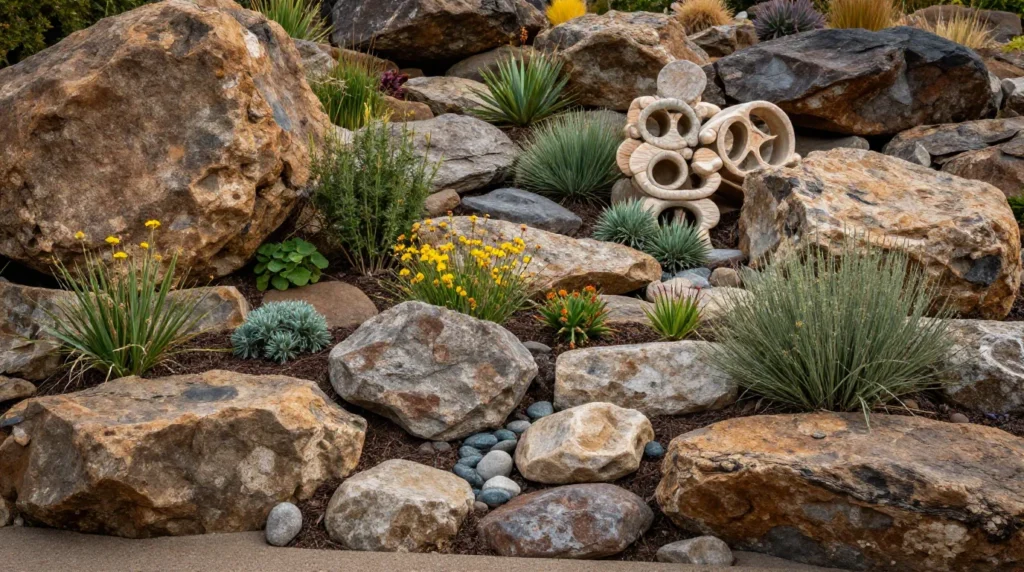
Rock gardens bring a natural, rugged beauty to Texas front yards while providing excellent drainage and heat retention for sun-loving plants. Large boulders and carefully arranged stones create visual interest and permanent structure to your landscape design. Rock gardens work beautifully in Texas because rocks absorb and reflect the intense heat, creating ideal conditions for heat-loving succulents, native shrubs, and flowering plants. The geological character of using rocks connects your landscape to the natural Texas landscape and requires minimal ongoing maintenance.
Beyond aesthetic appeal, rock gardens serve practical purposes in Texas yards. Rocks act as natural mulch, suppressing weeds while reducing water evaporation from soil. They create excellent drainage for areas that might otherwise develop standing water during rare heavy rains. Rock gardens also provide visual texture and dimension that changes throughout the day as light angles shift. The spaces between rocks become perfect pockets for planting native ground-covers, serums, and flowering plants that create a rich tapestry of colour and interest without demanding water-intensive care routines.
4. Permeable Pathways for Function and Beauty:
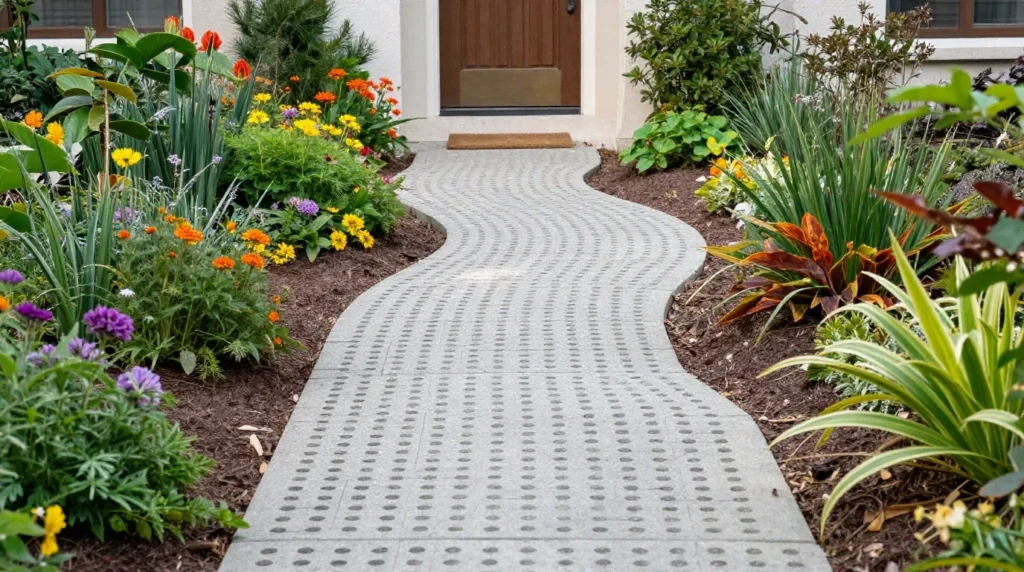
Permeable pathways combine functionality with environmental responsibility while adding elegant structure to your Texas front yard. Unlike traditional concrete or asphalt, permeable materials like porous paves, gravel, and recycled materials allow water to drain naturally through the surface rather than running off into storm drains. These pathways provide practical access to your front door, driveway, or specific garden areas while creating visual lines that organise and define your landscape. Permeable solutions maintain a natural aesthetic that blends beautifully with native plants and rock features.
Choosing permeable pathway materials offers multiple benefits for Texas homeowners. During the intense summer heat, porous materials remain cooler than traditional hard surfaces, creating more comfortable outdoor spaces. Permeable pathways help manage water runoff during rare heavy rains, reducing flooding and erosion in your yard. The variety of materials available, from crushed granite to permeable concrete paves, allows you to choose options that match your landscape’s style and colour scheme. Installation is often simpler and less expensive than pouring concrete, and repairs or modifications can be made easily without major construction projects.
5. Design a Desert-Style Entry Statement:
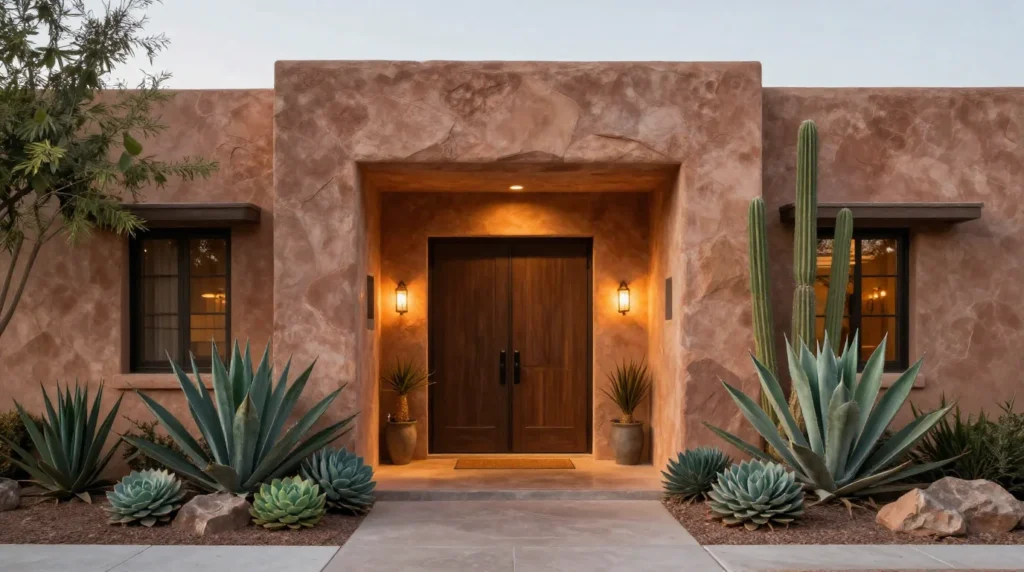
A desert-style entry creates an immediate visual impact that welcomes visitors while establishing your landscape’s design aesthetic. This approach embraces the desert qualities of Texas, using dramatic succulents, architectural plants like agave and yucca, and warm stone elements to create an entrance that’s both striking and appropriate to the climate. Desert-style entries showcase sculptural plant forms, interesting textures, and warm colour palettes that make powerful design statements. Large potted plants can frame your entry doors, while strategically placed plantings create visual guides that lead visitors toward your entrance.
Desert-style entries work particularly well in Texas because they align with the natural landscape character of large portions of the state. You can create drama through plant selection, choosing succulents and architectural plants with interesting shapes, colours, and textures. Stone features, architectural rocks, and even water elements like fountains can enhance the desert aesthetic. The beauty of a desert-style entry is that it requires minimal watering, looks spectacular year-round, and creates an unforgettable first impression that reflects sophisticated landscape design and an understanding of what thrives in Texas.
6. Implement Native Ornamental Grasses:
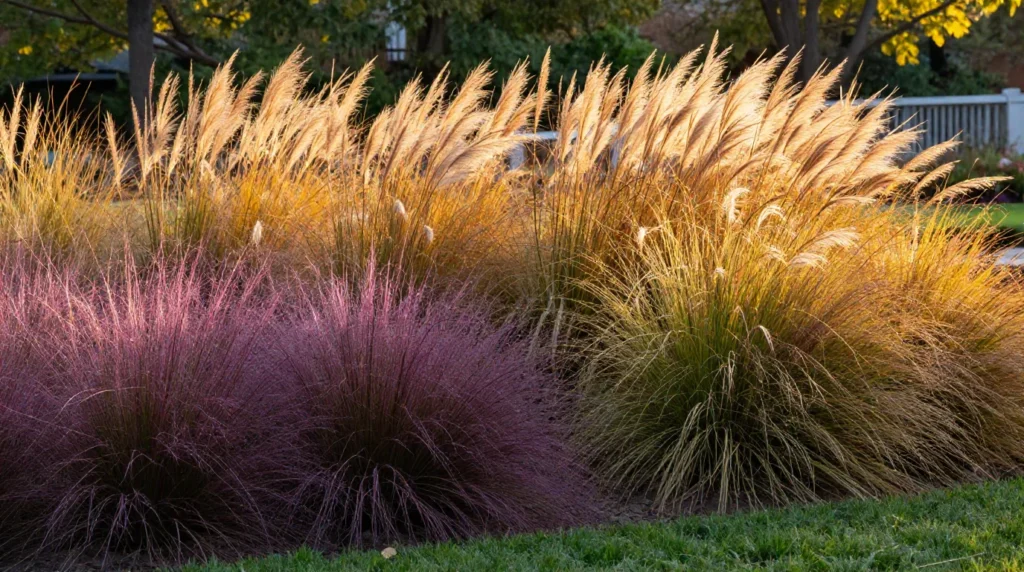
Native ornamental grasses bring movement, texture, and seasonal interest to Texas front yards while requiring minimal maintenance and water. Grasses like Gulf mulishly, little blue-stem, and Alzheimer mulishly create living architecture that waves in the Texas breeze, adding dynamic motion to your landscape. These grasses establish deep root systems that access water unavailable to shallow-rooted plants, making them incredibly drought tolerant. Beyond their practical benefits, ornamental grasses provide visual interest across all seasons, from spring growth through winter’s golden and copper tones. They create natural windbreaks and privacy screens while avoiding the maintenance requirements of traditional hedges.
Incorporating native grasses creates layered landscapes with depth and dimension that change throughout the year. In spring and summer, grasses provide lush green backdrops and textural contrast. As temperatures cool in fall, many Texas native grasses develop stunning warm tones from gold to deep burgundy. Winter grasses remain visually interesting, providing structure and movement even when most other plants are dormant. Ornamental grasses attract beneficial insects and provide habitat for small wildlife. Their ability to thrive with minimal supplemental water, fertiliser, or pest management makes them essential components of sustainable Texas landscaping designs.
7. Develop a Lush Water-Wise Garden Design:
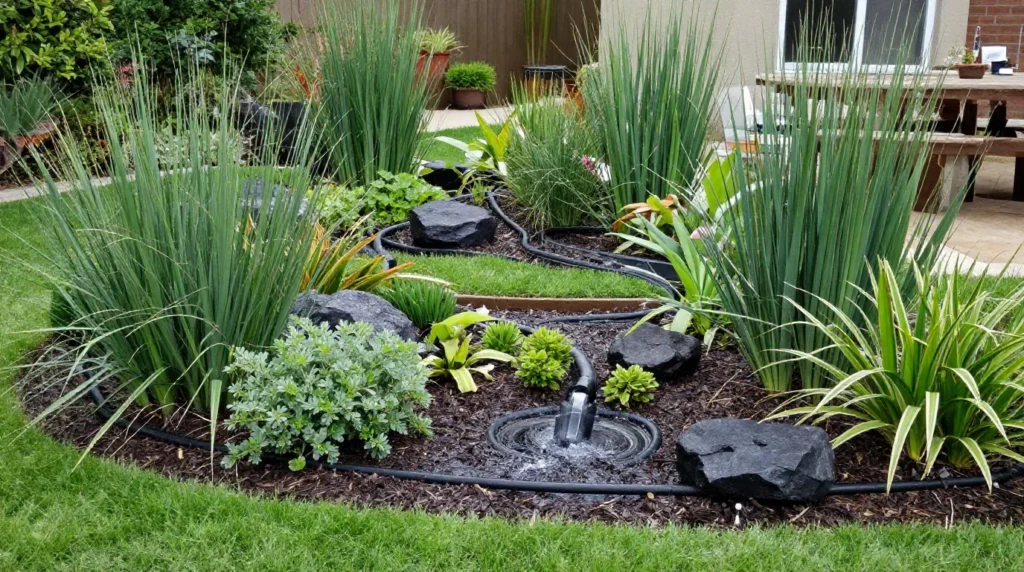
Water-wise garden design combines aesthetic sophistication with environmental responsibility, creating beautiful landscapes that thrive on minimal irrigation. This approach involves grouping plants by water needs, installing efficient irrigation systems, and selecting drought-tolerant species that produce abundant blooms and foliage without excessive watering. A well-designed water-wise garden showcases colour, texture, and visual interest while dramatically reducing your water bill and environmental impact. These gardens prove that sustainable landscaping doesn’t mean sacrificing beauty or abundance.
Creating a truly functional water-wise garden requires understanding your plants’ needs and soil conditions. Drip irrigation systems deliver water directly to plant roots, reducing waste and increasing efficiency compared to traditional sprinklers. Mulching with gravel, wood chips, or native plant material helps retain soil moisture while moderating soil temperatures. Proper soil preparation with compost or organic matter improves water retention in Texas’s often-rocky soils. By combining strategic plant selection, smart irrigation, and mulching, you create landscapes that remain lush and beautiful throughout hot Texas summers while using a fraction of the water required by traditional gardens.
8. Incorporate Texas Limestone Features:
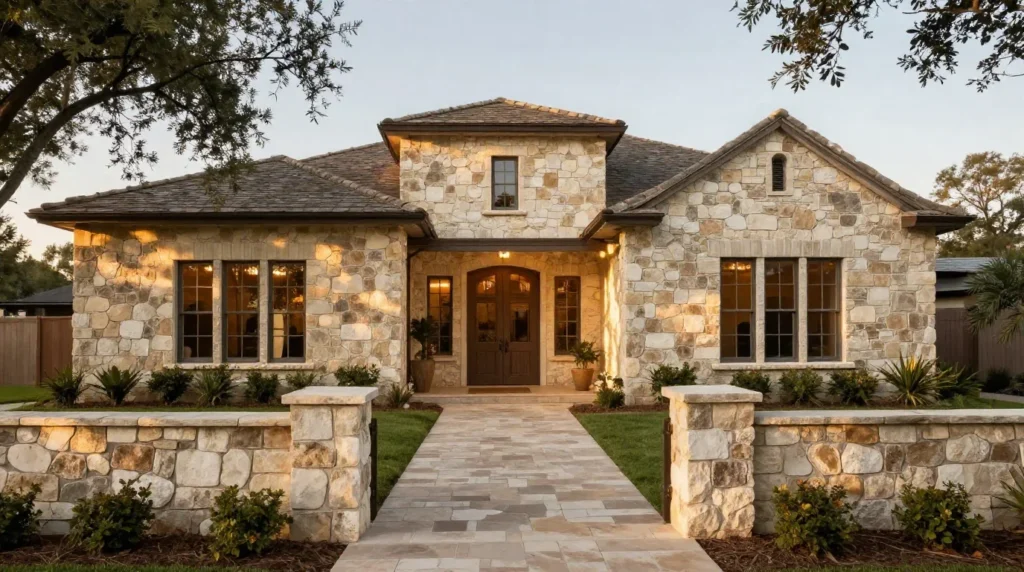
Texas limestone is a natural treasure that brings authentic regional character to front yard landscapes. This distinctive material appears throughout Texas’s natural landscape and creates beautiful landscape elements that reference the region’s geology and heritage. Limestone works beautifully for retaining walls, raised beds, pathway edges, and decorative features. The warm honey and cream tones of Texas limestone complement native plants and create sophisticated, timeless designs. Using locally-sourced limestone supports regional businesses while reducing the environmental impact of material transportation.
Incorporating limestone features adds permanence and structure to landscapes while creating visual connections to the Texas environment. Limestone walls develop beautiful patina over time as lichens and weathering create character and depth. Stacked stone features create rustic appeal, while cut limestone edges provide more refined, contemporary aesthetics depending on your design preferences. Limestone’s durability means these features will last for decades, becoming more beautiful as they age and weather naturally. Combining limestone features with native plantings creates landscapes that feel authentically rooted in the Texas landscape while providing excellent functionality and durability.
9. Spectacular Cactus and Succulent Garden:
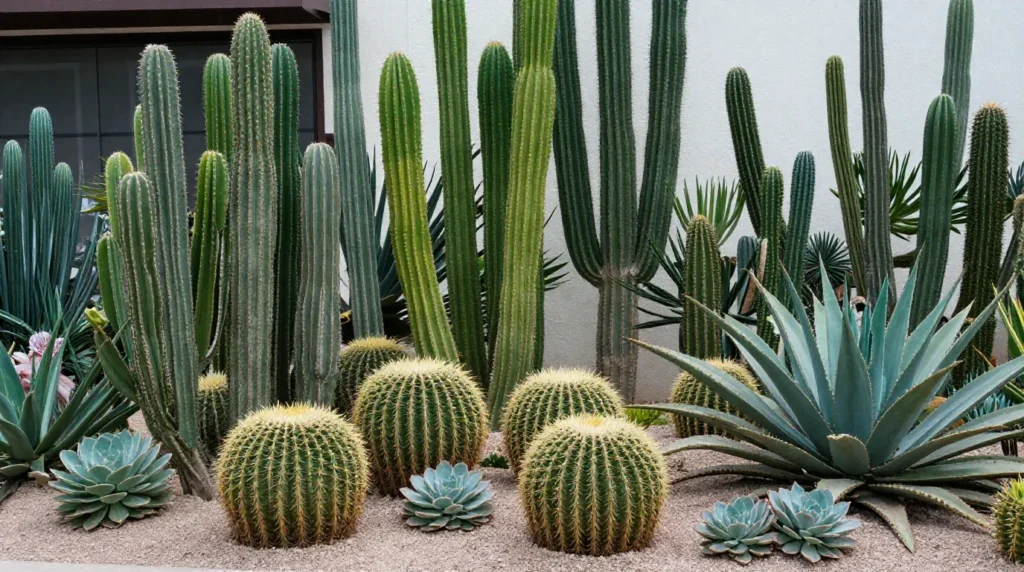
Cactus and succulent gardens celebrate plants perfectly adapted to Texas heat and drought while creating visually dramatic landscapes. These plants offer incredible variety in shapes, sizes, colours, and textures, from globular barrel cacti to tall columnar plants to spreading ground-cover succulents. Succulents store water in their leaves and stems, requiring minimal irrigation once established. A well-designed succulent garden showcases different plant forms, creating visual interest through contrast and repetition. The sculptural quality of these plants creates landscapes that look like living art installations.
Building a successful cactus and succulent garden involves understanding each plant’s requirements and creating appropriate growing conditions. Most succulents require excellent drainage, so incorporating coarse sand, gravel, and porous soil amendments ensures healthy plant development. Arranging plants by size and form creates visual hierarchy and makes your garden more visually appealing. Some succulents produce stunning flowers in spring or early summer, adding colour to your sculptural plantings. These gardens require minimal maintenance once established, no regular pruning, and no fertilising. Your succulent garden becomes a showcase of extraordinary plant diversity that thrives in Texas conditions.
10. Curved Planting Beds for Visual Flow:
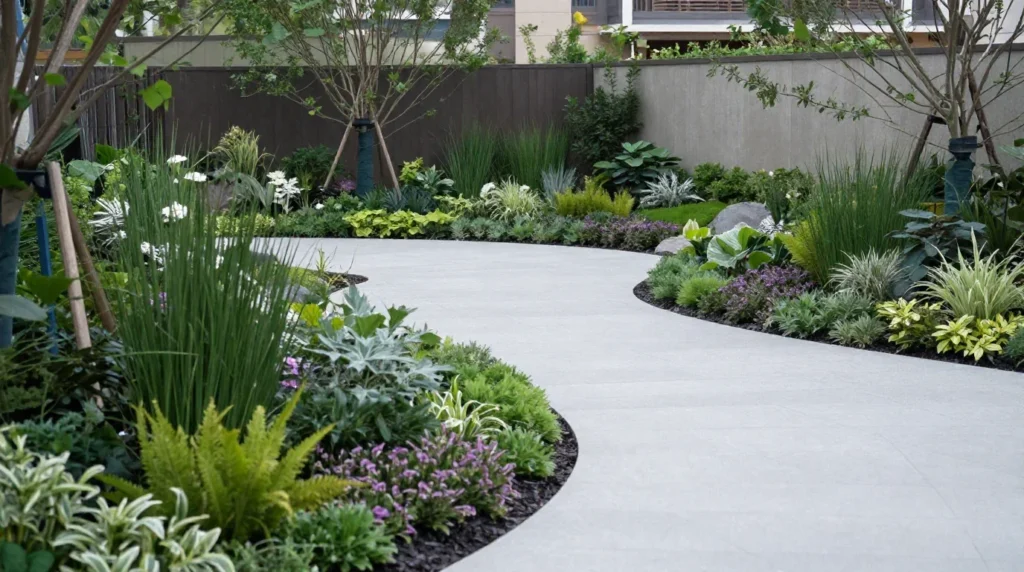
Curved planting beds create visual flow and sophistication compared to rigid, straight edges. Curved lines guide the eye through your landscape, creating a sense of movement and continuity that feels more natural and modern than geometric straight lines. Curved beds accommodate varying plant heights more gracefully, allowing you to layer plants from taller specimens in back to shorter plants in front, creating depth and dimension. The soft, organic quality of curved beds complements natural landscaping philosophies while creating a more dynamic visual appearance.
Designing effective curved beds involves considering sight-lines from your house, street view, and how visitors navigate your property. Curves should feel purposeful rather than random, guiding attention toward focal points like your front entry or architectural features. Curved beds can follow natural topography or create gentle berms and dips that add dimension. Wider curved beds provide room for layered planting schemes with multiple plant heights and types. The flowing lines of curved beds make landscapes look larger and more professionally designed, instantly elevating your home’s curb appeal. Curves can incorporate landscape elements like stone edges or metal borders that enhance the flowing aesthetic.
11. Drought-Tolerant Shrubs as Anchors:
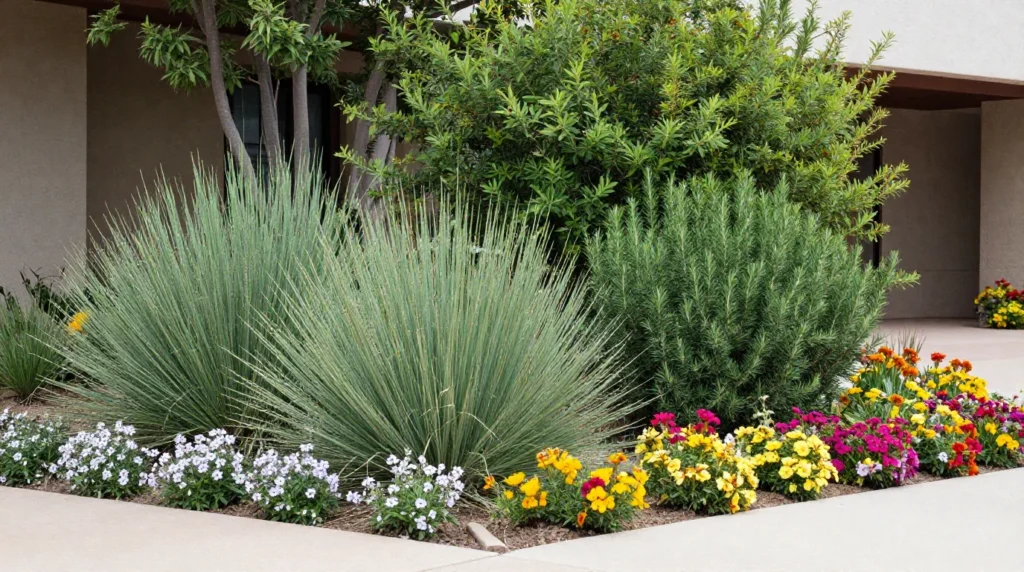
Drought-tolerant shrubs provide structure, year-round presence, and visual anchors for your Texas landscape design. These woody plants establish deep root systems, require minimal supplemental water once established, and provide backbone structure that makes your garden look mature and intentional. Texas-appropriate shrubs include Esperanza, Texas privet, drought-tolerant privets, rosemary, and native selections like Texas ash. Shrubs can be used as specimen plants, grouped for mass effect, or arranged to create living screens and windbreaks. Well-selected shrubs minimise maintenance while providing the framework upon which your landscape design develops.
Establishing healthy shrub plantings requires attention to soil preparation, appropriate spacing, and initial establishment watering. Most shrubs benefit from deep root barriers that encourage downward root growth and reduce supplemental watering needs. Grouping shrubs with similar water needs creates efficient irrigation zones. As shrubs mature, their deep-reaching roots access water unavailable to shallow-rooted plants, creating resilient landscapes. Many Texas shrubs produce beautiful flowers, interesting foliage colours, and attractive winter forms. Strategic shrub placement creates privacy screens, windbreaks, and visual barriers while requiring minimal ongoing maintenance compared to traditional hedge plants.
12. Build Striking Stone Accent Walls:
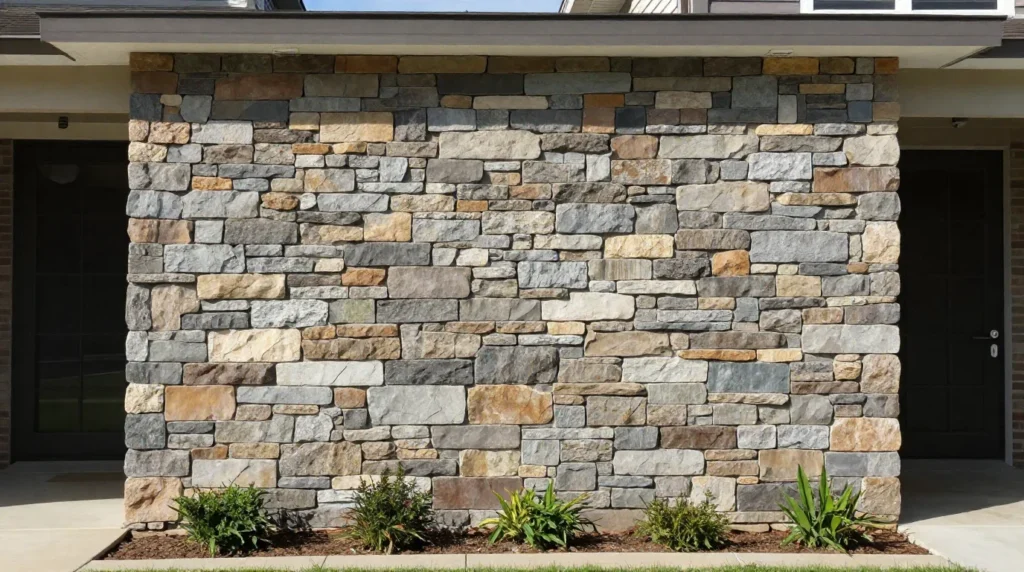
Stone accent walls create dramatic focal points that immediately elevate your landscape’s visual sophistication. These walls can be constructed from stacked Texas limestone, imported accent stone, or locally-sourced materials that connect to your regional aesthetic. Accent walls frame entryways, create privacy screens, or define different garden zones. The vertical emphasis of stone walls draws the eye upward, making properties appear more spacious while adding significant visual weight to landscape designs. Beautifully constructed stone walls become architectural features that command attention and admiration.
Building durable stone walls requires proper foundation preparation, appropriate mortar selection, and skilled construction. Stacked dry walls offer rustic appeal with less technical construction required, while mortared walls provide durability for longer-term installations. Colours and stone sizes should coordinate with your home’s architecture and existing landscape elements. Stone walls can include planting pockets where creeping vines, succulents, or colourful plants soften the stone surface. Lighting can dramatically enhance stone walls, creating interesting shadows and highlighting the textural qualities of individual stones. A well-constructed stone wall becomes a permanent landscape feature that adds tremendous curb appeal and property value.
13. Beautiful Front Porch Appeal Strategy:
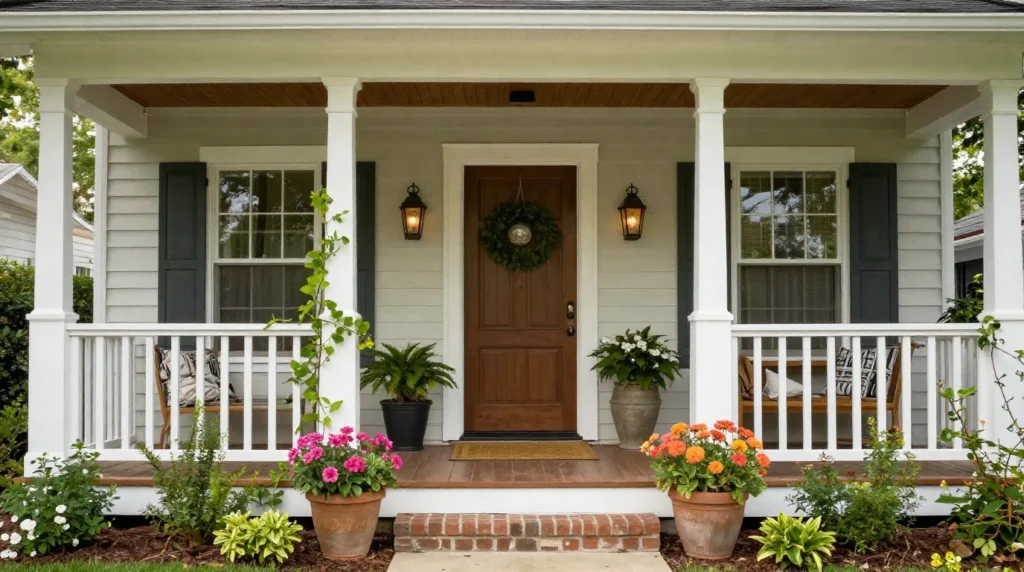
Your front porch is the focal point of your home’s exterior, and strategic landscaping dramatically enhances its appeal. Framing your porch with carefully chosen plantings creates visual balance and draws attention to your entry. Large potted plants can anchor porch corners, while hanging baskets add vertical interest and colour. Climbing vines on porch railings create romantic appeal and soften architectural lines. The area immediately surrounding your porch should feel inviting and well-maintained, as this is the first impression visitors receive.
Creating an appealing porch landscape involves coordinating colours, plant forms, and container styles with your home’s architecture. Container plants offer flexibility, allowing you to change displays seasonally or when plants finish blooming. Choosing plants suitable for your porch’s light conditions ensures healthy, attractive displays. Lighting your porch plantings creates evening ambience and safety while highlighting your landscaping investments. Regularly maintaining porch plantings through deadheading, watering, and seasonal replacements keeps this critical area looking fresh and welcoming. Your front porch landscaping should reflect care and attention to detail, creating inviting spaces that enhance your home’s character.
14. Implement Attractive Gravel Mulch Gardening:
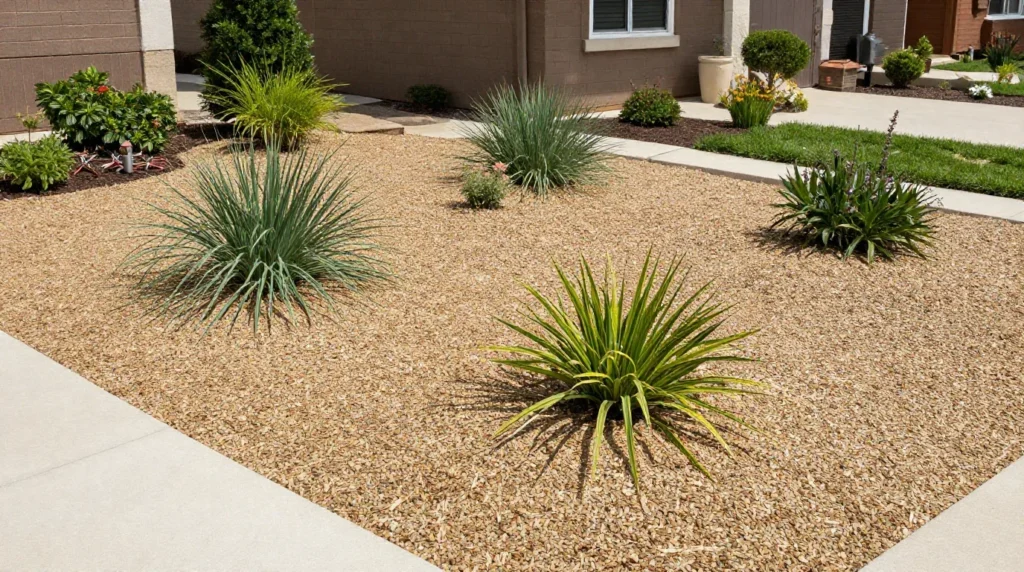
Gravel mulch offers practical and aesthetic benefits for Texas front yards, creating attractive, low-maintenance garden beds. Quality gravel in warm tones like tan, buff, or reddish-brown complements native plants while reflecting the warm, natural colours of the Texas landscape. Gravel suppresses weeds, reduces water evaporation, and moderates soil temperatures, creating ideal conditions for plant growth. Unlike organic mulches that decompose and require regular replacement, quality gravel remains stable and attractive for years. Gravel beds create defined spaces, visually separating planting areas from landscape features.
Preparing beds for gravel mulch involves removing existing vegetation, improving soil quality, and establishing plant installations before applying gravel. Adding landscape fabric beneath gravel provides additional weed suppression without creating drainage problems. Gravel depth of two to three inches provides optimal weed suppression and visual appeal. Occasional gravel raking maintains neat appearances and prevents gravel from becoming compacted or mixed with soil. Choosing gravel colours that complement your home’s exterior and other landscape elements creates cohesive, professional-looking landscapes. Gravel mulch gardens require minimal maintenance while showcasing your plant selections and creating sophisticated, contemporary aesthetics.
15. Native Plantings for Biodiversity and Beauty:
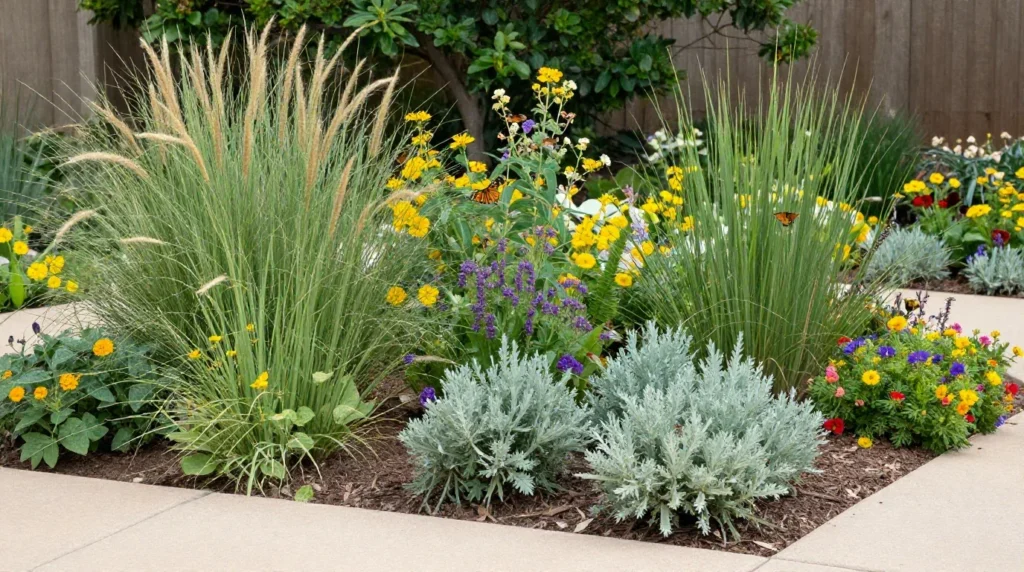
Mixed native plantings create ecologically rich landscapes that support pollinators while providing abundant beauty and visual interest. Combining native shrubs, perennials, ornamental grasses, and ground-covers creates layered plantings with varied blooming times, colours, and textures. This diversity attracts butterflies, bees, birds, and other beneficial wildlife that create living, dynamic gardens. Native plant communities develop complex ecological relationships where plants support each other, creating resilient landscapes requiring minimal intervention. Mixed native plantings are the foundation of sustainable Texas gardening that provides environmental benefits.
Designing mixed native plantings involves understanding plants’ mature sizes, blooming times, and water requirements, then arranging them to create visual interest across all seasons. Layering plants from tall background plants through mid-sized shrubs to low ground-covers creates depth and dimension. Colour combinations should feel intentional, using complementary or harmonious palettes that please the eye. Spacing plants appropriately allows room for mature growth while creating attractive young-garden appearance through temporary companion plantings. Mixed native gardens look fuller and more mature faster than single-plant groupings. Your diverse native plantings become wildlife havens that support beneficial insects while creating beautiful, ever-changing landscapes.
16. Develop Strategic landscape Transitions:
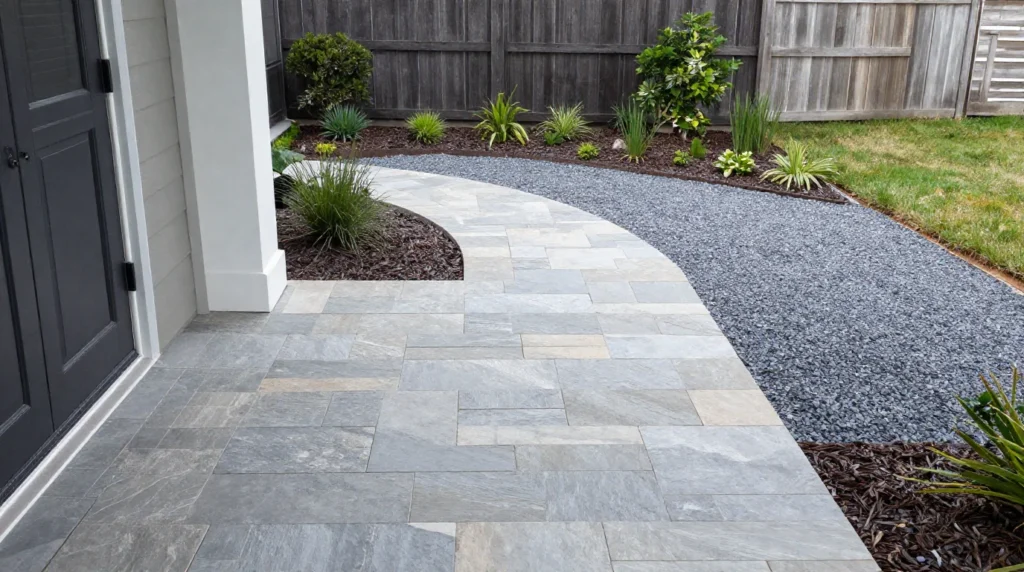
Landscape transitions create visual flow and functionality by strategically connecting different materials and zones in your landscape. Thoughtful transitions from your home’s foundation through landscape features to planted beds create cohesive, professional-looking designs. Materials should flow logically, with each transition serving functional purposes while maintaining visual coherence. Strategic transitions guide foot traffic, define spaces, and prevent jarring visual disconnects between different landscape elements. Well-designed landscape transitions make properties feel intentionally planned and carefully executed.
Creating effective landscape transitions involves considering sight lines, material compatibility, and functional requirements. Transitions might include stepping stones between gravel and grass, pave borders between patio and planting beds, or stone edging defining curves. Materials should complement each other in colour and scale, avoiding random material combinations that appear chaotic. Transitions can incorporate changes in elevation, from raised beds stepping down to grade level or vice versa, creating visual interest and improved drainage. Thoughtful landscape transitions make landscapes flow naturally, appearing intentional and sophisticated. Well-executed transitions enhance your property’s professional appearance and create pleasant, functional outdoor spaces.
17. Raised Planter Beds for Flexibility:
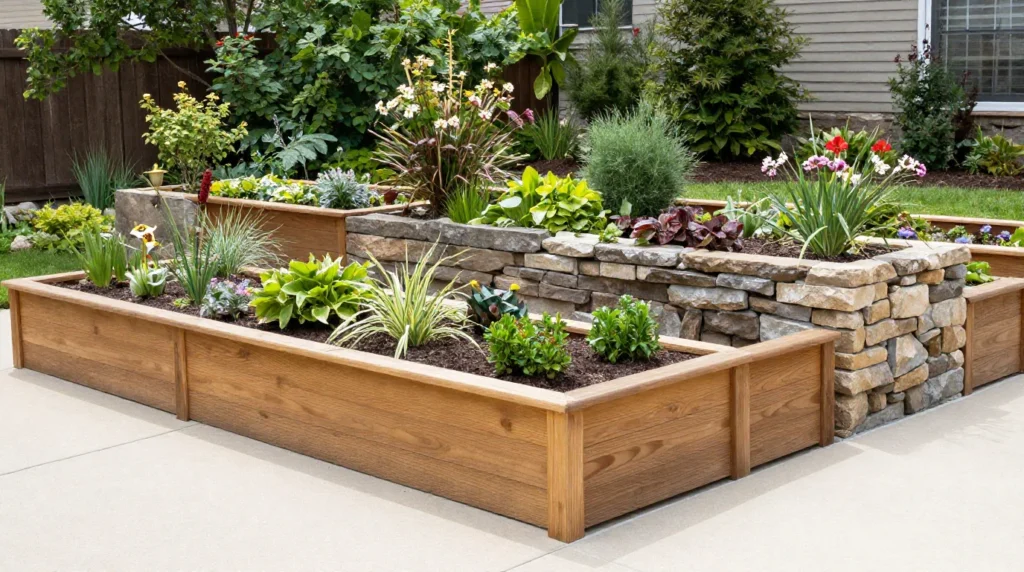
Raised planter beds offer flexibility in soil composition, improved drainage, and accessibility while adding visual dimension to front yards. Building beds from stone, composite materials, or untreated wood creates defined planting spaces with customised soil conditions. Raised beds work beautifully in Texas yards where native soil is rocky or poorly draining, allowing you to create ideal growing conditions for specific plants. Multiple beds at varying heights create visual interest and architectural presence. Raised beds provide accessibility for gardening and maintenance, reducing bending and strain.
Designing raised bed gardens involves selecting materials that coordinate with your landscape’s aesthetic and home’s architecture. Bed heights can range from six inches for ground-covers to two feet for larger plantings. Proper drainage is essential, particularly in Texas where heavy rains occasionally occur. Filling beds with quality soil blended with organic matter creates excellent growing conditions. Raised beds allow you to feature specific plant types, from Texas wildflowers to edible gardens, creating focused planting statements. Multiple raised beds create visual rhythm through repetition while allowing distinct plantings in each bed. Raised beds can incorporate seating edges, making them functional and beautiful elements of your landscape design.
18. Position Shade Trees Strategically for Comfort:
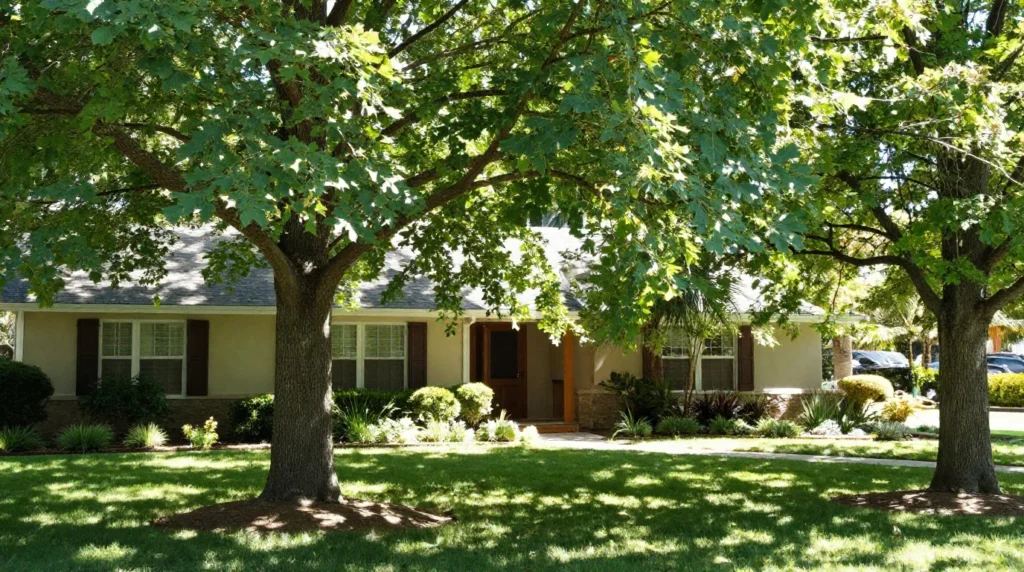
Strategically positioned shade trees provide practical benefits like energy savings and afternoon comfort while creating architectural framework for your landscape. Native Texas trees like live oaks, cedar elms, and Texas ash provide dense shade without requiring excessive water or maintenance. Shade trees modify micro-climates, allowing you to grow shade-tolerant plants in areas that might otherwise receive full sun. Mature tree canopies create visual softness that balances architectural lines of homes and landscape features. Trees establish presence and maturity that make landscapes feel established and permanent.
Selecting appropriate shade trees for Texas involves considering mature size, root characteristics, and environmental impacts. Trees should coordinate with available space, avoiding placement that interferes with utilities or future renovations. Native shade trees develop deep root systems that stabilise soil and access deep water sources, reducing supplemental irrigation needs once established. Young tree establishment requires attention to mulching, initial watering, and protection from herbicides, but mature trees provide decades of benefits with minimal maintenance. Strategically placed shade trees reduce summer heat on your home, lowering air conditioning costs. Tree canopies create rooms within your landscape, defining spaces and creating layered visual interest.
19. Embrace Rustic Texas Landscape Character:
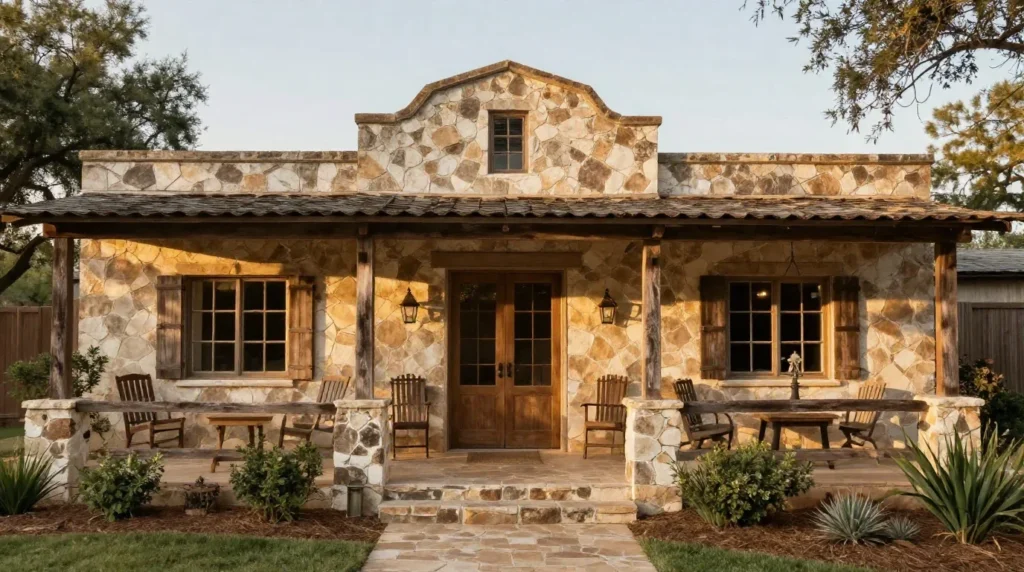
Rustic Texas landscaping embraces the authentic character of the Lone Star State, celebrating natural materials, native plants, and designs that reflect regional heritage. This approach incorporates rough-hon stone, weathered wood, and natural finishes that develop beautiful patina over time. Rustic designs feel comfortable and welcoming rather than formal or manicured, creating landscapes that reflect Texas’s laid-back elegance. Native plants thrive in rustic designs, their natural forms and authentic presence creating coherent visual statements. Rustic Texas landscaping celebrates the region’s personality and natural character.
Creating rustic Texas landscapes involves selecting materials and plants with authentic regional connections. Native stone, local timber, and regionally-appropriate plants create designs that feel rooted in place. Design elements should feel comfortable and functional rather than overly refined or contemporary. Weathering and patina are embraced rather than hidden, creating beauty that deepens over time. Rustic landscaping often incorporates practical elements like seating areas, conversation nooks, and accessible pathways. The resulting landscapes feel authentic and welcoming, inviting enjoyment rather than formal admiration. Rustic Texas designs celebrate the region’s natural beauty and cultural character, creating timeless landscapes that never feel dated or trendy.
20. Create a Modern Minimalist Front Yard:
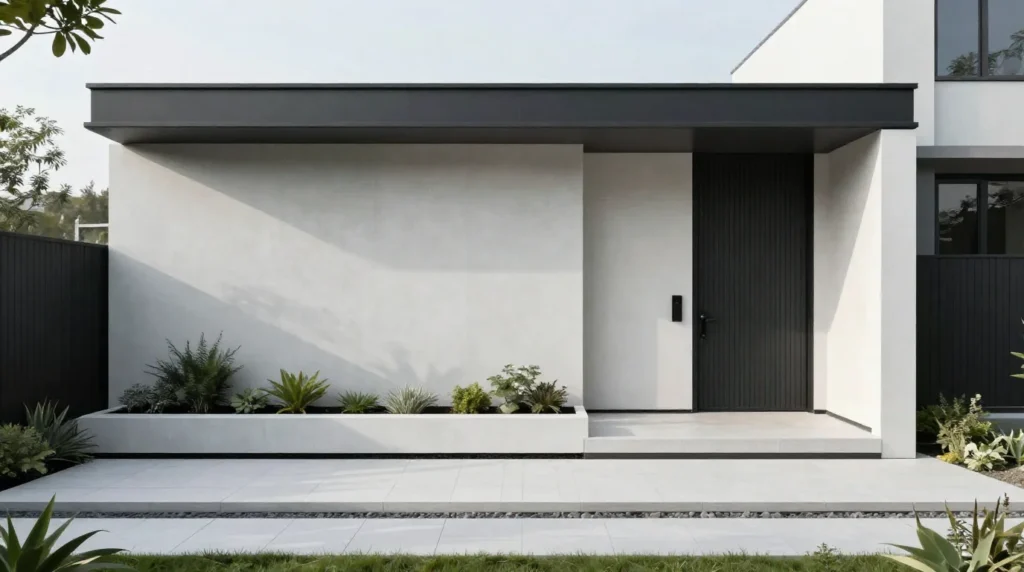
Modern minimalist landscaping strips away excess, focusing on clean lines, refined material selection, and thoughtful plant choices that create impact through restraint. This approach emphasises quality over quantity, selecting plants and materials for their visual strength and architectural presence. Minimalist designs often feature limited plant palettes, allowing individual plants to command attention through sculptural form or striking colour. Landscape elements are refined and purposeful, avoiding decorative clutter. Contemporary aesthetics create sophisticated, timeless designs that complement modern home architecture.
Designing successful minimalist landscapes requires careful material selection and precise execution. Every element should serve functional or aesthetic purposes, with nothing included purely for decoration. Plant selections might include single specimen plants, architectural succulents, or grasses chosen for their forms rather than abundant blooms. Landscape materials should be refined, high-quality, and carefully detailed. Negative space is embraced, creating breathing room that makes landscapes feel more spacious. Colour palettes are often neutral or monochromatic, creating sophisticated visual cohesion. Minimalist landscaping requires excellent maintenance to preserve sharp lines and intentional appearances, but the resulting designs showcase refined aesthetics and contemporary elegance.
FAQ’s:
Q: What are the best plants for full-sun Texas front yards?
A: Excellent full-sun options include Esperanza, Atlanta, native grasses like Gulf mulishly, Texas sage, osteoporosis, and drought-tolerant shrubs like rosemary. These plants thrive in intense Texas heat and require minimal water once established. Succulents and cacti are also exceptional choices for full-sun conditions.
Q: How often should I water newly planted shrubs and trees?
A: New plantings require consistent moisture for the first growing season to establish deep root systems. Water deeply 2-3 times weekly during growing season, reducing frequency as plants mature. After the first year, most native Texas plants require supplemental water only during extreme heat or drought periods.
Q: What’s the best time to plant in Texas?
A: Fall (October through November) is ideal for planting in most of Texas, as cooling temperatures and occasional rain encourage root development. Spring planting also works well, though plants must establish before intense summer heat arrives. Avoid planting during peak summer heat or winter freeze periods.
Q: How can I improve rocky Texas soil for landscaping?
A: Incorporate 3-4 inches of quality compost or aged organic matter into planting beds, working amendments 8-12 inches deep. Mulching with gravel, wood chips, or other organic materials improves soil structure over time. Building raised beds provides complete control over soil composition.
Q: What landscape materials work best in Texas landscapes?
A: Texas limestone offers authentic regional character and durability. Permeable paves reduce water runoff while providing functional surfaces. Gravel in warm tones complements native plants and provides excellent drainage. Composite materials offer maintenance-free alternatives to wood.
Conclusion:
Transforming your Texas front yard into a stunning landscape doesn’t require sacrificing sustainability or overwhelming yourself with complicated maintenance routines. The ideas presented throughout this comprehensive guide demonstrate that beautiful, impressive Texas landscaping aligns perfectly with environmental responsibility, practical functionality, and respect for regional character. From native plant selections that thrive in your climate to strategic landscape choices that create sophisticated focal points, each element contributes to landscapes that reflect both natural Texas beauty and your personal design preferences.