
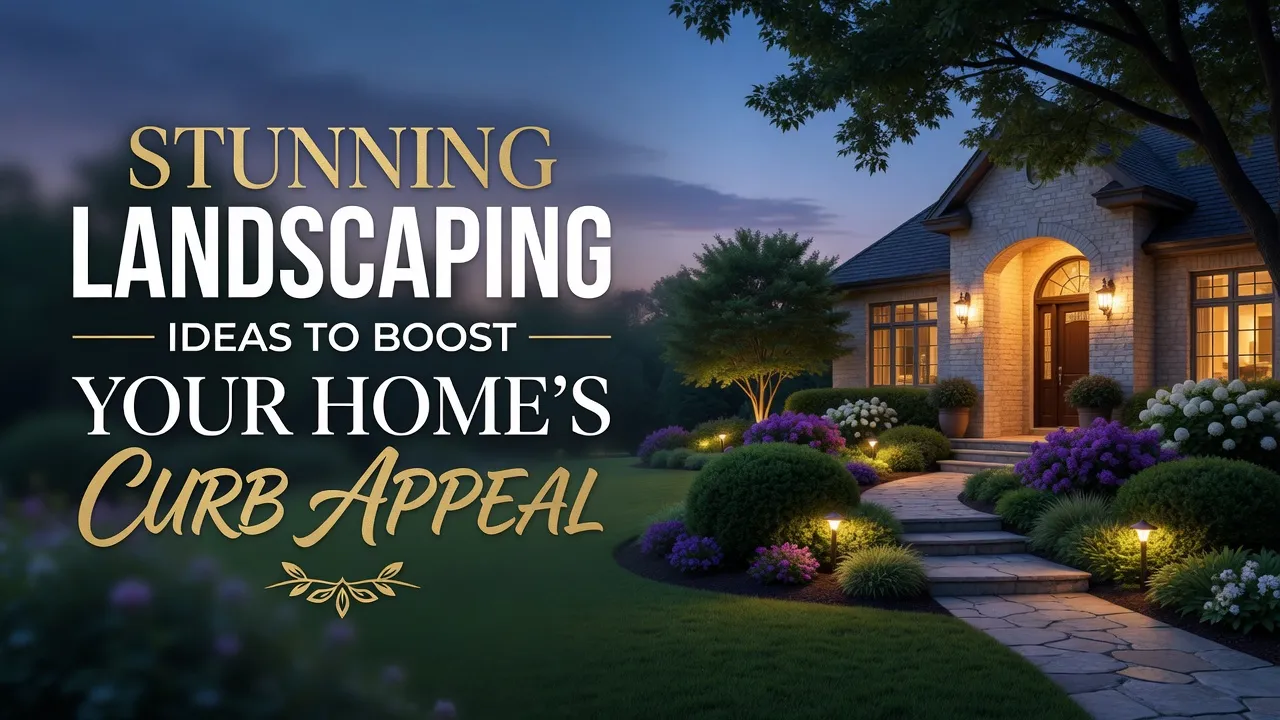
Your front yard is the first impression visitors have of your home, and in the Midwest, you have a unique opportunity to showcase landscaping that not only looks beautiful but also thrives in the region’s distinct four seasons. Whether you’re dealing with harsh winters, humid summers, or unpredictable spring weather, the right landscaping choices can transform your outdoor space into a stunning focal point that adds significant value to your property.
1. Native Prairie Grasses and Wildflower Mix:
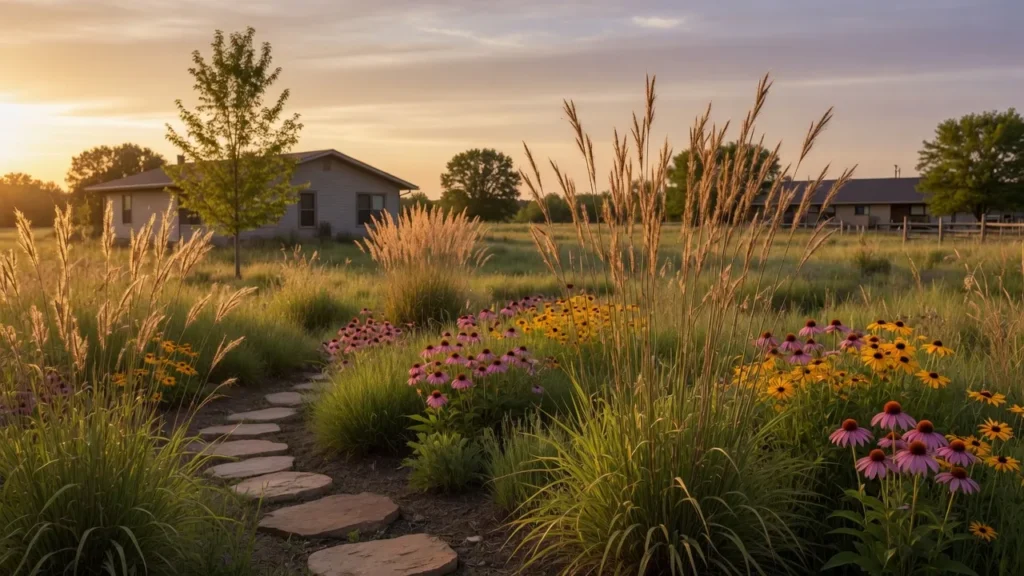
Native prairie grasses create an authentic, low-maintenance front yard that celebrates the natural heritage of the Midwest. Plants like big blue-stem, switch grass, and Indian grass provide stunning visual texture throughout the year, with vibrant fall colours that transition beautifully into winter. These hardy perennials require minimal water once established, making them perfect for Eco-conscious homeowners. The combination of grasses creates movement and sound in your landscape, adding a dynamic sensory experience that traditional lawn cannot match.
Pairing prairie grasses with native wildflowers like purple coneflowers, black-eyed Susans, and blazing star creates a pollinator paradise that attracts butterflies and bees throughout the growing season. This approach not only enhances your yard’s visual appeal with waves of colour but also supports local ecosystems and contributes to environmental conservation. The naturalistic appearance fits seamlessly with modern and traditional home styles, offering a sophisticated alternative to manicured lawns.
2. Stone Pathways with Hostas and Shade Plants:
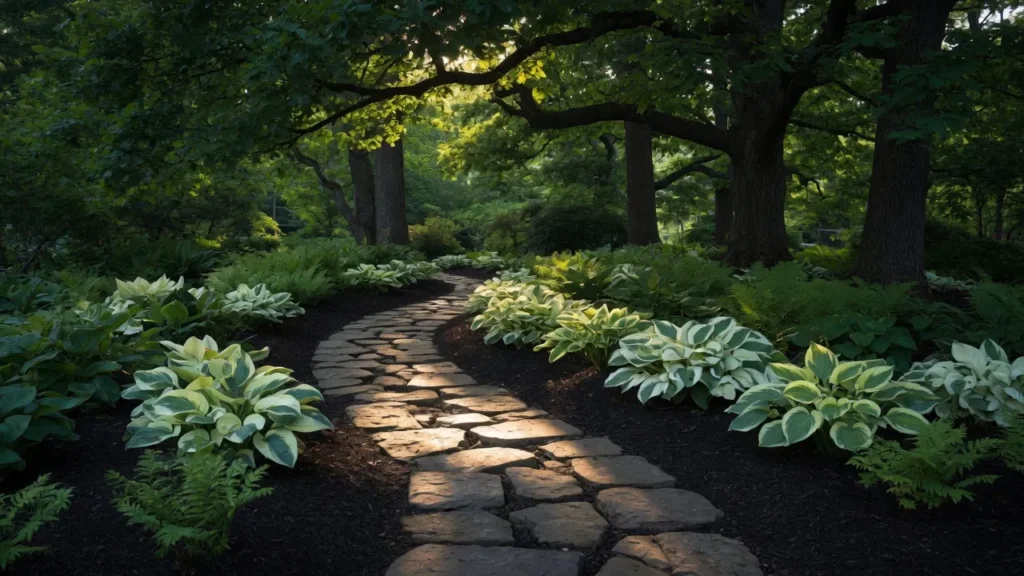
Stone pathways add both function and elegance to your front yard while creating visual interest and guiding visitors to your entrance. Using locally sourced flagstone or slate creates an authentic Midwest aesthetic that complements both colonial and contemporary home styles. These pathways can curve through shade gardens filled with hostas, ferns, and other shade-tolerant plants, creating a journey through your landscape rather than a simple walk to the door.
The area surrounding stone pathways offers excellent opportunities for shade gardening, which many Midwest homeowners struggle to make work. Hostas with their broad, architectural leaves create structure and visual weight, while complementary plantings like hellebore’s, runner, and Solomon’s seal add delicate textures and subtle colour variation. This layered approach to shade gardening creates depth and interest that evolves throughout the season, from spring bulbs to summer foliage to autumn transitions.
3. Raised Garden Beds for Seasonal Colour:
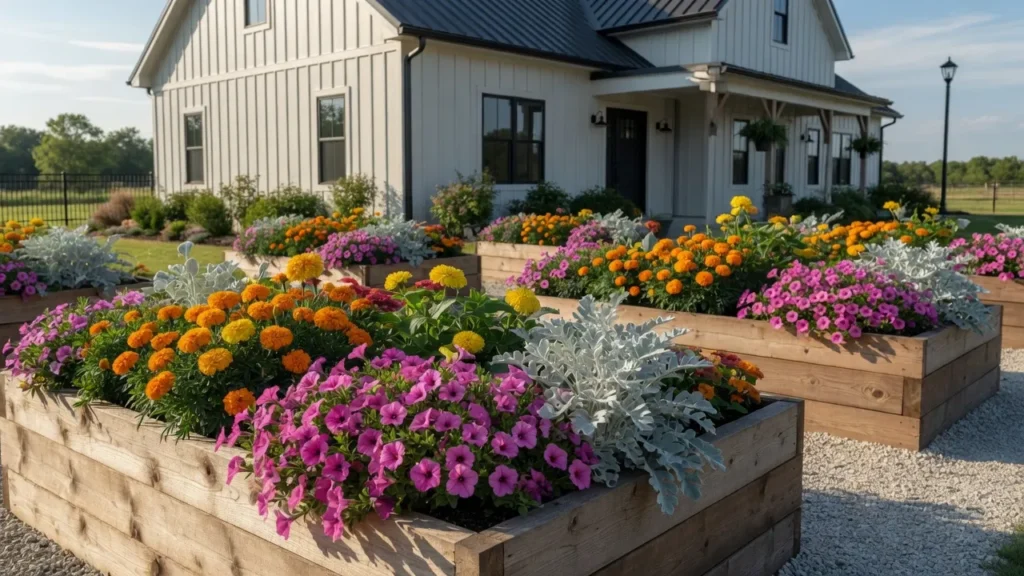
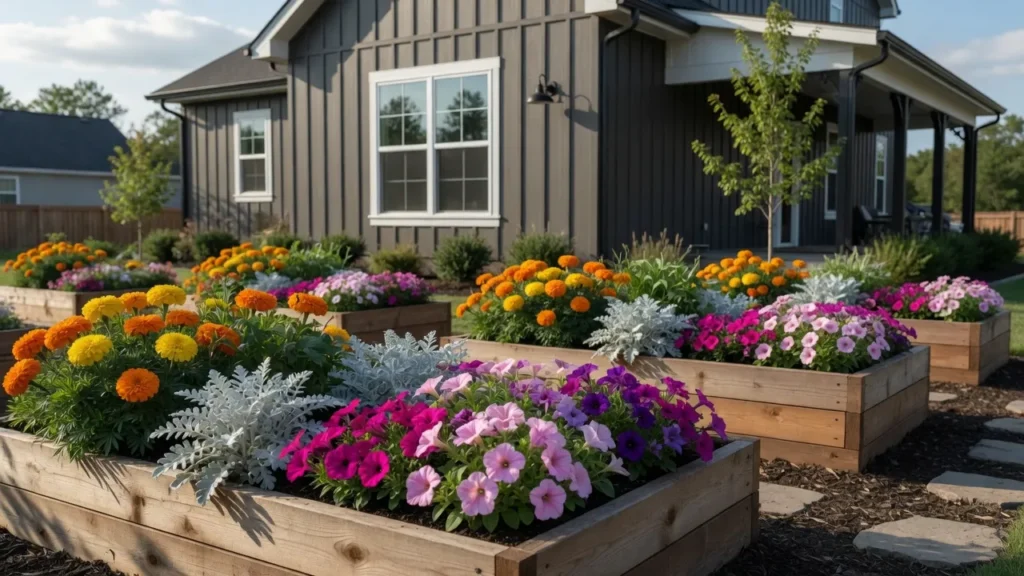
Raised garden beds offer Midwest homeowners a practical solution for poor soil conditions while creating instantly elevated visual appeal in front yards. Built from composite materials, cedar, or composite decking, these beds provide superior drainage crucial for the region’s variable rainfall patterns. Filled with quality growing medium, they allow you to grow vibrant annuals and perennials that might struggle in native Midwest soil, while giving you complete control over soil composition and pH levels.
The flexibility of raised beds makes them perfect for Midwest gardeners who love seasonal colour without the commitment of permanent plantings. In spring, plant cool-season annuals like pansies and snapdragons; transition to summer powerhouses like marigolds, zinnias, and impatiens; then finish with fall mums and ornamental cabbages. This rotating system keeps your front yard looking magazine-worthy from frost to frost while allowing you to experiment with different colour combinations each season.
4. Evergreen Foundation Plantings:
Evergreen foundation plantings give your home year-round structure and a polished look that deciduous plants cannot match. Layer columnar junipers at the back for height, dwarf arborvitae in the middle, and rounded boxwood in front to create depth and rhythm along the foundation. In the Midwest’s harsh winters, these evergreens hold their form and color while everything else goes dormant, so your house always looks finished.
Success depends on respecting mature sizes: check each plant’s ultimate width and space accordingly so the bed never looks crowded or overgrown. Plant in odd-numbered groups of three, five, or seven for a naturally balanced feel, and vary heights and textures — spiky juniper against soft boxwood — to keep the design lively. Keep plantings at least two feet from the foundation wall for air circulation and maintenance access.
5. Pollinator-Friendly Butterfly Gardens:
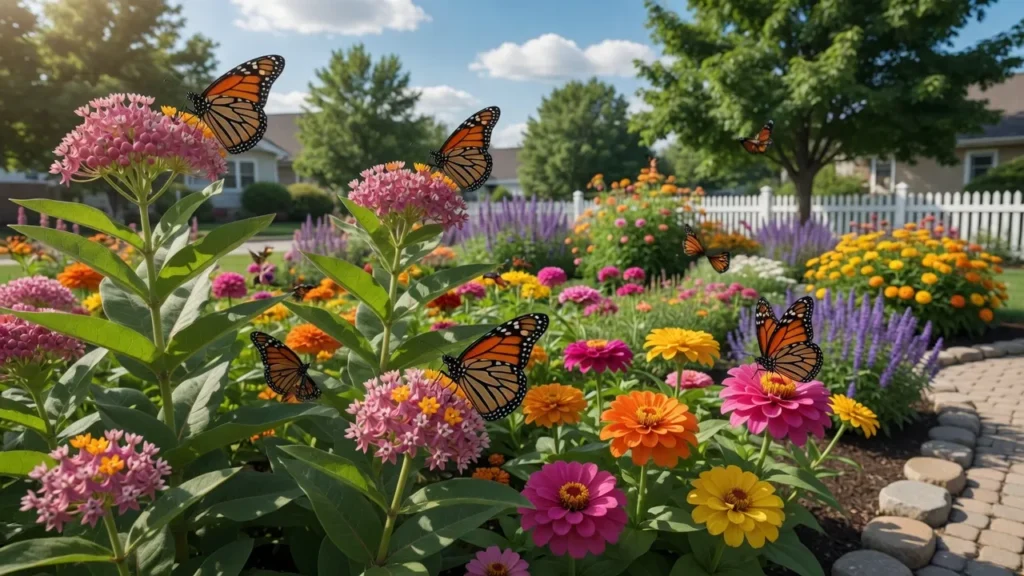
Creating a butterfly garden in your Midwest front yard supports declining pollinator populations while adding living, moving colour and visual interest. Native milkweed species are essential for monarch butterfly caterpillars, providing the only plant they’ll eat during their larval stage, while also serving as nectar sources for adult butterflies. Complementing milkweed with other native nectar plants like coneflowers, zinnias, Joe-Pyle weed, and blazing star creates a continuous bloom sequence from late spring through fall.
Butterfly gardens teach children about life cycles and ecological interconnection while creating one of nature’s most mesmerising living displays. The movement of butterflies among flowers adds a dynamic, almost meditative quality to your outdoor space that static landscaping cannot provide. Grouping plants in clusters of the same species makes it easier for butterflies to locate food sources, creating more significant butterfly activity visible from your windows and street-facing areas.
6. Modern Minimalist Xeriscaping:
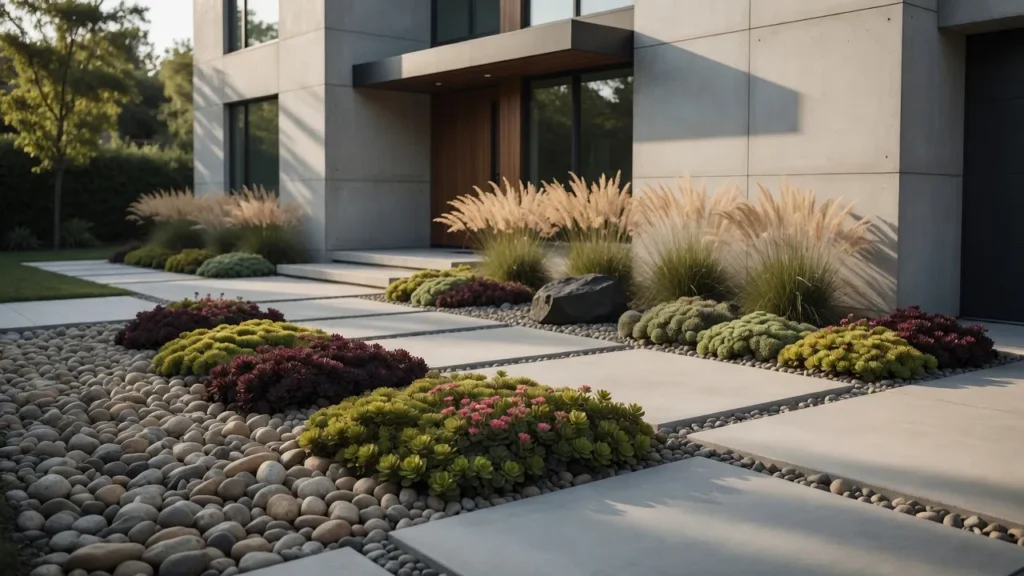
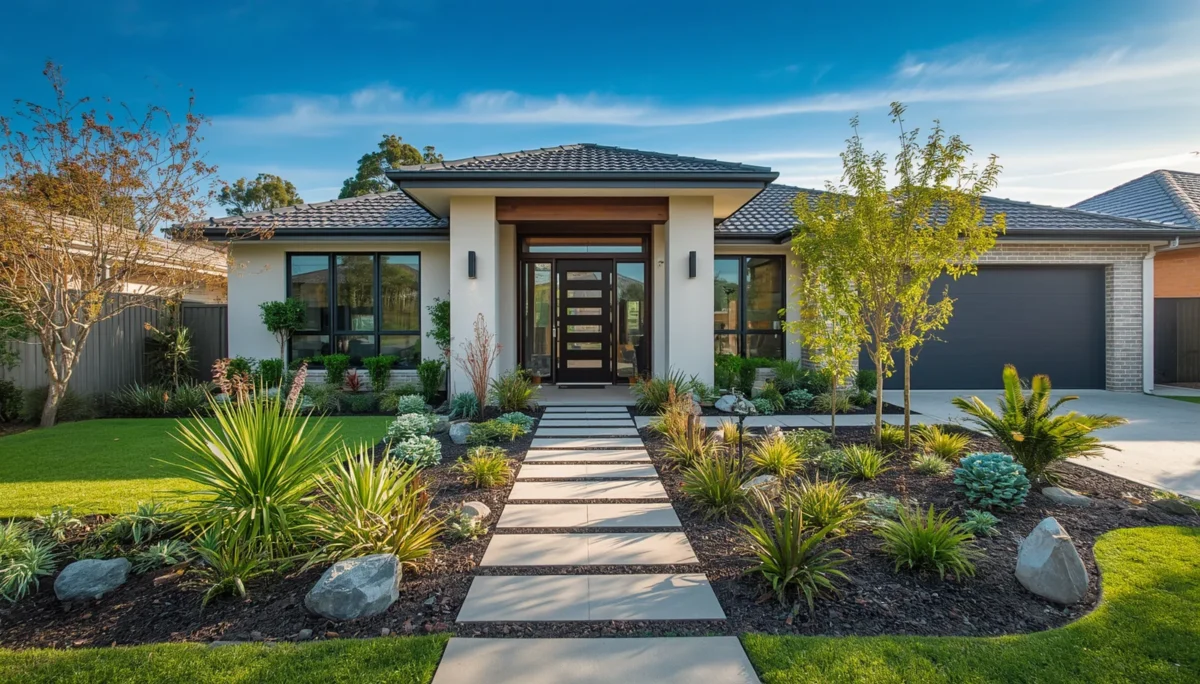
Modern minimalist xeriscaping appeals to homeowners seeking low-maintenance, water-efficient landscaping that complements contemporary architecture. This approach replaces water-hungry lawns with carefully curated drought-resistant plants, decorative rock features, and clean geometric landscape elements that create visual impact through simplicity. Rock-based landscaping including river rocks, pea gravel, and larger feature boulders reduce irrigation needs while creating dynamic textural contrast against plant foliage.
The appeal of xeriscaping extends beyond its aesthetic qualities to encompass practical benefits that resonate with modern homeowners. Reduced irrigation requirements translate to lower water bills and decreased maintenance during scorching Midwest summers. The mineral aesthetic creates a contemporary feel that’s simultaneously timeless, ageing gracefully over decades without the constant replanting and redesign that trend-based landscaping demands.
7. Welcoming Entrance with Flowering Shrubs:
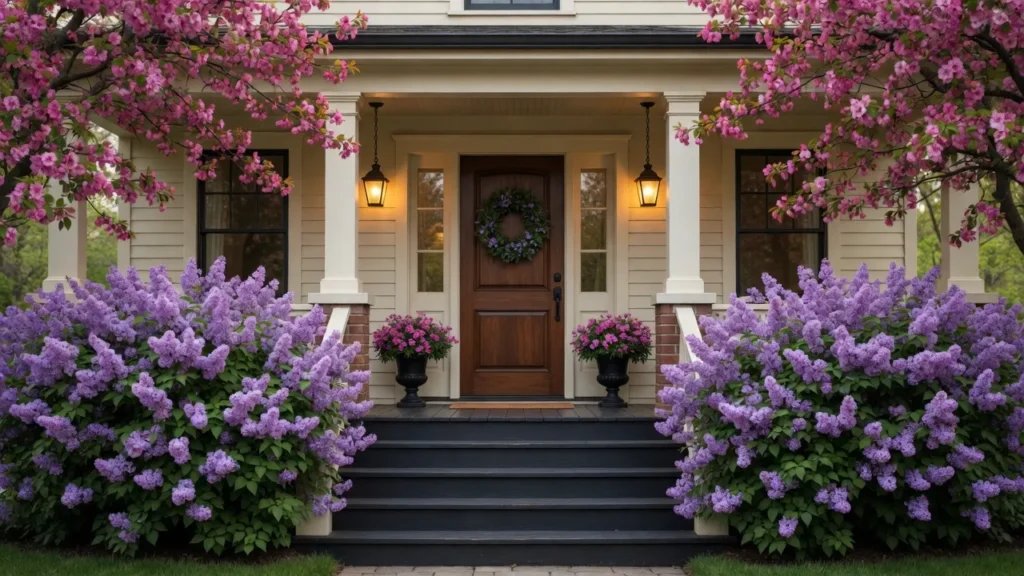
The entrance to your home deserves special attention, as this is where guests form their first impressions and spend moments appreciating your property. Flowering shrubs like lilacs, crab-apples, and viburnum frame your entryway beautifully while providing seasonal colour and fragrance that enhances the welcoming nature of your home. These varieties thrive in Midwest conditions, blooming reliably year after year with minimal fuss or special care.
Flowering shrubs selected for entrance plantings should offer not just visual beauty but also seasonal interest extending beyond blooming periods. Many varieties provide colourful fall foliage, interesting winter structure, or attractive seed pods that continue adding visual appeal throughout the year. The fragrance of lilacs and other flowering shrubs creates a sensory experience that goes beyond visual aesthetics, making your home genuinely memorable to visitors.
8. Curb Appeal Makeover with Container Gardens:
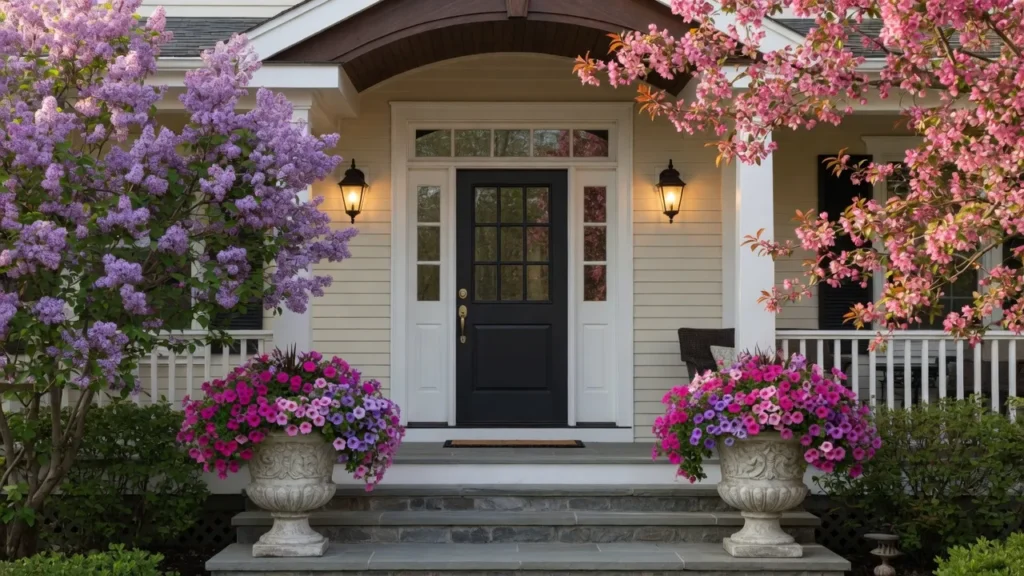
Container gardens offer Midwest homeowners maximum flexibility for creating seasonal curb appeal without permanent landscape commitment. Strategically placed containers flanking your front entrance, lining your driveway, or anchoring garden beds draw the eye and create intentional focal points throughout your front yard. Large containers make bold statements and require fewer plants for impact, while collections of smaller containers in coordinating colours create visual rhythm and interest.
The versatility of containers extends to plant selection, allowing you to grow shade-tolerant plants in shady entryways or sun-loving specimens in bright locations regardless of your garden’s natural light conditions. You can experiment with sophisticated colour palettes, combining plants you might never plant permanently to test aesthetic combinations. Container soil dries faster than ground soil, requiring more frequent watering, but this controlled environment prevents the over-watering problems that plague Midwest gardens with variable rainfall.
9. Shade Garden with Hostas, Ferns, and Astilbe:
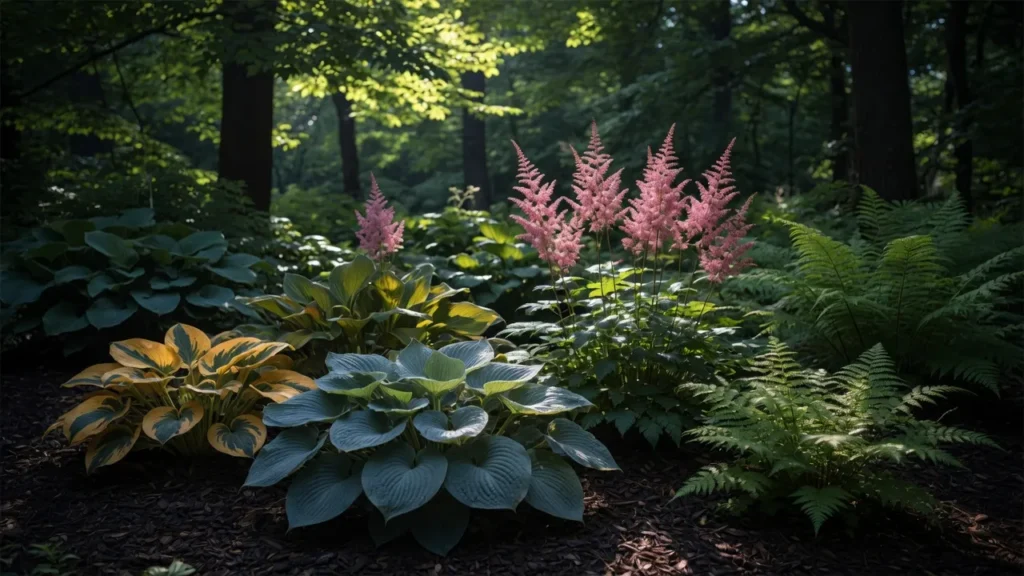
Midwest properties often feature mature trees that create extensive shade, making traditional sun-loving landscape plants unsuitable for large portions of the yard. Rather than fighting this reality, shade gardens celebrate the beautiful foliage and subtle colours that shade-tolerant plants offer. Hostas with their architectural leaves provide the framework for shade gardens, available in hundreds of varieties with leaf colours ranging from deep blues and greens to bright yellows and stunning variegation.
Shade gardening requires rethinking traditional landscape priorities, focusing on foliage colour and texture rather than flowers for primary visual interest. This shift actually allows for more sophisticated design, as foliage combinations can be adjusted seasonally by selecting plants with colour changes or new growth patterns. Spring shade gardens come alive with emerging hosta shoots and hellebore blooms before trees fully leaf out, creating a brief window of colour.
10. Low-Maintenance Ornamental Grass:
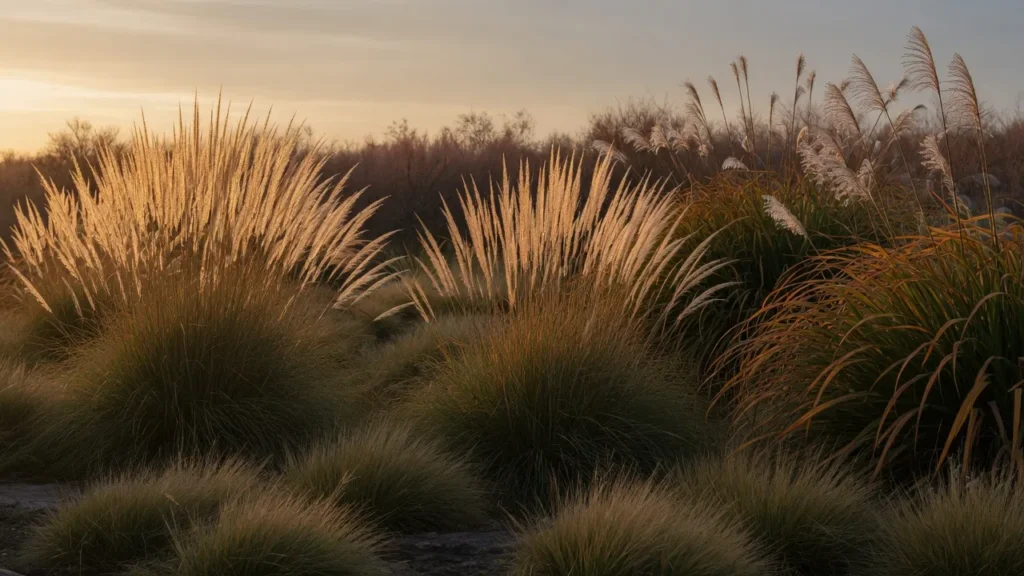
Ornamental grasses bring movement, sound, and year-round interest to Midwest front yards while requiring minimal maintenance, water, or fertiliser once established. Feather reed grass’s tall, upright form creates structure and height without the visual weight of woody plants, while maintaining an airy, contemporary aesthetic. Pairing upright varieties with more relaxed, spreading grasses creates dynamic compositions that naturally guide the eye through the landscape.
The ecological benefits of ornamental grasses extend beyond visual appeal to include soil improvement and water conservation. Their deep, extensive root systems improve soil structure, prevent erosion, and increase water infiltration even in compacted Midwest clay soils. Once established, ornamental grasses require no supplemental water in most Midwest locations, thriving even during drought years that stress traditional turf grass.
11. Classic Hydrangea Feature Plantings:
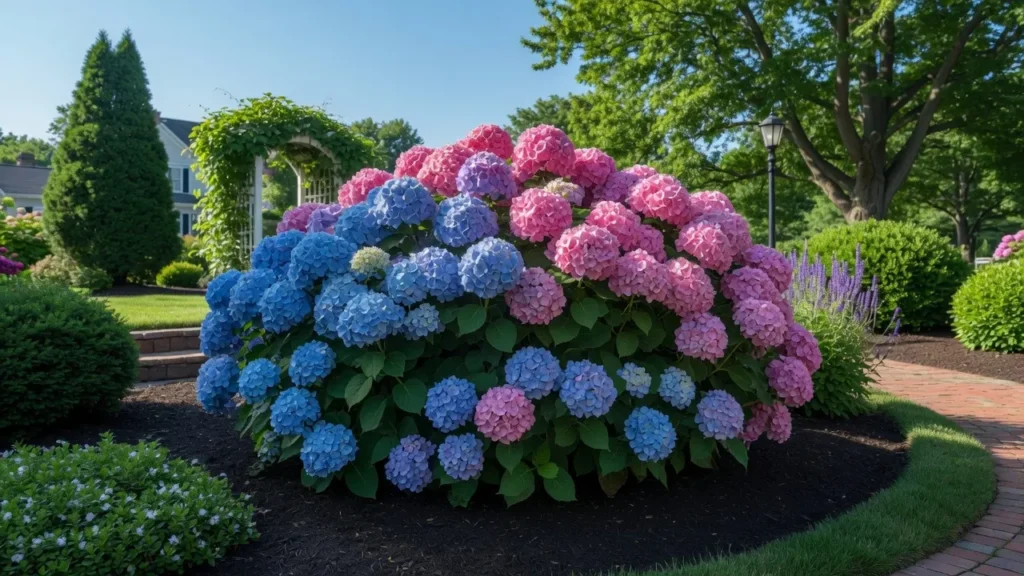
Hydrangeas represent iconic Midwest flowering shrubs that produce massive bloom clusters capable of transforming front yards during peak bloom season. These reliable performers require surprisingly little care once established, rewarding gardeners with years of abundant flowers that transition from fresh blooms to dried seed-heads with beautiful colour variation throughout seasons. Panic hydrangeas like ‘Tar-diva’ and ‘Pinky Winky’ bloom later into fall than their mop-head cousins, extending your flowering season significantly.
The versatility of hydrangeas extends from their visual appearance to their practical adaptability to Midwest growing conditions. Both shade-tolerant and sun-loving varieties exist, allowing you to place hydrangeas in nearly any location on your property. Their ability to adjust flower colours based on soil chemistry adds scientific interest that appeals to gardeners seeking to understand plant behaviour. Dried flower clusters provide architectural interest and seasonal beauty extending well into winter, with brown and faded flower tones that complement winter landscapes.
12. Split Rail or Rustic Fencing with Climbing Vines:
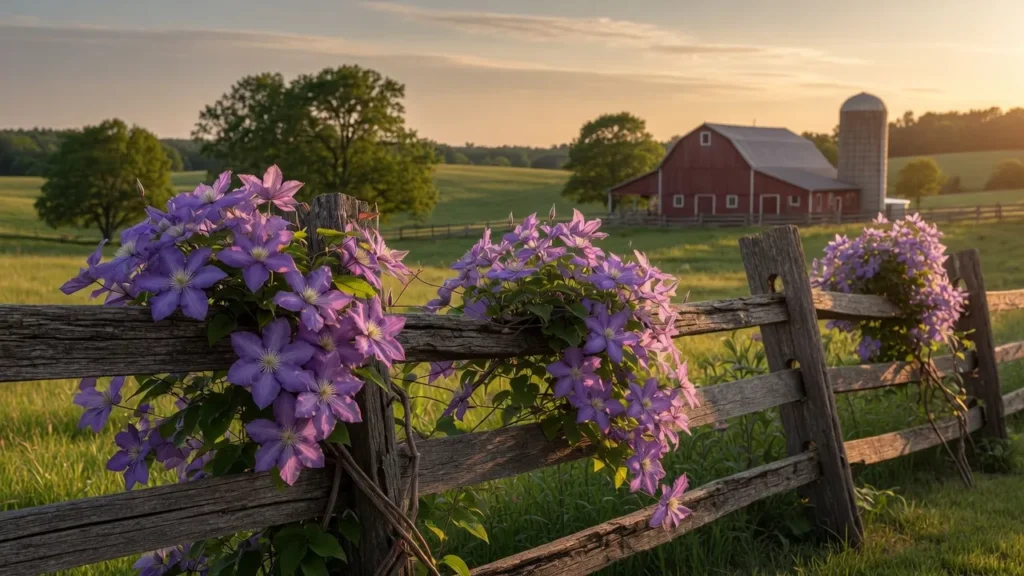
Split rail fencing offers authentic Midwest charm while creating backdrops and borders that define your landscape space and enhance your home’s curb appeal. The naturally weathered appearance of wood fencing complements both rural properties and suburban homes, creating a sense of permanence and tradition. Rather than leaving fencing bare, training climbing vines like clematis, climbing hydrangea, or ornamental grapes transforms simple fencing into living walls of colour and texture.
Fencing combined with climbing vines creates multiple design opportunities for Midwest homeowners seeking to define spaces and add vertical interest to flat landscapes. Young vines require training and support initially, but once established, they climb confidently without intervention. Selecting vines that maintain seasonal interest through fall colours, interesting seed-heads, or persistent winter structure ensures your fence line remains visually appealing year-round.
13. Front Yard Pollinator Oasis with Native Plants:
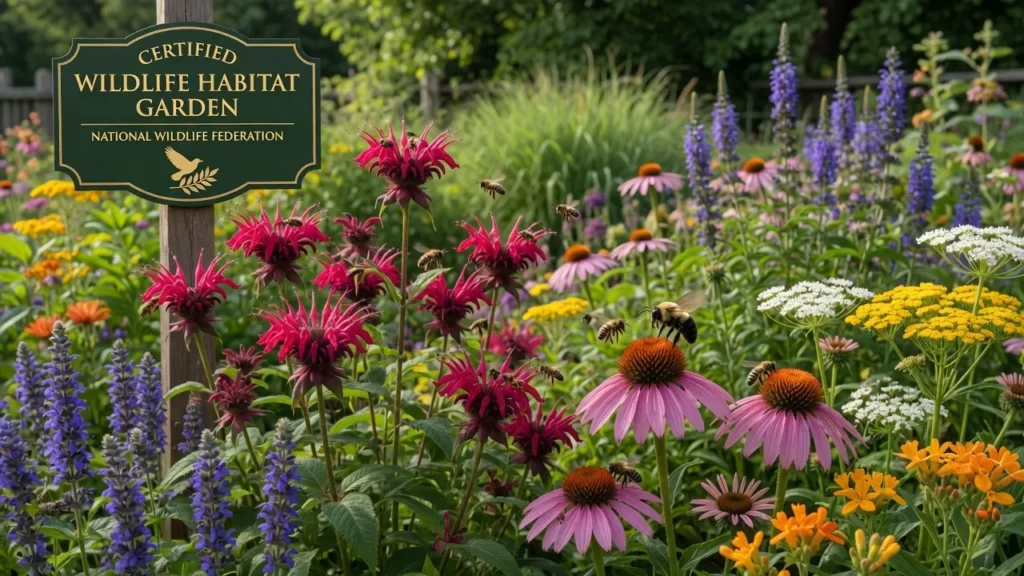
Creating a certified wildlife habitat in your front yard transforms your landscape into a functioning ecosystem supporting butterflies, bees, birds, and beneficial insects. Native plants are keystone species for local insect populations, providing food and shelter evolved through millennia of co-evolution. By filling your landscape with native plants like bee balm, echinacea, wild Bertram, and blazing star, you create reliable food sources that pollinators depend on for survival.
Beyond environmental benefits, pollinator gardens create dynamic, constantly changing living art that invites observation and wonder. Spending time watching bees work methodically through flowers or observing hummingbird territorial battles becomes deeply calming and meditative. The abundance and diversity of insects supported by native plant communities creates a completely different sensory experience than sterile, chemically maintained landscapes.
14. Formal Symmetrical Gardens:
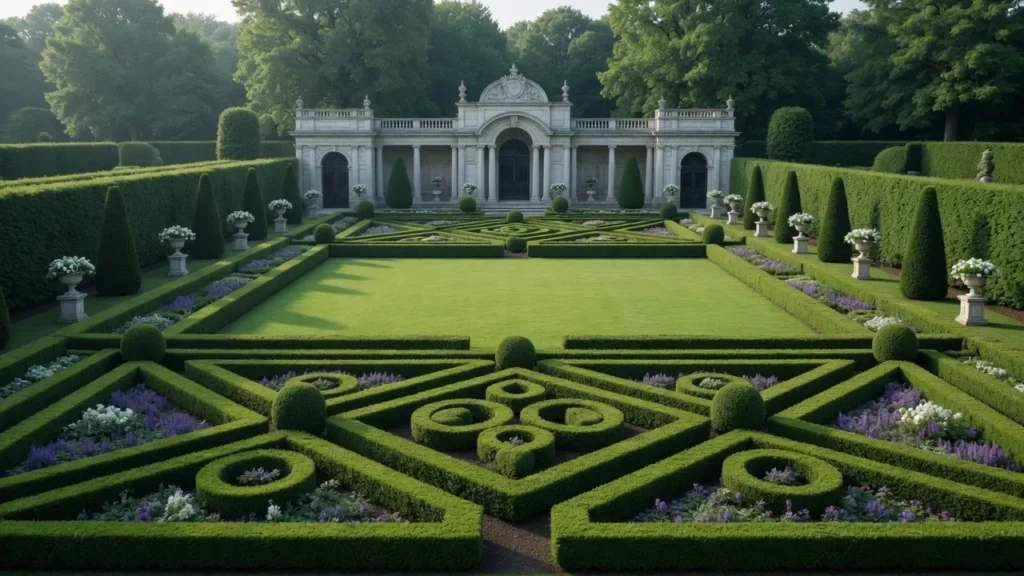
Formal gardens bring classical elegance to Midwest properties, creating sophisticated landscapes that complement traditional and transitional architectural styles beautifully. Boxwood hedges arranged in geometric patterns (called parterres) create structure and visual formality that appeals to homeowners seeking polished, refined curb appeal. The architectural nature of formal gardens makes them appear intentionally designed, with each plant serving a purpose within the overall composition.
While formal gardens require more maintenance than naturalistic landscapes, their investment in careful design and consistent care pays dividends in terms of property value and aesthetic impact. Boxwood maintains its form beautifully throughout Midwest seasons, developing increasingly architectural shapes as plants mature. The geometric patterns create dynamic visual interest that prevents formal gardens from feeling boring or austere.
15. Colourful Annual Flower Borders:
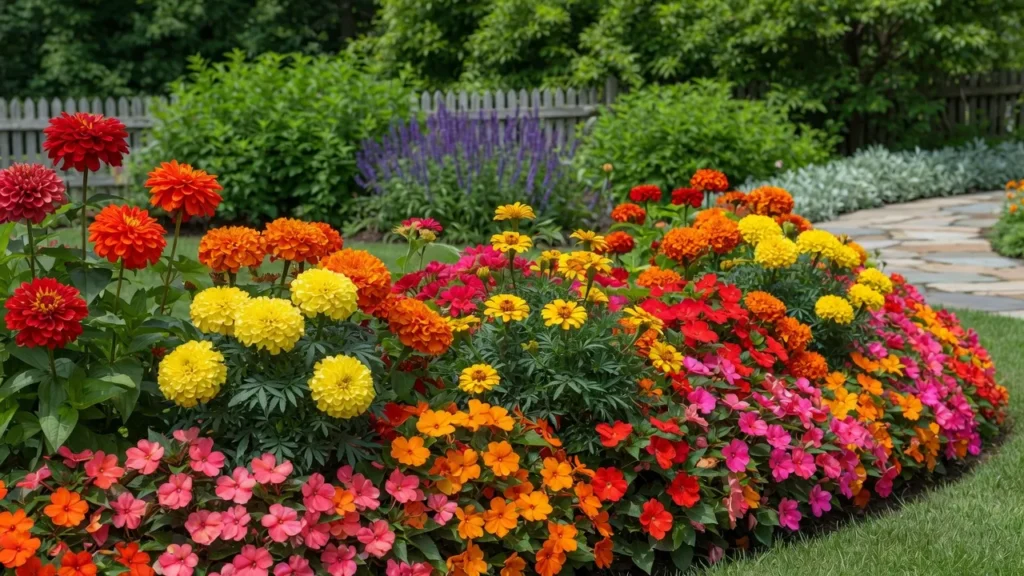
Annual flower borders provide maximum colour impact with flexibility to change designs seasonally, appealing to homeowners who love constantly fresh landscape appearances. Unlike perennials that return the same year after year, annuals allow experimentation with new colours, combinations, and plant varieties each season without permanent commitment. Spring plantings of pansies and snapdragons give way to summer powerhouses like zinnias, marigolds, impatiens, and dahlias, transitioning to fall mums and ornamental cabbages.
The financial investment in annual flowers is significant, but many homeowners justify it based on the profound impact on curb appeal and personal enjoyment. Planting gardens yourself reduces costs while providing satisfying physical activity and connection to your landscape. Selecting colour combinations based on design principles like complementary colours, triad schemes, or sophisticated monochromatic plantings elevates annual gardens beyond random plantings.
16. Landscape Features with Natural Stone Patio:
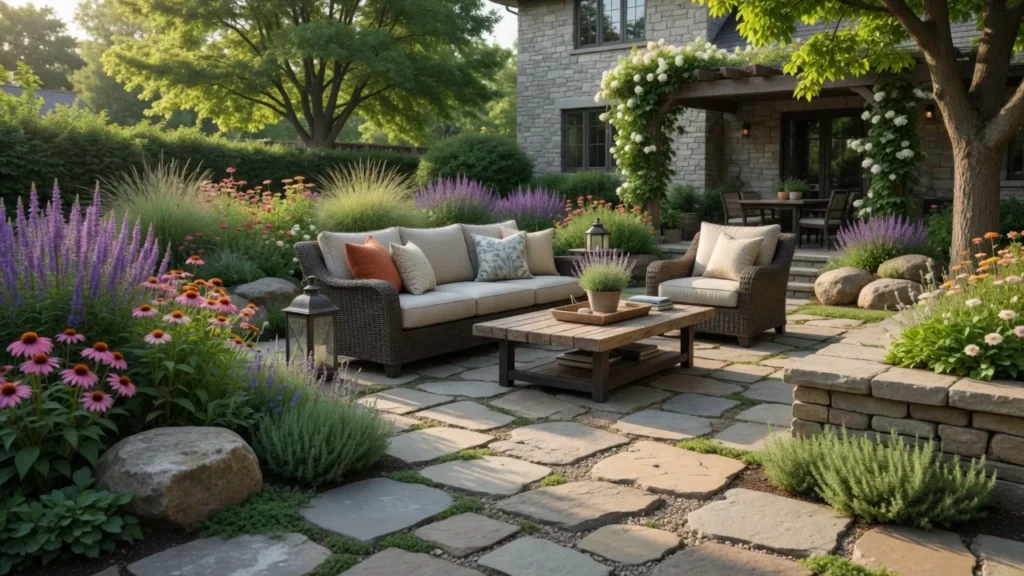
Natural stone patios create landscape features that extend your living space outdoors while adding architectural interest and defining functional zones within your front yard. Locally sourced stone complements Midwest architecture while supporting regional businesses and reducing environmental impact. Stone patios weather gracefully, developing patina that increases character and beauty over time. Unlike concrete that cracks and shows ageing through deterioration, natural stone actually becomes more beautiful as it ages.
The versatility of natural stone allows designers to create diverse aesthetic effects, from rustic informal to refined formal appearances based on stone selection and installation patterns. Random irregular patterns feel casual and naturalistic, while geometric arrangements create more formal, structured aesthetics. Stone patios require relatively little maintenance beyond occasional cleaning and power washing to remove algae growth in shady areas. The durability of natural stone means your investment pays dividends across decades, unlike plant material that requires replacement.
17. Berry-Producing Shrubs for Wildlife and Beauty:
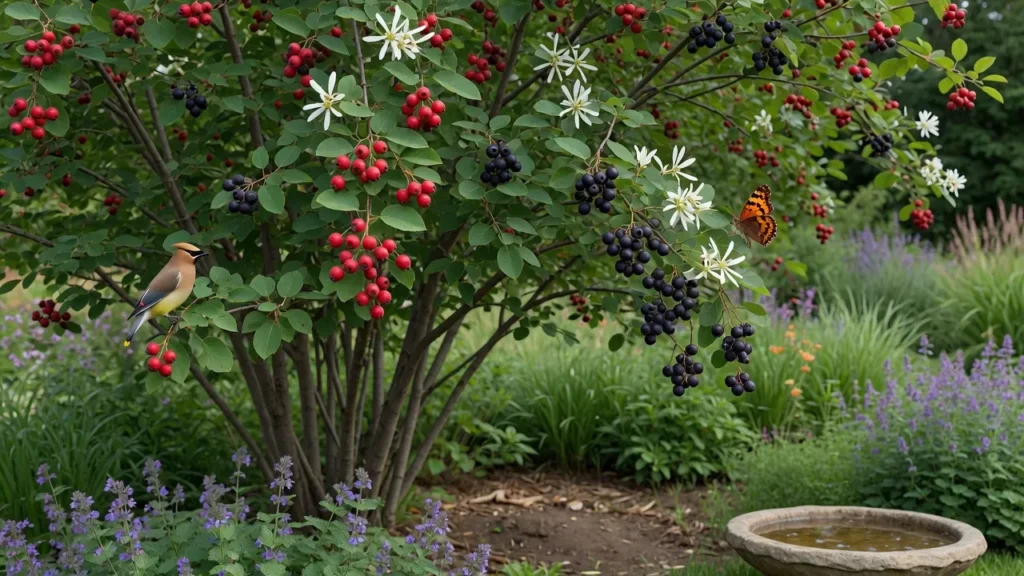
Berry-producing shrubs serve the dual purpose of providing food for wildlife while adding seasonal visual interest through fruits that range from vibrant reds to deep blues and purples. Service-berry produces delicate white spring flowers followed by edible berries that humans and birds both appreciate, making it a multi-functional landscape plant for Midwest yards. Viburnums offer similar benefits with clusters of fruit that ripen from green to red to dark blue or black depending on variety, attracting birds while providing extended visual interest.
The ecological function of berry-producing shrubs creates genuine value beyond ornamental qualities, supporting migratory birds and year-round resident species. Native birds depend on reliable food sources, and landscape shrubs supplying abundant berries reduce dependence on wild food sources that may be scarce in developed areas. Watching birds feast on berries in your landscape creates profound connections to natural systems and seasonal cycles.
18. Vertical Gardening:
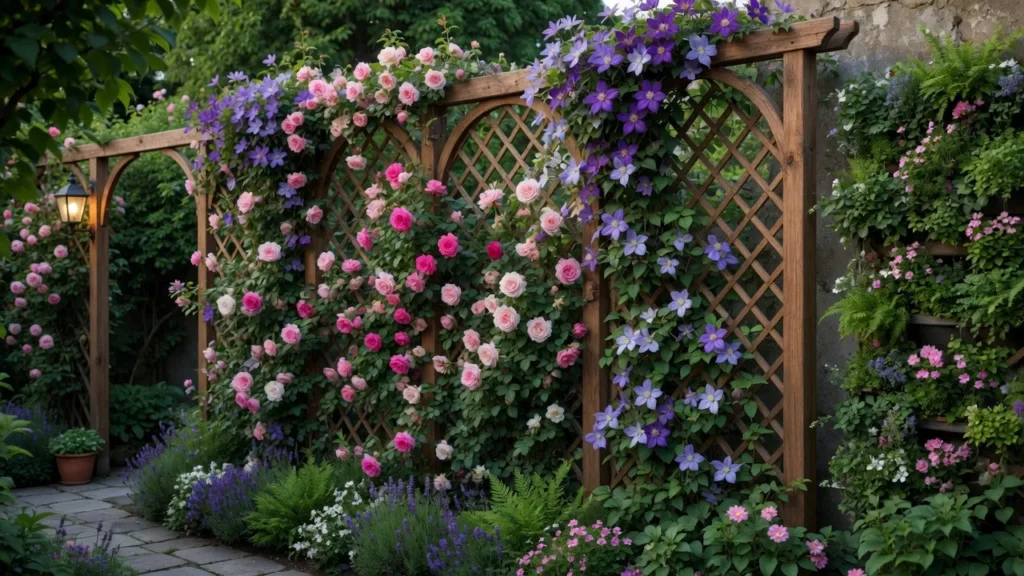
Vertical gardening transforms limited front yard space into lush landscape experiences by utilising walls, fences, and trellises for plantings. This approach is particularly valuable for small properties where horizontal space is limited but vertical surfaces offer untapped potential. Climbing roses, clematis, honeysuckle, and ornamental grapes create living walls while maintaining proportional aesthetics. Trellises serve dual purposes as structural landscape elements and plant supports, adding architectural interest even when newly installed before vines establish.
Beyond space maximisation, vertical gardening creates sophisticated design opportunities that appeal to contemporary sensibilities and maximise planting volume within limited areas. Wall-mounted containers and vertical planters allow cultivation of herbs, succulents, and ornamental foliage in tight spaces. Training shrubs and perennials against walls creates living murals that change with seasons. The movement of climbing plants adds dynamic interest and creates wind-responsive beauty that engages viewers emotionally.
19. Low-Growing Perennial Ground-covers:
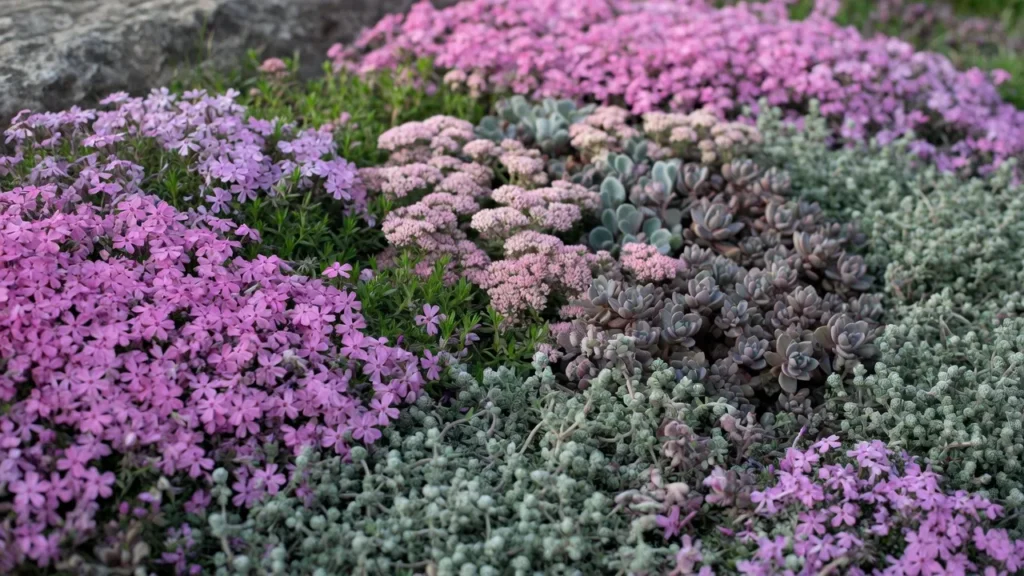
Ground-covers offer low-maintenance alternatives to lawn grass while providing textural interest and seasonal colour throughout Midwest landscapes. Creeping phlox produces abundant pink, purple, or white flowers in spring while maintaining attractive foliage throughout the year. Sedums in varieties like ‘Dragon’s Blood’ create colourful texture with foliage that transitions from green to burgundy as temperatures cool. Creeping thyme offers aromatic foliage plus delicate flowers while tolerating foot traffic better than most ground-covers.
The maintenance advantages of ground-covers over traditional lawns appeal to Midwest homeowners seeking to reduce workload while improving landscape aesthetics. Once established, ground-cover plantings require minimal intervention beyond occasional weeding and refreshing as plants mature. The diversity of available ground-cover options allows design flexibility accommodating various light conditions and soil types throughout your property.
20. Water Features with Birdbaths:
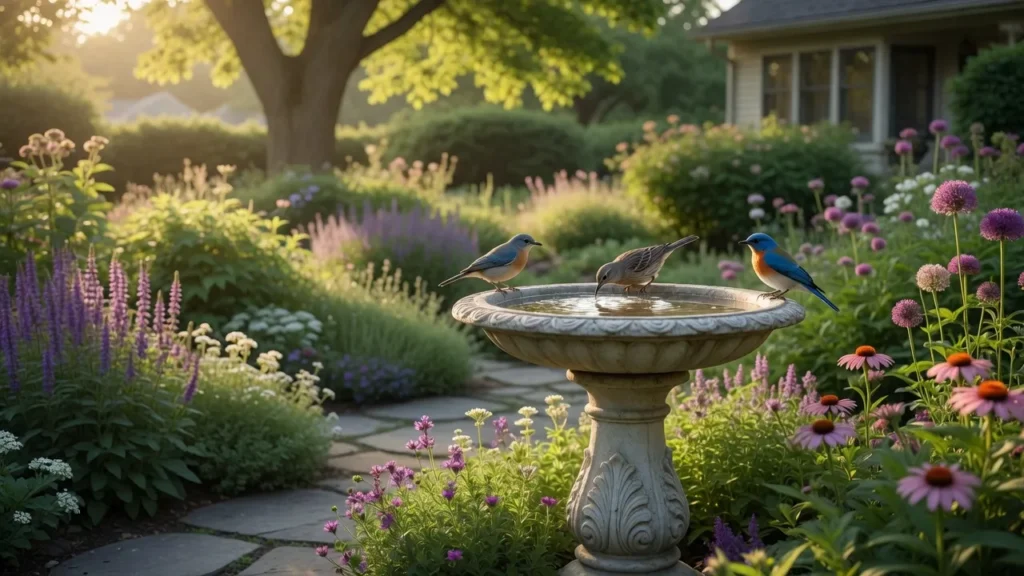
Water features introduce movement, sound, and life-attracting qualities that transform static landscapes into dynamic, engaging outdoor experiences. Birdbaths provide essential water sources for birds, insects, and small mammals while creating focal points and gathering places within your landscape design. The gentle sound of water from small fountains creates ambience and masks undesirable neighbourhood noise while adding sensory richness to outdoor spaces.
The ecological benefits of water features extend to providing essential resources during seasons when natural water sources are limited or frozen. Shallow basins with sloping edges allow smaller birds and insects to safely access water without risk of drowning. Water features encourage bird activity, providing natural pest control through insect consumption and creating living entertainment visible from windows.
FAQs:
What are the best times to plant in the Midwest?
Spring (April-May) and fall (September-October) represent optimal planting windows in the Midwest. Spring planting allows plants to establish root systems before summer heat, while fall planting provides cooler conditions and adequate moisture from fall rains. Spring offers the advantage of longer growing season ahead, while fall planting reduces watering requirements. Avoid planting during peak summer heat or winter cold when plant stress runs highest.
How can I maintain my landscape during harsh Midwest winters?
Select cold-hardy plants rated for Midwest USDA zones (typically 5-6), incorporate evergreens for winter structure and color, and apply protective mulch after ground freezes to prevent frost heaving that damages roots. Avoid fall fertilizing that stimulates tender new growth vulnerable to freezing. Winter watering of established plantings is rarely necessary if adequate moisture was provided in fall. Prune dead branches only after winter ends to assess actual winter damage.
What plants thrive despite Midwest clay soil?
Native plants including sedges, native prairie plants, serviceberry, crabapple, and many shade-tolerant species naturally evolved in Midwest clay soils and thrive without amendments. Black-eyed Susans, coneflowers, and bee balm tolerate clay beautifully. Rather than fighting clay soil, embrace plants adapted to it, or invest in raised beds filled with imported soil for plants requiring different conditions. Many Midwest gardeners report better success accepting their soil and selecting appropriate plants rather than struggling to change soil conditions.
How often should I water my Midwest landscape during summer?
Newly planted material requires regular watering until root systems establish (typically 6-12 months). Established plants generally require supplemental irrigation only during drought periods exceeding 2-3 weeks without rainfall. When watering is necessary, deep watering less frequently encourages deeper rooting than frequent shallow watering. Native plants and properly selected cultivars often require no supplemental water in Midwest, making careful plant selection crucial for water-efficient landscapes.
Should I remove fallen leaves from my landscape?
Fallen leaves provide valuable mulch and organic matter supporting soil biology. Rather than removing leaves, shred them with a mulching mower and incorporate into planting beds. This creates free mulch improving soil structure while eliminating fall cleanup labor. Leaves provide crucial winter habitat for overwintering beneficial insects and pollinators. The only areas where leaf removal is necessary are ornamental lawns where excessive leaf accumulation smothers grass and creates pest habitat.
Conclusion:
Your Midwest front yard possesses tremendous potential to become a beautiful, functional, and sustainable outdoor space that reflects your style while thriving in the region’s unique climate. The landscaping ideas presented in this comprehensive guide offer diverse approaches accommodating various preferences, budgets, and maintenance commitments. Whether you’re drawn to the low-maintenance elegance of native plantings, the instant gratification of colourful containers, or the sophisticated refinement of formal gardens, proven strategies exist to achieve your landscaping vision.