Eye Catching Texas Front Yard Landscaping Ideas for Every Home

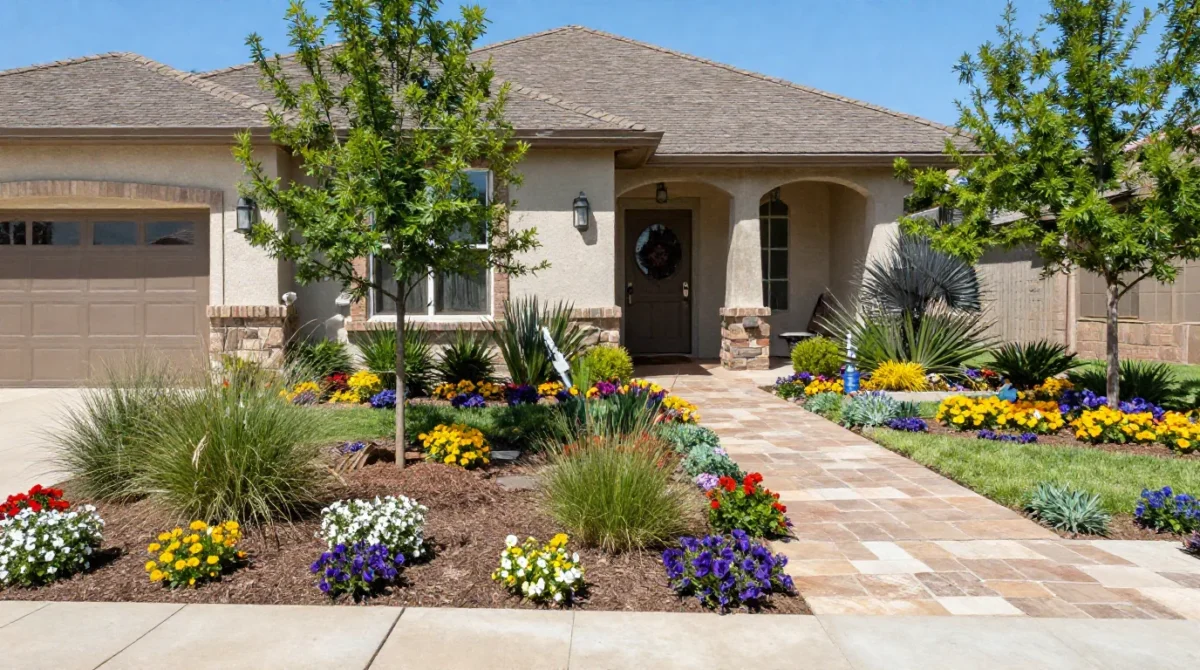
Welcome to the ultimate guide for transforming your Texas front yard into a breathtaking outdoor oasis! Whether you’re battling the intense Texas heat, managing rocky soil, or simply looking to boost your home’s curb appeal, this comprehensive guide has you covered. Texas landscaping presents unique challenges and incredible opportunities, from working with native plants that thrive in our climate to creating stunning periscopes that require minimal water. Let’s dive into the world of Texan landscaping and discover how you can create a front yard that truly reflects the beauty and character of the Lone Star State. 1. Showcase Native Texas Plants: Native Texas plants are the foundation of any successful landscaping project in this region. These plants have evolved over centuries to thrive in Texas climate conditions, requiring less water, fertiliser, and maintenance than non-native species. By incorporating plants like Texas sage, esperanza, lantana, and coreopsis, you create a landscape that feels authentic to the region while supporting local pollinators and wildlife. These plants showcase gorgeous blooms in warm Texas tones like reds, oranges, and yellows that perfectly complement natural stone and architectural features of homes. Native plants offer not only environmental benefits but also substantial economic advantages for homeowners. You’ll notice dramatically reduced water bills, minimal pest problems, and decreased maintenance requirements throughout the year. Texas native plants are naturally adapted to our intense summer heat and occasional freezing winters, meaning they bounce back quickly after harsh weather. The natural colour palette of native Texas blooms creates sophisticated, layered landscapes that look effortlessly beautiful and require far less effort than traditional ornamental gardens. 2. Design a Water-Wise Xeriscaped Front Yard: Xeriscaping is an innovative landscaping philosophy designed to reduce water consumption while maintaining visual appeal and functionality. This approach involves careful plant selection, smart grouping of plants with similar water needs, and strategic use of landscaping materials like rock, gravel, and permeable pavers. A well-designed xeriscape front yard can reduce water usage by up to 50 percent compared to traditional landscaping while creating a modern, sophisticated aesthetic that thrives in Texas’s dry climate. The key is understanding that water-wise doesn’t mean colourless or boring. Creating a beautiful xeriscape involves layering textures and colours through careful material selection and plant arrangement. You can incorporate focal points like sculptural plants, decorative rocks, and artistic landscape elements that draw the eye and create visual interest without requiring regular watering. Xeriscaping transforms the challenge of Texas heat and limited water into an opportunity for creative, sustainable landscaping that’s both economical and environmentally responsible. Your front yard becomes a testament to smart design choices and resource conservation. 3. Create a Stunning Rock Garden Landscape: Rock gardens bring a natural, rugged beauty to Texas front yards while providing excellent drainage and heat retention for sun-loving plants. Large boulders and carefully arranged stones create visual interest and permanent structure to your landscape design. Rock gardens work beautifully in Texas because rocks absorb and reflect the intense heat, creating ideal conditions for heat-loving succulents, native shrubs, and flowering plants. The geological character of using rocks connects your landscape to the natural Texas landscape and requires minimal ongoing maintenance. Beyond aesthetic appeal, rock gardens serve practical purposes in Texas yards. Rocks act as natural mulch, suppressing weeds while reducing water evaporation from soil. They create excellent drainage for areas that might otherwise develop standing water during rare heavy rains. Rock gardens also provide visual texture and dimension that changes throughout the day as light angles shift. The spaces between rocks become perfect pockets for planting native ground-covers, serums, and flowering plants that create a rich tapestry of colour and interest without demanding water-intensive care routines. 4. Permeable Pathways for Function and Beauty: Permeable pathways combine functionality with environmental responsibility while adding elegant structure to your Texas front yard. Unlike traditional concrete or asphalt, permeable materials like porous paves, gravel, and recycled materials allow water to drain naturally through the surface rather than running off into storm drains. These pathways provide practical access to your front door, driveway, or specific garden areas while creating visual lines that organise and define your landscape. Permeable solutions maintain a natural aesthetic that blends beautifully with native plants and rock features. Choosing permeable pathway materials offers multiple benefits for Texas homeowners. During the intense summer heat, porous materials remain cooler than traditional hard surfaces, creating more comfortable outdoor spaces. Permeable pathways help manage water runoff during rare heavy rains, reducing flooding and erosion in your yard. The variety of materials available, from crushed granite to permeable concrete paves, allows you to choose options that match your landscape’s style and colour scheme. Installation is often simpler and less expensive than pouring concrete, and repairs or modifications can be made easily without major construction projects. 5. Design a Desert-Style Entry Statement: A desert-style entry creates an immediate visual impact that welcomes visitors while establishing your landscape’s design aesthetic. This approach embraces the desert qualities of Texas, using dramatic succulents, architectural plants like agave and yucca, and warm stone elements to create an entrance that’s both striking and appropriate to the climate. Desert-style entries showcase sculptural plant forms, interesting textures, and warm colour palettes that make powerful design statements. Large potted plants can frame your entry doors, while strategically placed plantings create visual guides that lead visitors toward your entrance. Desert-style entries work particularly well in Texas because they align with the natural landscape character of large portions of the state. You can create drama through plant selection, choosing succulents and architectural plants with interesting shapes, colours, and textures. Stone features, architectural rocks, and even water elements like fountains can enhance the desert aesthetic. The beauty of a desert-style entry is that it requires minimal watering, looks spectacular year-round, and creates an unforgettable first impression that reflects sophisticated landscape design and an understanding of what thrives in Texas. 6. Implement Native Ornamental Grasses: Native ornamental grasses bring movement, texture, and seasonal interest to Texas front yards while requiring minimal maintenance and water. Grasses like Gulf … Read more

Edible Landscaping Ideas for Beautiful Front Yards

Introduction Are you tired of traditional grass lawns that require constant maintenance and offer nothing but aesthetic appeal? It’s time to re-imagine your front yard as a productive, beautiful space that feeds your family while impressing your neighbours. Edible landscaping is revolutionising how homeowners think about their outdoor spaces, blending ornamental beauty with practical food production. Whether you have a sprawling suburban lot or a compact urban garden, there are countless ways to incorporate edible plants into your front yard design. This comprehensive guide showcases innovative edible front yard landscaping ideas that prove food-producing gardens don’t have to sacrifice curb appeal. From vertical gardens that maximise space to flowering fruit trees that double as stunning focal points, these ideas will inspire you to create a landscape that’s as nutritious as it is beautiful. Each concept is designed to work in various climate zones and property sizes, making it possible for anyone to start their edible landscaping journey today. 1. Raised Herb Beds Along the Pathway: Raised herb beds positioned along your front walkway create an inviting entrance while providing easy access to fresh culinary herbs. These elevated gardens offer excellent drainage and make it simple to harvest ingredients when cooking. The organised appearance of tiered herb beds adds architectural interest to your landscaping while keeping everything visible and accessible from your home. Herbs like rosemary, thyme, oregano, and sage naturally maintain neat, compact shapes, creating an orderly, sophisticated look that enhances curb appeal. These pathway herb beds can be constructed from cedar, composite materials, or galvanised metal to match your home’s aesthetic. Mixing culinary herbs with ornamental varieties like purple basil or flowering chamomile creates visual interest throughout the seasons. The aromatic qualities of the herbs create an enchanting sensory experience for visitors while reducing the need for commercial air fresheners. Strategic lighting in the evening can highlight these beds, making them functional decor that serves your cooking needs daily. 2. Dwarf Fruit Trees as Focal Points: Dwarf fruit trees are game-changers for small-space edible landscaping, offering abundant harvests without dominating your property. These carefully bred cultivars produce full-sized fruit while maintaining manageable heights of 8 to 12 feet, making them perfect for front yards. Apple, peach, cherry, and pear varieties offer spectacular spring blooms that rival ornamental flowering trees, providing months of visual interest before the fruit arrives. Positioning a dwarf fruit tree as a focal point in your landscape immediately elevates the entire aesthetic. Beyond their productivity, dwarf fruit trees serve as stunning architectural elements that draw the eye and create natural gathering spaces beneath their canopies. Many varieties are self-pollinating or require minimal cross-pollination, making them practical for single-tree planting. The structured growth habit of grafted dwarf trees means less pruning and maintenance compared to standard varieties. Choose disease-resistant cultivars suited to your climate zone to ensure years of beautiful blooms and bountiful harvests that provide your family with fresh, pesticide-free fruit. 3. Vertical Salad Gardens on Trellises: Vertical salad gardens represent the pinnacle of space-efficient edible landscaping, perfect for properties where horizontal garden beds aren’t feasible. By training climbing greens, peas, and beans up sturdy trellises against your home or fence, you create a living wall that’s both functional and strikingly beautiful. This approach maximises sun exposure, improves air circulation around plants, and makes harvesting a pleasure rather than a back-bending chore. Vertical arrangements also prevent soil-borne diseases and reduce pest pressure significantly. Installing trellises with climbing greens transforms blank walls into productive spaces that attract pollinators and create dappled shade during warm months. You can grow varieties like sugar snap peas, pole beans, and climbing lettuce varieties that naturally thrive in vertical orientations. The visual effect is reminiscent of European country gardens, adding charm and character to your home’s exterior. These gardens require less water due to improved drainage and air circulation, making them environmentally friendly while providing weeks of fresh salad ingredients throughout the growing season. 4. Container Vegetable Gardens on Porches: Container gardening on your front porch offers unmatched flexibility and allows you to grow vegetables in decorative containers that complement your home’s style. Tomatoes, peppers, lettuce, and herbs thrive in well-draining containers and provide the added benefit of being mobile, allowing you to follow the sun or bring plants inside during harsh weather. The visual appeal of colourful vegetables and flowering companion plants creates an inviting entrance that tells visitors you take food production seriously while maintaining aesthetics. Choosing containers in coordinating colours and materials creates a cohesive, intentional look that elevates your porch’s visual interest. Mixing vegetables with ornamental flowers like marigolds and nasturtiums adds layers of colour while providing natural pest control and pollinator attraction. Container gardens are perfect for renters and homeowners with limited space, offering control over soil quality and growing conditions. The proximity to your front door makes harvesting incredibly convenient, encouraging you to use fresh produce daily in your cooking. 5. Strawberry Towers and Hanging Baskets: Strawberry towers maximise vertical space while creating an enchanting focal point that produces pounds of delicious berries throughout the season. These innovative structures, available in various materials from wood to terracotta, allow multiple plants to grow in a compact footprint while maintaining excellent drainage and air circulation. The cascading effect of hanging strawberry baskets creates natural beauty that rivals ornamental plantings while producing fresh fruit for your family throughout the growing season. Installing strawberry towers near your home’s entrance creates a whimsical, welcoming aesthetic while keeping berries accessible and pest-controlled on elevated surfaces. Hanging baskets of trailing strawberry varieties add dimension to porches, railings, and pergolas while providing abundant fruit without ground-level slug and pest concerns. The cheerful red berries against green foliage create visual interest from spring through fall, and many varieties offer ornamental qualities beyond production. Guests often comment on the creativity of edible landscaping when they encounter productive strawberry displays that are equally beautiful as they are functional. 6. Perennial Nut Trees as Boundary Markers: Nut trees like chestnuts, hazelnuts, and black walnuts serve dual purposes … Read more

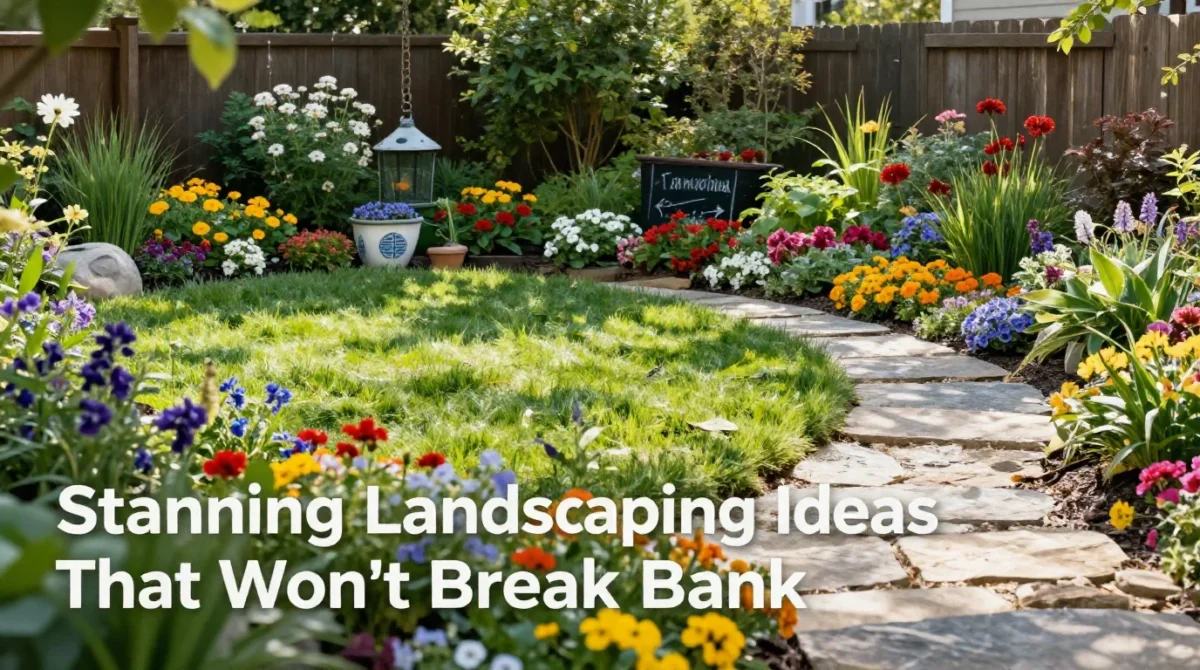
Stunning Landscaping Ideas to Boost Your Home’s Curb Appeal

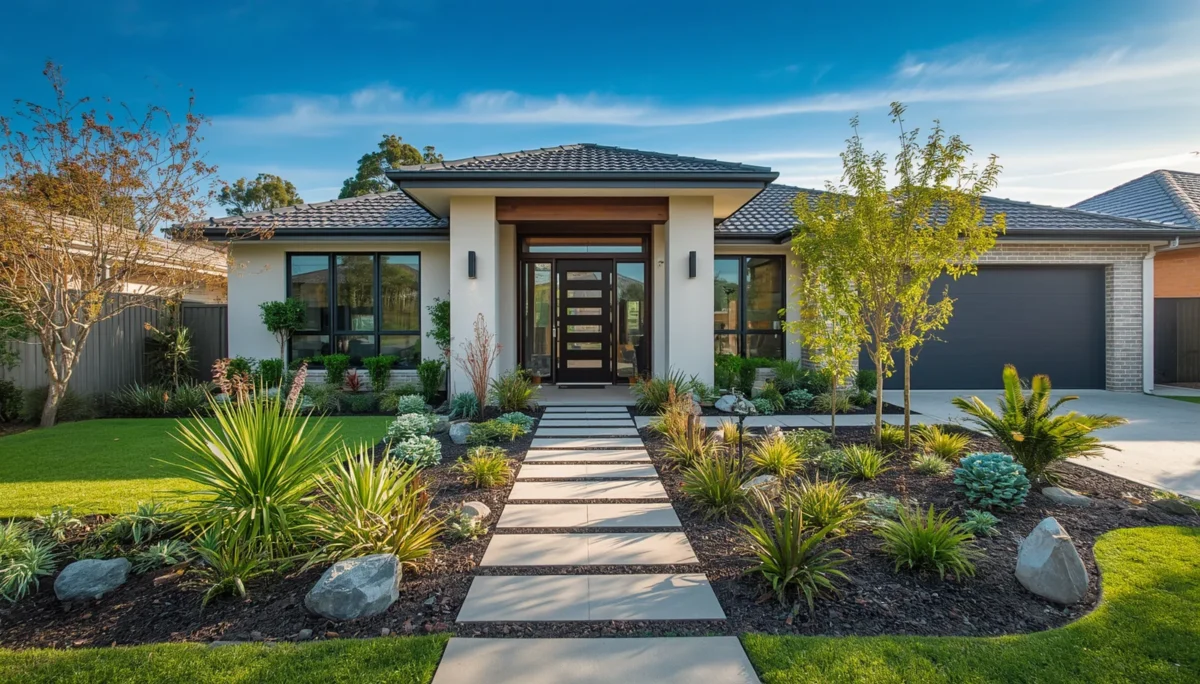
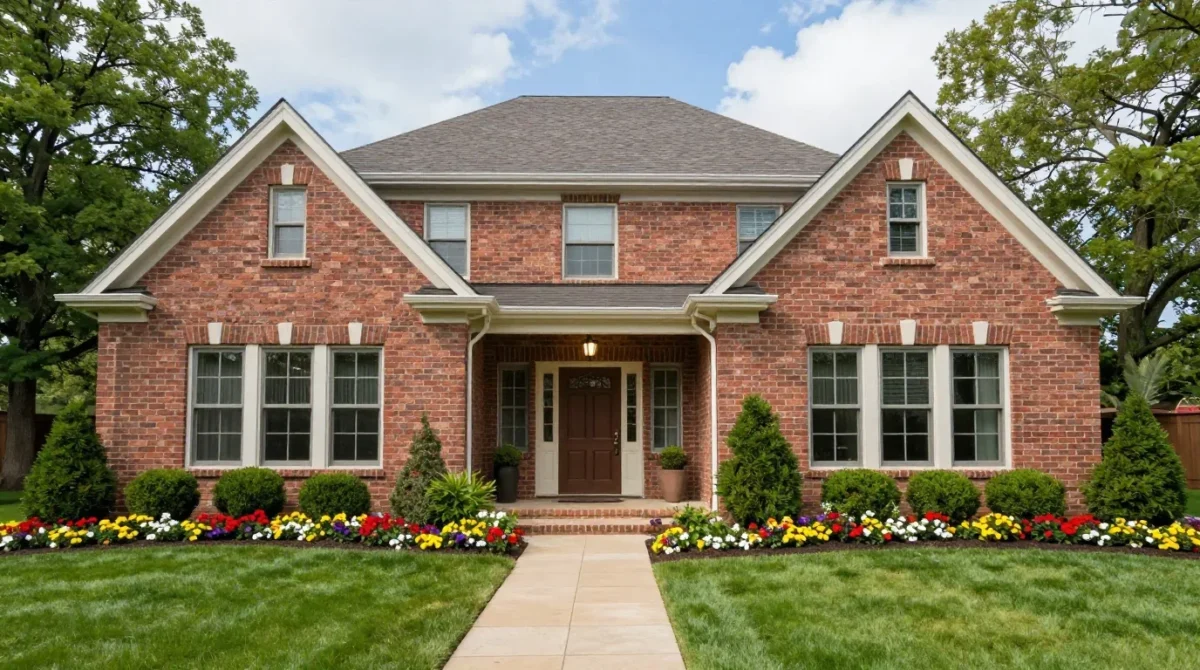
Your front yard is the first impression visitors have of your home, and in the Midwest, you have a unique opportunity to showcase landscaping that not only looks beautiful but also thrives in the region’s distinct four seasons. Whether you’re dealing with harsh winters, humid summers, or unpredictable spring weather, the right landscaping choices can transform your outdoor space into a stunning focal point that adds significant value to your property. 1. Native Prairie Grasses and Wildflower Mix: Native prairie grasses create an authentic, low-maintenance front yard that celebrates the natural heritage of the Midwest. Plants like big blue-stem, switch grass, and Indian grass provide stunning visual texture throughout the year, with vibrant fall colours that transition beautifully into winter. These hardy perennials require minimal water once established, making them perfect for Eco-conscious homeowners. The combination of grasses creates movement and sound in your landscape, adding a dynamic sensory experience that traditional lawn cannot match. Pairing prairie grasses with native wildflowers like purple cone-flowers, black-eyed Susana, and blazing star creates a pollinator paradise that attracts butterflies and bees throughout the growing season. This approach not only enhances your yard’s visual appeal with waves of colour but also supports local ecosystems and contributes to environmental conservation. The naturalistic appearance fits seamlessly with modern and traditional home styles, offering a sophisticated alternative to manicured lawns. 2. Stone Pathways with Host as and Shade Plants: Stone pathways add both function and elegance to your front yard while creating visual interest and guiding visitors to your entrance. Using locally sourced flagstone or slate creates an authentic Midwest aesthetic that complements both colonial and contemporary home styles. These pathways can curve through shade gardens filled with host as, ferns, and other shade-tolerant plants, creating a journey through your landscape rather than a simple walk to the door. The area surrounding stone pathways offers excellent opportunities for shade gardening, which many Midwest homeowners struggle to make work. Host as with their broad, architectural leaves create structure and visual weight, while complementary plantings like hellebore’s, runner, and Solomon’s seal add delicate textures and subtle colour variation. This layered approach to shade gardening creates depth and interest that evolves throughout the season, from spring bulbs to summer foliage to autumn transitions. 3. Raised Garden Beds for Seasonal Colour: Raised garden beds offer Midwest homeowners a practical solution for poor soil conditions while creating instantly elevated visual appeal in front yards. Built from composite materials, cedar, or composite decking, these beds provide superior drainage crucial for the region’s variable rainfall patterns. Filled with quality growing medium, they allow you to grow vibrant annuals and perennials that might struggle in native Midwest soil, while giving you complete control over soil composition and pH levels. The flexibility of raised beds makes them perfect for Midwest gardeners who love seasonal colour without the commitment of permanent plantings. In spring, plant cool-season annuals like pansies and snapdragons; transition to summer powerhouses like marigolds, zinnias, and impatiens; then finish with fall mums and ornamental cabbages. This rotating system keeps your front yard looking magazine-worthy from frost to frost while allowing you to experiment with different colour combinations each season. 4. Evergreen Foundation Plantings: Foundation planting of mixed evergreens including columnar junipers, dwarf arborvitae, and boxwood in varying heights, professional landscape design, winter setting showing evergreen structure Well-designed evergreen foundation plantings provide year-round structure and visual interest that deciduous plants cannot match. In the Midwest’s harsh winters, evergreens maintain their form and colour, ensuring your home always presents a polished, finished appearance regardless of season. The key to successful evergreen foundation plantings lies in understanding mature sizes and spacing plants appropriately, preventing the overgrown, crowded look that plagues many Midwest landscapes. Group plantings in odd numbers (three, five, or seven) following the principle that odd numbers feel naturally balanced and aesthetically pleasing. Vary heights and textures to create visual interest while maintaining a cohesive design that doesn’t appear chaotic. 5. Pollinator-Friendly Butterfly Gardens: Creating a butterfly garden in your Midwest front yard supports declining pollinator populations while adding living, moving colour and visual interest. Native milkweed species are essential for monarch butterfly caterpillars, providing the only plant they’ll eat during their larval stage, while also serving as nectar sources for adult butterflies. Complementing milkweed with other native nectar plants like cone-flowers, zinnias, Joe-Pyle weed, and blazing star creates a continuous bloom sequence from late spring through fall. Butterfly gardens teach children about life cycles and ecological interconnection while creating one of nature’s most mesmerising living displays. The movement of butterflies among flowers adds a dynamic, almost meditative quality to your outdoor space that static landscaping cannot provide. Grouping plants in clusters of the same species makes it easier for butterflies to locate food sources, creating more significant butterfly activity visible from your windows and street-facing areas. 6. Modern Minimalist Xeriscaping: Modern minimalist cauterising appeals to homeowners seeking low-maintenance, water-efficient landscaping that complements contemporary architecture. This approach replaces water-hungry lawns with carefully curated drought-resistant plants, decorative rock features, and clean geometric landscape elements that create visual impact through simplicity. Rock-based landscaping including river rocks, pea gravel, and larger feature boulders reduce irrigation needs while creating dynamic textural contrast against plant foliage. The appeal of cauterising extends beyond its aesthetic qualities to encompass practical benefits that resonate with modern homeowners. Reduced irrigation requirements translate to lower water bills and decreased maintenance during scorching Midwest summers. The mineral aesthetic creates a contemporary feel that’s simultaneously timeless, ageing gracefully over decades without the constant replanting and redesign that trend-based landscaping demands. 7. Welcoming Entrance with Flowering Shrubs: The entrance to your home deserves special attention, as this is where guests form their first impressions and spend moments appreciating your property. Flowering shrubs like lilacs, crab-apples, and viburnum frame your entryway beautifully while providing seasonal colour and fragrance that enhances the welcoming nature of your home. These varieties thrive in Midwest conditions, blooming reliably year after year with minimal fuss or special care. Flowering shrubs selected for entrance plantings … Read more