
Stunning Landscaping Ideas to Boost Your Home’s Curb Appeal

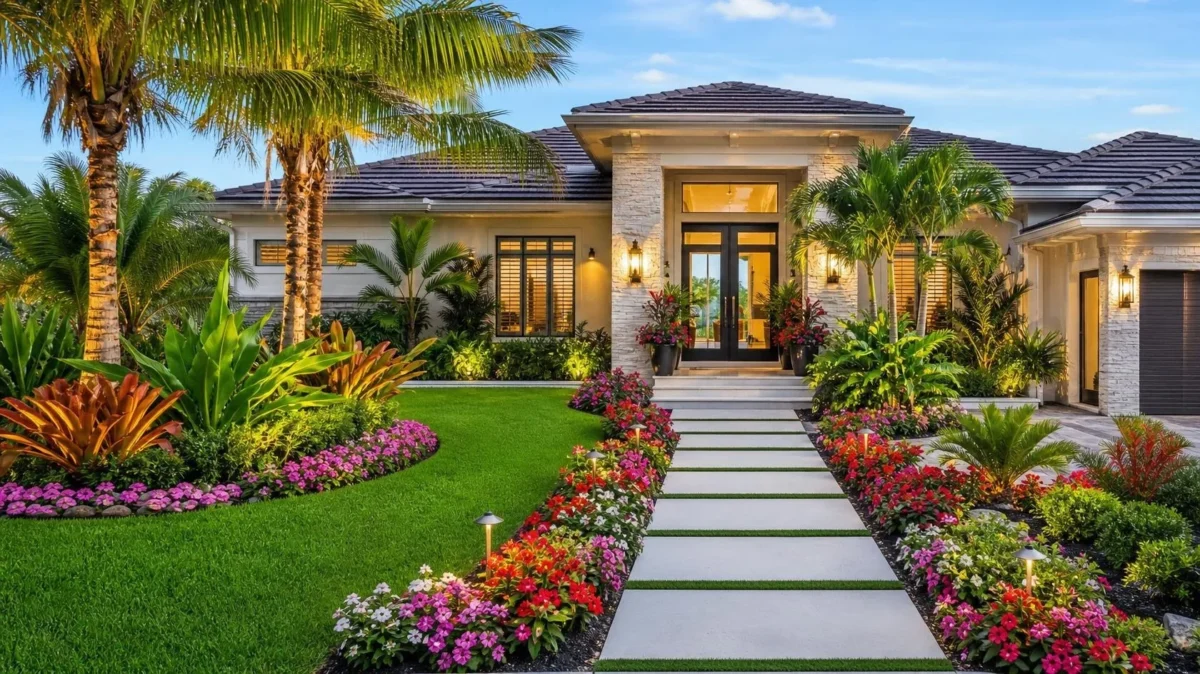
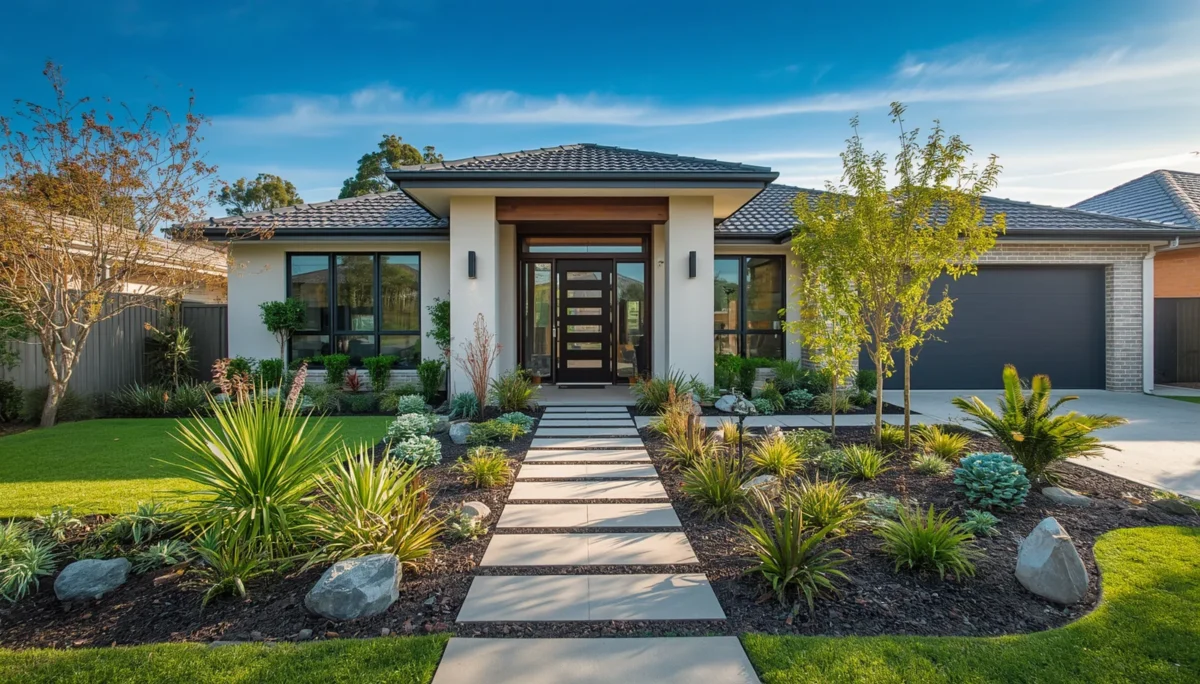
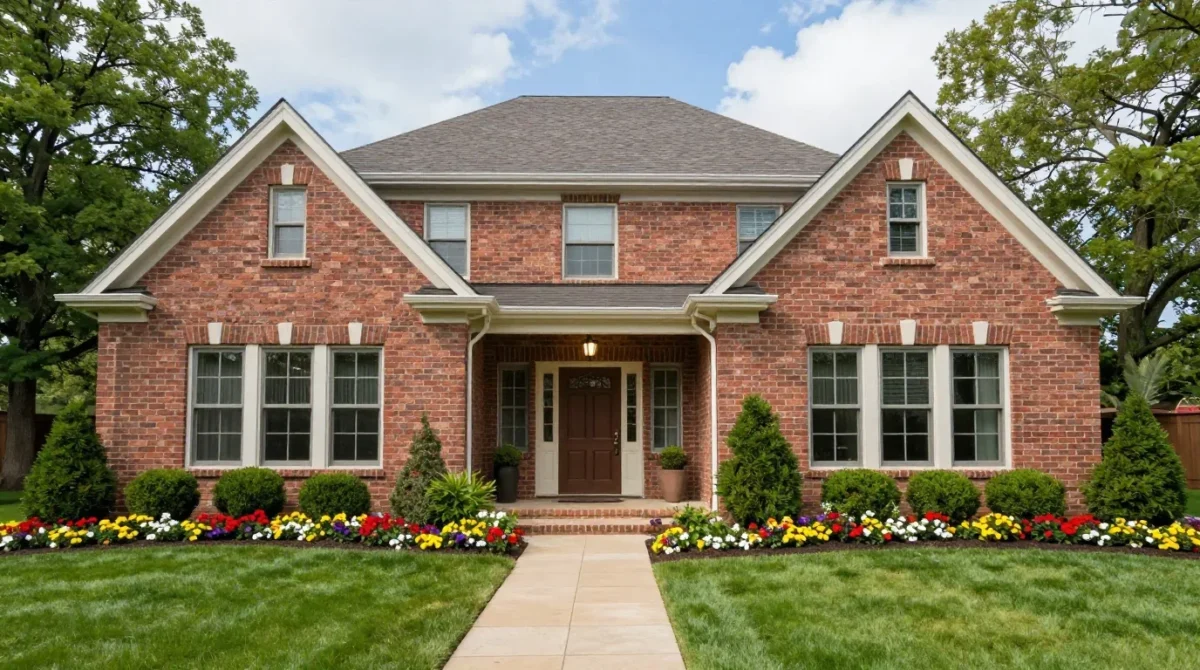
Your front yard is the first impression visitors have of your home, and in the Midwest, you have a unique opportunity to showcase landscaping that not only looks beautiful but also thrives in the region’s distinct four seasons. Whether you’re dealing with harsh winters, humid summers, or unpredictable spring weather, the right landscaping choices can transform your outdoor space into a stunning focal point that adds significant value to your property. 1. Native Prairie Grasses and Wildflower Mix: Native prairie grasses create an authentic, low-maintenance front yard that celebrates the natural heritage of the Midwest. Plants like big blue-stem, switch grass, and Indian grass provide stunning visual texture throughout the year, with vibrant fall colours that transition beautifully into winter. These hardy perennials require minimal water once established, making them perfect for Eco-conscious homeowners. The combination of grasses creates movement and sound in your landscape, adding a dynamic sensory experience that traditional lawn cannot match. Pairing prairie grasses with native wildflowers like purple coneflowers, black-eyed Susans, and blazing star creates a pollinator paradise that attracts butterflies and bees throughout the growing season. This approach not only enhances your yard’s visual appeal with waves of colour but also supports local ecosystems and contributes to environmental conservation. The naturalistic appearance fits seamlessly with modern and traditional home styles, offering a sophisticated alternative to manicured lawns. 2. Stone Pathways with Hostas and Shade Plants: Stone pathways add both function and elegance to your front yard while creating visual interest and guiding visitors to your entrance. Using locally sourced flagstone or slate creates an authentic Midwest aesthetic that complements both colonial and contemporary home styles. These pathways can curve through shade gardens filled with hostas, ferns, and other shade-tolerant plants, creating a journey through your landscape rather than a simple walk to the door. The area surrounding stone pathways offers excellent opportunities for shade gardening, which many Midwest homeowners struggle to make work. Hostas with their broad, architectural leaves create structure and visual weight, while complementary plantings like hellebore’s, runner, and Solomon’s seal add delicate textures and subtle colour variation. This layered approach to shade gardening creates depth and interest that evolves throughout the season, from spring bulbs to summer foliage to autumn transitions. 3. Raised Garden Beds for Seasonal Colour: Raised garden beds offer Midwest homeowners a practical solution for poor soil conditions while creating instantly elevated visual appeal in front yards. Built from composite materials, cedar, or composite decking, these beds provide superior drainage crucial for the region’s variable rainfall patterns. Filled with quality growing medium, they allow you to grow vibrant annuals and perennials that might struggle in native Midwest soil, while giving you complete control over soil composition and pH levels. The flexibility of raised beds makes them perfect for Midwest gardeners who love seasonal colour without the commitment of permanent plantings. In spring, plant cool-season annuals like pansies and snapdragons; transition to summer powerhouses like marigolds, zinnias, and impatiens; then finish with fall mums and ornamental cabbages. This rotating system keeps your front yard looking magazine-worthy from frost to frost while allowing you to experiment with different colour combinations each season. 4. Evergreen Foundation Plantings: Evergreen foundation plantings give your home year-round structure and a polished look that deciduous plants cannot match. Layer columnar junipers at the back for height, dwarf arborvitae in the middle, and rounded boxwood in front to create depth and rhythm along the foundation. In the Midwest’s harsh winters, these evergreens hold their form and color while everything else goes dormant, so your house always looks finished. Success depends on respecting mature sizes: check each plant’s ultimate width and space accordingly so the bed never looks crowded or overgrown. Plant in odd-numbered groups of three, five, or seven for a naturally balanced feel, and vary heights and textures — spiky juniper against soft boxwood — to keep the design lively. Keep plantings at least two feet from the foundation wall for air circulation and maintenance access. 5. Pollinator-Friendly Butterfly Gardens: Creating a butterfly garden in your Midwest front yard supports declining pollinator populations while adding living, moving colour and visual interest. Native milkweed species are essential for monarch butterfly caterpillars, providing the only plant they’ll eat during their larval stage, while also serving as nectar sources for adult butterflies. Complementing milkweed with other native nectar plants like coneflowers, zinnias, Joe-Pyle weed, and blazing star creates a continuous bloom sequence from late spring through fall. Butterfly gardens teach children about life cycles and ecological interconnection while creating one of nature’s most mesmerising living displays. The movement of butterflies among flowers adds a dynamic, almost meditative quality to your outdoor space that static landscaping cannot provide. Grouping plants in clusters of the same species makes it easier for butterflies to locate food sources, creating more significant butterfly activity visible from your windows and street-facing areas. 6. Modern Minimalist Xeriscaping: Modern minimalist xeriscaping appeals to homeowners seeking low-maintenance, water-efficient landscaping that complements contemporary architecture. This approach replaces water-hungry lawns with carefully curated drought-resistant plants, decorative rock features, and clean geometric landscape elements that create visual impact through simplicity. Rock-based landscaping including river rocks, pea gravel, and larger feature boulders reduce irrigation needs while creating dynamic textural contrast against plant foliage. The appeal of xeriscaping extends beyond its aesthetic qualities to encompass practical benefits that resonate with modern homeowners. Reduced irrigation requirements translate to lower water bills and decreased maintenance during scorching Midwest summers. The mineral aesthetic creates a contemporary feel that’s simultaneously timeless, ageing gracefully over decades without the constant replanting and redesign that trend-based landscaping demands. 7. Welcoming Entrance with Flowering Shrubs: The entrance to your home deserves special attention, as this is where guests form their first impressions and spend moments appreciating your property. Flowering shrubs like lilacs, crab-apples, and viburnum frame your entryway beautifully while providing seasonal colour and fragrance that enhances the welcoming nature of your home. These varieties thrive in Midwest conditions, blooming reliably year after year with minimal fuss or special … Read more