
Introduction
Are you tired of traditional grass lawns that require constant maintenance and offer nothing but aesthetic appeal? It’s time to re-imagine your front yard as a productive, beautiful space that feeds your family while impressing your neighbours. Edible landscaping is revolutionising how homeowners think about their outdoor spaces, blending ornamental beauty with practical food production. Whether you have a sprawling suburban lot or a compact urban garden, there are countless ways to incorporate edible plants into your front yard design. This comprehensive guide showcases innovative edible front yard landscaping ideas that prove food-producing gardens don’t have to sacrifice curb appeal. From vertical gardens that maximise space to flowering fruit trees that double as stunning focal points, these ideas will inspire you to create a landscape that’s as nutritious as it is beautiful. Each concept is designed to work in various climate zones and property sizes, making it possible for anyone to start their edible landscaping journey today.
1. Raised Herb Beds Along the Pathway:
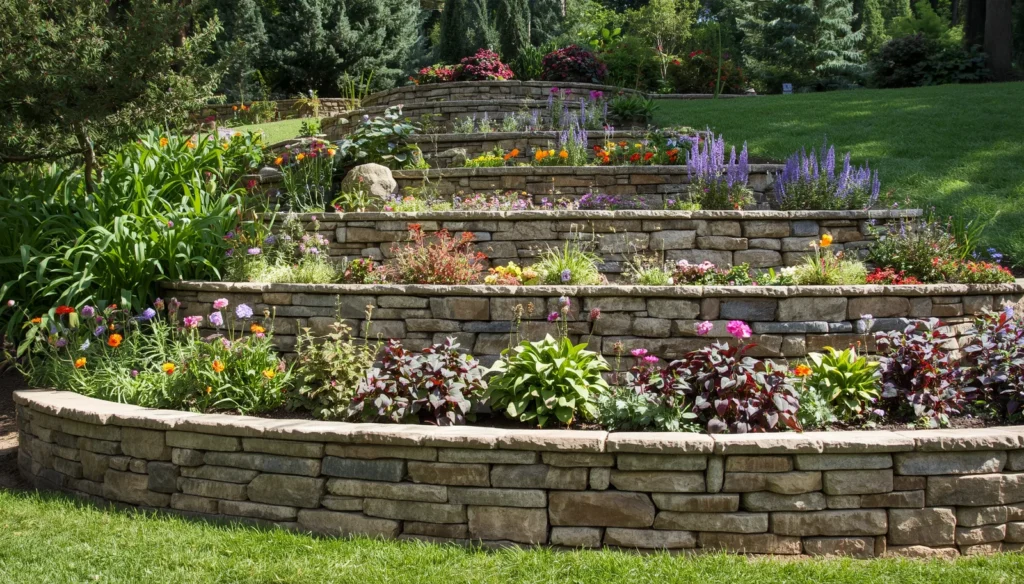
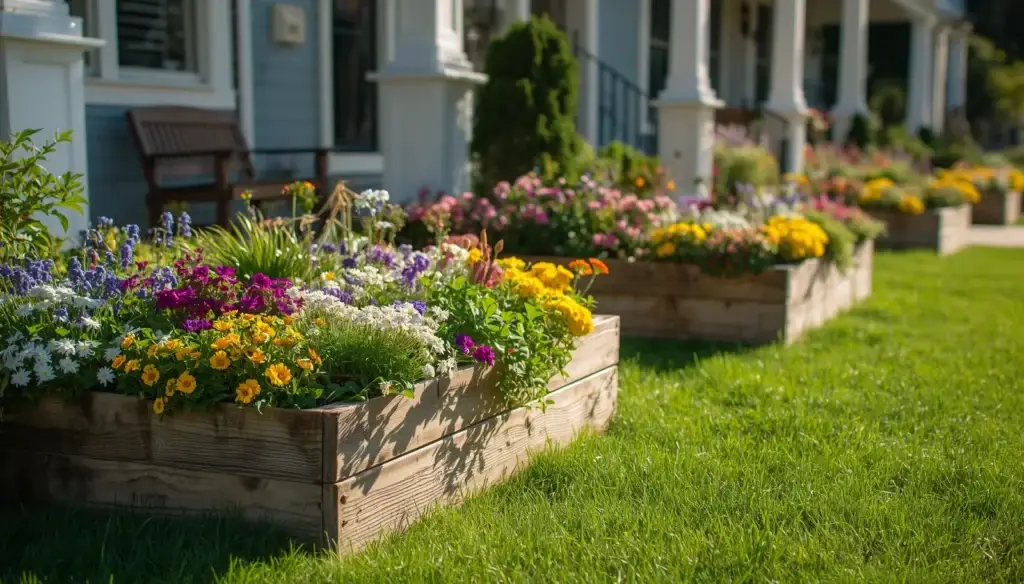
Raised herb beds positioned along your front walkway create an inviting entrance while providing easy access to fresh culinary herbs. These elevated gardens offer excellent drainage and make it simple to harvest ingredients when cooking. The organised appearance of tiered herb beds adds architectural interest to your landscaping while keeping everything visible and accessible from your home. Herbs like rosemary, thyme, oregano, and sage naturally maintain neat, compact shapes, creating an orderly, sophisticated look that enhances curb appeal.
These pathway herb beds can be constructed from cedar, composite materials, or galvanised metal to match your home’s aesthetic. Mixing culinary herbs with ornamental varieties like purple basil or flowering chamomile creates visual interest throughout the seasons. The aromatic qualities of the herbs create an enchanting sensory experience for visitors while reducing the need for commercial air fresheners. Strategic lighting in the evening can highlight these beds, making them functional decor that serves your cooking needs daily.
2. Dwarf Fruit Trees as Focal Points:
Dwarf fruit trees are game-changers for small-space edible landscaping, offering abundant harvests without dominating your property. These carefully bred cultivars produce full-sized fruit while maintaining manageable heights of 8 to 12 feet, making them perfect for front yards. Apple, peach, cherry, and pear varieties offer spectacular spring blooms that rival ornamental flowering trees, providing months of visual interest before the fruit arrives. Positioning a dwarf fruit tree as a focal point in your landscape immediately elevates the entire aesthetic.
Beyond their productivity, dwarf fruit trees serve as stunning architectural elements that draw the eye and create natural gathering spaces beneath their canopies. Many varieties are self-pollinating or require minimal cross-pollination, making them practical for single-tree planting. The structured growth habit of grafted dwarf trees means less pruning and maintenance compared to standard varieties. Choose disease-resistant cultivars suited to your climate zone to ensure years of beautiful blooms and bountiful harvests that provide your family with fresh, pesticide-free fruit.
3. Vertical Salad Gardens on Trellises:
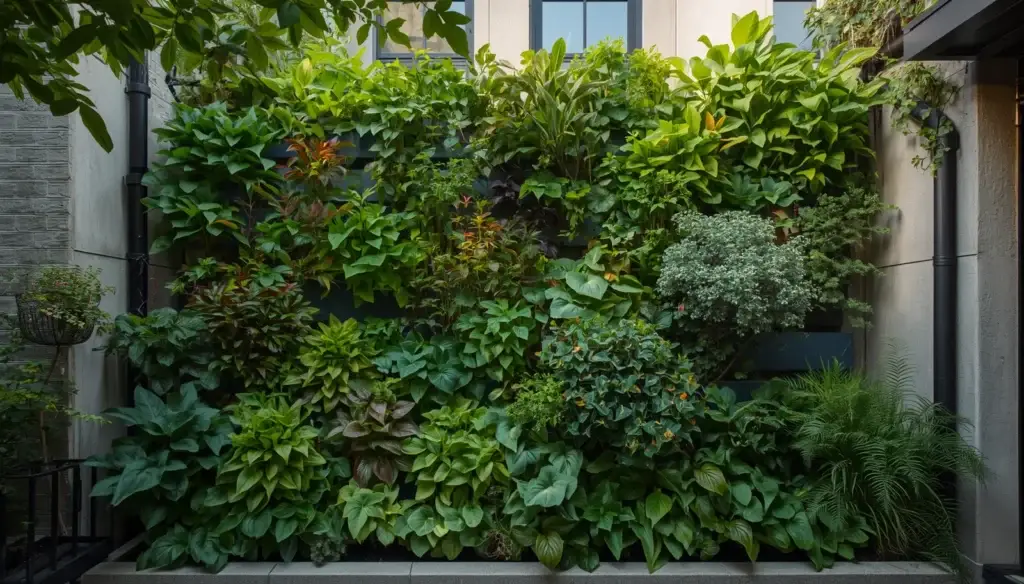
Vertical salad gardens represent the pinnacle of space-efficient edible landscaping, perfect for properties where horizontal garden beds aren’t feasible. By training climbing greens, peas, and beans up sturdy trellises against your home or fence, you create a living wall that’s both functional and strikingly beautiful. This approach maximises sun exposure, improves air circulation around plants, and makes harvesting a pleasure rather than a back-bending chore. Vertical arrangements also prevent soil-borne diseases and reduce pest pressure significantly.
Installing trellises with climbing greens transforms blank walls into productive spaces that attract pollinators and create dappled shade during warm months. You can grow varieties like sugar snap peas, pole beans, and climbing lettuce varieties that naturally thrive in vertical orientations. The visual effect is reminiscent of European country gardens, adding charm and character to your home’s exterior. These gardens require less water due to improved drainage and air circulation, making them environmentally friendly while providing weeks of fresh salad ingredients throughout the growing season.
4. Container Vegetable Gardens on Porches:
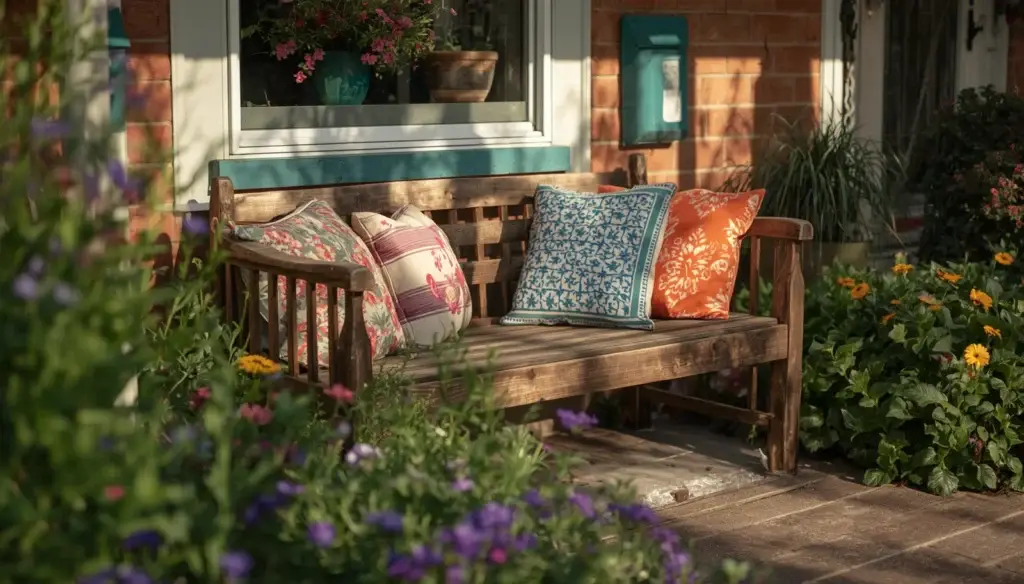
Container gardening on your front porch offers unmatched flexibility and allows you to grow vegetables in decorative containers that complement your home’s style. Tomatoes, peppers, lettuce, and herbs thrive in well-draining containers and provide the added benefit of being mobile, allowing you to follow the sun or bring plants inside during harsh weather. The visual appeal of colourful vegetables and flowering companion plants creates an inviting entrance that tells visitors you take food production seriously while maintaining aesthetics.
Choosing containers in coordinating colours and materials creates a cohesive, intentional look that elevates your porch’s visual interest. Mixing vegetables with ornamental flowers like marigolds and nasturtiums adds layers of colour while providing natural pest control and pollinator attraction. Container gardens are perfect for renters and homeowners with limited space, offering control over soil quality and growing conditions. The proximity to your front door makes harvesting incredibly convenient, encouraging you to use fresh produce daily in your cooking.
5. Strawberry Towers and Hanging Baskets:
Strawberry towers maximise vertical space while creating an enchanting focal point that produces pounds of delicious berries throughout the season. These innovative structures, available in various materials from wood to terracotta, allow multiple plants to grow in a compact footprint while maintaining excellent drainage and air circulation. The cascading effect of hanging strawberry baskets creates natural beauty that rivals ornamental plantings while producing fresh fruit for your family throughout the growing season.
Installing strawberry towers near your home’s entrance creates a whimsical, welcoming aesthetic while keeping berries accessible and pest-controlled on elevated surfaces. Hanging baskets of trailing strawberry varieties add dimension to porches, railings, and pergolas while providing abundant fruit without ground-level slug and pest concerns. The cheerful red berries against green foliage create visual interest from spring through fall, and many varieties offer ornamental qualities beyond production. Guests often comment on the creativity of edible landscaping when they encounter productive strawberry displays that are equally beautiful as they are functional.
6. Perennial Nut Trees as Boundary Markers:
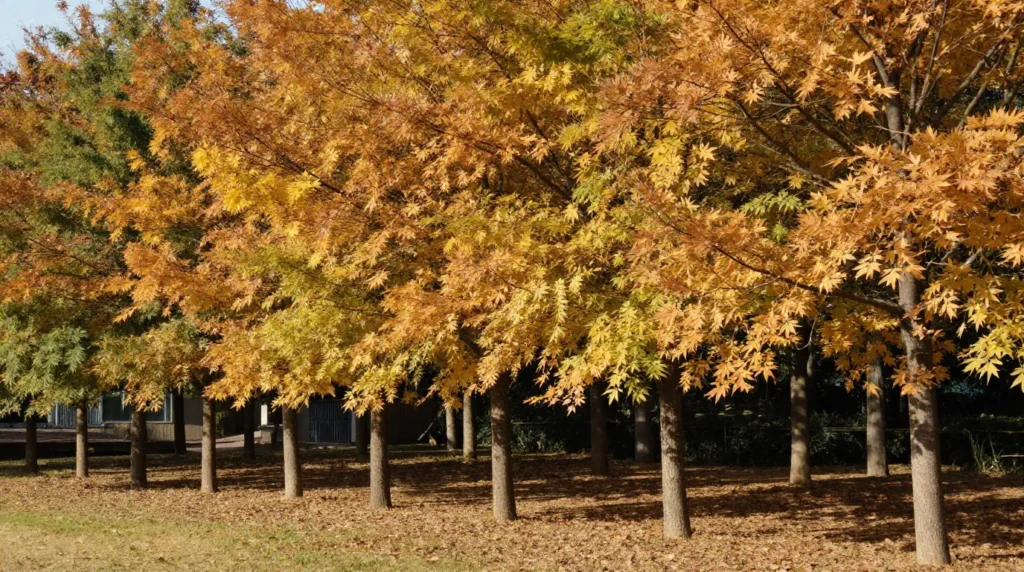
Nut trees like chestnuts, hazelnuts, and black walnuts serve dual purposes as boundary definition and long-term food production, creating living fences that mature into productive landscapes. These elegant trees develop attractive forms with seasonal foliage that provides visual interest throughout the year while delivering harvests that improve with age. Positioning nut trees strategically along your property line creates natural screening while establishing a productive orchard that increases property value and provides decades of nutritious harvests.
Many nut varieties thrive in challenging growing conditions where ornamental trees might struggle, making them resilient landscape choices that reduce overall maintenance needs. Their spreading canopies create welcoming shade structures perfect for outdoor gathering spaces while producing valuable crops. Choose varieties suited to your climate zone to ensure success and maximum production. The nuts themselves provide year-round pantry staples, and the aesthetic beauty of mature nut trees rivals any ornamental specimen, making them a smart investment in your property’s long-term value and productivity.
7. Edible Flower Gardens for Visual Drama:
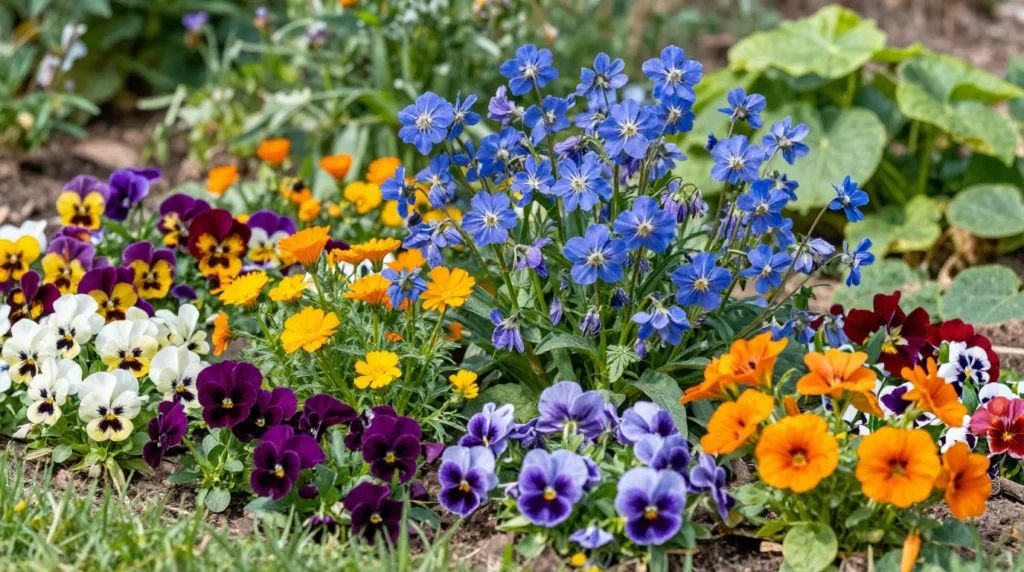
Edible flowers revolutionise the concept of ornamental gardens by combining maximum visual impact with culinary functionality. Growing A vibrant flower bed bursting with colourful edible flowers including pansies, calendula, nasturtiums, violas, and forage with their blue star-shaped blooms, sunny garden setting with green foliage background, nasturtiums, pansies, forage, and violas creates stunning displays of colour that can be harvested for salads, garnishes, and herbal teas. These beautiful flowers attract pollinators while adding nutritional value to your meals, proving that food production doesn’t require sacrificing landscape beauty. Flower gardens bursting with colour create Instagram-worthy scenes that celebrate the edible landscaping movement.
Edible flower beds require minimal special care beyond standard flower gardening practices, making them accessible to beginners and experienced gardeners alike. Many edible flowers self-seed freely, providing successive blooms throughout the growing season and even returning year after year in perennial gardens. The vibrant colours create focal points and accent areas that guide visitors through your landscape while providing ingredients for elegant garnishes that impress dinner guests. Combining edible flowers with culinary herbs creates layered gardens that produce multiple harvests while remaining strikingly beautiful in all seasons.
8. Espalier Fruit Trees Against Walls:
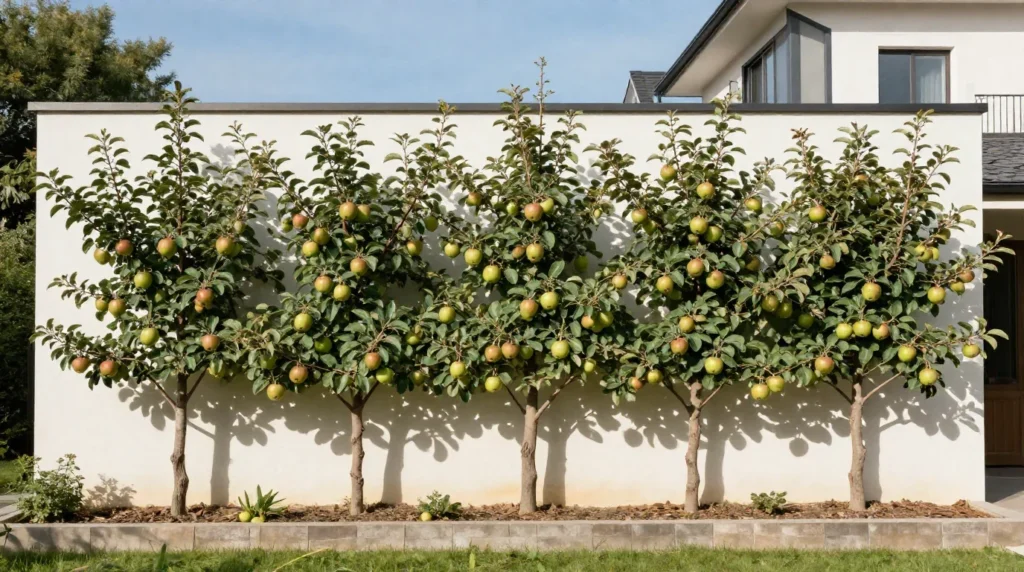
Espaliering fruit trees against your home’s south-facing wall combines ancient horticultural techniques with modern small-space gardening, creating living artwork that produces abundant fruit. This training method manipulates tree growth into geometric patterns that maximise sun exposure while creating striking architectural features. Espalier trees require less space than conventional growing methods while producing surprising fruit yields, making them perfect for front yards where every square foot matters. The formal, sophisticated appearance of well-trained espalier instantly elevates your landscape’s aesthetic.
This specialised technique rewards patience and attention with years of productive beauty that showcases your commitment to thoughtful landscaping. Apples, pears, and stone fruits adapt well to espalier training, and many heirloom varieties respond beautifully to this method. The flat growing pattern protects trees from harsh winds while maximising wall-reflected heat that accelerates ripening and sweetness. Guests invariably stop to admire well-maintained espalier trees, creating conversation starters about your innovative approach to edible landscaping.
9. Pollinator-Friendly Medicinal Herb Garden:
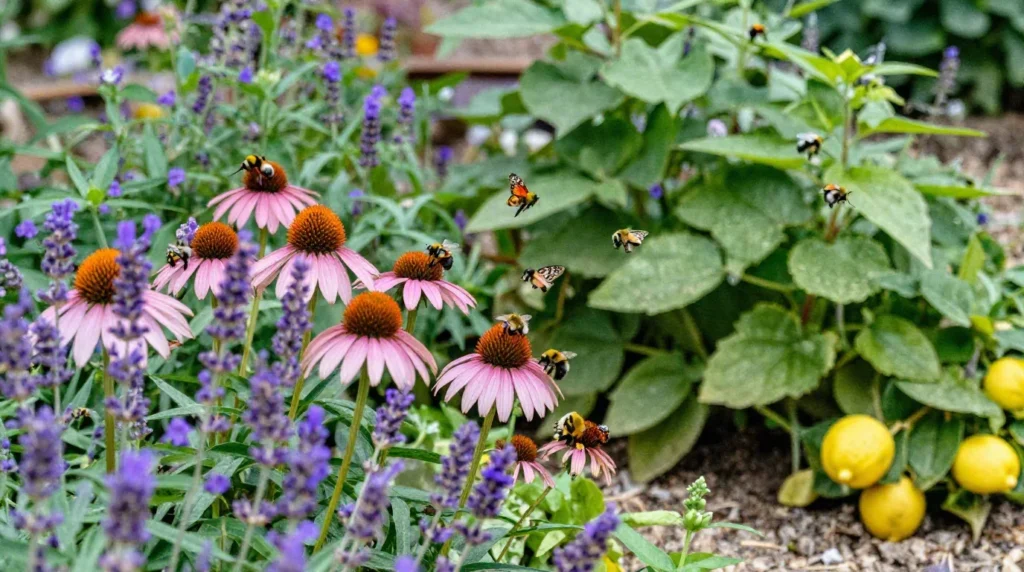
Creating a medicinal herb garden that doubles as a pollinator haven combines wellness benefits with environmental stewardship. Growing herbs like echidna, lavender, bee balm, chamomile, and lemon balm provides natural remedies while creating stunning displays that attract butterflies, bees, and hummingbirds. These flowering herbs bridge the gap between ornamental gardens and food production, offering beautiful blooms alongside health-promoting harvests. The soft colours and gentle textures of medicinal herbs create soothing landscape aesthetics that feel both sophisticated and welcoming.
A medicinal herb garden positioned prominently in your front yard sends a message about your values regarding natural health and environmental sustainability. Many medicinal herbs require minimal maintenance once established, thriving in various conditions and returning year after year. The blooming sequence of different medicinal herbs extends visual interest throughout the growing season while ensuring continuous harvests for teas, tinctures, and remedies. This garden style appeals to health-conscious homeowners seeking practical alternatives to purchased supplements and pharmaceuticals.
10. Productive Berry Bushes as Hedgerows:
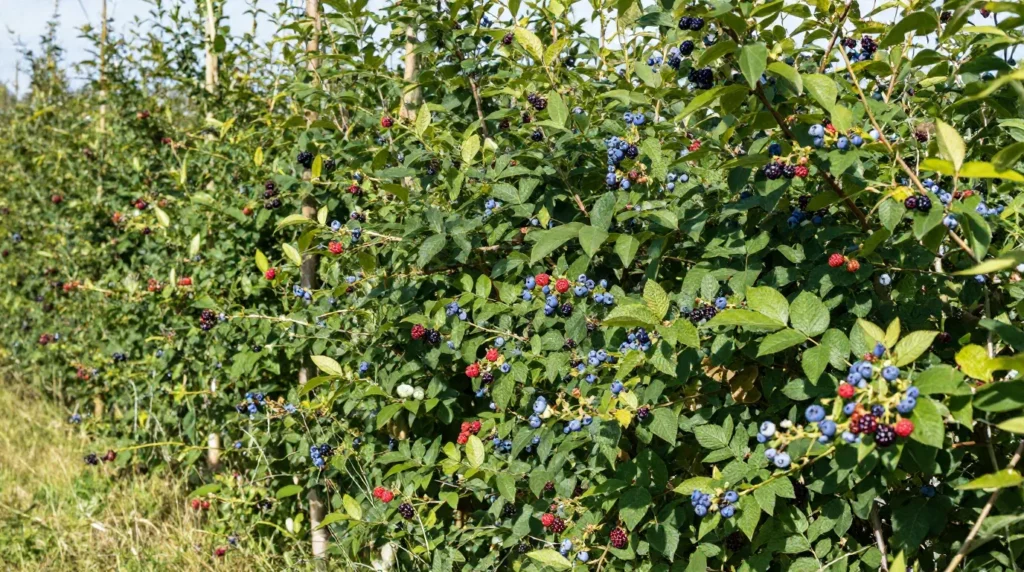
Converting traditional ornamental hedges into productive berry hedgerows transforms your property boundaries into food-producing landscapes. Blueberry bushes develop beautiful fall foliage that rivals ornamental species, while blackberry and raspberry brambles create living screens that produce abundant fruit. Berry hedgerows provide privacy screening, wind protection, and wildlife habitat while generating harvests that accumulate throughout the season. This approach maximises productivity per square foot while maintaining the visual function of traditional hedges.
Strategic positioning of different berry varieties ensures succession harvests spanning several months, providing fresh berries for table, jams, and preserves. Many berry bushes display attractive flowers in spring before producing colourful fruit, offering dual-season ornamental value. The dense growth habit of berry hedgerows creates natural privacy screens while reducing your need for artificial fencing materials. Native and adapted berry varieties thrive with minimal chemical inputs, making hedgerows low-maintenance productive additions to your landscape.
11. Tiered Vegetable Gardens with Retaining Walls:
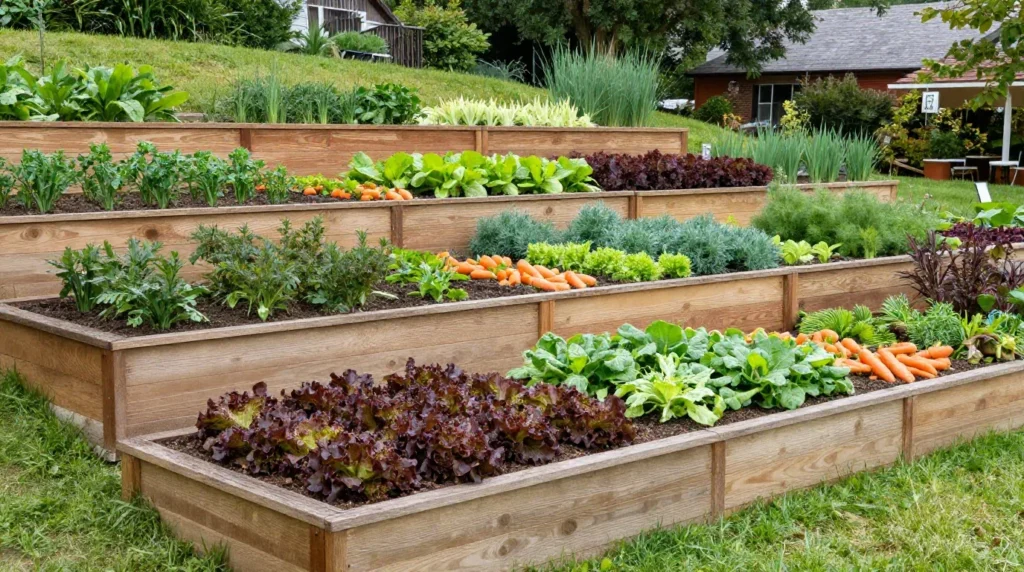
Tiered vegetable gardens utilise challenging sloped front yards by integrating retaining walls that create level planting areas while adding architectural interest. This terraced approach prevents soil erosion while maximising growing space on properties that would otherwise be difficult to landscape. Staggered beds create visual depth and allow different plant heights to be showcased simultaneously, creating dynamic garden scenes. Retaining walls in natural materials like stone or wood blend beautifully with vegetation while providing years of structural support.
Tiered gardens make harvesting comfortable by eliminating the need to bend excessively on sloped terrain while creating natural amphitheatre-like arrangements where plants are displayed at varying heights. This design allows you to position shade-loving plants at lower tiers while placing sun-demanding vegetables at higher levels, optimising growing conditions throughout the garden. The architectural quality of well-constructed tiered beds elevates your property’s visual interest while solving drainage and erosion challenges inherent to slope properties. This approach transforms landscaping challenges into opportunities for creative, productive garden design.
12. Perennial Vegetable Gardens with Asparagus and Rhubarb:
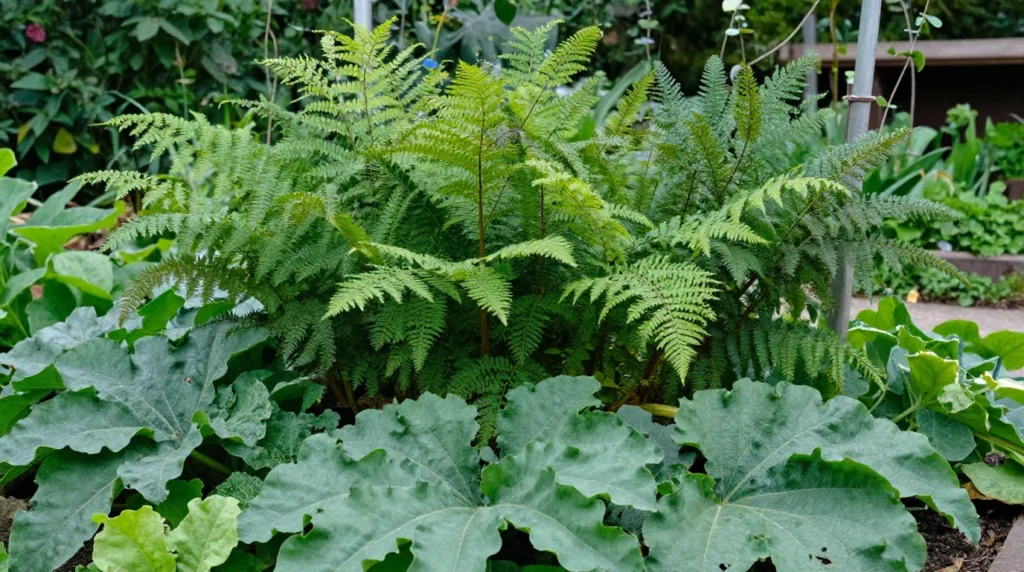
Perennial vegetables like asparagus and rhubarb offer the gift of productive gardens requiring minimal annual replanting. These long-lived plants develop deep root systems that make them drought-tolerant once established while producing harvests that improve year after year. Asparagus fern foliage develops feathery beauty in summer before creating architectural seed heads in fall, while rhubarb’s large leaves create tropical-like textural interest. These perennial vegetables reduce yearly labour while providing reliable harvests that anchor your edible landscape.
Asparagus beds reach peak productivity around year three and can produce for 15 to 20 years with minimal care, making them long-term investments in your property’s productivity. Rhubarb similarly improves with age, developing larger plants and more robust harvests as years pass. Positioning these perennials in semi-permanent locations acknowledges their long-term presence while allowing you to design surrounding gardens around their established needs. The distinct textures and growth habits of perennial vegetables create visual focal points that evolve with seasonal changes while delivering consistent harvests families depend on.
13. Sunken Garden Beds for Micro-climate Enhancement:
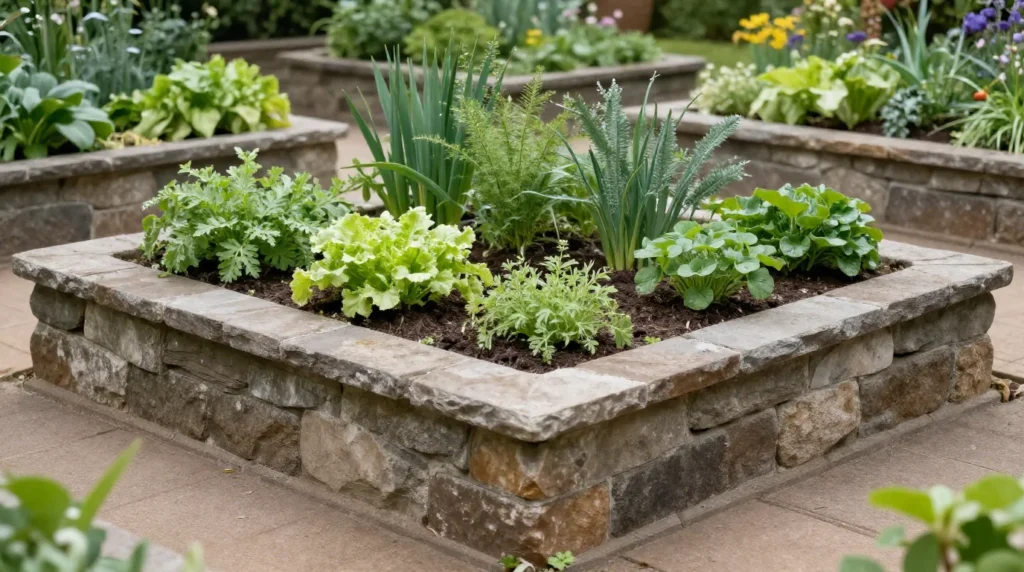
Sunken garden beds create protected micro-climates that extend growing seasons while providing visual interest through their architectural depression in the landscape. By lowering bed levels below grade, you create wind protection and maximise heat retention, allowing you to grow speciality vegetables and tender plants in otherwise challenging climates. The sunken design provides natural drainage while creating inviting gathering spaces where visitors naturally stop to admire your edible landscape. This innovative approach combines form and function in ways that impress even casual observers.
Sunken beds positioned near your home’s foundation benefit from heat reflected by building materials while receiving optimal drainage and protection. The architectural quality of well-constructed sunken beds creates depth and visual complexity in your front yard landscape. These protected micro-climates allow you to extend your growing season weeks beyond your area’s normal parameters, enabling longer harvests and potentially allowing frost-sensitive plants to survive. The creative use of space inherent to sunken gardens demonstrates thoughtful landscape planning that maximise every square foot.
14. Pollinator Pathway Networks:
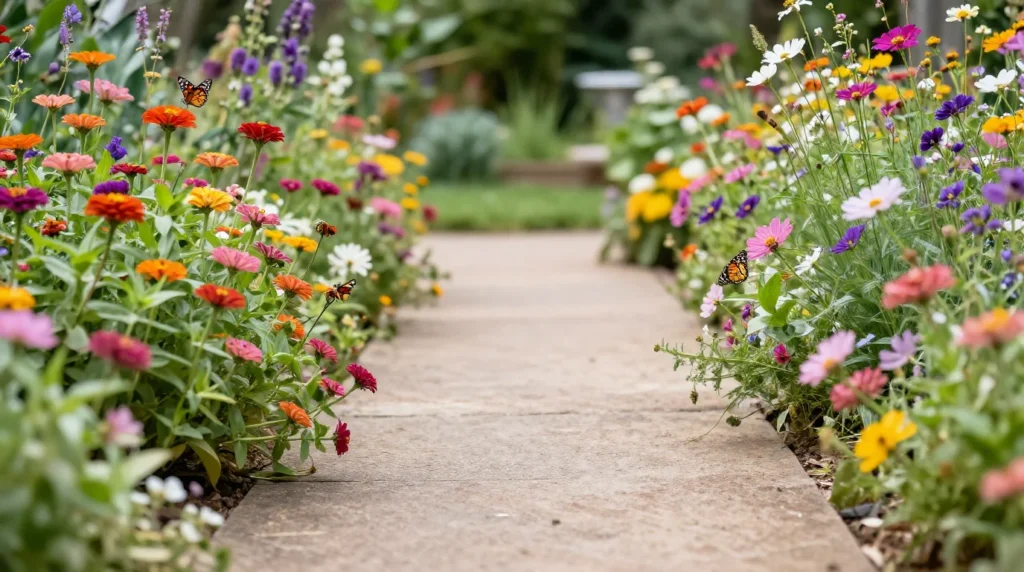
Creating dedicated pollinator pathways through your front landscape supports critical species while adding visual structure and beauty to your property. By lining pathways with flowering edible plants like forage, cosmos, zinnias, and native wildflowers, you create corridors that guide pollinators through your garden while providing habitat and food sources. These pathway gardens combine practical wildlife support with aesthetic landscaping that creates inviting walking routes through your property.
Pollinator pathways demonstrate commitment to environmental stewardship while creating educational opportunities for visitors and children observing insects and wildlife. The continuous blooms along these corridors provide visual interest throughout the growing season while ensuring pollinators have reliable food sources. Selecting a mix of edible and native flowering plants maximise the gardens’ productivity and beauty simultaneously. These pathways naturally guide foot traffic while creating Instagram-worthy scenes that celebrate the intersection of food production and wildlife habitat.
15. Grafted Multi-Fruit Trees for Space Efficiency:
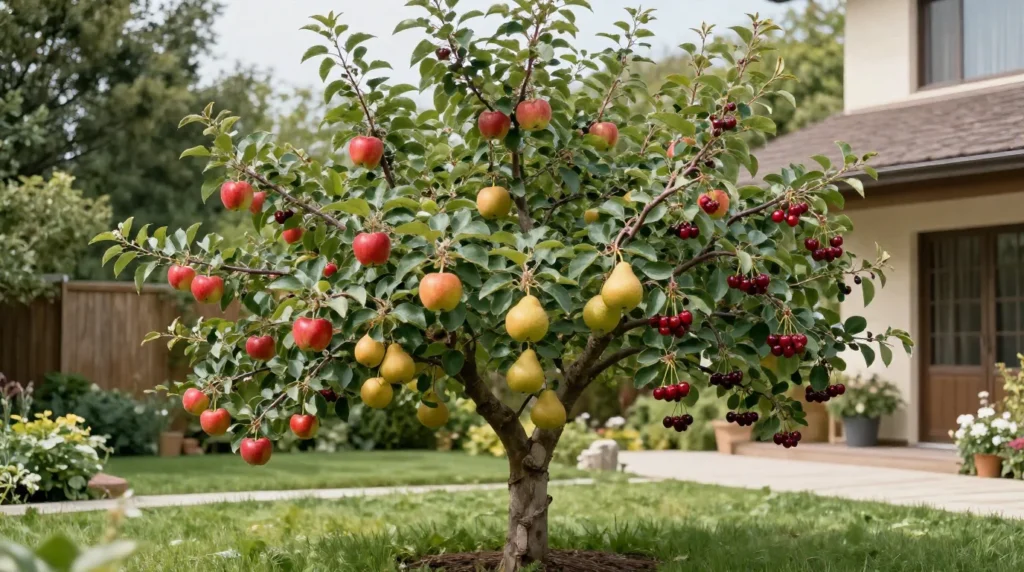
Multi-graft fruit trees revolutionise small-space gardening by producing multiple fruit varieties from a single tree, maximising diversity and productivity in limited landscape areas. A single tree can produce apples, pears, peaches, and cherries simultaneously through careful grafting techniques employed by speciality nurseries. This horticultural innovation reduces the space required for diverse fruit production while creating visually striking specimens that generate conversation. These unique trees demonstrate advanced gardening knowledge while providing exceptional harvests from minimal property footprint.
Grafted multi-fruit trees require careful initial selection and positioning since different varieties have slightly different requirements, but mature trees produce reliable, abundant harvests. The staggered ripening times of different grafted varieties extend your harvest season, providing fresh fruit across weeks or months. Positioning these specialised trees prominently in your landscape celebrates your commitment to sophisticated, efficient gardening while creating living demonstrations of horticultural innovation. The novelty of harvesting multiple fruit varieties from a single specimen tree continues surprising family and guests year after year.
16. Nitrogen-Fixing Legume Gardens for Soil Health:
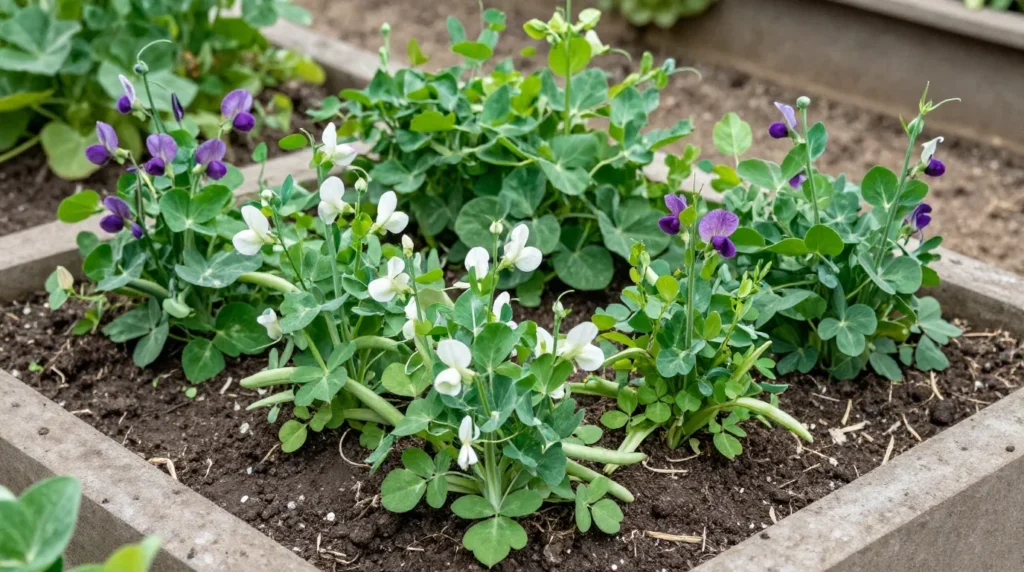
Legume gardens transform your edible landscape while improving soil health through natural nitrogen fixation, demonstrating sophisticated understanding of garden ecology. Incorporating peas, beans, and clover improves soil biology while producing abundant nutritious harvests, creating gardens that become more productive over time. These nitrogen-fixing plants eliminate your need for synthetic fertilisers while supporting long-term soil fertility and sustainability. Legume gardens appeal to environmentally conscious homeowners seeking to reduce chemical inputs while improving their growing conditions.
Rotating legumes through different beds each season builds soil fertility progressively, allowing you to reduce or eliminate purchased fertiliser amendments. The beautiful flowers of peas and beans attract pollinators while adding visual interest to your edible landscape. Growing legumes alongside vegetables creates interactive ecosystems that demonstrate natural resource cycling. As your garden progresses through seasons and years, the compounding benefits of legume integration become visible through improved plant vigour and increased productivity requiring fewer external inputs.
17. Shade-Tolerant Edible Under-story Gardens:
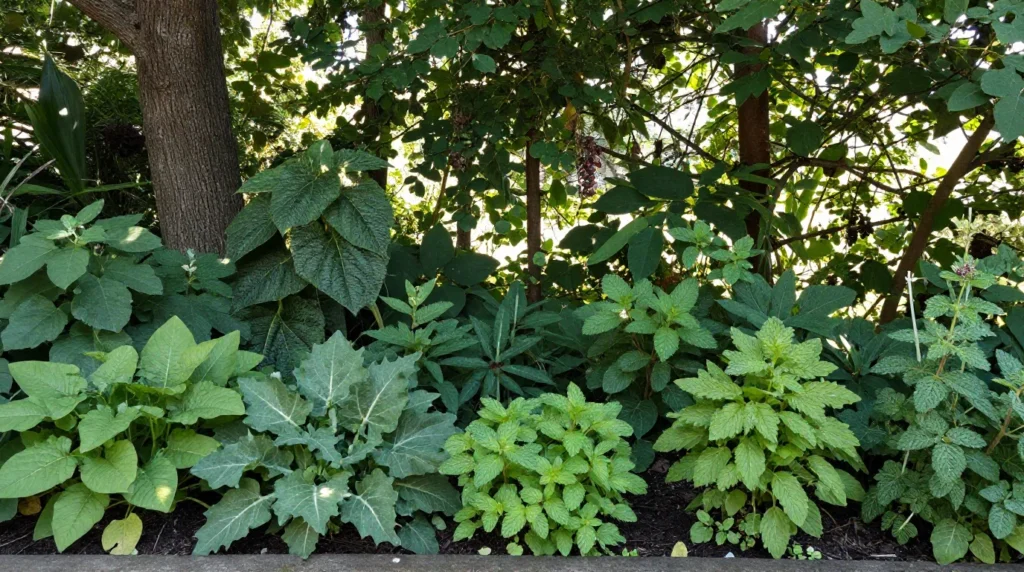
Utilising shade cast by mature trees or buildings creates opportunities for shade-tolerant edible gardens that expand your growing options. Leafy greens, herbs like mint and parsley, shade-tolerant berries, and plants like ramps thrive in partial shade, producing nutritious harvests in areas other edibles cannot. This approach transforms challenging shaded areas into productive spaces while reducing wasted property space. Shade-tolerant edible gardens demonstrate sophisticated understanding of micro-climates and plant requirements.
Shade gardens created beneath mature trees benefit from consistent moisture retention and protection from summer heat that causes bolting in sensitive plants. Many shade-tolerant edibles prefer the cooler conditions under tree canopies, producing more tender, better-flavoured harvests than they might in full sun. The layered composition of shade gardens creates visual richness and complexity that appeals to design-conscious homeowners. Converting problematic shade areas into productive edible gardens transforms landscape liabilities into assets.
18. Productive Vine-Covered Arbours and Pergolas:
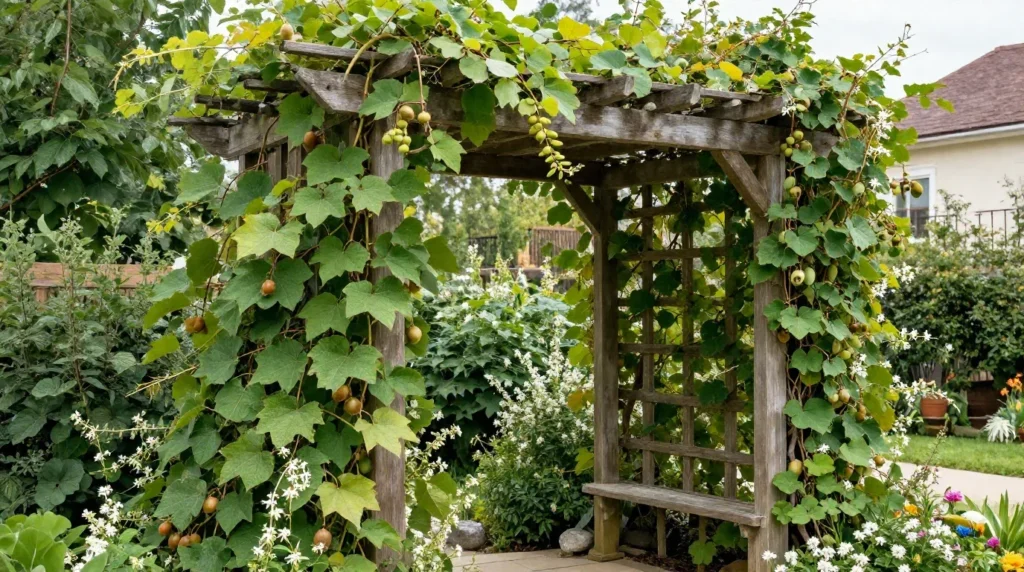
Arbours and pergolas covered with productive vines create architectural garden structures that provide shade, beauty, and abundant harvests simultaneously. Grapes, kiwis, and passion fruit vines trained over sturdy structures transform functional elements into productive focal points that define your landscape. The cooling effect of vine-covered structures reduces home cooling costs while creating inviting shaded gathering spaces. These verdant structures add immense curb appeal while serving as living artwork that evolves seasonally.
The training of vines over arbours and pergolas creates striking visual impact as fruits mature throughout the season, with harvests literally hanging from architectural structures. Supporting different vine varieties extends your harvest season while creating layered landscapes with fruits at varying heights. The romantic quality of vine-covered arbours appeals to homeowners seeking gardens that feel established and sophisticated. These productive structures become beloved family gathering places while providing harvests that remind you of the deep satisfaction of growing your own food.
19. Succession Planting Gardens for Continuous Harvests:
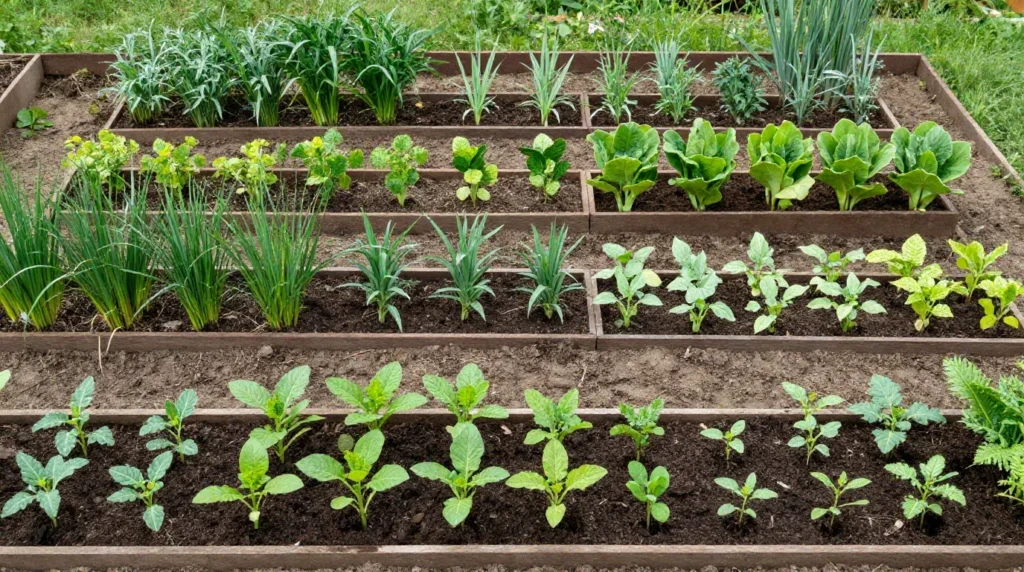
Succession planting transforms static gardens into dynamic productive landscapes through strategic timing of planting intervals that ensure continuous harvests. Rather than planting entire beds simultaneously, staggered planting every two to three weeks creates rolling harvests across months. This sophisticated approach demonstrates advanced gardening knowledge while eliminating feast-or-famine cycles that plague less carefully planned gardens. Succession plantings create visual interest as different plants mature and produce at different times.
Implementing succession planting requires minimal additional space while dramatically increasing your harvests by ensuring your garden remains productive throughout the season. Recording planting dates and harvest patterns helps refine your timing, eventually creating intuitive rhythms that feel natural. The organised approach of succession planting appeals to gardeners who enjoy tracking and optimising their gardens’ performance. Over seasons, your succession planting system becomes finely tuned to your family’s consumption patterns and preferences.
20. Heirloom Vegetable Display Gardens:
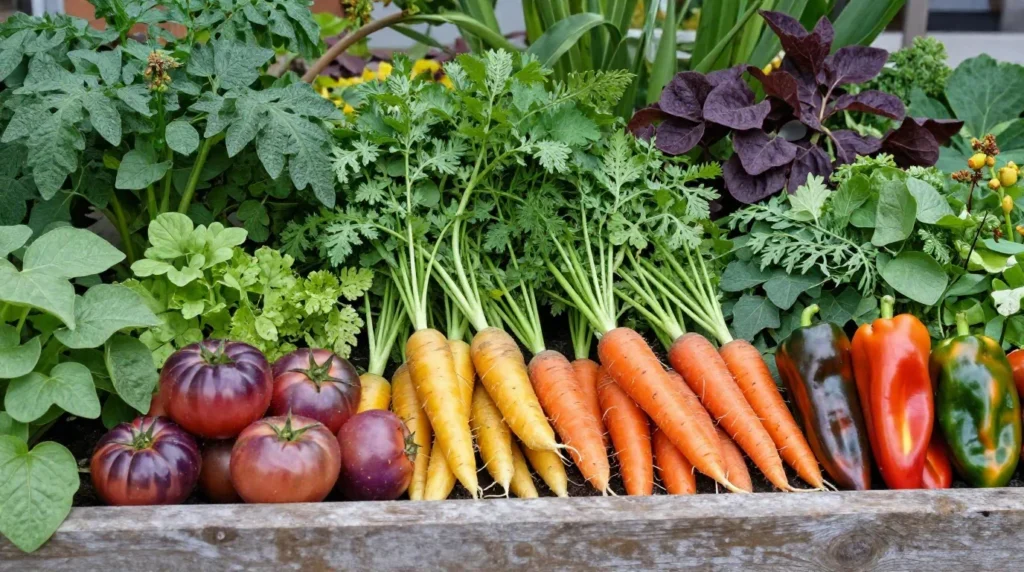
Heirloom vegetable gardens celebrate agricultural heritage while producing vegetables with superior flavors rarely found in supermarkets. Displaying distinctive varieties like purple tomatoes, tri-colored carrots, and unusual greens transforms edible gardens into artistic displays that educate and inspire visitors. These gardens demonstrate commitment to culinary excellence and agricultural preservation while producing vegetables of exceptional quality. Heirloom gardens appeal to food enthusiasts who prioritize taste and novelty over conventional produce.
Heirloom varieties often display unique colors, shapes, and sizes that create visual drama impossible to achieve with standard commercial varieties. Many heirlooms develop stronger flavors and superior texture compared to modern cultivars bred primarily for shipping resilience. Growing heirlooms connects you to agricultural traditions spanning centuries while supporting seed companies dedicated to preserving genetic diversity. The conversation-starting novelty of unusual heirloom varieties transforms your garden into a gathering point where visitors learn about food history and taste exceptional produce.
FAQ’s:
What are the main benefits of edible front yard landscaping?
Edible front yard landscaping combines multiple benefits: you grow fresh, pesticide-free vegetables and fruits, reduce your grocery expenses, and eliminate traditional lawn maintenance. These gardens improve air quality, support pollinators and wildlife, and increase your property value. Additionally, edible landscapes educate children about where food comes from while creating beautiful outdoor spaces that provide genuine utility beyond aesthetics.
Do edible landscapes require special zoning permits?
Most residential properties allow edible landscaping in front yards, but regulations vary by municipality. Some areas have restrictions on vegetable gardens in front yards or requirements for specific appearances. Contact your local planning department or homeowners association before installing edible landscapes. Many communities are updating regulations to encourage sustainable food production, making approval easier than in previous years.
How do I protect my edible garden from pests without chemicals?
Integrated pest management combines multiple strategies: companion planting, encouraging beneficial insects, physical barriers like netting, hand-picking pests, and rotating crops. Maintaining soil health creates stronger plants more resistant to pest damage. Many gardeners find that biodiverse edible landscapes self-regulate, developing natural predator-prey balances that keep pest populations manageable without chemical intervention.
Can I grow edibles in containers on my front porch?
Yes, containers are excellent for front-yard edible gardening, especially for renters or small-space gardeners. Tomatoes, peppers, lettuce, herbs, and strawberries thrive in containers with proper drainage and regular watering. Choose food-safe containers in colours and materials complementing your home’s style. Containers allow flexibility to move plants following the sun or bring them inside during harsh weather.
What edibles grow best in shade?
Shade-tolerant edibles include leafy greens like spinach and kale, herbs like mint and parsley, ramps, shade-tolerant berries, and asparagus ferns. Many greens actually prefer afternoon shade in hot climates, producing more tender, better-flavored leaves than they would in full sun. Shade gardens create unique opportunities for developing specialized growing skills and producing harvests in otherwise unusable areas.
How much maintenance does an edible landscape require?
Maintenance varies by garden type, but most edible landscapes require less maintenance than traditional ornamental gardens once established. Perennial vegetables like asparagus and productive berry hedgerows require minimal care, while succession plantings of annual vegetables require more attention. Preventative practices like mulching and proper irrigation reduce ongoing labor compared to water-intensive ornamental landscapes.
Can I grow edibles if I have poor soil?
Yes, several approaches address poor soil: raised beds allow you to bring in quality soil regardless of existing conditions, containers provide complete control over growing medium, and many edibles actually improve soil over time through nitrogen fixation and organic matter accumulation. Mulching and compost amendment gradually rebuild natural soil over seasons and years of gardening.
Conclusion
Transforming your front yard into an edible landscape represents one of the most rewarding investments you can make in your property and family. As demonstrated throughout this guide, edible landscaping doesn’t require sacrificing beauty or curb appeal. Instead, thoughtfully designed productive gardens enhance your property’s visual interest while providing fresh, nutritious harvests that reduce grocery expenses and increase your family’s food security. Whether you choose to start with a single dwarf fruit tree, convert lawn space to raised vegetable beds, or implement a comprehensive multi-strategy approach incorporating trees, shrubs, perennials, and annuals, your edible landscape will evolve and improve over time.