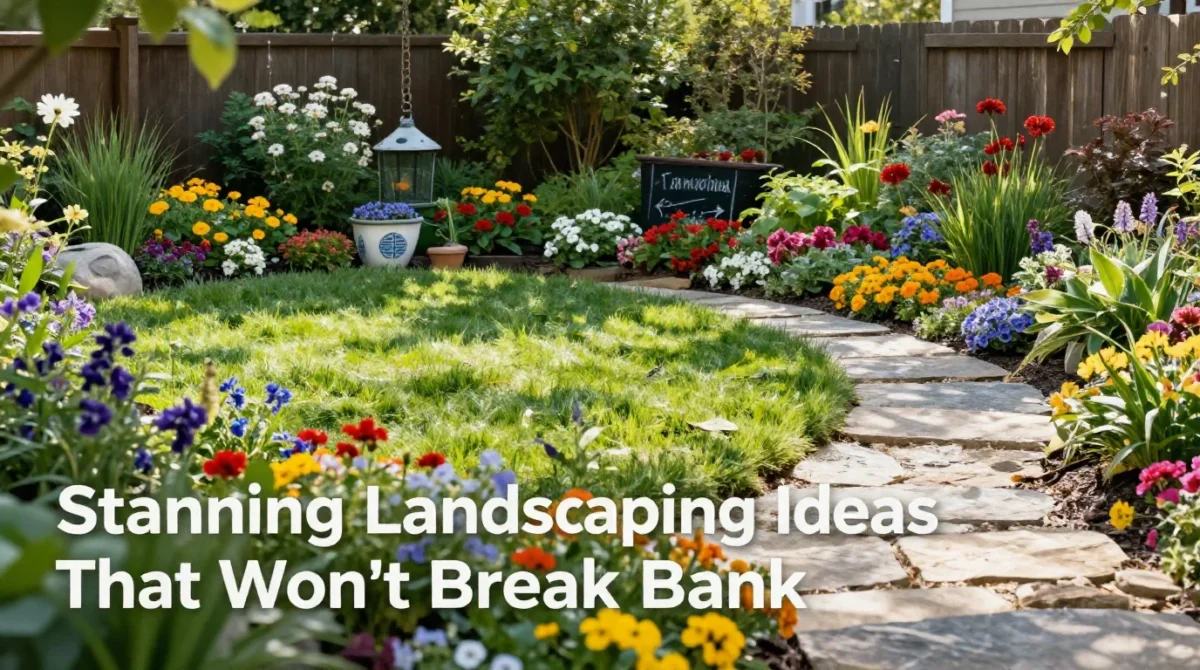
Stunning Landscaping Ideas That Won’t Break the Bank

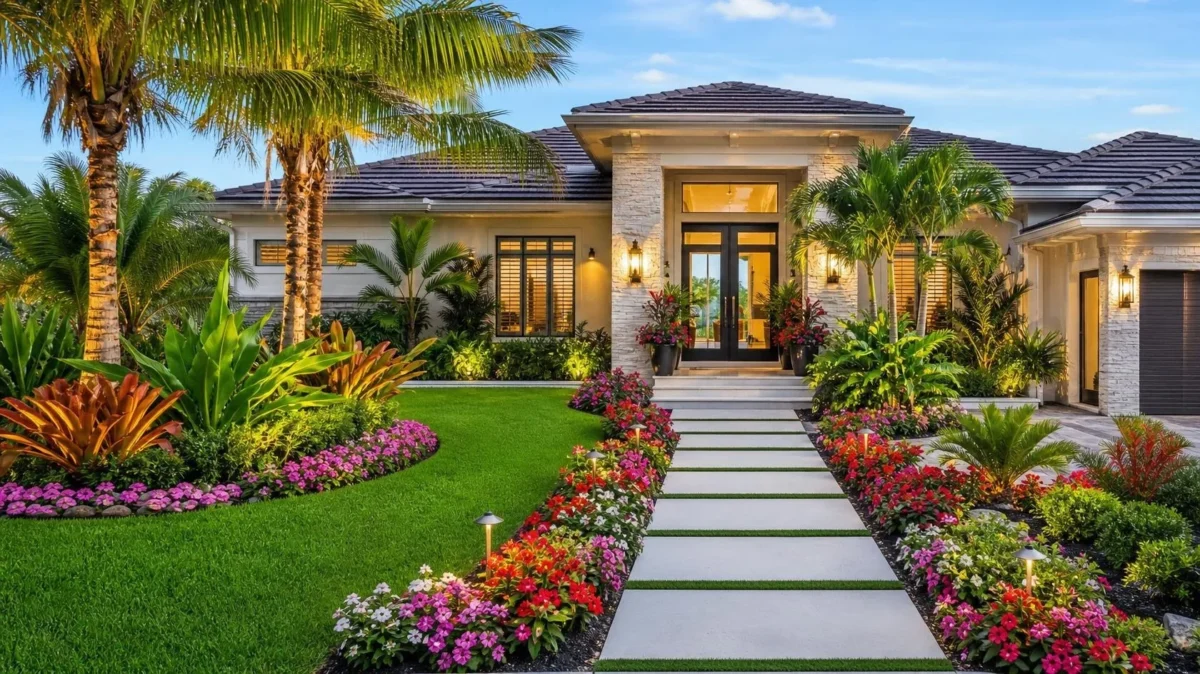
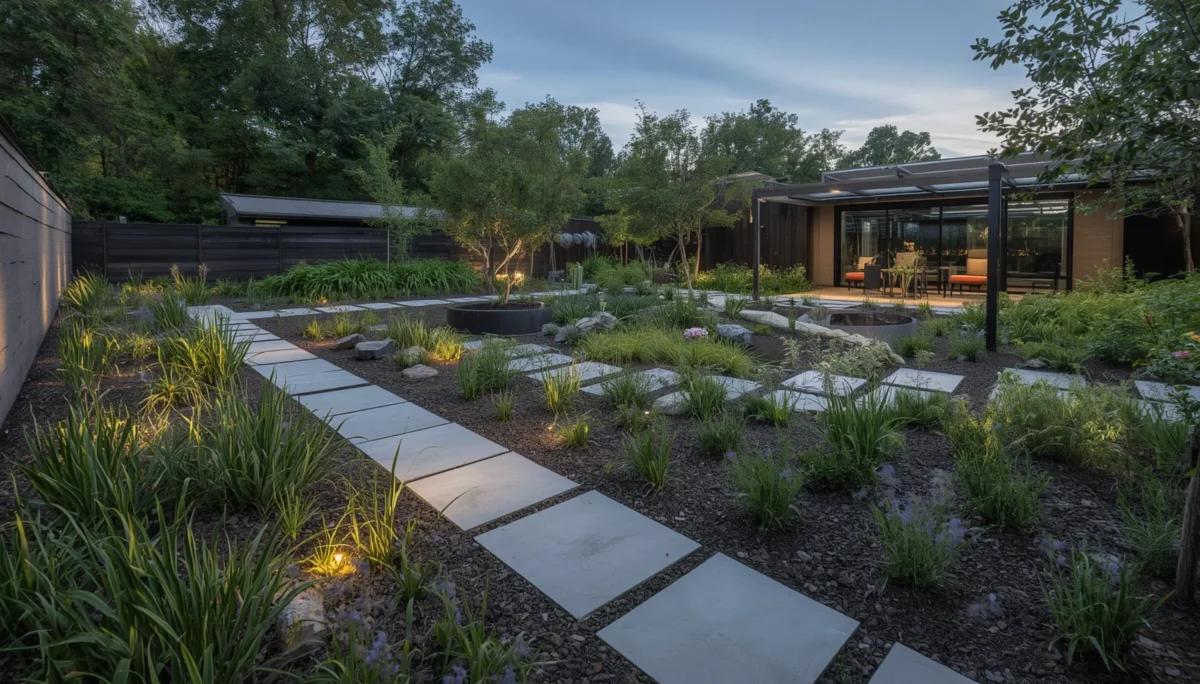
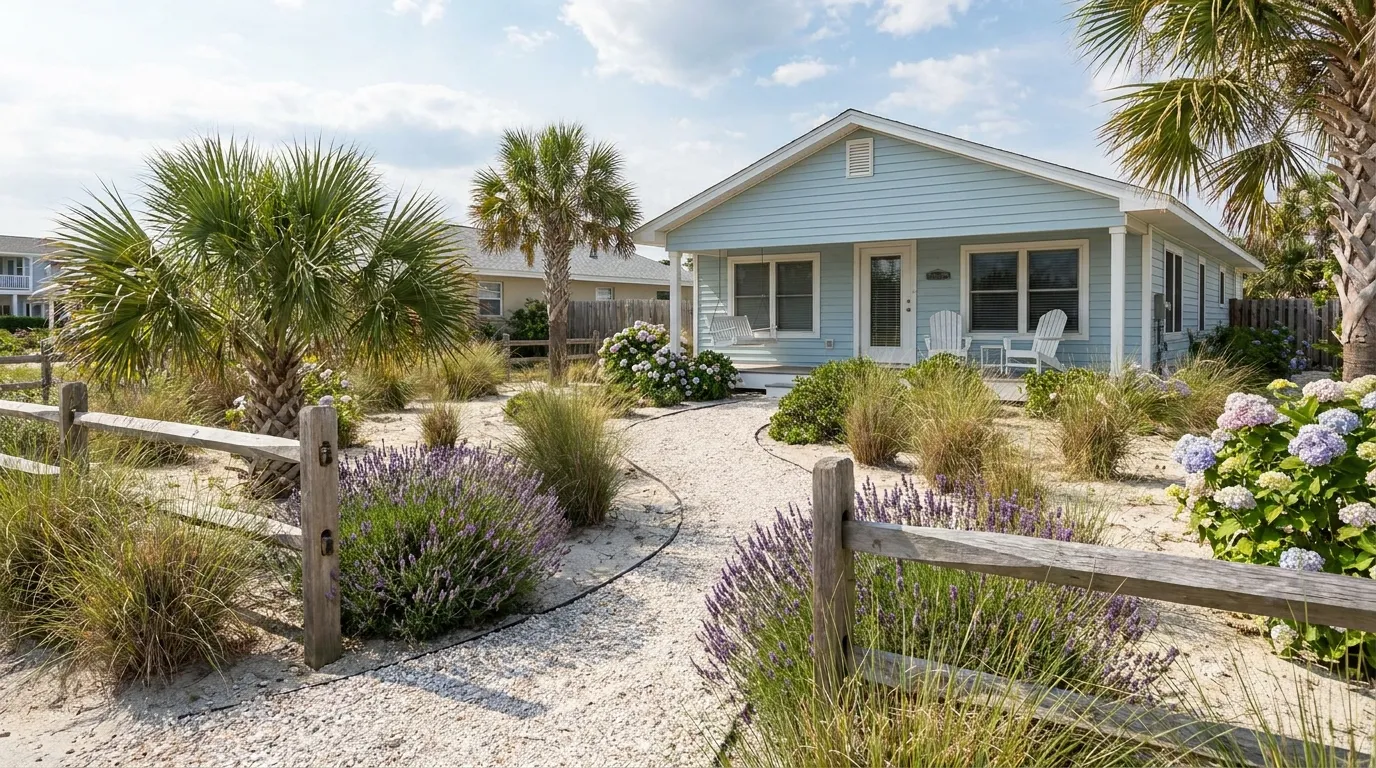
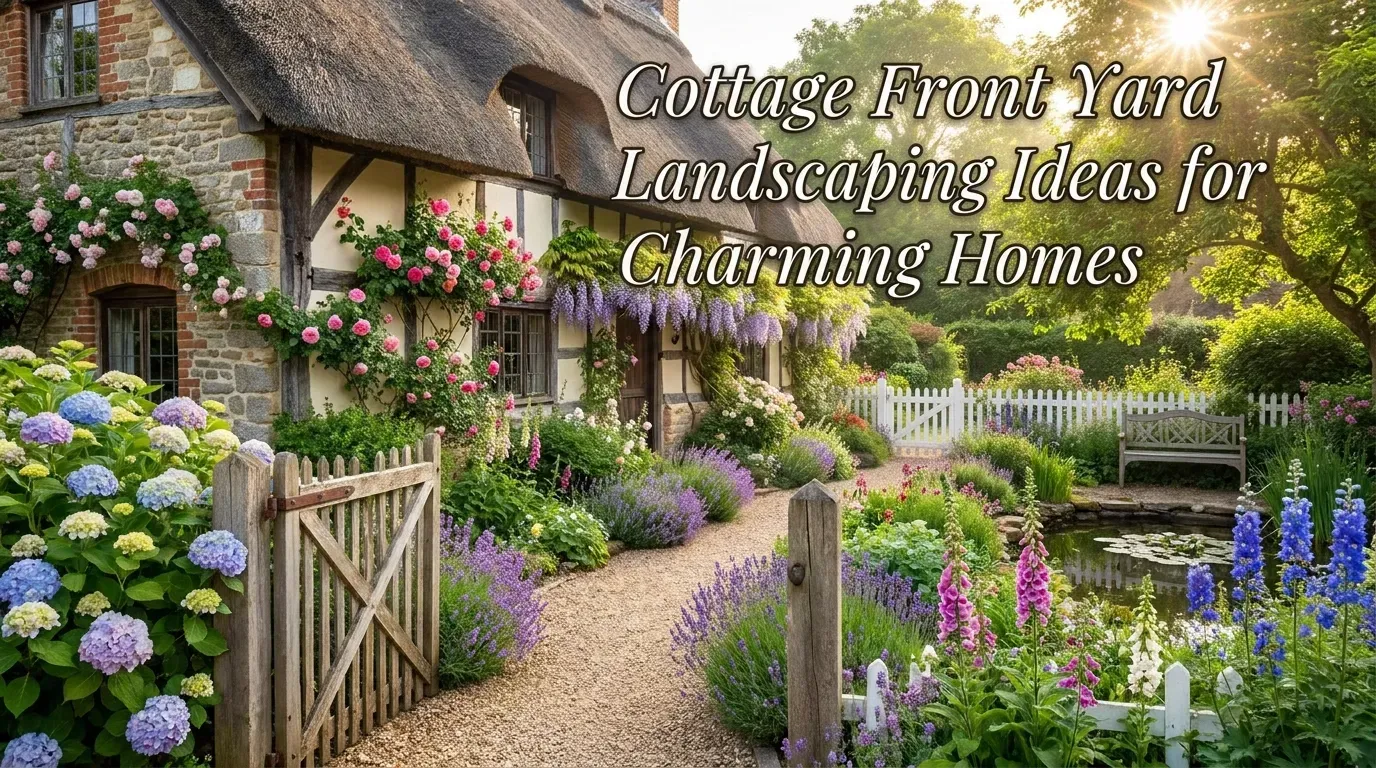
Creating a beautiful front yard doesn’t require expensive professional landscapers or a hefty budget. With creativity, smart planning, and some elbow grease, you can transform your outdoor space into a stunning curb appeal powerhouse that impresses every visitor. Let’s explore how simple materials, strategic plant selection, and DIY projects can create dramatic transformations that make your home the envy of the neighbourhood. 1. Native Plant Gardens: Native plants are nature’s gift to budget-conscious landscapers. These plants have evolved to thrive in your specific region’s climate and soil conditions, which means they require minimal water, fertiliser, and maintenance once established. Native plants typically cost less than ornamental alternatives and are often available at local nurseries, which reduces both the price and shipping costs. They’re also incredibly resilient and rarely need pesticides because they naturally attract local insects and birds that keep pests under control. The beauty of native plant gardens extends beyond economics and practicality. These landscapes support local ecosystems by providing food and habitat for butterflies, bees, and birds that are increasingly rare in urban and suburban areas. Your front yard becomes a pollinator paradise that contributes to environmental conservation while looking absolutely gorgeous. Native plants establish themselves much faster than non-native species, meaning your investment yields visible results within weeks rather than months. 2. Mulch and Wood Chip Landscaping: Mulch is one of the most budget-friendly yet transformation landscaping materials available. A fresh layer of quality mulch instantly makes your landscape look intentional, polished, and well-maintained. Beyond aesthetics, mulch provides numerous practical benefits that actually save you money over time. It conserves soil moisture by reducing evaporation, which means you’ll water less frequently and lower your water bill. You can source mulch affordably by contacting local tree removal services, which often have free or very cheap wood chips available. Some municipalities even offer free mulch from composted yard waste. Choose from various mulch types including shredded hardwood, pine needles, or ground cedar depending on your plant selections and climate. Dark mulch creates dramatic contrast and makes plantings pop visually, while lighter options work well in modern landscapes. 3. Gravel and Stone Pathway Projects: Creating functional pathways with gravel and stones transforms your front yard into an organised, intentional space while remaining incredibly affordable. Pathways guide visitors to your entrance, define different landscape zones, and add visual structure that makes everything look more thoughtfully designed. Gravel is one of the cheapest landscaping materials available, and installation requires only basic tools and minimal skill. Beyond aesthetic benefits, gravel pathways provide excellent drainage and prevent mud issues during rainy seasons. They’re incredibly easy to maintain, requiring only occasional raking to maintain appearance. You can upgrade gravel pathways over time by adding stepping stones or pacers if your budget allows later, but they’re fully functional and beautiful from day one. 4. Seed-Based Lawn: Reseeding or overseeing your existing lawn with quality seed is dramatically cheaper than sod and creates beautiful results in just a few weeks. Quality grass seed selected for your region’s climate and sun conditions ensures a thriving lawn without expensive professional installation. This approach is perfect for patchy lawns or newly developed homes with bare soil. Simply prepare the soil, distribute seed evenly, keep it consistently moist for a few weeks, and watch your lush green lawn emerge. Ground-cover alternatives offer unique advantages for specific landscape situations. Creeping ground-covers like ajuga, creeping thyme, or serums work beautifully in small areas where traditional grass struggles. These hardy plants cost just a few dollars per plant and spread to fill spaces quickly. They’re perfect for steep slopes where mowing is dangerous, shaded areas where grass won’t grow, or creating texture and colour variety in your landscape design. 5. DIY Raised Flower Beds and Borders: Building raised flower beds is one of the most satisfying and affordable DIY landscaping projects available. Simple frames constructed from recycled wood, untreated lumber, or composite materials create defined planting areas that instantly upgrade your landscape’s visual organisation. Raised beds offer numerous advantages beyond aesthetics, including improved drainage, easier accessibility for planting and maintenance, and the ability to control soil quality without expensive amendments. Raised beds create natural visual hierarchy in your landscape, drawing attention to plantings and creating focal points throughout your front yard. You can mix soil amendments specifically suited to your plants’ needs without expensive whole-yard improvements. This targeted approach saves money while producing healthier, more vibrant plantings. Raised beds also reduce bending and stooping, making gardening more comfortable and inviting more people to participate in landscape maintenance. 6. Climbing Vines and Vertical Garden: Vertical gardening using climbing vines transforms bare walls and fences into living tapestries of colour and texture, maximising your landscape’s visual impact while using minimal ground space. Climbing plants are incredibly affordable, often costing just a few dollars per plant, yet they grow quickly to cover substantial areas in a single season. Vines provide numerous environmental benefits including insulation that reduces heating and cooling costs, shade creation that keeps your home cooler naturally, and habitat for beneficial insects and birds. Vertical gardens solve multiple landscape challenges simultaneously while maintaining an extremely low budget. They soften harsh architectural lines, hide unsightly features like utility boxes or downspouts, and add romantic charm to modern homes. Flowering vines provide seasonal colour without requiring annual planting, and many varieties attract pollinators that benefit your entire landscape. Evergreen climbing plants maintain visual interest year-round, offering structure when deciduous plants are dormant. 7. Strategic Lighting with Solar Options: Outdoor lighting transforms your landscape’s visual appeal while extending the hours you can enjoy your front yard. Solar lighting options have become incredibly affordable, eliminating expensive electrical installation costs. Solar pathway lights, spotlights, and accent lighting create ambience and dramatically enhance nighttime curb appeal without consuming any electricity or requiring complex wiring. These solutions are perfect for renters since they require no installation beyond simply pushing stakes into the ground. Beyond pure aesthetics, outdoor lighting improves safety and security by illuminating pathways and potential hazards while discouraging trespassers. … Read more

Eye Catching Texas Front Yard Landscaping Ideas for Every Home

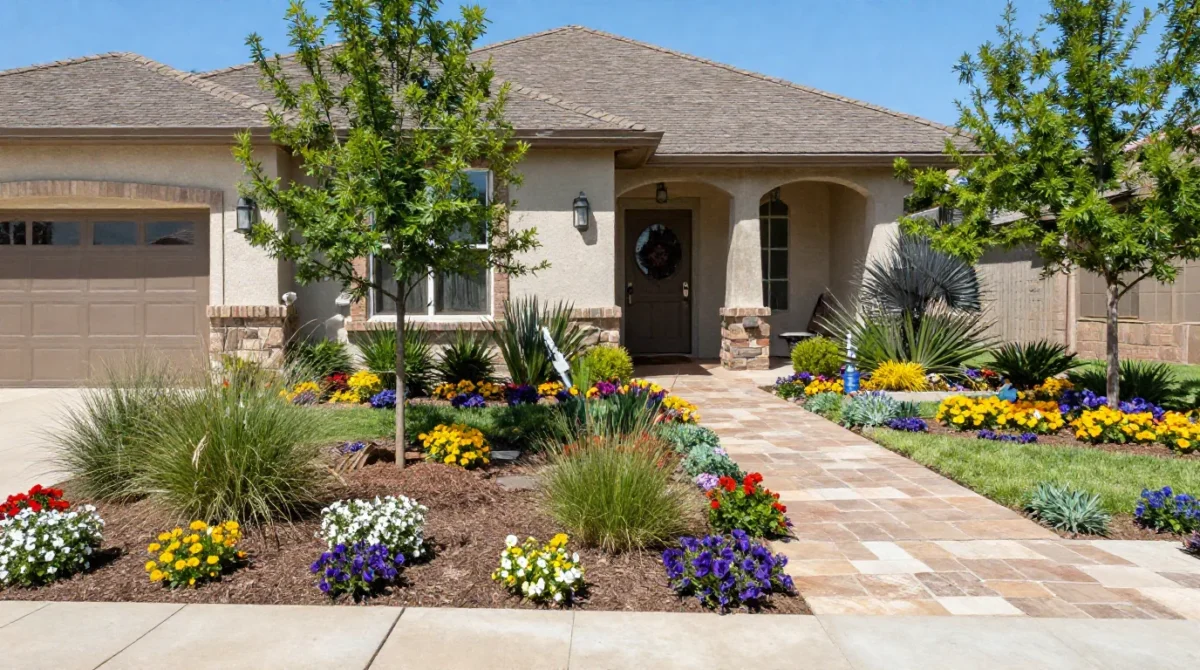
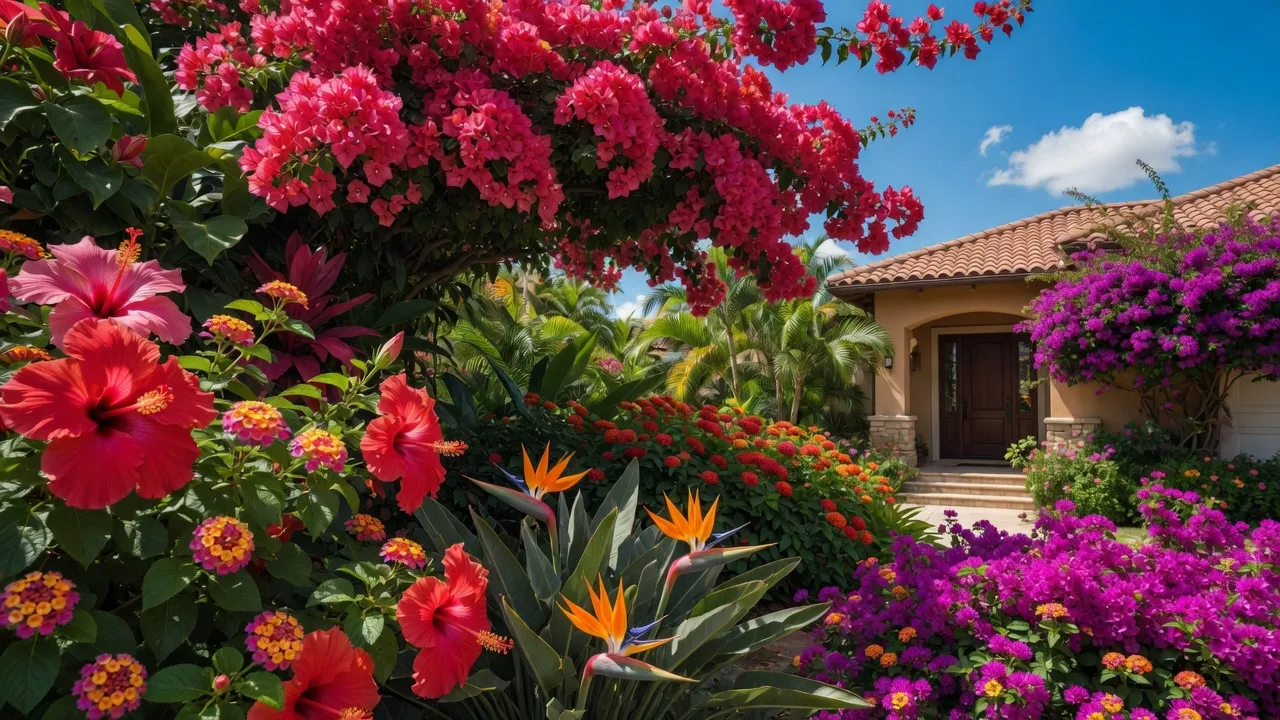
Welcome to the ultimate guide for transforming your Texas front yard into a breathtaking outdoor oasis! Whether you’re battling the intense Texas heat, managing rocky soil, or simply looking to boost your home’s curb appeal, this comprehensive guide has you covered. Texas landscaping presents unique challenges and incredible opportunities, from working with native plants that thrive in our climate to creating stunning periscopes that require minimal water. Let’s dive into the world of Texan landscaping and discover how you can create a front yard that truly reflects the beauty and character of the Lone Star State. 1. Showcase Native Texas Plants: Native Texas plants are the foundation of any successful landscaping project in this region. These plants have evolved over centuries to thrive in Texas climate conditions, requiring less water, fertiliser, and maintenance than non-native species. By incorporating plants like Texas sage, esperanza, lantana, and coreopsis, you create a landscape that feels authentic to the region while supporting local pollinators and wildlife. These plants showcase gorgeous blooms in warm Texas tones like reds, oranges, and yellows that perfectly complement natural stone and architectural features of homes. Native plants offer not only environmental benefits but also substantial economic advantages for homeowners. You’ll notice dramatically reduced water bills, minimal pest problems, and decreased maintenance requirements throughout the year. Texas native plants are naturally adapted to our intense summer heat and occasional freezing winters, meaning they bounce back quickly after harsh weather. The natural colour palette of native Texas blooms creates sophisticated, layered landscapes that look effortlessly beautiful and require far less effort than traditional ornamental gardens. 2. Design a Water-Wise Xeriscaped Front Yard: Xeriscaping is an innovative landscaping philosophy designed to reduce water consumption while maintaining visual appeal and functionality. This approach involves careful plant selection, smart grouping of plants with similar water needs, and strategic use of landscaping materials like rock, gravel, and permeable pavers. A well-designed xeriscape front yard can reduce water usage by up to 50 percent compared to traditional landscaping while creating a modern, sophisticated aesthetic that thrives in Texas’s dry climate. The key is understanding that water-wise doesn’t mean colourless or boring. Creating a beautiful xeriscape involves layering textures and colours through careful material selection and plant arrangement. You can incorporate focal points like sculptural plants, decorative rocks, and artistic landscape elements that draw the eye and create visual interest without requiring regular watering. Xeriscaping transforms the challenge of Texas heat and limited water into an opportunity for creative, sustainable landscaping that’s both economical and environmentally responsible. Your front yard becomes a testament to smart design choices and resource conservation. 3. Create a Stunning Rock Garden Landscape: Rock gardens bring a natural, rugged beauty to Texas front yards while providing excellent drainage and heat retention for sun-loving plants. Large boulders and carefully arranged stones create visual interest and permanent structure to your landscape design. Rock gardens work beautifully in Texas because rocks absorb and reflect the intense heat, creating ideal conditions for heat-loving succulents, native shrubs, and flowering plants. The geological character of using rocks connects your landscape to the natural Texas landscape and requires minimal ongoing maintenance. Beyond aesthetic appeal, rock gardens serve practical purposes in Texas yards. Rocks act as natural mulch, suppressing weeds while reducing water evaporation from soil. They create excellent drainage for areas that might otherwise develop standing water during rare heavy rains. Rock gardens also provide visual texture and dimension that changes throughout the day as light angles shift. The spaces between rocks become perfect pockets for planting native ground-covers, serums, and flowering plants that create a rich tapestry of colour and interest without demanding water-intensive care routines. 4. Permeable Pathways for Function and Beauty: Permeable pathways combine functionality with environmental responsibility while adding elegant structure to your Texas front yard. Unlike traditional concrete or asphalt, permeable materials like porous paves, gravel, and recycled materials allow water to drain naturally through the surface rather than running off into storm drains. These pathways provide practical access to your front door, driveway, or specific garden areas while creating visual lines that organise and define your landscape. Permeable solutions maintain a natural aesthetic that blends beautifully with native plants and rock features. Choosing permeable pathway materials offers multiple benefits for Texas homeowners. During the intense summer heat, porous materials remain cooler than traditional hard surfaces, creating more comfortable outdoor spaces. Permeable pathways help manage water runoff during rare heavy rains, reducing flooding and erosion in your yard. The variety of materials available, from crushed granite to permeable concrete paves, allows you to choose options that match your landscape’s style and colour scheme. Installation is often simpler and less expensive than pouring concrete, and repairs or modifications can be made easily without major construction projects. 5. Design a Desert-Style Entry Statement: A desert-style entry creates an immediate visual impact that welcomes visitors while establishing your landscape’s design aesthetic. This approach embraces the desert qualities of Texas, using dramatic succulents, architectural plants like agave and yucca, and warm stone elements to create an entrance that’s both striking and appropriate to the climate. Desert-style entries showcase sculptural plant forms, interesting textures, and warm colour palettes that make powerful design statements. Large potted plants can frame your entry doors, while strategically placed plantings create visual guides that lead visitors toward your entrance. Desert-style entries work particularly well in Texas because they align with the natural landscape character of large portions of the state. You can create drama through plant selection, choosing succulents and architectural plants with interesting shapes, colours, and textures. Stone features, architectural rocks, and even water elements like fountains can enhance the desert aesthetic. The beauty of a desert-style entry is that it requires minimal watering, looks spectacular year-round, and creates an unforgettable first impression that reflects sophisticated landscape design and an understanding of what thrives in Texas. 6. Implement Native Ornamental Grasses: Native ornamental grasses bring movement, texture, and seasonal interest to Texas front yards while requiring minimal maintenance and water. Grasses like Gulf … Read more

Edible Landscaping Ideas for Beautiful Front Yards

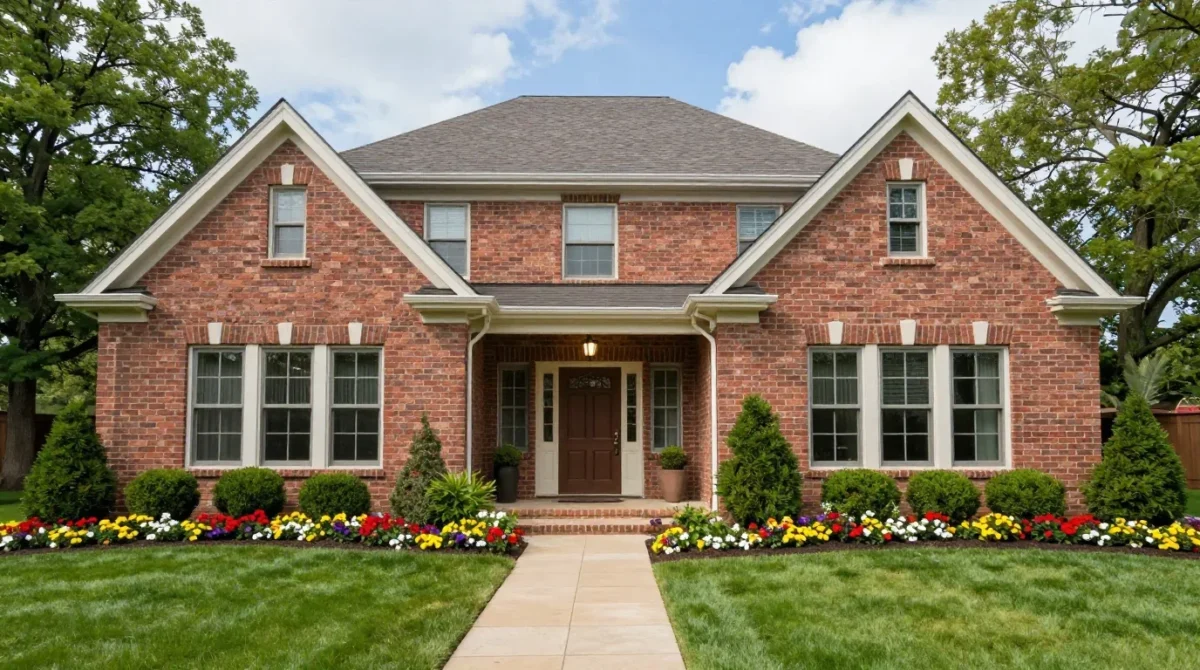
Introduction Are you tired of traditional grass lawns that require constant maintenance and offer nothing but aesthetic appeal? It’s time to re-imagine your front yard as a productive, beautiful space that feeds your family while impressing your neighbours. Edible landscaping is revolutionising how homeowners think about their outdoor spaces, blending ornamental beauty with practical food production. Whether you have a sprawling suburban lot or a compact urban garden, there are countless ways to incorporate edible plants into your front yard design. This comprehensive guide showcases innovative edible front yard landscaping ideas that prove food-producing gardens don’t have to sacrifice curb appeal. From vertical gardens that maximise space to flowering fruit trees that double as stunning focal points, these ideas will inspire you to create a landscape that’s as nutritious as it is beautiful. Each concept is designed to work in various climate zones and property sizes, making it possible for anyone to start their edible landscaping journey today. 1. Raised Herb Beds Along the Pathway: Raised herb beds positioned along your front walkway create an inviting entrance while providing easy access to fresh culinary herbs. These elevated gardens offer excellent drainage and make it simple to harvest ingredients when cooking. The organised appearance of tiered herb beds adds architectural interest to your landscaping while keeping everything visible and accessible from your home. Herbs like rosemary, thyme, oregano, and sage naturally maintain neat, compact shapes, creating an orderly, sophisticated look that enhances curb appeal. These pathway herb beds can be constructed from cedar, composite materials, or galvanised metal to match your home’s aesthetic. Mixing culinary herbs with ornamental varieties like purple basil or flowering chamomile creates visual interest throughout the seasons. The aromatic qualities of the herbs create an enchanting sensory experience for visitors while reducing the need for commercial air fresheners. Strategic lighting in the evening can highlight these beds, making them functional decor that serves your cooking needs daily. 2. Dwarf Fruit Trees as Focal Points: Dwarf fruit trees are game-changers for small-space edible landscaping, offering abundant harvests without dominating your property. These carefully bred cultivars produce full-sized fruit while maintaining manageable heights of 8 to 12 feet, making them perfect for front yards. Apple, peach, cherry, and pear varieties offer spectacular spring blooms that rival ornamental flowering trees, providing months of visual interest before the fruit arrives. Positioning a dwarf fruit tree as a focal point in your landscape immediately elevates the entire aesthetic. Beyond their productivity, dwarf fruit trees serve as stunning architectural elements that draw the eye and create natural gathering spaces beneath their canopies. Many varieties are self-pollinating or require minimal cross-pollination, making them practical for single-tree planting. The structured growth habit of grafted dwarf trees means less pruning and maintenance compared to standard varieties. Choose disease-resistant cultivars suited to your climate zone to ensure years of beautiful blooms and bountiful harvests that provide your family with fresh, pesticide-free fruit. 3. Vertical Salad Gardens on Trellises: Vertical salad gardens represent the pinnacle of space-efficient edible landscaping, perfect for properties where horizontal garden beds aren’t feasible. By training climbing greens, peas, and beans up sturdy trellises against your home or fence, you create a living wall that’s both functional and strikingly beautiful. This approach maximises sun exposure, improves air circulation around plants, and makes harvesting a pleasure rather than a back-bending chore. Vertical arrangements also prevent soil-borne diseases and reduce pest pressure significantly. Installing trellises with climbing greens transforms blank walls into productive spaces that attract pollinators and create dappled shade during warm months. You can grow varieties like sugar snap peas, pole beans, and climbing lettuce varieties that naturally thrive in vertical orientations. The visual effect is reminiscent of European country gardens, adding charm and character to your home’s exterior. These gardens require less water due to improved drainage and air circulation, making them environmentally friendly while providing weeks of fresh salad ingredients throughout the growing season. 4. Container Vegetable Gardens on Porches: Container gardening on your front porch offers unmatched flexibility and allows you to grow vegetables in decorative containers that complement your home’s style. Tomatoes, peppers, lettuce, and herbs thrive in well-draining containers and provide the added benefit of being mobile, allowing you to follow the sun or bring plants inside during harsh weather. The visual appeal of colourful vegetables and flowering companion plants creates an inviting entrance that tells visitors you take food production seriously while maintaining aesthetics. Choosing containers in coordinating colours and materials creates a cohesive, intentional look that elevates your porch’s visual interest. Mixing vegetables with ornamental flowers like marigolds and nasturtiums adds layers of colour while providing natural pest control and pollinator attraction. Container gardens are perfect for renters and homeowners with limited space, offering control over soil quality and growing conditions. The proximity to your front door makes harvesting incredibly convenient, encouraging you to use fresh produce daily in your cooking. 5. Strawberry Towers and Hanging Baskets: Strawberry towers maximise vertical space while creating an enchanting focal point that produces pounds of delicious berries throughout the season. These innovative structures, available in various materials from wood to terracotta, allow multiple plants to grow in a compact footprint while maintaining excellent drainage and air circulation. The cascading effect of hanging strawberry baskets creates natural beauty that rivals ornamental plantings while producing fresh fruit for your family throughout the growing season. Installing strawberry towers near your home’s entrance creates a whimsical, welcoming aesthetic while keeping berries accessible and pest-controlled on elevated surfaces. Hanging baskets of trailing strawberry varieties add dimension to porches, railings, and pergolas while providing abundant fruit without ground-level slug and pest concerns. The cheerful red berries against green foliage create visual interest from spring through fall, and many varieties offer ornamental qualities beyond production. Guests often comment on the creativity of edible landscaping when they encounter productive strawberry displays that are equally beautiful as they are functional. 6. Perennial Nut Trees as Boundary Markers: Nut trees like chestnuts, hazelnuts, and black walnuts serve dual purposes … Read more

Creative Desert Front Yard Landscaping Ideas You’ll Love

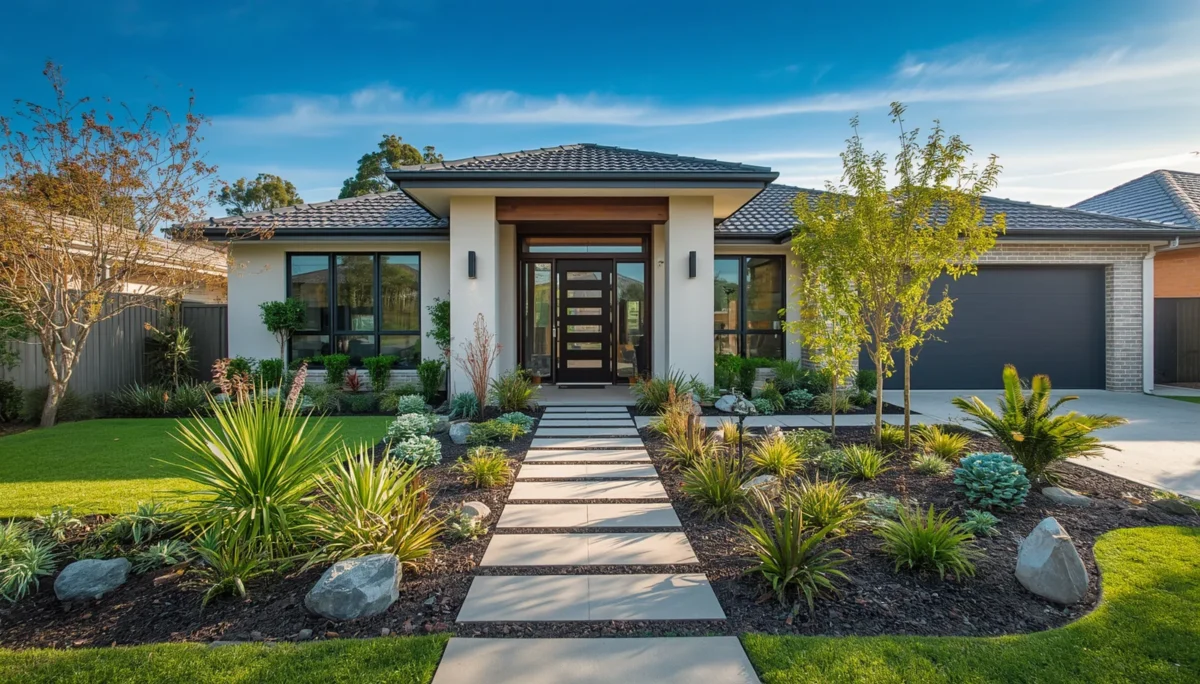
Transforming a dry front yard into a stunning landscape is easier than many homeowners think. Desert landscaping combines beauty, water efficiency, texture, and year round visual interest. From decorative gravel and succulents to dramatic cacti and modern landscaping, these ideas can help create a welcoming entrance while keeping maintenance low. These landscapes are not only visually striking but also environmentally friendly, making them an increasingly popular choice for homeowners looking to reduce water consumption without sacrificing curb appeal. 1. Modern Gravel Garden: Modern Gravel Garden is a practical way to improve curb appeal while maintaining a landscape that works well in dry climates. Using a combination of decorative stone, carefully selected plants, and structured design elements creates a balanced appearance. The goal is to make the front yard visually appealing from the street while minimising water consumption and ongoing maintenance. This approach works particularly well for homeowners who want a polished outdoor space that remains attractive throughout the year. To enhance this design, incorporate contrasting textures and varying plant heights to create depth and visual interest. Strategically placed lighting, accent rocks, and pathways can guide the eye through the landscape and highlight key features. When planned thoughtfully, this concept delivers a welcoming entrance that feels modern, organized, and naturally connected to the surrounding environment. 2. Cactus Showcase: Cactus Showcase is a practical way to improve curb appeal while maintaining a landscape that works well in dry climates. Using a combination of decorative stone, carefully selected plants, and structured design elements creates a balanced appearance. The goal is to make the front yard visually appealing from the street while minimizing water consumption and ongoing maintenance. This approach works particularly well for homeowners who want a polished outdoor space that remains attractive throughout the year. To enhance this design, incorporate contrasting textures and varying plant heights to create depth and visual interest. Strategically placed lighting, accent rocks, and pathways can guide the eye through the landscape and highlight key features. When planned thoughtfully, this concept delivers a welcoming entrance that feels modern, organized, and naturally connected to the surrounding environment. 3. Succulent Border: Succulent Border is a practical way to improve curb appeal while maintaining a landscape that works well in dry climates. Using a combination of decorative stone, carefully selected plants, and structured design elements creates a balanced appearance. The goal is to make the front yard visually appealing from the street while minimizing water consumption and ongoing maintenance. This approach works particularly well for homeowners who want a polished outdoor space that remains attractive throughout the year. To enhance this design, incorporate contrasting textures and varying plant heights to create depth and visual interest. Strategically placed lighting, accent rocks, and pathways can guide the eye through the landscape and highlight key features. When planned thoughtfully, this concept delivers a welcoming entrance that feels modern, organized, and naturally connected to the surrounding environment. 4. Desert Rock River: Desert Rock River is a practical way to improve curb appeal while maintaining a landscape that works well in dry climates. Using a combination of decorative stone, carefully selected plants, and structured design elements creates a balanced appearance. The goal is to make the front yard visually appealing from the street while minimizing water consumption and ongoing maintenance. This approach works particularly well for homeowners who want a polished outdoor space that remains attractive throughout the year. To enhance this design, incorporate contrasting textures and varying plant heights to create depth and visual interest. Strategically placed lighting, accent rocks, and pathways can guide the eye through the landscape and highlight key features. When planned thoughtfully, this concept delivers a welcoming entrance that feels modern, organized, and naturally connected to the surrounding environment. 5. Agave Focal Point: Agave Focal Point is a practical way to improve curb appeal while maintaining a landscape that works well in dry climates. Using a combination of decorative stone, carefully selected plants, and structured design elements creates a balanced appearance. The goal is to make the front yard visually appealing from the street while minimizing water consumption and ongoing maintenance. This approach works particularly well for homeowners who want a polished outdoor space that remains attractive throughout the year. To enhance this design, incorporate contrasting textures and varying plant heights to create depth and visual interest. Strategically placed lighting, accent rocks, and pathways can guide the eye through the landscape and highlight key features. When planned thoughtfully, this concept delivers a welcoming entrance that feels modern, organized, and naturally connected to the surrounding environment. 6. Layered Stone Beds: Layered Stone Beds is a practical way to improve curb appeal while maintaining a landscape that works well in dry climates. Using a combination of decorative stone, carefully selected plants, and structured design elements creates a balanced appearance. The goal is to make the front yard visually appealing from the street while minimizing water consumption and ongoing maintenance. This approach works particularly well for homeowners who want a polished outdoor space that remains attractive throughout the year. To enhance this design, incorporate contrasting textures and varying plant heights to create depth and visual interest. Strategically placed lighting, accent rocks, and pathways can guide the eye through the landscape and highlight key features. When planned thoughtfully, this concept delivers a welcoming entrance that feels modern, organized, and naturally connected to the surrounding environment. 7. Palm and Gravel Design: Palm and Gravel Design is a practical way to improve curb appeal while maintaining a landscape that works well in dry climates. Using a combination of decorative stone, carefully selected plants, and structured design elements creates a balanced appearance. The goal is to make the front yard visually appealing from the street while minimizing water consumption and ongoing maintenance. This approach works particularly well for homeowners who want a polished outdoor space that remains attractive throughout the year. To enhance this design, incorporate contrasting textures and varying plant heights to create depth and visual interest. Strategically placed lighting, accent rocks, and pathways can guide … Read more

Front Yard Roses Landscaping Ideas for a Stunning Curb

A front yard filled with roses instantly creates a welcoming, luxurious, and timeless impression. Roses are versatile, coming in many colours, shapes, and growth habits, making them perfect for designing elegant landscapes that fit both modern and classic homes. Whether you prefer minimal designs or lush cottage-style gardens, roses can completely transform your curb appeal. In this guide, you’ll explore creative front yard rose landscaping ideas that combine structure, color harmony, and seasonal beauty. Each idea includes an image prompt to help you visualize or generate design inspiration for your garden planning or content creation. 1. Rose Border Pathway Design: A rose border pathway creates a magical entrance that guides visitors through a fragrant floral corridor. By planting roses along both sides of a walkway, you can frame your home with natural elegance. Choose a mix of climbing and shrub roses to add height variation and depth. This design works especially well with stone or brick paths, where the natural texture contrasts beautifully with soft petals. Seasonal blooms enhance curb appeal, making the entrance look vibrant throughout the year. Adding low edging plants like lavender can further enhance colour harmony. 2. Archway Covered in Climbing Roses: A rose-covered archway creates a dramatic and romantic entrance to your home. Climbing roses trained over a wooden or metal arch form a natural gateway that feels inviting and elegant. This idea is perfect for enhancing the vertical dimension of your front yard. As the roses mature, they create a dense floral canopy that changes beautifully with the seasons. You can combine different rose colours for a more dynamic effect. Placing lighting near the arch adds nighttime charm and highlights the structure after sunset. 3. Symmetrical Rose Garden Layout: Symmetry in rose landscaping creates a clean, organised, and visually satisfying design. Planting identical rose beds on both sides of a central path gives a formal garden feel. This style works especially well with modern or colonial homes. To enhance symmetry, use consistent rose colours or mirror arrangements of mixed varieties. Trimmed hedges or stone borders help maintain structure and balance. The result is a polished front yard that feels elegant and intentional. 4. Cottage Style Mixed Rose Beds: Cottage-style rose gardens offer a relaxed and natural aesthetic filled with charm. Mixing roses with companion flowers like lavender, daisies, and saliva creates a soft, layered look. This design feels lush and slightly wild in a beautiful way. The key is controlled randomness—allow plants to blend but maintain pathways and edges. Different rose colours enhance the romantic cottage vibe. This style works best for homeowners who prefer a warm, natural garden atmosphere. 5. Minimal White Rose Landscape: A minimalist rose garden focuses on simplicity and elegance using mostly white roses. Planted in clean rows or geometric patterns, white roses create a calm and luxurious front yard atmosphere. This design pairs well with modern architecture. Gravel or concrete paths enhance the minimal aesthetic, while greenery is kept subtle. White roses reflect sunlight beautifully, making the space feel bright and spacious. It’s perfect for those who prefer a clean and refined outdoor look. 6. Rose and Lawn Combination Design: Combining a lush green lawn with rose borders creates a balanced and refreshing landscape. Roses placed around the edges of the lawn frame the open space without overwhelming it. This keeps the yard functional while still decorative. This design allows flexibility for family use while maintaining beauty. Seasonal rose blooms add bursts of colour against the green grass. It’s a practical choice for medium to large front yards. 7. Colour-Themed Rose Garden: A red rose-themed garden creates a bold and passionate visual statement. Planting only red roses or mixing shades of crimson and deep scarlet results in a powerful aesthetic. This works well for dramatic curb appeal. Red roses stand out beautifully against neutral house colours like white or Gray. Adding dark green foliage enhances contrast. This design is perfect for homeowners who want a strong visual impact. 8. Rose Fence Line Decoration: Using roses along a fence line transforms a simple boundary into a blooming feature. Climbing roses or bush varieties can be trained to grow along fences, creating a natural floral wall. This idea increases privacy while adding beauty. Over time, the roses create a dense, colourful barrier that changes with seasons. It’s both functional and decorative. 9. Rose Island Bed in Center Lawn: A central rose island becomes the focal point of your front yard. A circular or oval bed filled with roses draws attention and creates a structured centrepiece. This design works best in large lawns where the island doesn’t feel crowded. Mixing colours or heights adds depth. It’s ideal for creating a luxurious garden statement. 10. Rock and Rose Combination Garden: Combining roses with decorative stones or rocks creates a modern natural look. The contrast between soft petals and hard textures adds visual interest. This style also reduces maintenance and improves drainage. It works well in dry climates or minimalist landscapes. 11. Pergola with Hanging Roses: A pergola wrapped in roses creates a cosy and shaded garden retreat. Climbing roses grow over the structure, forming a living roof. This design adds vertical beauty and a relaxing outdoor sitting space. It’s perfect for enjoying mornings or evenings outdoors. 12. Rose and Hedge Border Mix: Pairing roses with hedges creates a structured and formal garden design. The hedges act as a backdrop that enhances rose colours. This combination is perfect for elegant homes where order and beauty are both important. 13. Pathway Rose Tunnel Effect: Planting roses on both sides of a pathway and training them inward creates a tunnel effect. This immersive design feels magical. As roses bloom, the path becomes a floral corridor that changes with seasons. 14. Pink Rose Soft Garden Theme: Pink roses create a soft, romantic garden atmosphere. Using different shades of pink adds depth without overwhelming the space. This theme is ideal for peaceful and elegant front yard designs. 15. Mixed Height Rose Layers: Layering roses by height creates … Read more

Stunning Full Sun Landscaping Ideas for Front Yard

Your front yard is the first impression visitors have of your home, and when blessed with abundant sunlight, you have endless possibilities to create a landscape that’s both beautiful and thriving. Full sun exposure—six or more hours of direct sunlight daily—is a gift that allows you to grow a stunning variety of plants, flowers, and landscaping features that might struggle in shadier locations. Rather than viewing intense sun as a challenge, embrace it as an opportunity to design a front yard that’s vibrant, colourful, and absolutely show-stopping. 1. Drought-Resistant Succulent Garden: Succulents are the ultimate solution for full sun front yards, thriving in intense heat while requiring minimal water. Create visual interest by layering different succulent varieties at varying heights, combining tall sedums with low-growing echeveria and colorful aeoniums. Incorporate textural elements like ornamental grasses, smooth river rocks, and gravel in complementary colors to build depth. The beauty of succulent gardens lies in their sustainability—once established, they need only occasional watering and virtually no fertilizer, making them perfect for environmentally conscious homeowners. Design your succulent garden using the principle of repetition and balance. Cluster plants in groups of three or five for maximum visual impact, and leave breathing room between plantings to showcase the unique character of each specimen. Consider adding decorative focal points such as weathered driftwood, large stones, or artistic metal sculptures that complement the organic forms of the succulents. Use colored mulch or decorative gravel to unify the design while providing excellent drainage. This approach creates a low-maintenance masterpiece that looks equally stunning during summer’s peak heat and winter’s cool months. 2. Vibrant Annual Flower Beds: Annual flowers provide continuous, season-long colour that keeps your front yard looking fresh and vibrant. Zinnias, marigolds, sunflowers, and Salinas absolutely love full sun and reward you with prolific blooms from spring through frost. Create dynamic colour schemes by combining complementary hues—perhaps vibrant purple Salinas with sunny yellow marigolds, or soft pink petunias with deep burgundy zinnias. Annual beds also allow you to experiment with different colour palettes each season, giving you the creative freedom to refresh your landscape’s personality year after year. To maximise the impact of annual flowers, prepare rich, well-amended soil with plenty of organic matter before planting. Deadhead spent blooms regularly to encourage continuous flowering throughout the season, and water deeply but less frequently to encourage strong root development. Layer your plants by height, placing taller varieties in back and shorter ones in front, creating a tiered effect that displays all flowers effectively. Consider incorporating foliage plants like dusty miller or coleus to add texture and extend visual interest beyond the blooms themselves. This dynamic approach ensures your front yard remains a colourful beacon of beauty all season long. 3. Mediterranean Herb Garden: Transform your full sun front yard into a fragrant Mediterranean paradise by cultivating herbs that don’t just beautify but also provide culinary and aromatic benefits. Lavender, rosemary, thyme, oregano, and santolina flourish in bright sunlight and well-draining soil, creating a landscape that’s both gorgeous and functional. These plants release wonderful fragrances when brushed against, creating a multi-sensory experience every time you walk through your front yard. The soft purple, silvery-green, and delicate pink hues of Mediterranean herbs create an elegant, sophisticated aesthetic that appeals to discerning homeowners. Arrange your herb garden in organised clusters, perhaps grouping plants by size and colour, or arranging them in a formal pattern with gravel pathways running between them. Incorporate landscaping elements like stone edging, terracotta pots, or a small sitting bench to enhance the Mediterranean ambience. These plants require minimal fertiliser and benefit from well-draining soil, making them ideal for low-maintenance landscaping. Not only will your front yard look Instagram-worthy, but you’ll also have fresh herbs at your fingertips for cooking and enjoying throughout the growing season. 4. Desert Mountain Landscape: Create drama and architectural interest with a desert mountain landscape that brings the majesty of arid regions right to your front yard. Large boulders serve as focal points and anchors, providing structure while creating the impression of a natural rock formation. Incorporate native desert plants like tall yuccas, striking agave’s, and architectural specimens that add height and visual weight. The combination of stone elements with dramatic plants creates a powerful landscape statement that requires minimal water and maintenance, particularly suited to hot, dry climates with intense full sun exposure. Design your desert landscape with careful attention to negative space—avoid overcrowding and instead let focal points breathe and command attention. Use various sizes of rocks and stones to create a sense of natural geology, and incorporate a variety of soil colours from pale sand to deeper earth tones. Complement the landscape with carefully selected plant placements that enhance the rugged, natural aesthetic. This style of landscaping transforms high-heat yards into sophisticated outdoor displays that celebrate the raw beauty of arid environments. The result is a front yard that looks sculptural and timeless, requiring only occasional watering once established. 5. Wildflower Meadow Cottage Garden: Create a whimsical, romantic wildflower meadow that celebrates nature’s effortless beauty and supports pollinators. Plant a diverse mix of wildflower seeds—including cone-flowers, black-eyed Susana, blanket flowers, cosmos, and native varieties specific to your region—to create a self-sustaining ecosystem that evolves naturally. This style of landscaping embraces a more relaxed, organic aesthetic that contrasts beautifully with manicured neighbourhoods. The continuous blooms from early summer through fall provide months of visual interest while creating a haven for butterflies, bees, and other beneficial insects. Preparing a wildflower meadow is simpler than traditional landscaping: clear existing grass, scarify the soil surface to improve seed contact, broadcast wildflower seeds in spring or fall, and water gently until plants establish. Once established, wildflower meadows require minimal maintenance—no fertiliser, occasional weeding of invasive species, and perhaps a spring cutback. The result is a stunning, low-maintenance front yard that tells a story of natural beauty and environmental stewardship. This approach also significantly reduces water consumption and eliminates the need for chemical treatments, making it ideal for Eco-conscious homeowners seeking authentic garden charm. … Read more