 Muhammad Muaz
 Do you love the idea of a beautiful front yard but dread spending every weekend maintaining it? You’re not alone. Millions of homeowners struggle to balance their desire for curb appeal with the reality of busy schedules. The good news? Creating a stunning, low-maintenance front yard is absolutely possible, and it doesn’t require green thumbs or endless hours of work.
This comprehensive guide will walk you through 23 creative, practical, and beautiful low-maintenance front yard ideas that actually work. Whether you’re looking to reduce your gardening time, save money on upkeep, or simply want a yard that looks amazing without constant attention, you’ll find inspiring solutions here. From drought-resistant plants to landscaping innovations, these ideas are designed for modern homeowners who want style without the stress.
Let’s transform your front yard into a beautiful, low-maintenance oasis that you’ll love showing off to your neighbours!
1. Gravel and Rock Gardens:
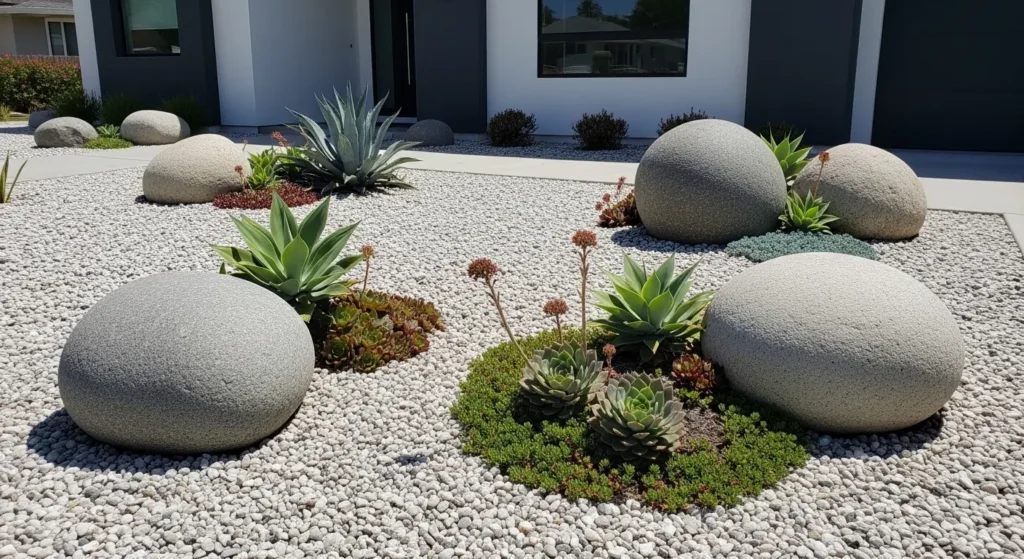
Gravel gardens have stood the test of time for a reason – they’re incredibly low-maintenance while looking naturally beautiful. By replacing traditional lawn with a bed of decorative gravel or river rock, you eliminate the need for constant mowing, watering, and fertilizing. Gravel drains beautifully, making it perfect for areas that tend to get waterlogged, and it naturally suppresses weed growth, especially when combined with a quality weed barrier underneath. You can choose from various colors and sizes, from fine pea gravel to larger river rocks, allowing you to create a custom look that complements your home’s style. The initial installation is straightforward, and maintenance is as simple as raking occasionally and adding fresh gravel annually to maintain depth and appearance. Plus, gravel is extremely cost-effective compared to other landscaping solutions, making it perfect for budget-conscious homeowners.
Installing a gravel garden is simpler than you might think. Start by removing existing grass or weeds, then lay down a sturdy landscape fabric to prevent weed growth from below. You’ll typically need 2-4 inches of gravel depending on your preferences and local climate. Once installed, the only regular maintenance required is occasional raking to maintain an even appearance and adding new gravel as needed to keep the depth consistent. You can incorporate raised planting beds within your gravel garden to add visual interest and showcase your favorite plants. Consider adding solar lights, stepping stones, or decorative rocks to break up the gravel expanse and add dimension. The beauty of gravel gardens is their versatility – you can create modern, minimalist designs or go for a more naturalistic, zen-like aesthetic depending on your personal style preferences.
2. Drought-Resistant Native Plants:
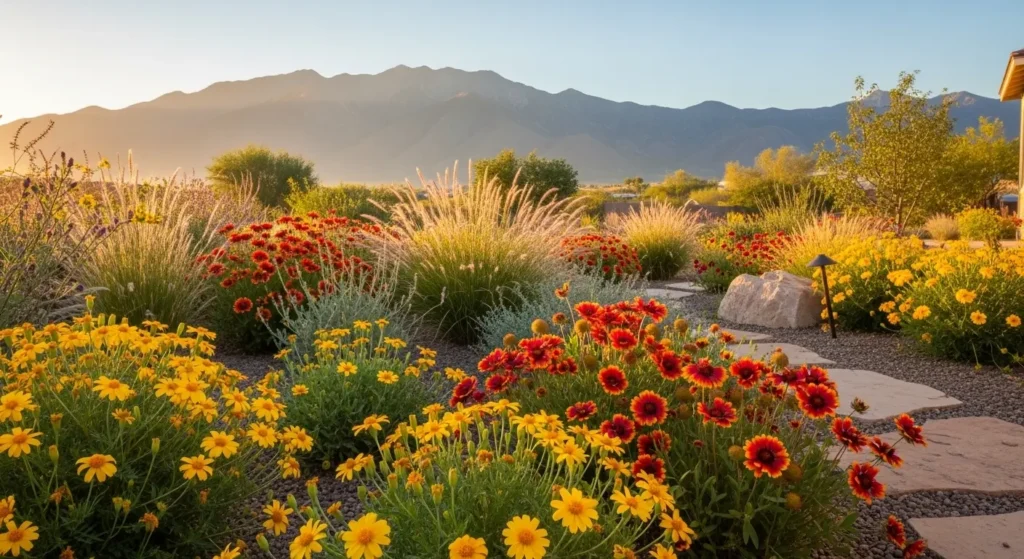
Native plants are absolute heroes when it comes to low-maintenance landscaping. These plants have adapted to your local climate over centuries, meaning they require minimal watering once established and are naturally resistant to local pests and diseases. By choosing plants that are native to your region, you’re working with nature rather than against it, which dramatically reduces the time and resources you need to invest in maintenance. Native plants also support local pollinators, butterflies, and birds, turning your front yard into a thriving ecosystem. Whether you live in an arid climate and want beautiful desert plants, or in a woodland area seeking shade-loving perennials, there are native options that will make your yard stunning while asking very little in return.
Before selecting native plants, take time to research what grows naturally in your region and research their specific growing requirements. Visit your local native plant nursery to see what’s available and get expert advice on what will thrive in your particular soil and light conditions. Once planted and established, native plants typically require minimal fertilization, pest management, and watering beyond normal rainfall. They’re perfect for creating layered, textured gardens with varied heights and blooming times throughout the seasons. Consider grouping plants with similar water and light needs together, and you’ll create natural garden communities that look professionally designed while requiring almost no maintenance intervention from you.
3. Mulch Beds With Decorative Plants:
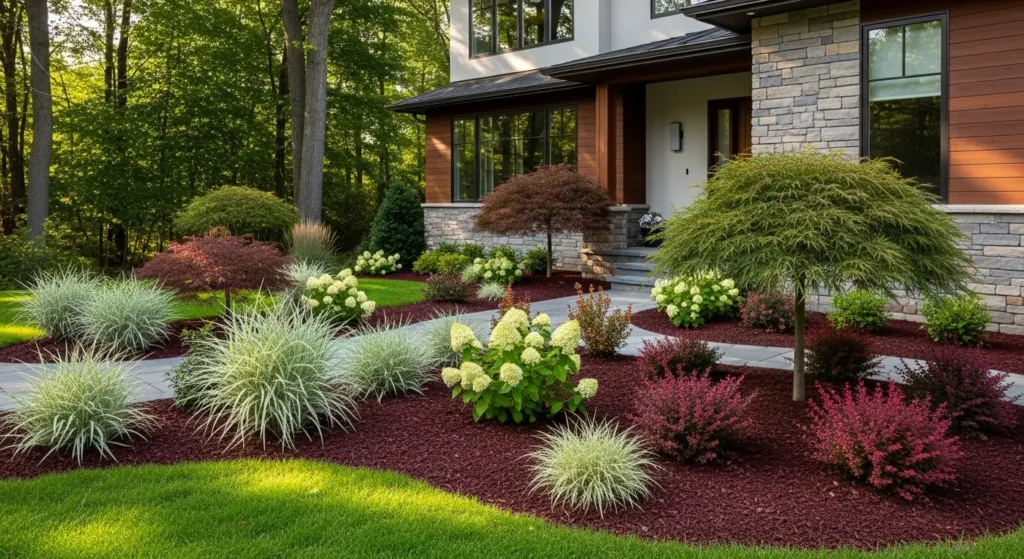
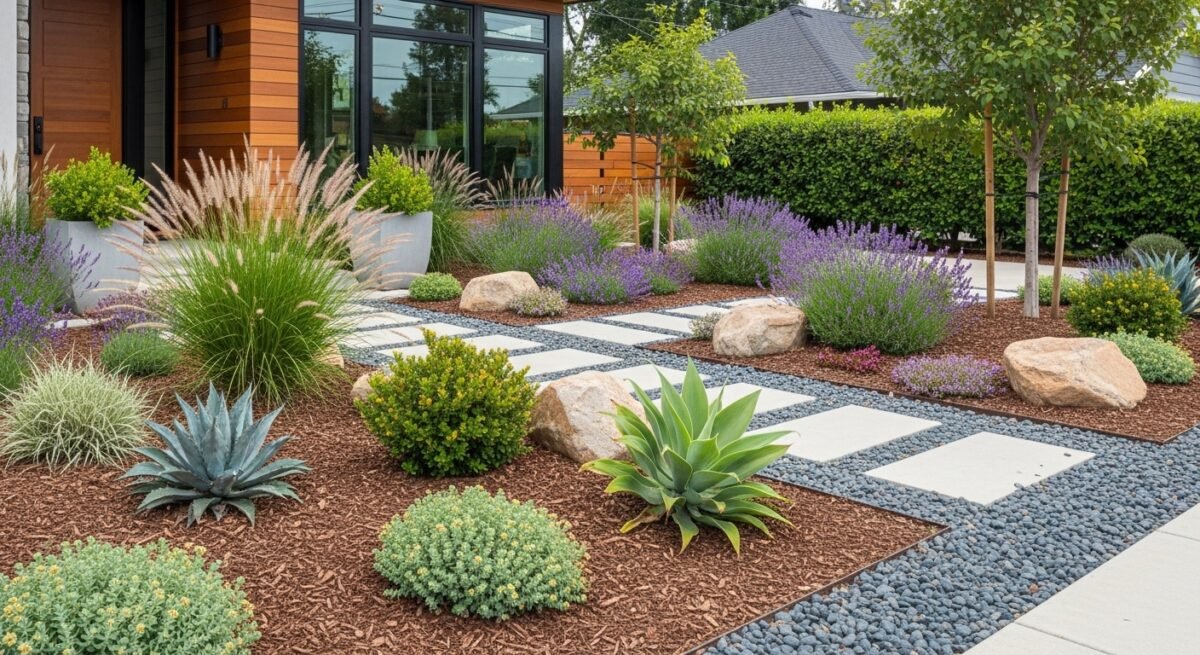
Mulch beds are a game-changer for low-maintenance landscaping because they simultaneously suppress weeds, retain soil moisture, regulate soil temperature, and add visual definition to your yard. The key to success is using quality mulch – typically wood chips or shredded bark – in sufficient depth, generally 3-4 inches. This depth is enough to block sunlight from reaching weed seeds while not being so deep that it suffocates plant roots. Quality mulch also breaks down over time, enriching your soil with organic matter, which helps your plants thrive with less intervention. You can select from various mulch colors, from natural browns to dyed blacks and reds, to complement your home’s exterior and create visual contrast with your plantings.
The magic of mulch beds lies in how they work with time-saving plant choices. Combine your mulch with drought-tolerant shrubs, ornamental grasses, and perennials that don’t require deadheading or constant pruning, and you’ve created a maintenance-free garden that looks professionally designed. Refresh your mulch annually in spring to maintain its appearance and effectiveness, and spot-pull any weeds that do emerge – which will be minimal compared to unmulched beds. Mulch beds also create clean, defined edges that make your entire yard look more organized and intentional. This simple addition transforms not just the ease of maintenance but also the overall visual impact of your landscaping.
4. Artificial Turf:
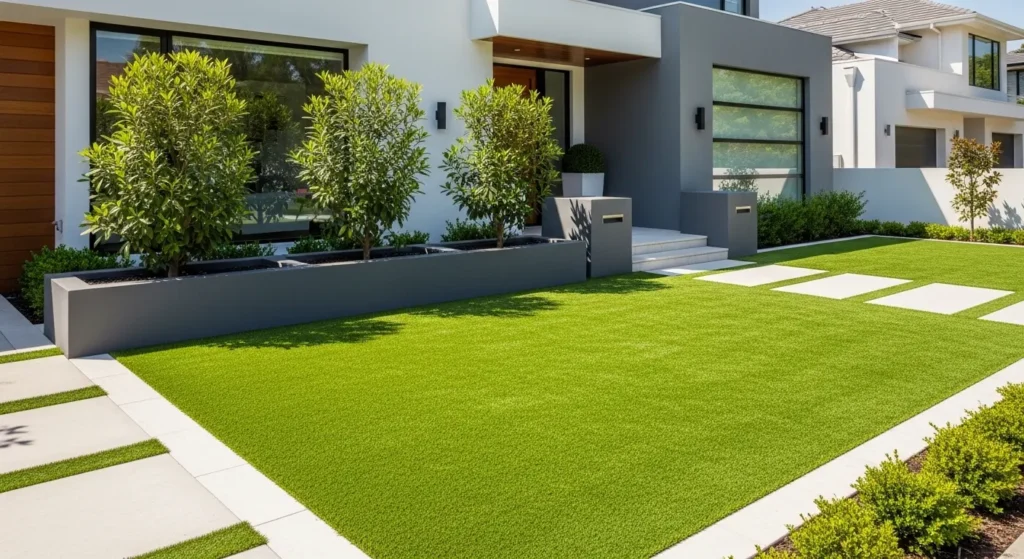
Gone are the days of plastic-looking artificial grass. Modern artificial turf has come an incredibly long way, and high-quality options now look virtually indistinguishable from real grass while eliminating every aspect of lawn maintenance. No more mowing, watering, fertilizing, aerating, or dealing with dead patches and muddy spots – artificial turf stays lush and green year-round with virtually no effort. For busy professionals, families with young children, or anyone tired of the lawn maintenance treadmill, artificial turf is genuinely life-changing. It drains beautifully, making it suitable even for wet climates, and it’s durable enough to withstand heavy foot traffic, making it perfect for families with active kids and pets.
The initial investment in artificial turf is significant, but when you calculate the time and money saved over years of lawn care – no mower purchases, no gas, no fertilizers, no watering during droughts – the cost-effectiveness becomes clear. Installation requires proper base preparation to ensure excellent drainage and longevity, but once installed, your maintenance consists of occasional brushing to maintain the grass pile and very light rinsing occasionally. This is the ultimate solution if you want that perfectly manicured lawn look without any of the work. Pets adapt beautifully to quality artificial turf, and it’s completely safe for families with small children.
5. Hardscape Features:
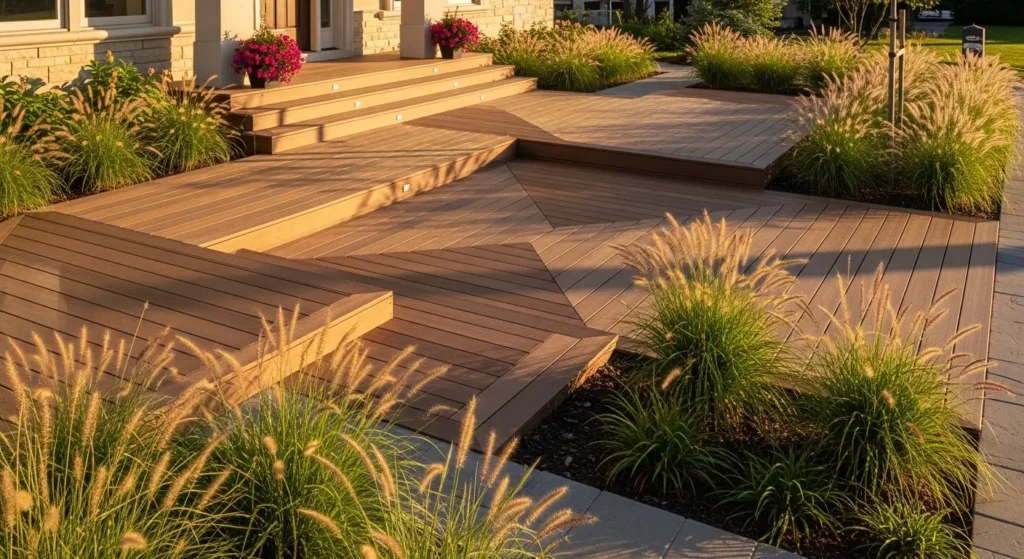
Hardscaping – incorporating non-living landscape elements like patios, pathways, and decking – transforms your yard from a high-maintenance grassy lawn into a functional, beautiful space that requires virtually no upkeep. Installing a large patio or deck creates an outdoor living area that’s perfect for entertaining and relaxing while dramatically reducing the amount of lawn that needs mowing. Materials like composite decking, paved stone, stamped concrete, or permeable pavers offer durability and low maintenance while adding significant value and curb appeal. A well-designed hardscape also creates visual interest and structure, making your front yard look intentional and professionally planned even if you never plant another flower.
When planning hardscaping, consider how you actually use your front space and design accordingly. A curved walkway invites visitors into a welcoming entryway, while a sitting area with benches creates a quiet retreat. Hardscape materials should be selected based on your climate and maintenance tolerance – some require occasional sealing, while others are virtually maintenance-free. Combine your hardscaping with strategic plantings in containers or raised beds, and you’ve created a sophisticated outdoor room that requires minimal ongoing maintenance. The beauty of hardscaping is that it’s also incredibly durable, meaning your investment lasts for decades with minimal upkeep.
6. Xeriscaping:
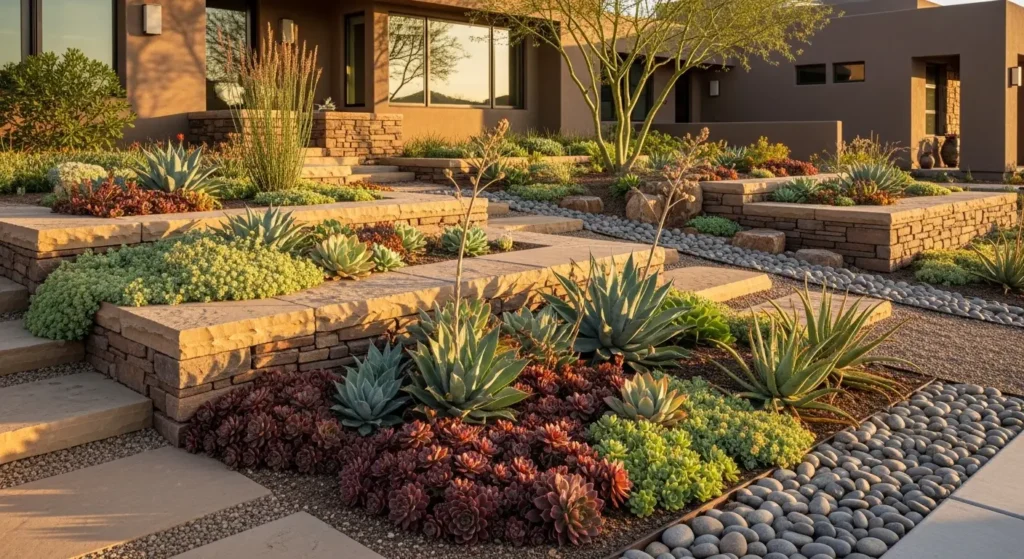
Xeriscaping is a landscaping philosophy designed specifically around water conservation without sacrificing beauty. By grouping plants with similar water needs, improving soil quality, choosing appropriate plants for your climate, and using efficient irrigation methods, you can create stunning landscapes that use up to 50% less water than traditional yards. This approach is becoming increasingly popular as water scarcity becomes a global concern, and it’s especially valuable if you live in a dry climate. The beautiful part? Xeriscape designs are often more visually interesting than traditional landscapes, featuring beautiful texture contrasts, varied colors, and architectural plants that create year-round interest.
Implementing xeriscaping starts with assessing your soil and improving its water-retention capacity through the addition of organic matter. Next, choose plants adapted to your climate that require minimal supplemental watering once established – succulents, ornamental grasses, and Mediterranean plants are excellent choices. Create irrigation zones based on water needs, and consider installing drip irrigation systems that deliver water directly to plant roots with minimal waste. Mulching heavily reduces evaporation and keeps soil temperatures consistent. The result is a beautiful, sustainable landscape that not only reduces your environmental impact and water bills but also requires less maintenance than a traditional lawn-and-garden setup.
7. Ground Covers:
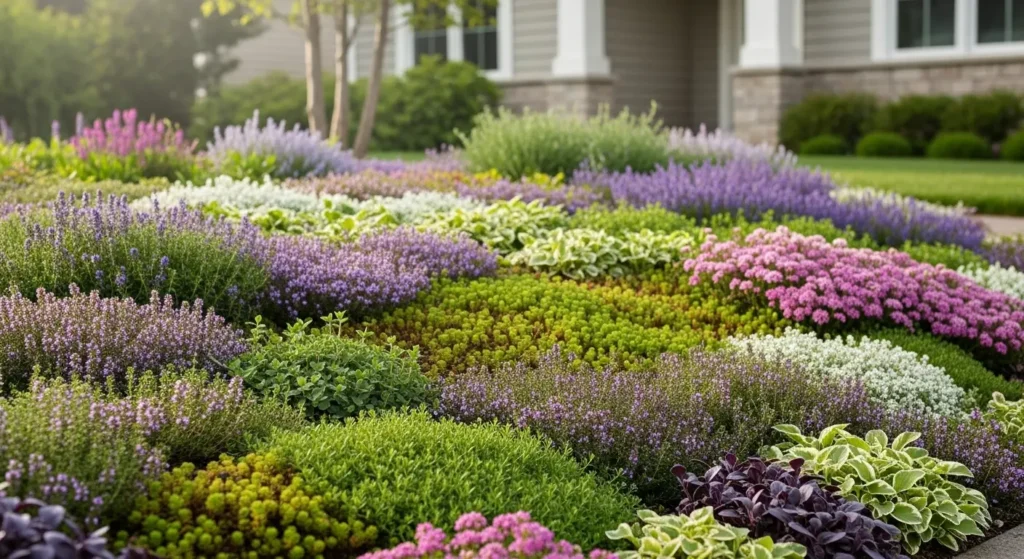
Ground covers are nature’s answer to low-maintenance landscaping. Instead of high-maintenance lawn or bare soil that requires constant weeding, ground covers create living carpets that suppress weeds naturally, require minimal fertilization, and often need cutting back only once or twice yearly. Options range from creeping sedums that thrive in sun to helxine for shaded areas, from flowering options like creeping phlox to purely foliage plants like some varieties of ivy. Ground covers also create beautiful textural variety in your landscape, and many options produce flowers or interesting foliage colors throughout the seasons. They’re particularly useful for slopes and difficult-to-access areas where mowing is inconvenient or where water erosion is a concern.
Selecting the right ground cover for your specific conditions is crucial for success. Consider sun exposure, soil type, drainage, and climate when making your selection. Once planted and established, most ground covers need virtually no maintenance beyond occasional trimming to keep them looking neat and contained. They naturally crowd out weeds through sheer coverage, eliminating much of the weeding work traditional gardens require. Many ground covers are also deep-rooted, making them excellent for slope stabilization and erosion control. You can create beautiful combinations of complementary ground covers with different textures and colors, creating a sophisticated, naturalistic look that reads as intentionally designed rather than randomly planted.
8. Container Gardens:
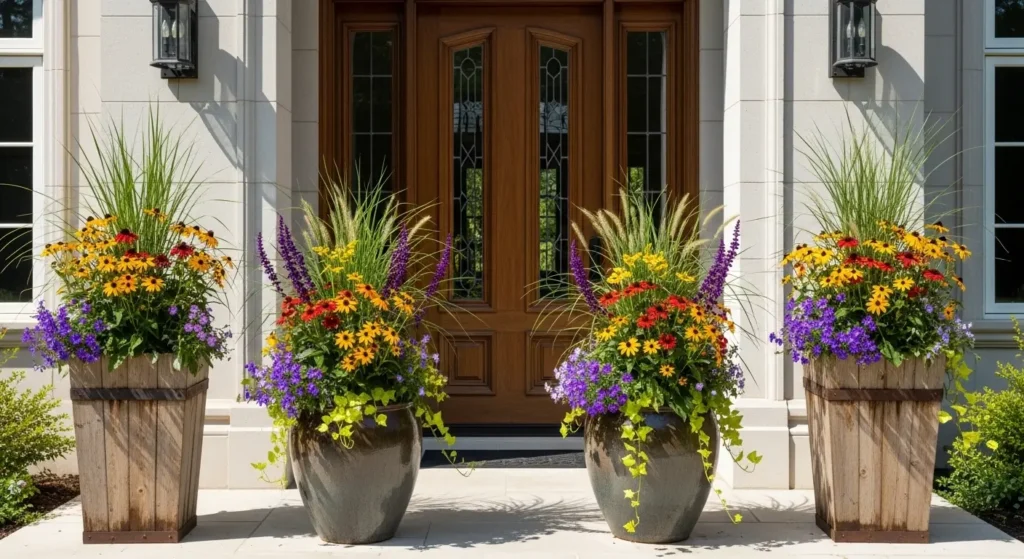
Container gardening is a remarkably low-maintenance way to add color, texture, and visual interest to your front yard while maintaining complete control over soil quality, water management, and plant care. By growing plants in containers, you eliminate many of the variables that make garden beds challenging – poor soil quality, drainage issues, pest pressures, and competition from surrounding plants. Containers also allow you to easily move plants to optimize light exposure and create different seasonal displays by simply swapping out plantings. For renters, people who move frequently, or those who want flexibility in their landscaping, container gardens offer unprecedented freedom.
The key to successful, low-maintenance container gardening is selecting appropriate plants for your containers and choosing containers large enough to provide adequate root space and moisture retention. Quality potting soil is crucial – it’s specifically formulated for container growing and drains better than garden soil. Group containers with similar water needs together so you can water efficiently, and use self-watering containers or add irrigation drip lines for even less work. A strategic collection of containers near your entrance creates instant curb appeal and draws visitors into your space. Container gardens also allow you to feature unusual or tender plants that might not survive in your garden beds, and you can change your design seasonally to keep your yard feeling fresh and exciting.
9. Ornamental Grasses:
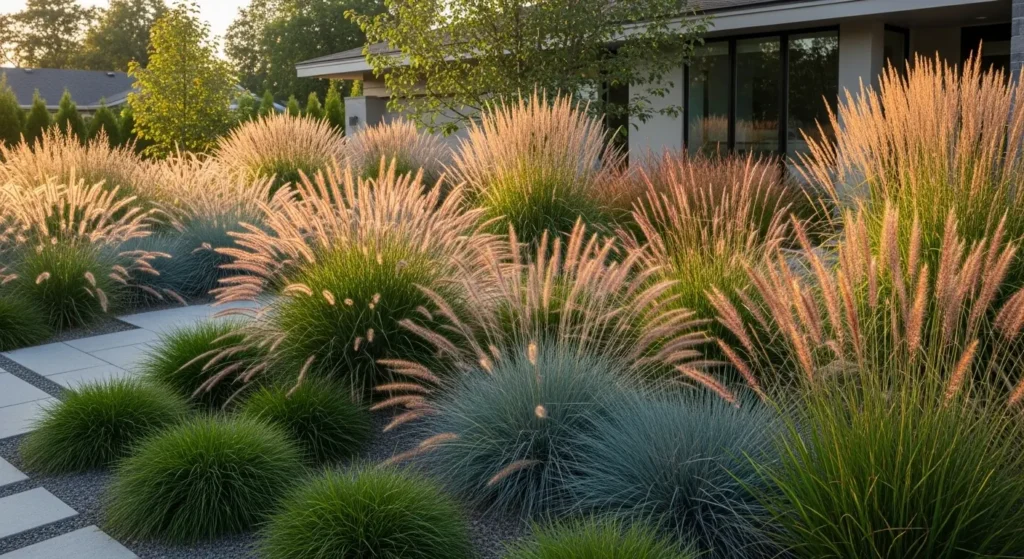
Ornamental grasses are landscape superstars that somehow manage to look absolutely beautiful while requiring almost no maintenance. These plants provide movement, texture, sound, and visual interest that make a landscape feel alive and dynamic. From delicate varieties like fountain grass to sturdy native grasses like little bluestem, ornamental grasses come in dozens of varieties suitable for different climates, light conditions, and aesthetic preferences. Once established, they’re incredibly drought-tolerant, rarely bothered by pests or diseases, and need cutting back only once yearly in spring. Their architectural form provides year-round interest, remaining attractive even after frost, and they attract beneficial insects and birds to your landscape.
Building a landscape around ornamental grasses creates a sophisticated, low-maintenance design that changes subtly through the seasons. Combine grasses of different heights, colors, and textures to create layers and visual depth. Pair them with complementary flowering plants like coneflowers or black-eyed Susans to add color without adding maintenance burden. The flowing, natural quality of ornamental grasses makes landscapes feel softer and more organic than rigid hardscape-only designs. Once planted and established, grasses require minimal water, no fertilizing, no pest management, and only that one annual cutback in spring. They’re particularly excellent for creating movement and softness near hardscape features, making your yard feel both designed and naturally beautiful.
10. Hostas and Shade-Tolerant Plants:
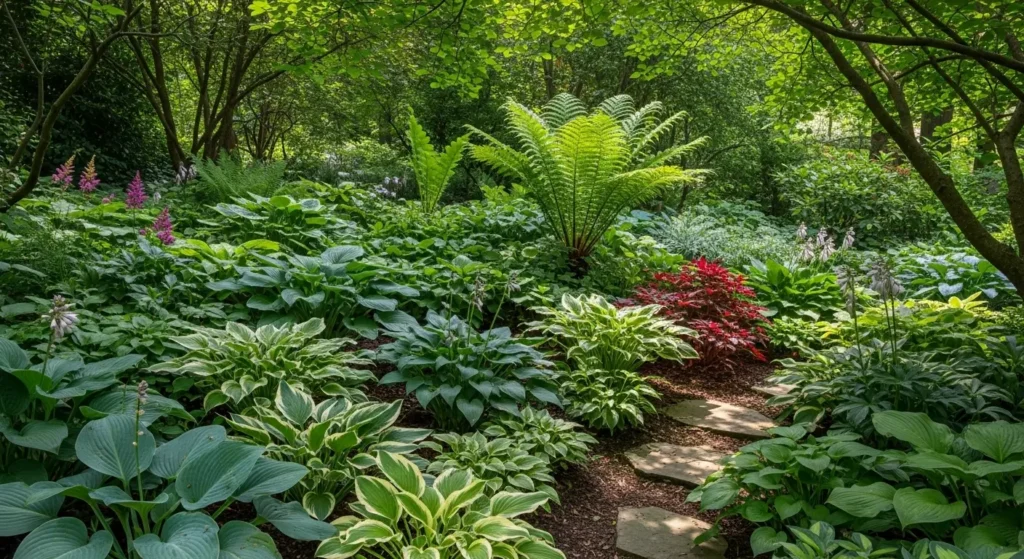
Shade is often considered a landscaping curse, but with the right plant selections, shaded areas can become some of your most beautiful and lowest-maintenance garden spaces. Hostas are absolute champions in shade gardens – they’re incredibly hardy, pest-resistant, require virtually no maintenance beyond occasional watering, and provide stunning foliage interest in colors ranging from deep green to chartreuse to variegated combinations. Combined with ferns, heucheras, and other shade-tolerant plants, hostas create lush, sophisticated gardens that thrive in conditions where sun-loving plants struggle. Shade plants also benefit from naturally cooler soil temperatures and higher humidity, making them more drought-tolerant than many gardeners assume.
Creating a shade garden is remarkably simple and stress-free. Choose plants adapted to your specific light level – dense shade differs significantly from dappled or part-shade conditions – and arrange them by mature size to create layers of interest. Most shade plants prefer consistently moist but not waterlogged soil, which is easily achieved with a good layer of mulch and occasional supplemental watering during dry spells. The beauty of shade gardens is their natural, forest-like atmosphere, which feels peaceful and inviting. These gardens rarely suffer from pest problems or diseases, require no fertilizing, and actually improve with age as plants mature and fill out. If your front yard has significant shade, consider it an asset rather than a limitation – you have the opportunity to create something truly special.
11. Rock Gardens With Alpine Plants:
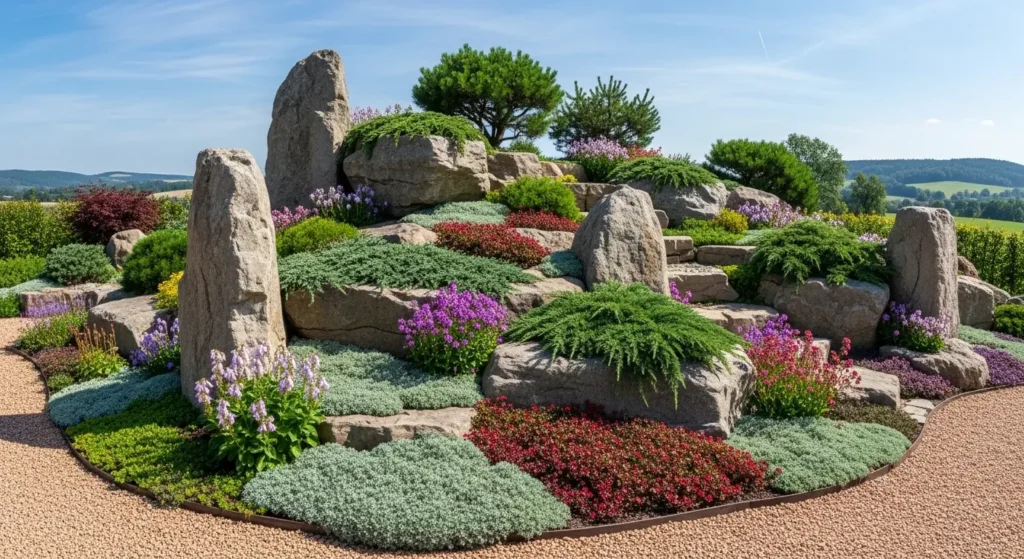
Rock gardens and alpine plant collections offer a way to create dramatic, visually striking landscapes with plants that require almost no maintenance. Alpine and rock garden plants are adapted to harsh, rocky environments with minimal soil and water, making them extremely drought-tolerant once established. These gardens work beautifully in contemporary and Asian-inspired designs, and the careful placement of boulders and specimen plants creates natural-looking landscapes that feel both designed and organic. The elevation changes in a rock garden also improve drainage and prevent the waterlogging that can plague low-lying garden areas, making them particularly suitable for wet climates.
Building a rock garden starts with creating excellent drainage through proper grading and the addition of coarse gravel or perlite to planting soil. Select a strategic location with at least some sunlight – most alpine plants prefer bright light – and position your boulders to create visual interest and define different planting zones. Choose plants carefully, making sure each is suitable for your climate and the specific conditions within your rock garden. Once established, these gardens need minimal watering, no fertilizing, no pest management, and very little maintenance beyond perhaps trimming back occasionally to maintain shape. A rock garden becomes a focal point that draws the eye and creates conversation, and it requires far less work than traditional landscape beds while offering far greater visual impact.
12. Flowering Shrubs:
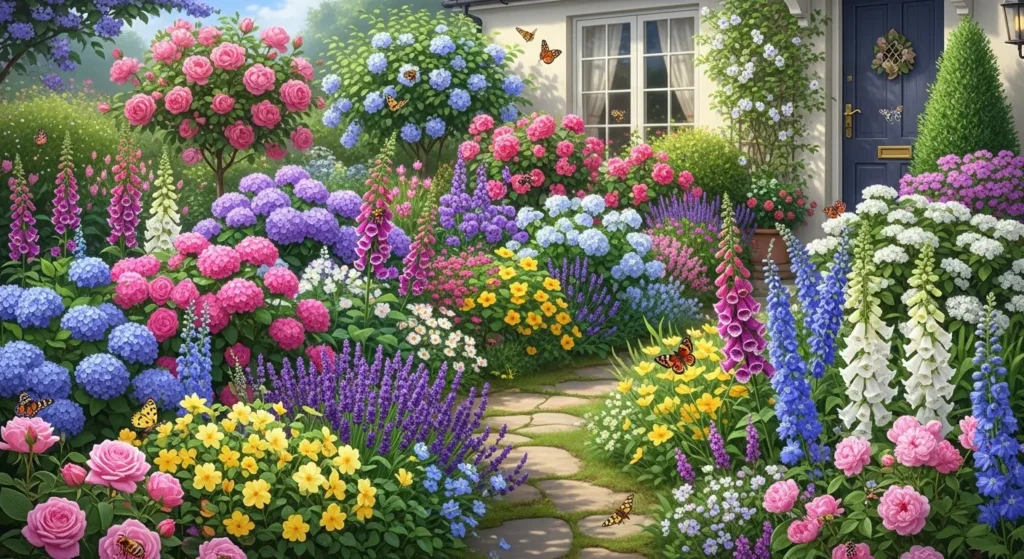
Flowering shrubs are the backbone of low-maintenance landscaping, providing structure, color, and visual interest while requiring minimal ongoing care. Modern cultivars have been specifically bred for disease resistance, extended bloom periods, and minimal maintenance requirements. From dwarf lilacs that bloom for weeks to flowering quince that brightens early spring, from butterfly bush that blooms all summer to endless summer hydrangeas with multiple flower flushes, there are flowering shrubs suitable for every climate and landscape design. The key is choosing varieties that don’t require constant deadheading or pruning – look for modern cultivars specifically bred for continuous blooming without maintenance.
When selecting flowering shrubs for your landscape, consider their mature size, bloom time, hardiness in your climate, and cultural requirements. Plant them in appropriately prepared soil with good drainage, mulch well, and water regularly during their first growing season to help them establish deep root systems. Once established, most flowering shrubs need minimal watering beyond natural rainfall, benefit from perhaps one major pruning yearly, and essentially take care of themselves. Combining multiple varieties that bloom at different times extends your color display throughout the growing season. Pair shrubs with complementary ground covers and perennials to create layered, sophisticated designs that look professionally planned while requiring minimal maintenance intervention.
13. Permeable Pavers:
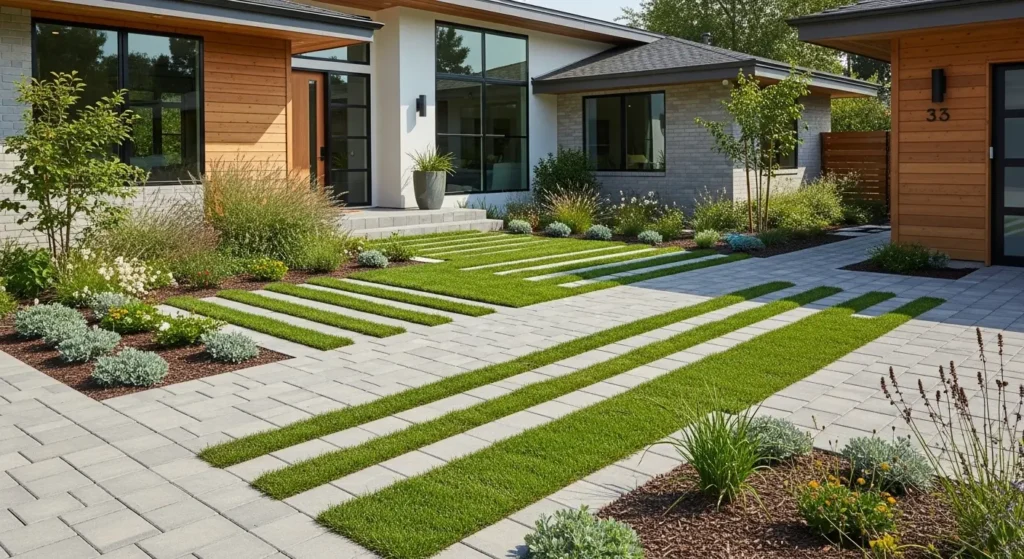
Permeable pavers are an increasingly popular hardscaping solution that combines the beauty of traditional pavers with environmental benefits and practical advantages for low-maintenance landscaping. These pavers allow water to drain through them rather than running off as it would with traditional impervious surfaces, reducing flooding, replenishing groundwater, and reducing the need for complicated drainage systems. They’re also relatively low-maintenance – you can sweep them clean, and if weeds do grow through the gaps, they’re minimal and easily pulled. Permeable pavers come in various materials, colors, and patterns, allowing you to create beautiful, sophisticated hardscape designs that also happen to be environmentally responsible.
Installing permeable pavers requires proper base preparation to ensure adequate drainage and longevity, but once installed, they’re virtually maintenance-free. Unlike solid concrete or asphalt, permeable pavers don’t crack in cold climates because water can drain through instead of freezing and expanding. They’re durable, beautiful, and increasingly cost-competitive with traditional hardscaping options. If you’re creating pathways, patios, or driveway areas in your front yard, permeable pavers are an excellent choice that aligns with modern sustainable landscaping practices while requiring minimal ongoing maintenance.
14. Sedums and Succulents:
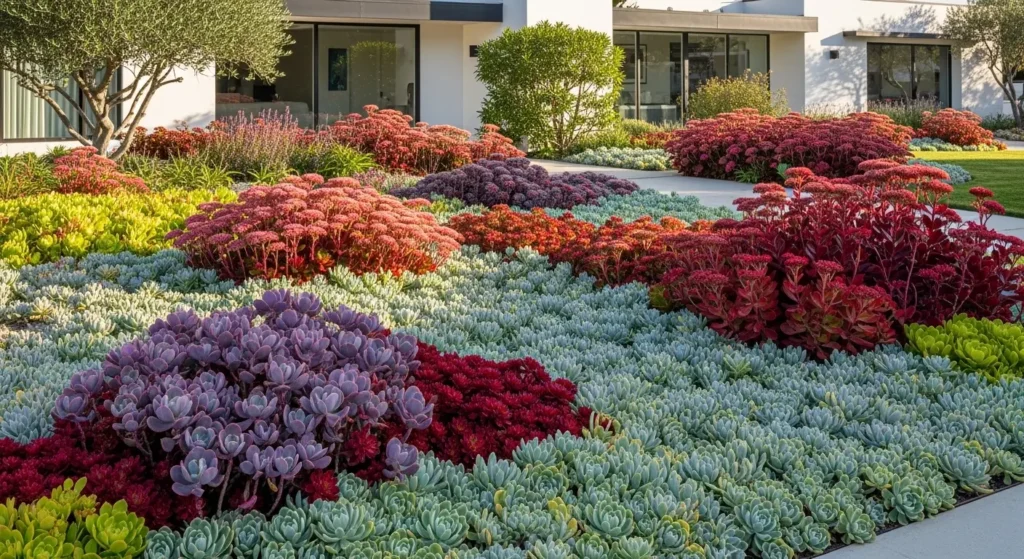
Sedums and other succulents are hands-down the easiest plants to maintain, making them perfect for low-maintenance landscapes. These remarkable plants store water in their leaves, making them incredibly drought-tolerant and actually preferring neglect to constant attention. They thrive in poor soil, require minimal fertilizing, are rarely bothered by pests or diseases, and actively prefer not to be coddled with frequent watering. The variety of colors, sizes, and growth habits available means you can create visually interesting, sophisticated designs using only succulents – from creeping ground covers to tall specimens like desert rose.
Creating a succulent landscape requires only that you provide excellent drainage – they’re the only plants that genuinely suffer from too much water rather than too little. Plant them in well-amended soil, cactus/succulent mix, or even pure coarse sand, and they’ll thrive. Once established, succulents need virtually no maintenance – maybe a bit of deadheading of spent flower stems, but honestly, they look beautiful even with minimal attention. Combine different varieties to create texture and color contrast, plant them in groups rather than scattered, and enjoy a landscape that looks stunning without requiring any work. Succulents are particularly excellent for anyone who tends to forget to water plants or for creating low-maintenance front yards in dry climates.
15. Japanese Maple Trees:
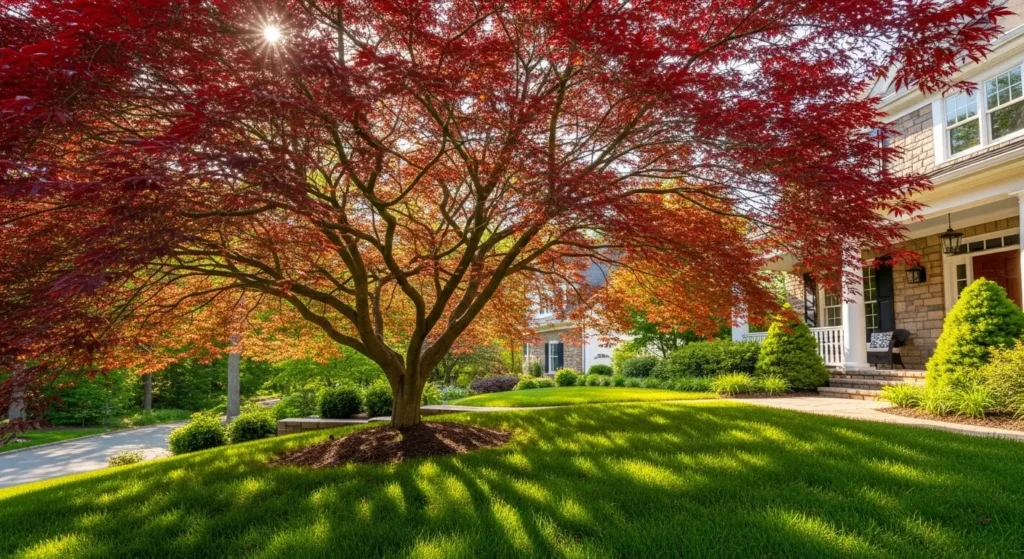
Japanese maples are landscape treasures that provide architectural interest, year-round color, and delicate, artistic form without requiring the intense pruning or maintenance of many ornamental trees. These trees naturally develop beautiful multi-branched structures, offer stunning fall color, and interesting winter branch structure even after leaves drop. Most Japanese maples are shade-tolerant, making them excellent choices for partially shaded areas, and their relatively small size makes them perfect for front yards without requiring constant pruning to maintain shape. They’re remarkably pest and disease-free, and their shallow root systems rarely cause foundation issues.
Planting a Japanese maple as a specimen tree creates an instant focal point in your landscape while requiring minimal ongoing care. These trees prefer consistently moist soil and benefit from afternoon shade in hot climates, but once established, they’re remarkably low-maintenance. Prune only to maintain natural form and remove any crossing or damaged branches – these trees actually look better with minimal pruning. Their delicate leaves create dappled shade perfect for planting shade-tolerant companions underneath, and their graceful form looks beautiful in any season. Japanese maples are investment pieces that become more beautiful as they mature, offering decades of low-maintenance beauty.
16. Raised Beds:
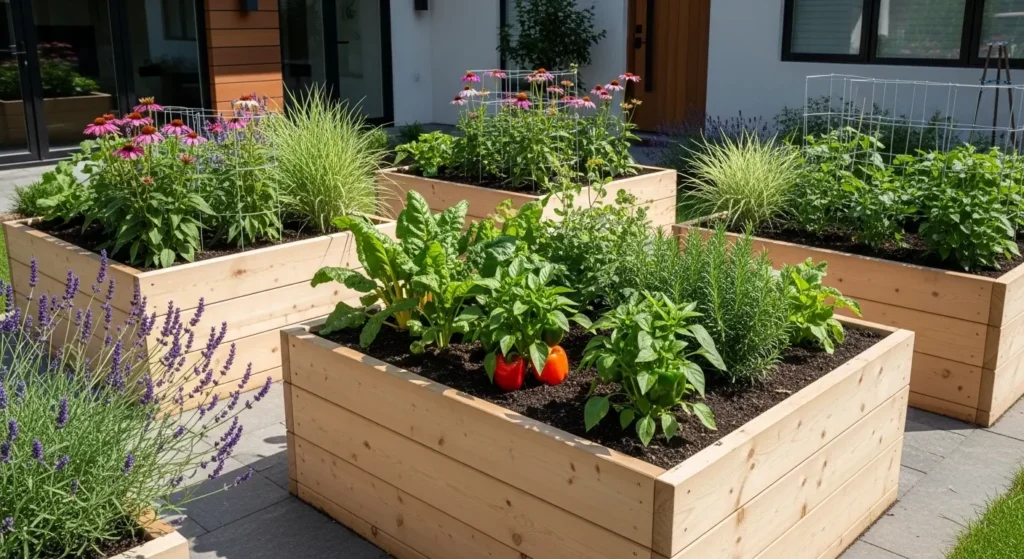
Raised beds are a game-changer for creating beautiful front yards with minimal maintenance. By elevating your planting area and filling it with quality soil, you control the soil composition, eliminate many soil-borne diseases and pests, and create excellent drainage even in poorly draining sites. Raised beds also keep weeds more contained and make maintenance easier because you’re not bending down to ground level. Whether you want to grow edibles, ornamentals, or a combination, raised beds give you complete control over your growing environment and set your plants up for success.
Constructing raised beds from quality materials like cedar or composite creates attractive landscape features while providing practical benefits. Fill beds with a mixture of quality topsoil, compost, and perlite or coarse sand to create perfectly draining growing media. Once established, maintenance is minimal – the enclosed environment discourages weeds, the good soil eliminates nutrient deficiencies, and the raised height improves drainage. You can even add drip irrigation systems within raised beds for automatic watering. Raised beds are particularly excellent for front yards because they create clean, defined spaces that read as intentionally designed and well-maintained, even with minimal effort.
17. Hydrangeas:
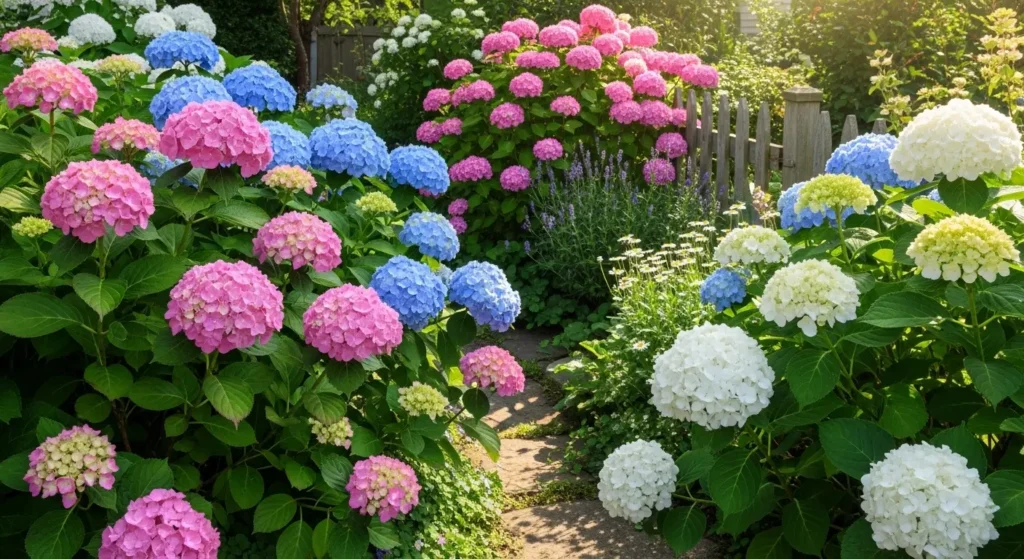
Hydrangeas are perhaps the ultimate low-maintenance flowering shrub, producing voluminous, abundant blooms with minimal effort on the gardener’s part. Modern varieties like ‘Endless Summer’ hydrangeas bloom repeatedly from summer through fall without requiring constant deadheading, while panicle hydrangeas bloom prolifically on new growth with very simple pruning. These shrubs are incredibly hardy, rarely bothered by pests or diseases, and adapt well to various soil and light conditions. The sheer abundance of flowers these plants produce creates immediate visual impact and makes your landscape feel lush, abundant, and well-maintained even when you’re doing minimal work.
Growing hydrangeas successfully requires minimal intervention – provide them with consistently moist soil and some afternoon shade or morning sun, and they’ll flourish. Pruning is remarkably simple: in late winter or early spring, cut back the previous year’s growth, and the plant will naturally grow back and produce abundant flowers. Some gardeners prefer the architectural quality of leaving spent flower clusters on the plant through winter, which provides interest even in the dormant season. Hydrangeas also work beautifully in groups, creating a flowering display that draws the eye and creates a sophisticated, garden-like feel. Their large leaves and abundant flowers make them excellent focal points that make your landscape look professionally designed.
18. Butterfly Bush and Pollinator Plants:
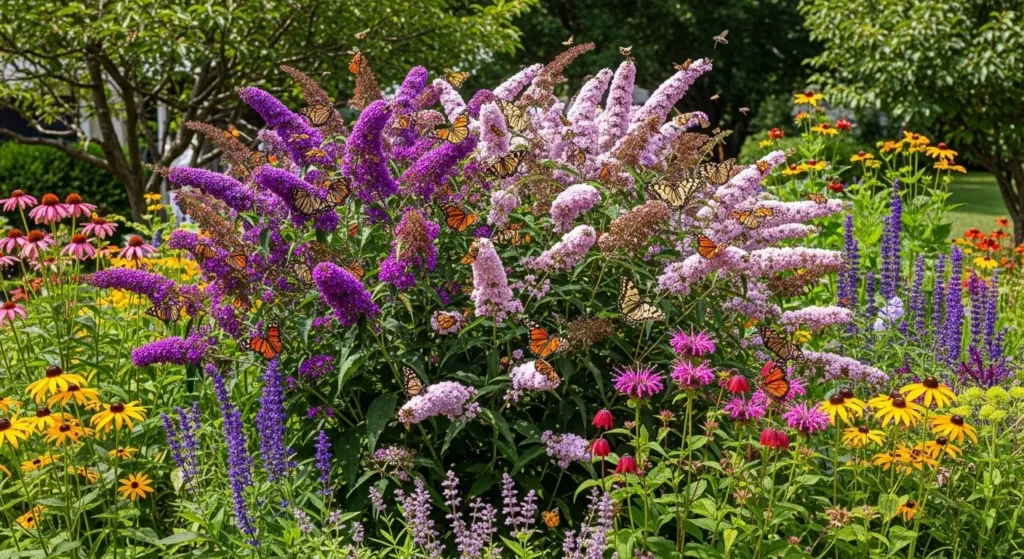
Butterfly bush and other pollinator plants create landscapes that are not only beautiful but also ecologically valuable, supporting bees, butterflies, and other beneficial insects essential for ecosystem health. These plants have been bred for continuous, profuse blooming with minimal maintenance, and they attract the insects that make gardens feel alive and dynamic. Beyond the practical benefit of supporting pollinators that keep your entire neighborhood’s plants productive, pollinator gardens are simply more interesting and engaging than sterile landscapes devoid of wildlife. The constant activity of bees and butterflies creates a sense of connection to nature and contributes to your landscape looking established and thriving.
Building a pollinator garden starts with selecting plants known to attract bees and butterflies – butterfly bush, coneflowers, black-eyed Susans, zinnias, and many others. These plants are typically vigorous, disease-resistant, and low-maintenance, thriving with minimal intervention. Leave some areas of your garden undisturbed to provide nesting and overwintering habitat for beneficial insects. Reduce or eliminate pesticide use, as even organic pesticides can harm the pollinators you’re trying to attract. Once established, a pollinator garden essentially maintains itself while providing continuous color and visual interest. You’ll find yourself sitting outside more often, watching the constant activity, and your yard will feel like a true oasis.
19. Bamboo Screening:
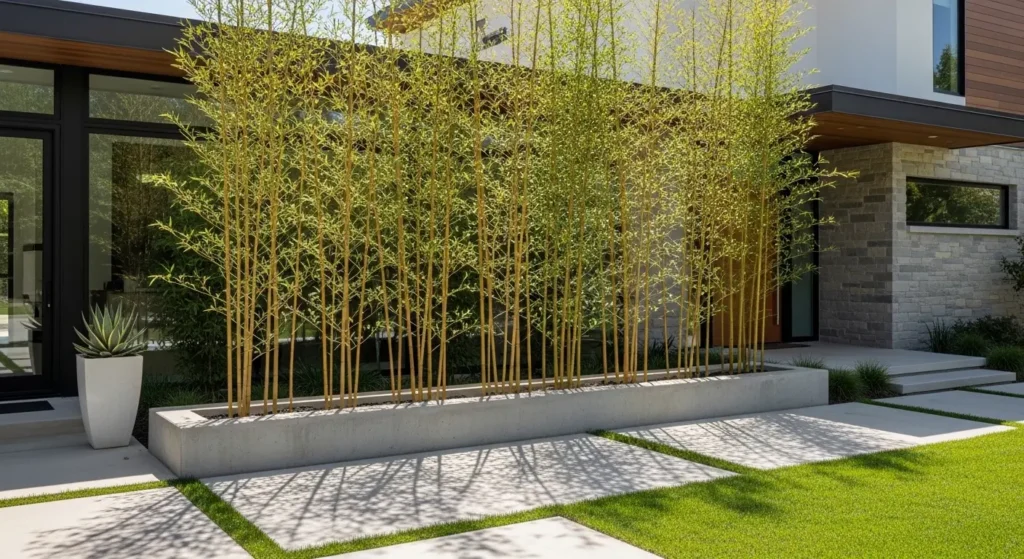
Bamboo screening creates instant privacy, defines spaces, and adds architectural interest to your landscape while requiring remarkably minimal maintenance once established. Running bamboo varieties can spread aggressively, so contained installation or use of clumping bamboo varieties is essential, but properly contained bamboo is a fantastic low-maintenance solution. Bamboo screens can be constructed from wooden frames filled with bamboo poles or living bamboo hedges that provide both privacy and the beautiful sound of rustling leaves in the wind. The elegant, minimalist aesthetic of bamboo aligns beautifully with contemporary design while also fitting traditional and Asian-inspired landscapes.
Once established, bamboo requires virtually no maintenance – it doesn’t need fertilizing, rarely needs supplemental water beyond normal rainfall once the root system is established, and performs well in various light conditions depending on variety. Bamboo can be pruned to maintain desired height and shape, but it’s not required for health. The main consideration is ensuring your bamboo doesn’t spread beyond your desired boundaries, which is easily managed with running varieties planted inside root barriers. Bamboo screening creates beautiful dappled shadows and privacy while remaining one of the lowest-maintenance landscape features available.
20. Ornamental Evergreens:
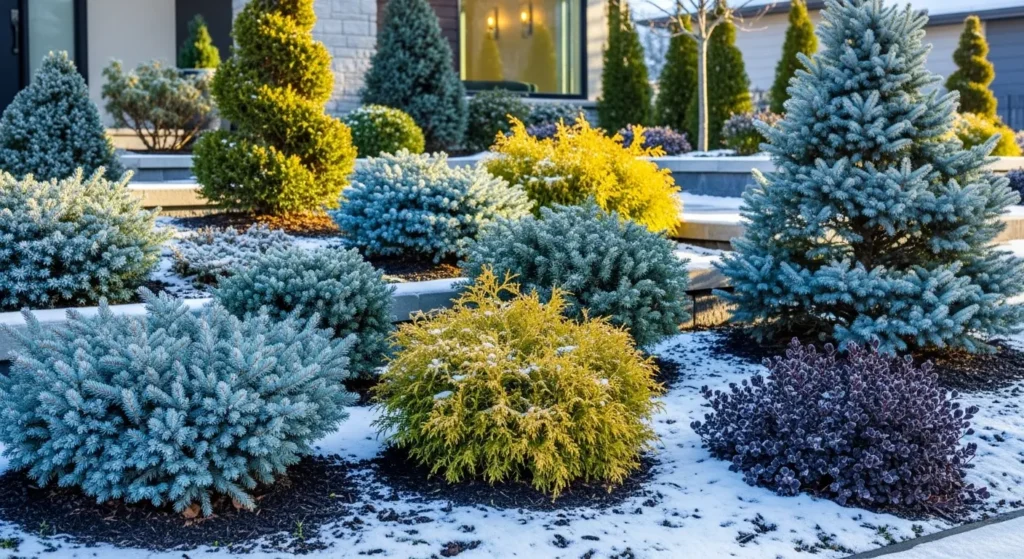
Evergreen shrubs and small trees provide the framework of low-maintenance landscapes, offering year-round color, structure, and visual interest without the seasonal demands of deciduous plants. Modern cultivars of ornamental evergreens come in remarkable colors – blues, golds, near-blacks, variegated patterns – and sizes, from tiny dwarf varieties perfect for small spaces to larger specimens serving as focal points. These plants rarely need pruning, aren’t bothered by pests or diseases, and provide the architectural bones of your landscape that make it look designed and intentional. Unlike flowering plants that provide color only during bloom time, evergreens offer constant visual interest.
Selecting a variety of evergreens with different colors, textures, and growth habits creates sophisticated, layered landscapes that look beautiful in every season. Dwarf varieties work beautifully in foundation plantings and mixed borders, while larger specimen evergreens create focal points and structure. Most evergreens prefer full sun to partial shade and well-drained soil, and once established, require minimal watering, fertilizing, or pruning. The key to success is selecting appropriate sizes and varieties for your space – choosing cultivars that don’t outgrow their space eliminates the constant pruning many homeowners find necessary. Evergreen-based landscapes shift from high-maintenance ornamental focus to a more sophisticated, understated aesthetic.
21. Landscape Lighting:
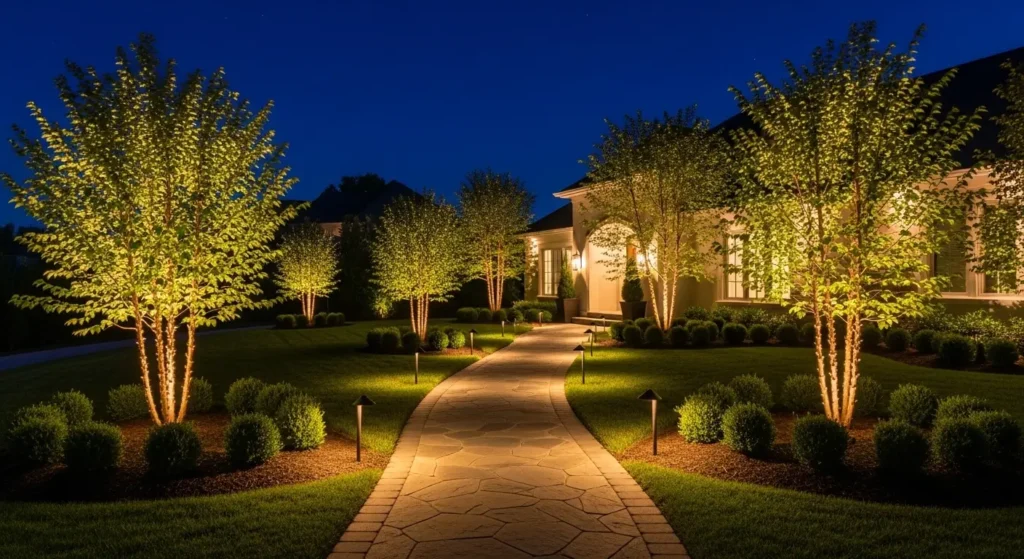
Strategic landscape lighting transforms your front yard from something visible only during daylight hours into a beautiful nighttime feature that extends your enjoyment and significantly increases nighttime curb appeal and security. Modern low-voltage LED lighting systems are incredibly energy-efficient, cost very little to operate, and come in various styles and colors. Unlike high-voltage outdoor lighting that requires professional installation, low-voltage systems are DIY-friendly and require no ongoing maintenance beyond occasionally cleaning lenses. Lighting creates drama, highlights beautiful plants and hardscape features, and creates ambiance that makes your front yard feel like an extension of your living space.
When planning landscape lighting, focus on highlighting key features – specimen trees, interesting architectural elements, or beautiful plantings – rather than trying to illuminate everything. Create layers of light for visual depth, use warmer color temperatures for welcoming ambiance, and consider motion-sensor lights for security and energy savings. Once installed, low-voltage LED systems require virtually no maintenance – the LEDs last for years, and they use minimal electricity. Lighting creates the illusion of a larger, more elaborate landscape and makes your home appear more substantial and intentional. If you want to enjoy and showcase your front yard in the evening hours, landscape lighting is an excellent low-maintenance investment.
22. Seasonal Container Plantings:
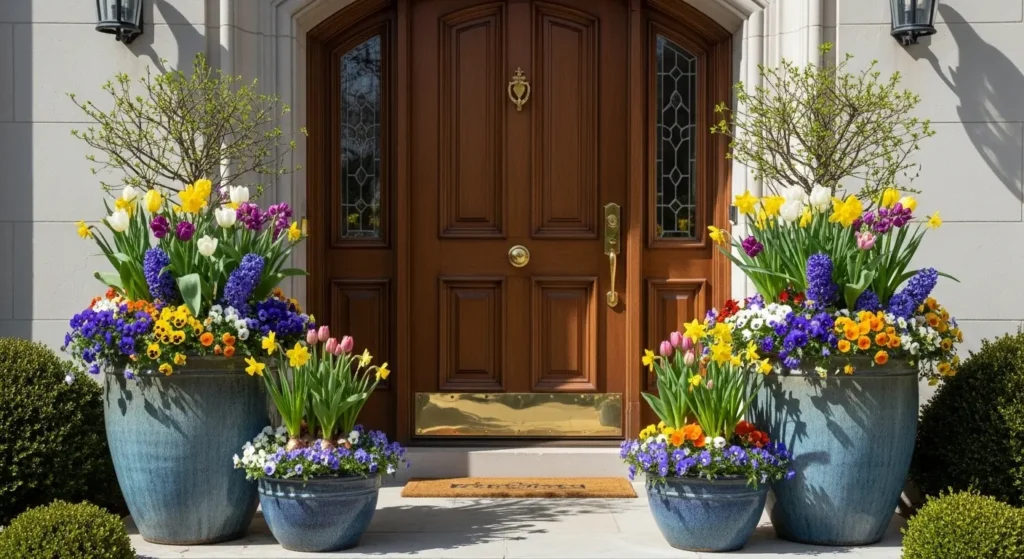
Seasonal container plantings allow you to change your front yard’s appearance with the seasons while maintaining a low-maintenance overall landscape design. Rather than committing to permanent plantings that might not provide year-round interest, seasonal containers near your entrance can be swapped out with plantings appropriate to each season. Spring offers flowering bulbs and pansies, summer brings colorful annuals and tropical specimens, fall features ornamental cabbages and flowering kale, and winter offers evergreen branches and berry-producing plants. This approach keeps your front yard feeling fresh and current while requiring minimal overall maintenance.
Creating beautiful seasonal containers requires just a bit of planning and effort twice yearly. Select containers that work with your home’s aesthetic and position them strategically for maximum visual impact. Use high-quality potting soil and combine plants with complementary colors and textures. Once planted, water as needed to keep soil moist – most seasonal containers need more frequent watering than established perennials. At the end of each season, simply compost or discard the plantings and refresh the containers for the next season. This approach works beautifully with year-round hardscape and structural plantings, allowing you to change your visual scheme seasonally without the maintenance burden of a complicated perennial garden.
23. Mixed Plantings Strategy:
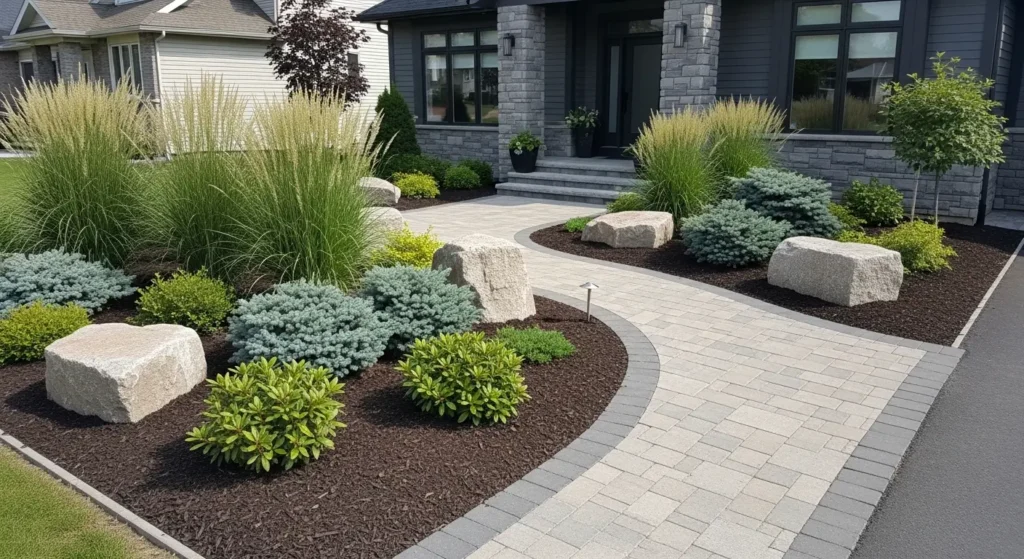
The most beautiful, successful low-maintenance landscapes typically combine multiple elements rather than relying on a single solution. A sophisticated design might include hardscape features like a permeable paver pathway or deck area, mixed plantings combining evergreen structure with seasonal flowering interest, container plantings near the entrance, native plant groupings in mulched beds, and perhaps a small rock garden featuring succulents. This integrated approach distributes visual interest, allows for flexibility and seasonal change, and creates a landscape that looks designed and mature while requiring minimal overall maintenance.
When planning your mixed landscape, start with a clear vision of how you want the space to function and feel. Create your hardscape framework first – pathways, patios, and other non-plant elements – then layer in structural plantings like evergreens and specimen trees, follow with flowering shrubs and perennials, and finish with details like containers and seasonal plantings. Ensure that all components have similar cultural requirements – group plants with similar water needs together, position sun-lovers in bright areas, and create mulched beds that work together as a cohesive design. This integrated approach is actually easier to maintain than single-element landscapes because each component is positioned for optimal growing conditions and minimal stress.
FAQ’s:
Q1: How long does it take for a low-maintenance landscape to become established?
A: Most low-maintenance landscapes reach full maturity in 2-3 years. During the first growing season, focus on regular watering to help plants establish deep root systems. By year two, most plants require minimal supplemental water beyond rainfall, and by year three, you should be experiencing the true low-maintenance benefits you’re designing for. The key is being patient during establishment – providing regular water and mulch helps plants get through this critical period.
Q2: What’s the most cost-effective low-maintenance approach?
A: Native plants and mulch beds offer excellent cost-effectiveness because these solutions are affordable to install and require minimal ongoing investment. Start with quality mulch and native plants suited to your region, and gradually add other elements as your budget allows. Gravel gardens are also remarkably affordable. The most expensive options (high-quality artificial turf, extensive hardscaping) require larger initial investment but may be cost-effective long-term when you calculate water and maintenance savings.
Q3: Can I still have color and visual interest with low-maintenance landscaping?
A: Absolutely! Low-maintenance doesn’t mean boring. Strategic use of flowering shrubs, ornamental grasses, evergreens with colorful foliage, seasonal containers, and mixed plantings creates visually interesting landscapes that happen to require minimal maintenance. Modern cultivars have been specifically bred for abundant blooming and extended color without requiring constant deadheading or pruning.
Q4: Is artificial turf really worth the investment?
A: For people who genuinely hate lawn maintenance or who have mobility issues making mowing difficult, high-quality artificial turf is genuinely life-changing. However, the initial investment is significant. Calculate your annual lawn maintenance costs over 15-20 years (artificial turf’s typical lifespan) to determine if the initial investment makes sense for your situation.
Q5: How do I prevent weeds in a low-maintenance landscape?
A: Proper mulching is your primary weed defense – 3-4 inches of quality mulch blocks sunlight from reaching weed seeds. Use landscape fabric under mulch for additional weed suppression. Select dense ground covers and ornamental grasses that naturally crowd out weeds. Remove any weeds that do emerge while small, before they can spread seeds.
Conclusion:
Transforming your front yard into a beautiful, low-maintenance space is absolutely achievable, and you have tremendous creative freedom in how you approach it. Whether you focus on native plants, embrace hardscaping features, go with modern artificial turf, or combine multiple approaches, the fundamental principle remains the same: work with your conditions rather than against them, select plants and features suited to your climate and maintenance tolerance, and create systems that support plants’ health rather than demand constant intervention.The 23 ideas covered in this guide offer solutions for every aesthetic preference, climate condition, and maintenance tolerance level. You might find that a combination approach works best for you – perhaps a hardscape patio surrounded by native plantings with containers near the entrance, or gravel beds featuring succulents and ornamental grasses. The beauty of modern landscaping is that low-maintenance doesn’t mean low-beauty – some of the most visually striking landscapes are also the most low-maintenance.