
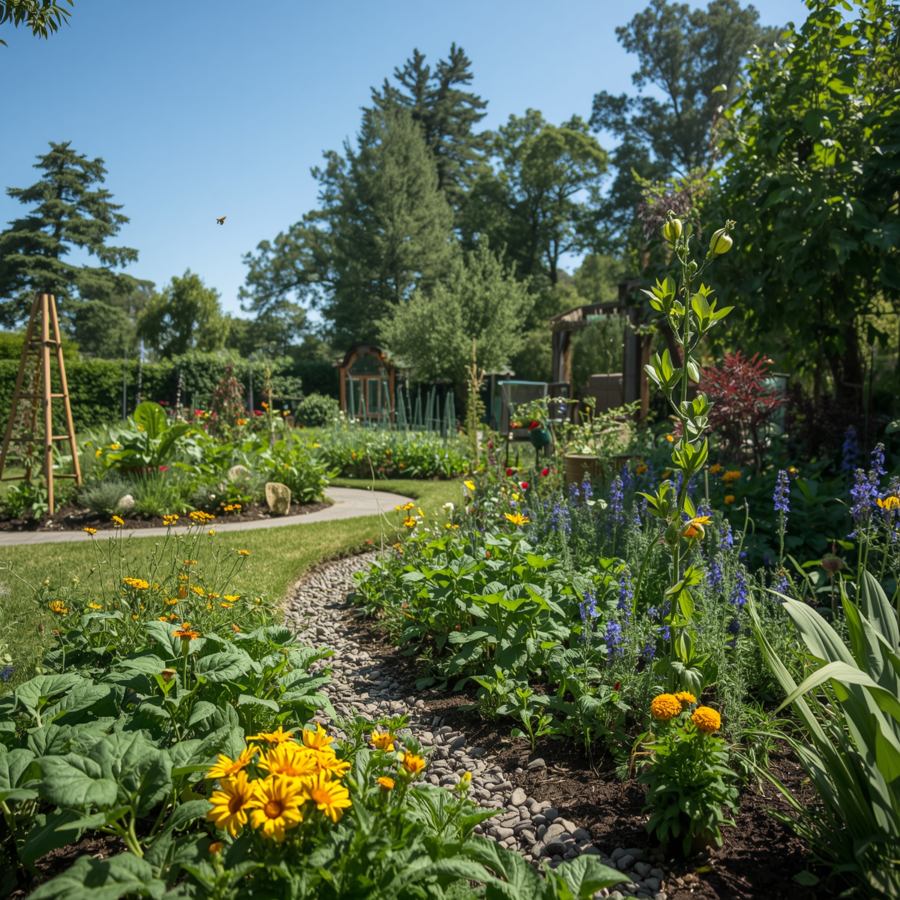
Transform your outdoor space into a beautiful and productive landscape with these edible front yard landscaping ideas. From colorful herb borders to fruit trees and raised vegetable beds, edible landscaping combines style with function while helping homeowners grow fresh food right outside their doors. Whether you prefer cottage-style gardens, minimalist landscaping, or drought-tolerant designs, these edible front yard ideas can work for almost any climate or yard size.
1. Raised Vegetable Beds With Stone Borders:
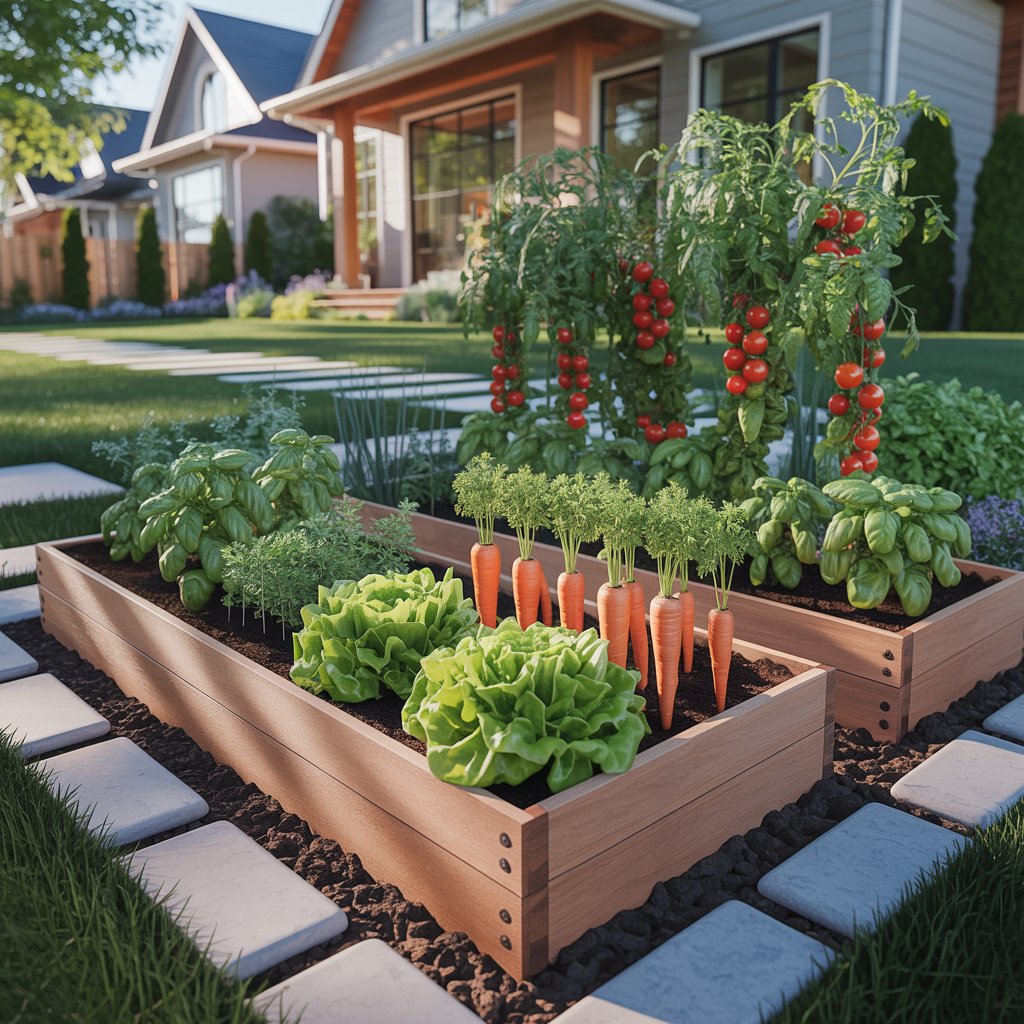
Raised vegetable beds instantly make a front yard look organized, productive, and visually appealing. Using natural stone borders around the beds creates a polished landscape design that blends beautifully with modern and rustic homes alike. Homeowners can grow vegetables like lettuce, spinach, tomatoes, peppers, and carrots while keeping the layout neat and easy to maintain. Raised beds also improve drainage and reduce soil compaction, making gardening simpler for beginners.
Adding mulch pathways between the beds gives the yard a professional appearance while helping reduce weeds. Decorative garden signs, solar lights, and trellises can elevate the visual appeal even further. Raised beds are ideal for families wanting fresh produce close to home without sacrificing curb appeal.
2. Herb Garden Pathway Along The Walkway:
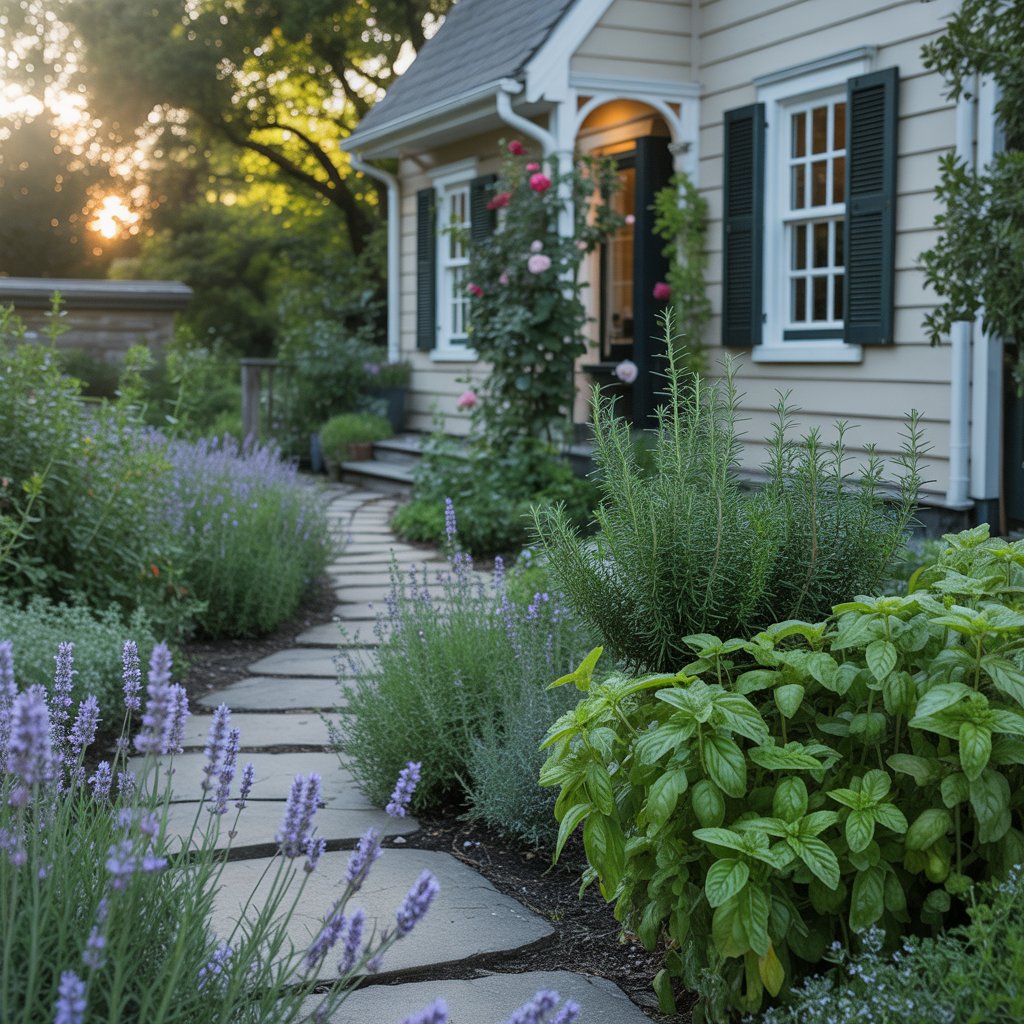
An herb-lined walkway creates a fragrant and welcoming entrance for any home. Herbs like rosemary, thyme, basil, mint, oregano, and lavender provide both beauty and usefulness throughout the year. These plants remain compact and colorful, making them perfect for bordering sidewalks or pathways leading to the front door. Many herbs also attract pollinators such as bees and butterflies, helping improve the overall garden ecosystem.
This landscaping style is especially appealing for small front yards because it maximizes limited space without appearing cluttered. Homeowners can harvest fresh herbs daily for cooking while maintaining a decorative outdoor design.
3. Fruit Tree Orchard Front Yard:
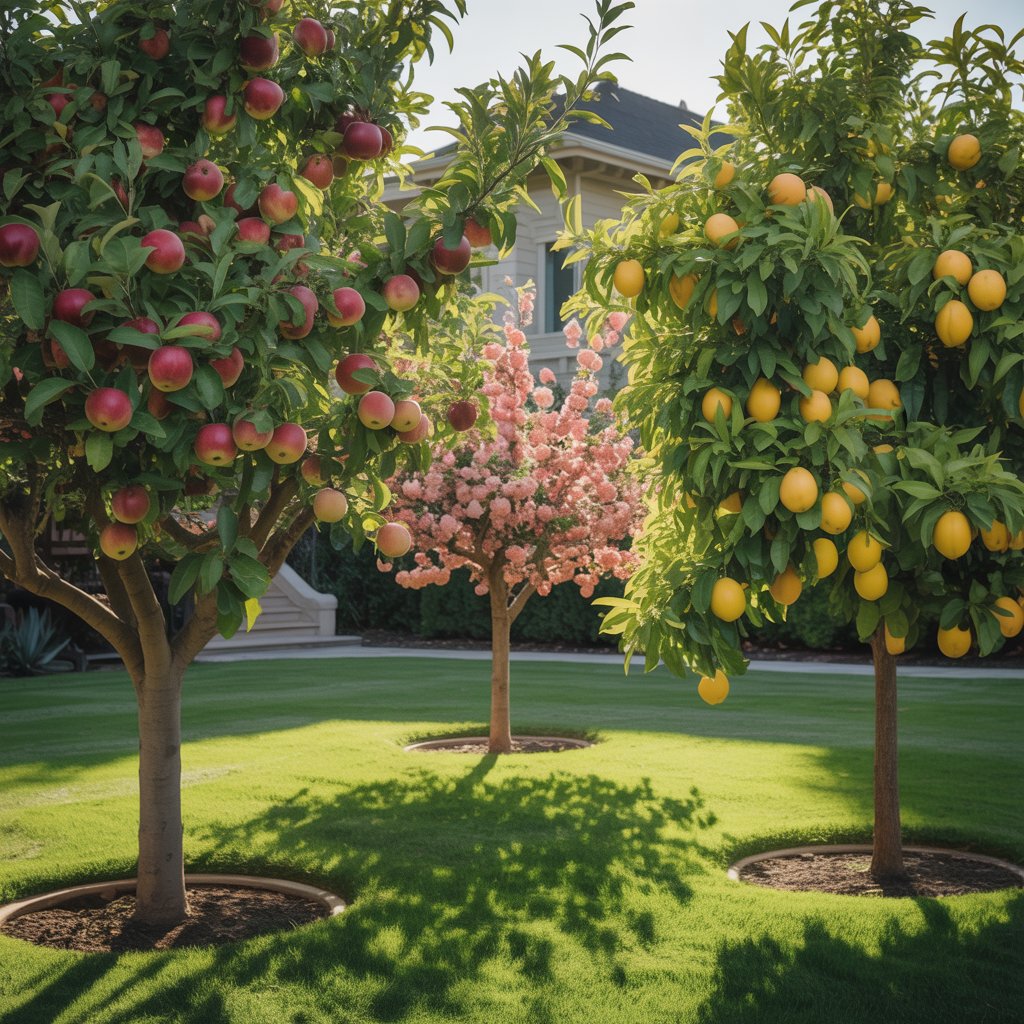
Planting fruit trees in the front yard creates a timeless landscape that provides beauty, shade, and fresh produce. Apple, peach, plum, lemon, and orange trees can transform a plain lawn into a productive mini orchard. These trees provide colorful blossoms in spring and vibrant fruit during harvest season, making the yard visually attractive all year.
Front yard orchards work best when trees are spaced evenly and combined with decorative mulch rings or flowering ground covers. Homeowners can choose dwarf fruit tree varieties for smaller spaces while still enjoying large harvests. A well-designed orchard adds value to a property and creates a peaceful outdoor environment perfect for relaxing evenings and family gatherings.
4. Edible Flower Garden Design:

Edible flowers bring vibrant colors and elegance to front yard landscaping while offering culinary benefits. Flowers such as nasturtiums, pansies, calendula, chamomile, and violets can be used in salads, teas, desserts, and garnishes. Their bright blooms instantly make the front yard stand out while creating a soft and welcoming atmosphere.
These flowers attract butterflies and pollinators, helping nearby vegetables thrive naturally. Homeowners who want a unique and artistic front yard design often love edible flower gardens because they blend decorative beauty with functionality.
5. Vertical Vegetable Garden Fence:

A vertical garden fence is an excellent solution for maximizing edible gardening space in smaller front yards. Trellises and wooden fence panels can support climbing vegetables like cucumbers, peas, beans, and tomatoes while creating visual height and structure. Hanging planters with strawberries and herbs add additional texture and charm.
This landscaping idea helps keep the yard organized while making harvesting easier. Vertical gardens also improve airflow around plants, reducing pests and disease problems.
6. Berry Bush Landscape Border:

Berry bushes provide both visual beauty and delicious harvests for edible front yards. Blueberries, raspberries, blackberries, and gooseberries can be planted along driveways, fences, or property borders to create lush green hedges. During fruiting season, these bushes become colorful focal points that attract attention and wildlife.
Berry bushes are relatively low maintenance once established, making them ideal for busy homeowners. Mulching around the plants helps conserve moisture and keeps the landscape tidy. These bushes pair beautifully with ornamental grasses and flowers, creating a balanced yard that feels both productive and professionally landscaped.
7. Citrus Tree Courtyard Garden:

Citrus trees create a luxurious Mediterranean feel in front yard landscaping. Lemon, lime, orange, and mandarin trees provide glossy green foliage, fragrant blossoms, and colorful fruits that instantly brighten outdoor spaces. Planting them in decorative containers or symmetrical arrangements near entryways creates a refined and inviting atmosphere.
These trees thrive in sunny areas and can be combined with gravel pathways, terracotta pots, and herbs like rosemary and lavender for a complete Mediterranean design.
8. Spiral Herb Garden Feature:

A spiral herb garden adds creativity and functionality to front yard landscaping. The spiral structure creates different microclimates for herbs depending on sunlight and moisture levels, allowing multiple varieties to grow efficiently in one compact space. Stone or brick materials give the feature a natural artistic appearance.
This type of garden becomes an eye-catching focal point while remaining highly practical for cooking and herbal teas. Homeowners can place the spiral near the front entrance or alongside pathways for easy access.
9. Front Yard Greenhouse Corner:

A compact greenhouse in the front yard creates a productive and stylish gardening area that extends the growing season. Homeowners can grow lettuce, herbs, tomatoes, and seedlings year-round while adding architectural interest to the landscape. Glass or transparent polycarbonate greenhouses look especially elegant when surrounded by flowers and raised beds.
This landscaping feature is ideal for gardening enthusiasts who want both beauty and productivity. Decorative pathways, climbing vines, and outdoor seating nearby can transform the greenhouse corner into a relaxing outdoor retreat.
10. Decorative Kale And Cabbage Beds:

Decorative kale and cabbage varieties add bold colors and dramatic textures to front yard gardens. Their purple, green, and white leaves create a striking visual effect that resembles ornamental plants while remaining fully edible. These cool-season crops thrive in fall and winter landscapes.
Pairing leafy greens with flowers or stone pathways creates a balanced and sophisticated appearance. Homeowners can harvest outer leaves regularly while maintaining the beauty of the garden.
11. Pergola With Climbing Grapes:

A grape-covered pergola creates shade, elegance, and edible beauty in a front yard. Grapevines climb naturally across wooden structures, forming lush green canopies that provide privacy and visual interest. During harvest season, hanging grape clusters make the space feel luxurious and inviting.
This landscaping idea combines architecture with gardening in a highly aesthetic way. Homeowners can place seating areas beneath the pergola to create a relaxing outdoor retreat.
12. Cottage Garden With Vegetables:
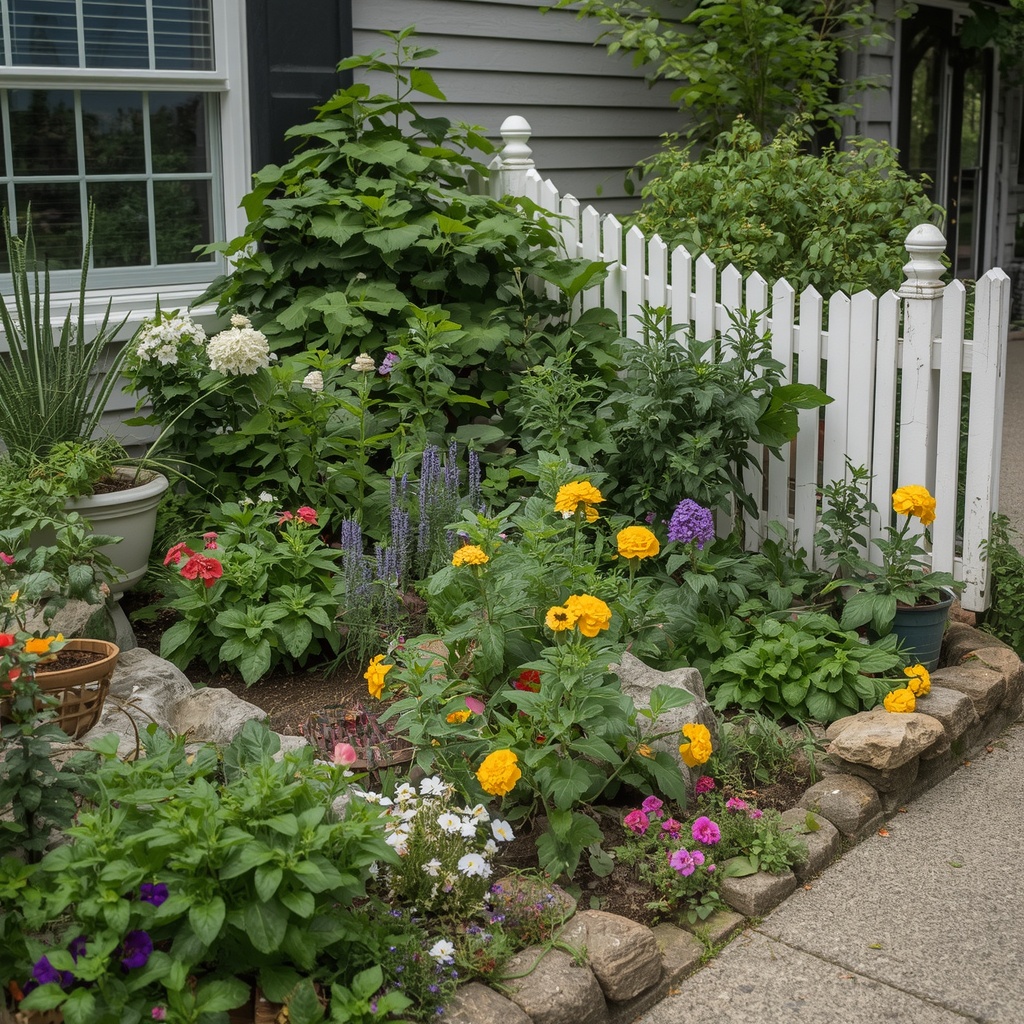

A cottage garden blends vegetables, herbs, and flowers into a lush and romantic landscape. Tomatoes, beans, lettuce, and herbs can be planted among roses, daisies, and lavender to create a relaxed yet visually stunning front yard. White picket fences and winding pathways enhance the timeless charm.
This landscaping style feels natural and welcoming rather than overly structured. Cottage gardens are perfect for homeowners wanting a whimsical and productive outdoor space.
13. Edible Hanging Basket Display:
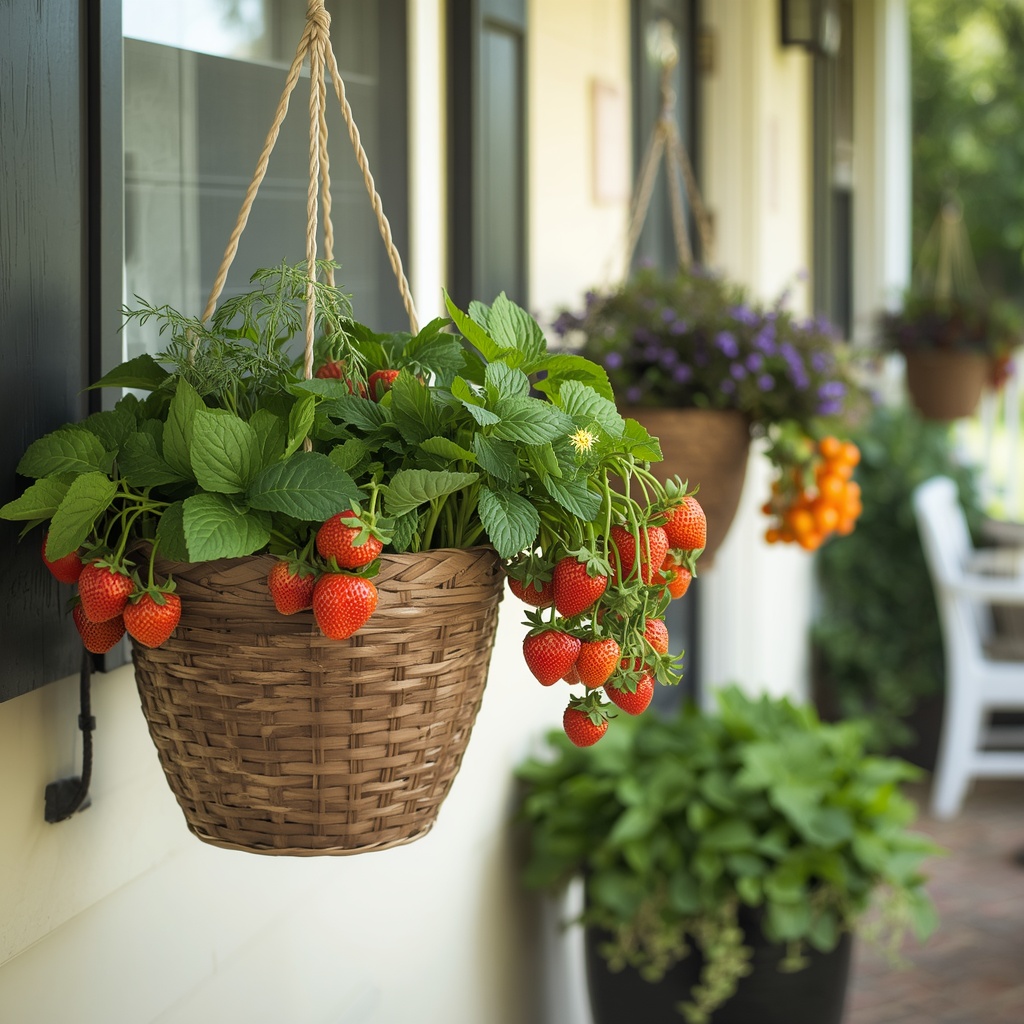
Hanging baskets offer a creative way to grow edible plants while adding vertical interest to the front yard or porch. Strawberries, cherry tomatoes, mint, basil, and trailing herbs thrive in baskets and create colorful displays near entryways.
These baskets work especially well for small homes and apartments with limited gardening space. Layering multiple baskets at different heights creates a lush and welcoming appearance.
14. Colorful Rainbow Chard Garden:
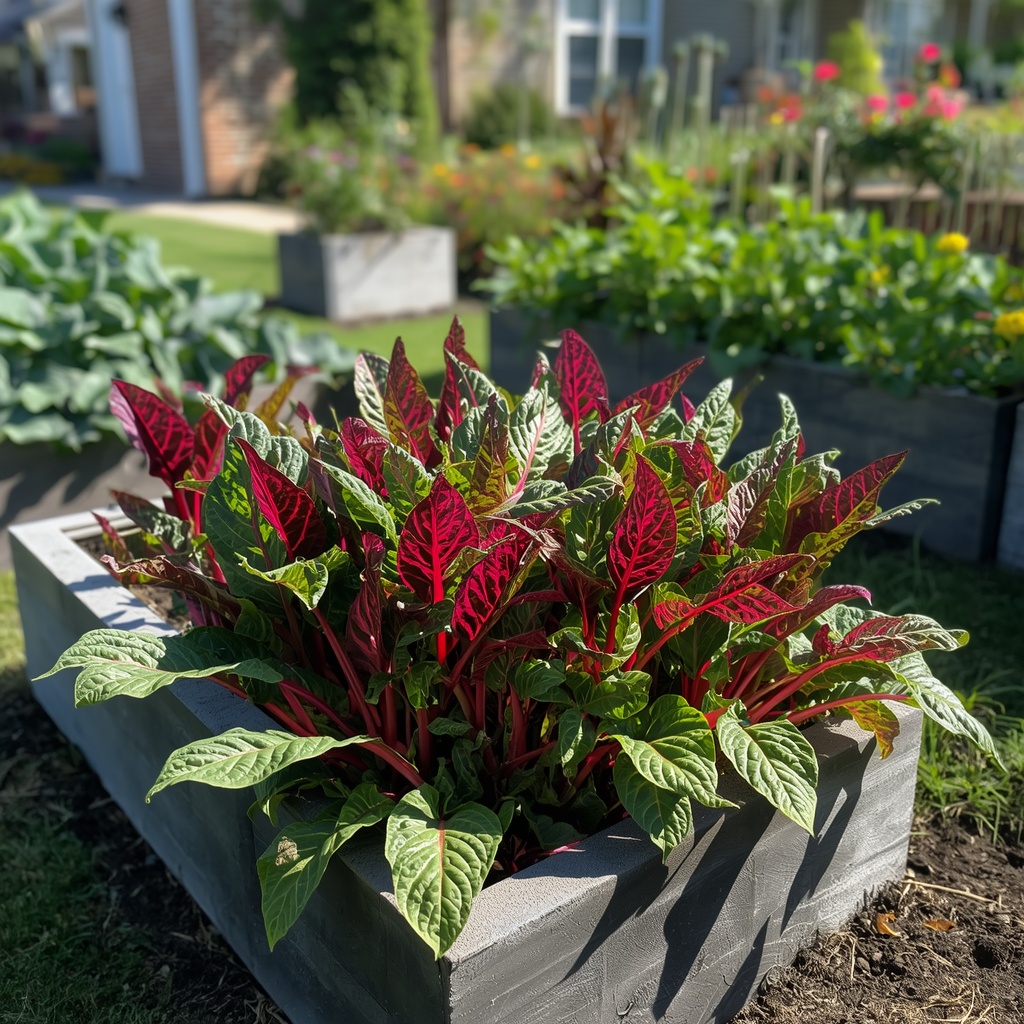
Rainbow chard is one of the most visually attractive edible plants for landscaping. Its bright red, yellow, orange, and pink stems create bold color contrasts that resemble decorative flowers. Planted in rows or mixed beds, chard instantly adds energy and creativity to the front yard.
This leafy vegetable is easy to grow and produces harvests throughout multiple seasons. Homeowners can combine rainbow chard with herbs and flowers for an artistic garden design that feels both modern and natural.
15. Front Yard Tea Garden:
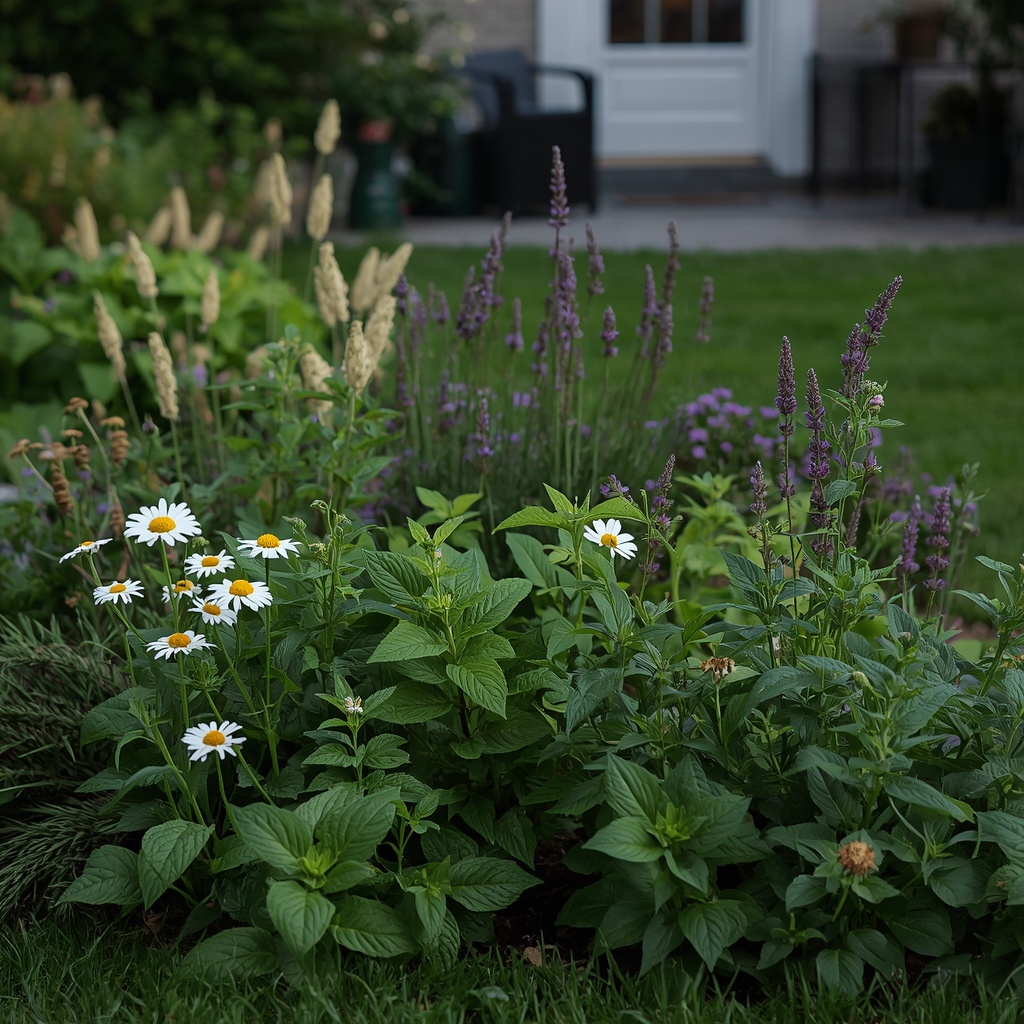
A tea garden focuses on herbs and flowers commonly used in homemade teas and wellness drinks. Chamomile, mint, lemon balm, lavender, and jasmine create a peaceful and aromatic landscape that feels calming and luxurious. These plants are easy to maintain and provide regular harvests.
Adding benches, stepping stones, and decorative lanterns enhances the relaxing atmosphere. Tea gardens are especially appealing for homeowners who enjoy wellness lifestyles and cozy outdoor spaces.
16. Tropical Edible Landscape Design:
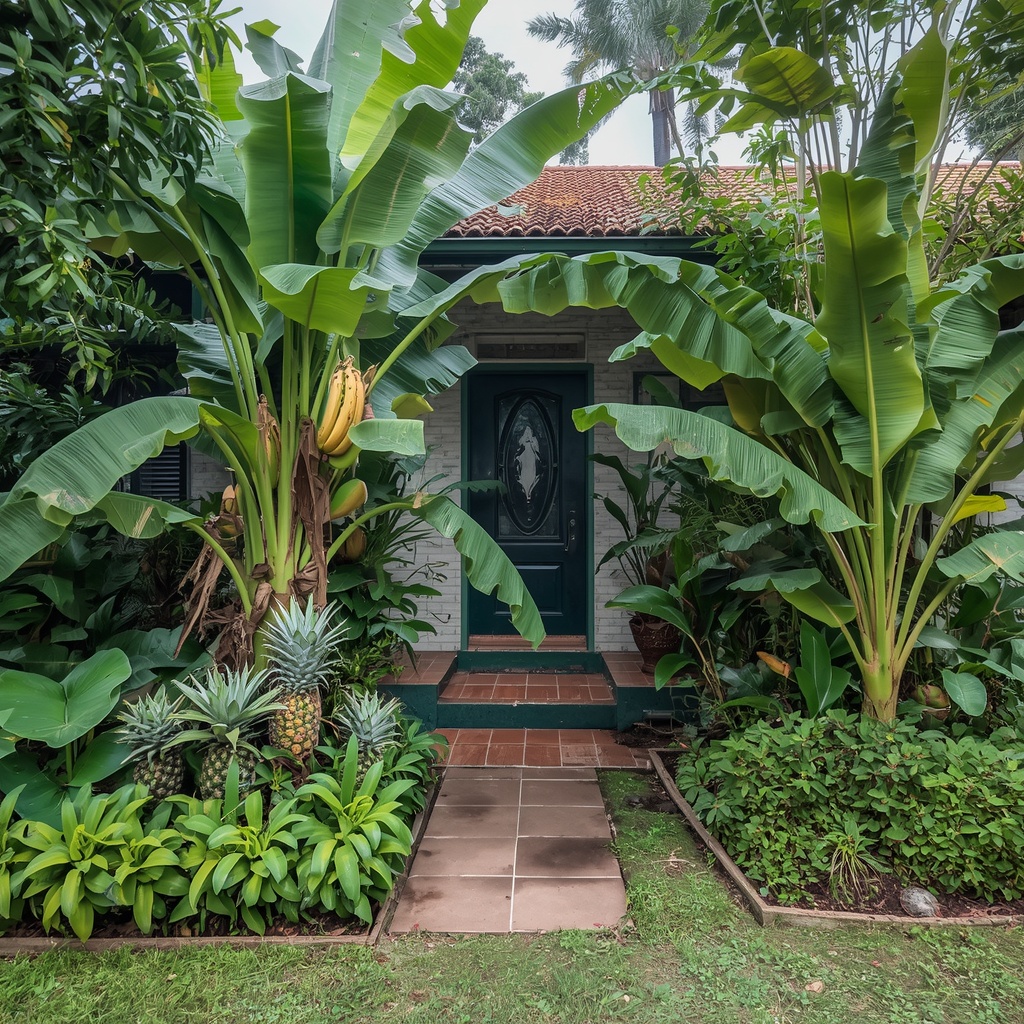
Tropical edible landscaping creates a bold and vibrant outdoor environment filled with exotic plants and dramatic foliage. Banana trees, pineapples, papayas, and ginger plants provide texture, height, and unique harvests while transforming the front yard into a lush retreat.
This design style works best in warm climates where tropical plants thrive naturally. Combining large-leaf plants with stone pathways and colorful flowers enhances the resort-like atmosphere.
17. Small Space Urban Food Garden:
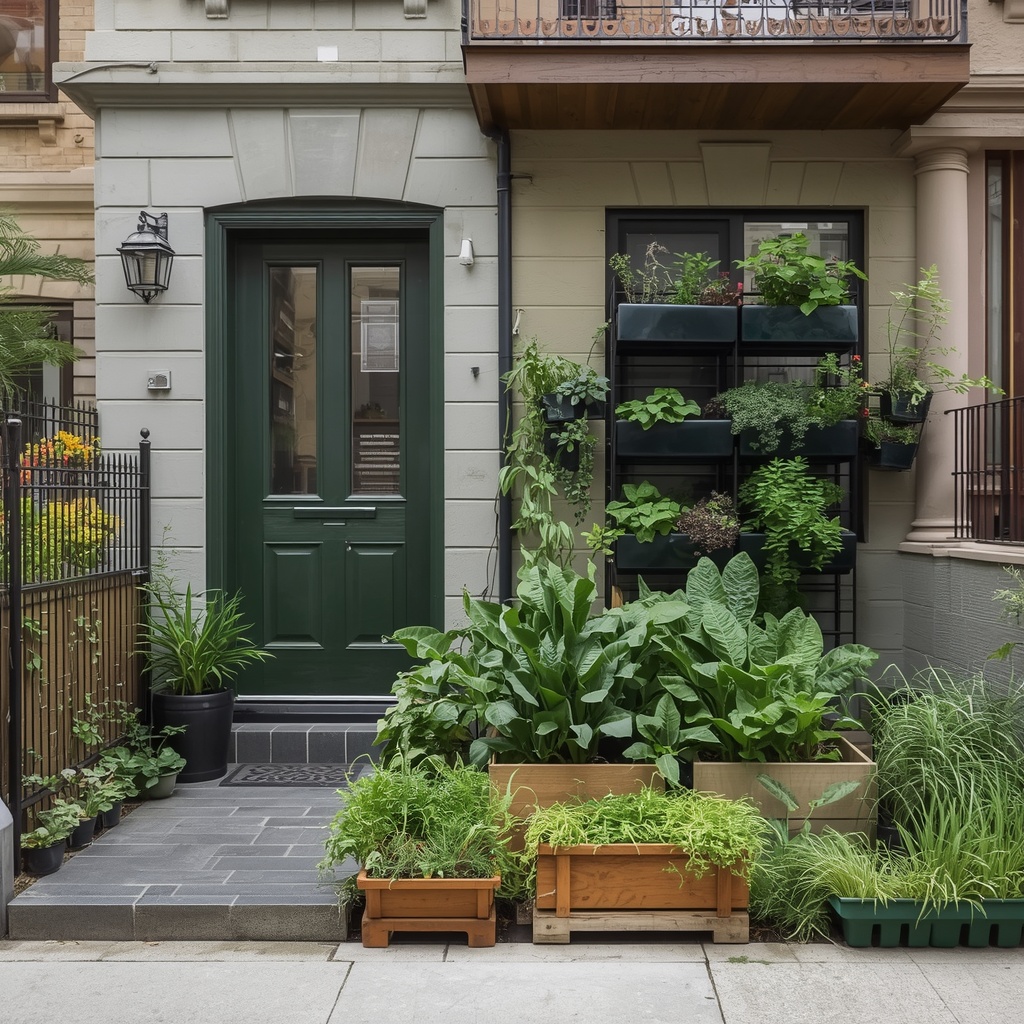
Urban homeowners can still create productive edible landscapes even with limited space. Containers, vertical planters, and compact raised beds allow vegetables and herbs to grow efficiently in small front yards. Tomatoes, peppers, lettuce, basil, and strawberries thrive in pots and can be arranged artistically.
This landscaping style focuses on maximizing every inch while maintaining a clean and modern appearance. Neutral containers, gravel pathways, and minimalist decor create a sophisticated look perfect for urban homes.
18. Pollinator-Friendly Edible Garden:
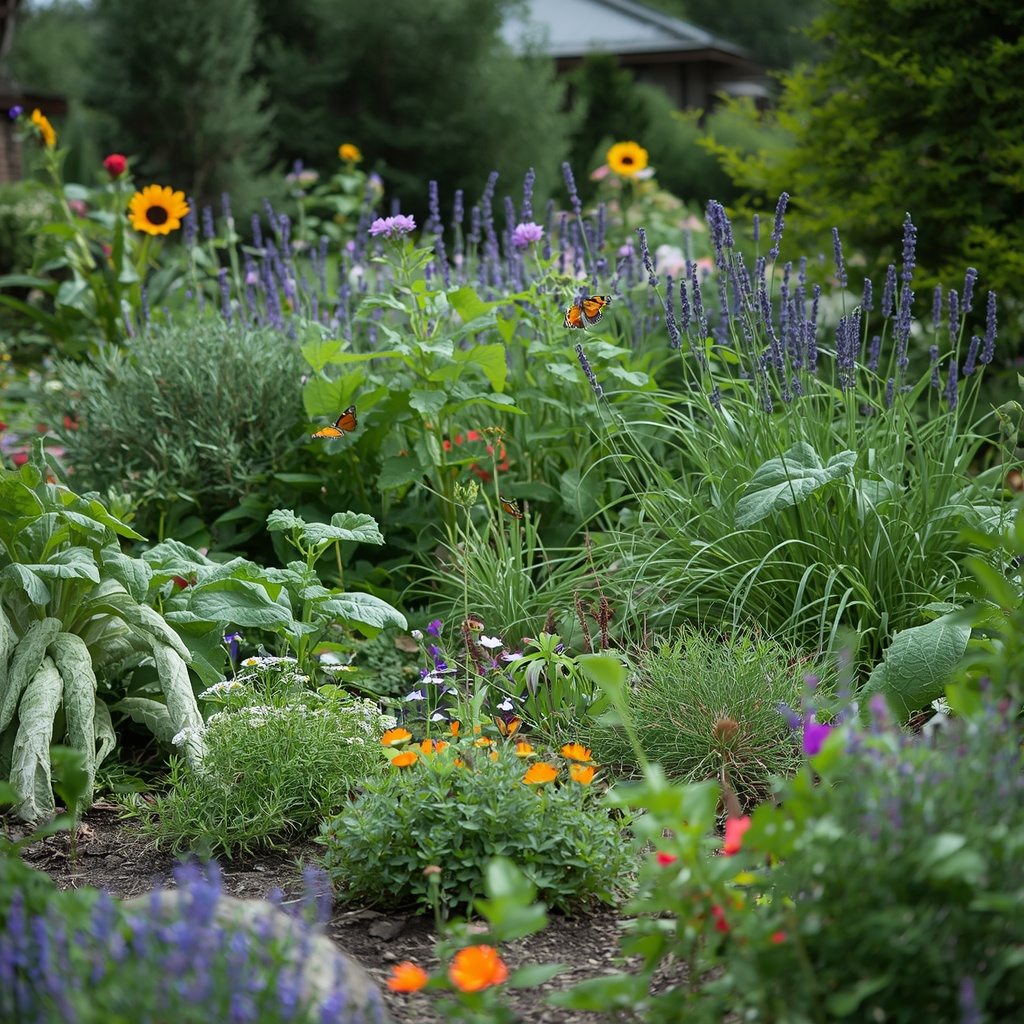
Pollinator-friendly gardens combine edible plants with flowers that attract bees, butterflies, and hummingbirds. Vegetables and fruits benefit from increased pollination while the landscape becomes more colorful and lively. Sunflowers, lavender, zinnias, and herbs create a balanced ecosystem.
This type of landscaping supports biodiversity while improving garden productivity naturally. Homeowners who value sustainability often prefer pollinator gardens because they reduce the need for artificial interventions. The movement of butterflies and bees also makes the yard feel vibrant and full of life.
19. Elegant Kitchen Garden Layout:
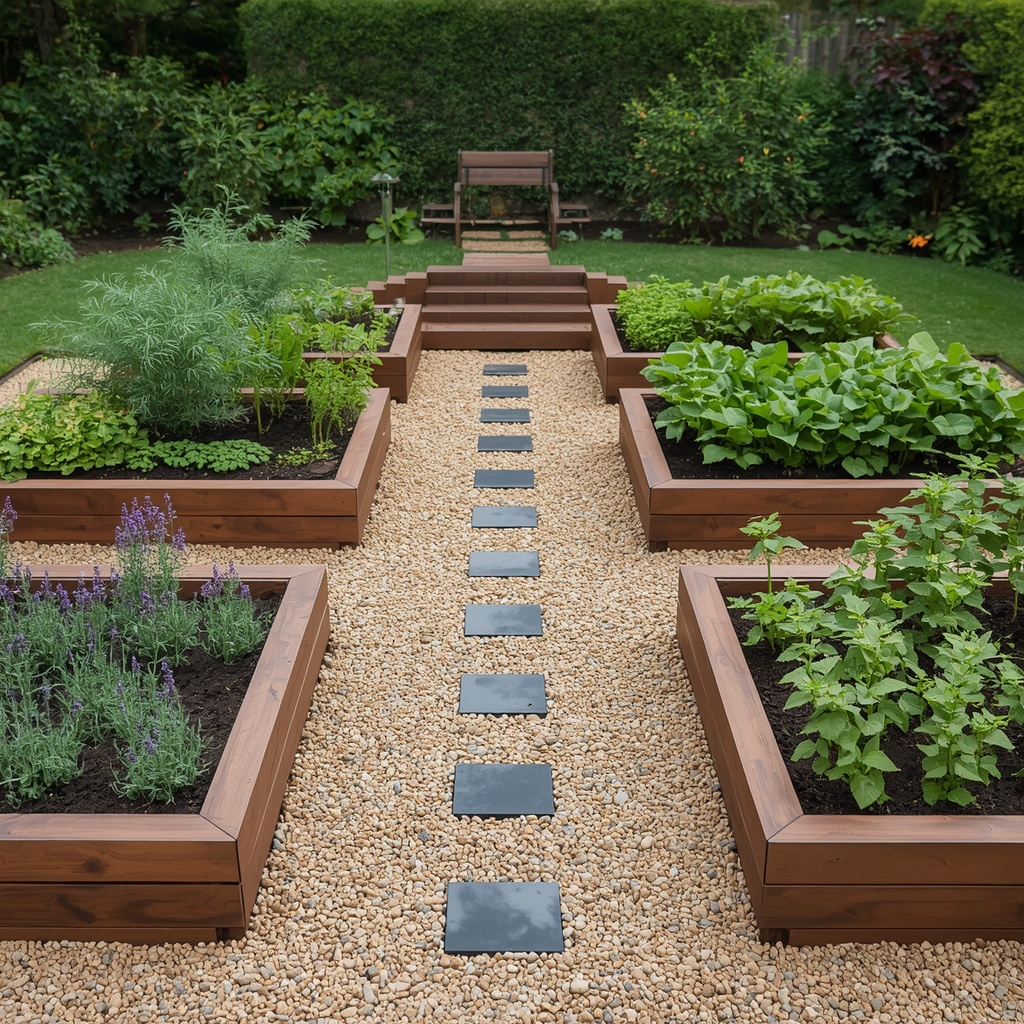
A formal kitchen garden layout creates a sophisticated edible landscape inspired by classic European estates. Symmetrical raised beds, gravel pathways, and neatly trimmed herbs provide structure and elegance while allowing homeowners to grow fresh vegetables and culinary plants.
This landscaping style works beautifully in both modern and traditional homes because of its clean organization and timeless appeal. Decorative edging, focal fountains, and topiary accents can elevate the design even further.
20. Modern Succulent And Herb Mix:
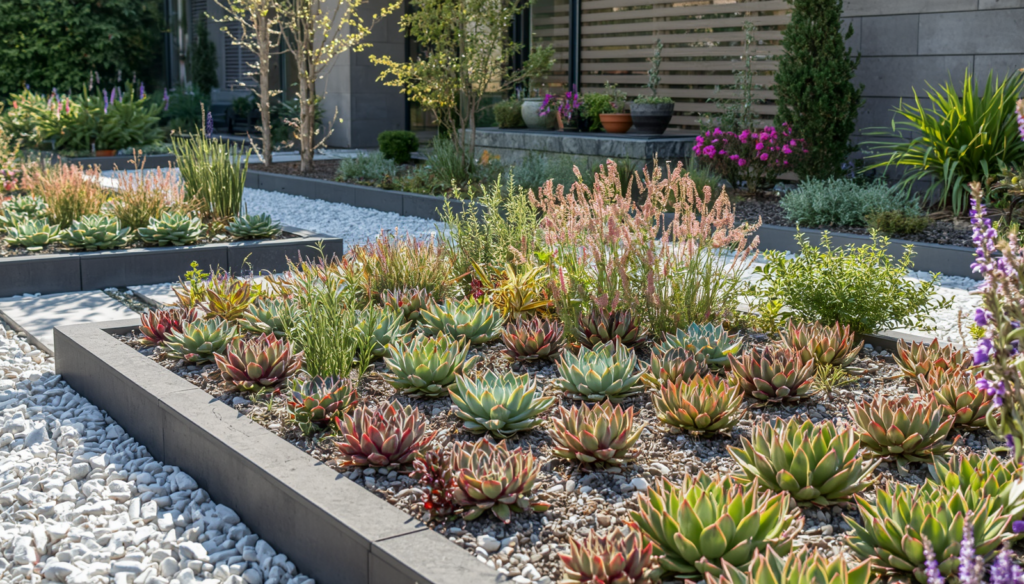
Combining succulents with edible herbs creates a drought-tolerant landscape that feels modern and sophisticated. Rosemary, lavender, sage, and thyme pair beautifully with agave and succulents because they share similar water requirements. This approach is ideal for warm climates and low-maintenance front yards.
The contrast between structured succulents and soft herbs creates interesting textures that photograph beautifully. Gravel pathways and minimalist hardscaping complete the design while keeping maintenance simple.
FAQ’s:
What are the best plants for edible front yard landscaping?
Some of the best plants include herbs, lettuce, tomatoes, berry bushes, fruit trees, kale, rainbow chard, lavender, rosemary, and edible flowers. These plants provide beauty while remaining functional for cooking and harvesting.
Is edible landscaping expensive?
Edible landscaping can fit almost any budget. Simple herb borders, container gardens, and raised beds are affordable ways to start. Over time, growing your own food can also reduce grocery costs.
Can edible landscaping increase home value?
Yes, a well-designed edible landscape can improve curb appeal and make a property more attractive to buyers who appreciate sustainability and gardening.
How do I make edible landscaping look attractive?
Combine different textures, heights, and colors while keeping pathways and planting beds organized. Mixing flowers with vegetables and herbs creates a balanced and visually appealing design.
Are edible front yards allowed in all neighborhoods?
Most areas allow edible landscaping, but some homeowners associations may have guidelines regarding garden appearance and maintenance. Checking local regulations before starting is always recommended.
Conclusion
Edible front yard landscaping is one of the best ways to combine beauty, sustainability, and functionality in outdoor spaces. From herb-lined pathways and colorful vegetable gardens to elegant fruit trees and modern raised beds, there are countless creative ways to transform a traditional lawn into a productive landscape.Whether you prefer modern minimalism, rustic farmhouse charm, or lush cottage-style gardens, edible landscaping allows you to design a front yard that feels welcoming, stylish, and useful throughout the year.
