 Muhammad Muaz
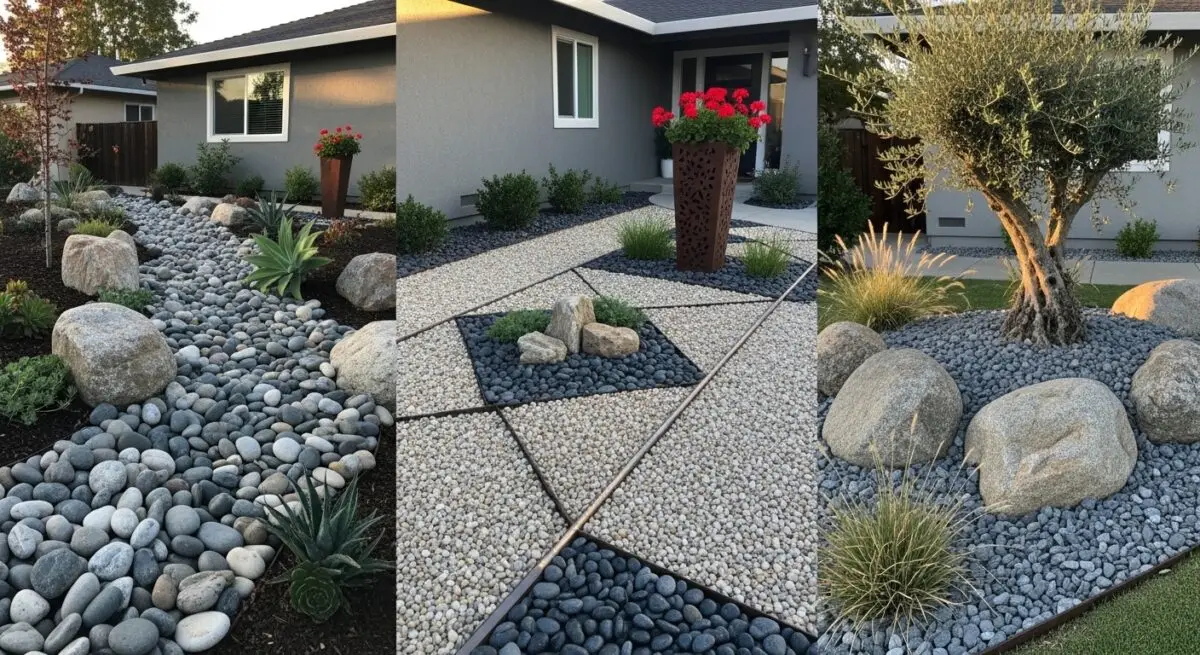
 Rock landscaping has become increasingly popular among homeowners seeking beautiful, durable, low-maintenance outdoor spaces. Unlike traditional grass lawns that require constant mowing, watering, and fertilising, rock-based landscaping offers a sophisticated alternative that looks professional, requires minimal upkeep, and adds significant curb appeal to any home. Whether you’re looking to reduce your environmental footprint, save time on yard maintenance, or create a contemporary outdoor aesthetic, rock landscaping provides endless creative possibilities that work for any budget and design preference. Rock landscaping isn’t just about aesthetics – it’s also a practical solution for managing water conservation, controlling weeds, and creating stable, erosion-resistant landscapes. Modern rock landscaping embraces sustainability while delivering stunning visual results that actually improve with age. Each idea includes detailed descriptions, practical implementation advice, and professional image prompts to help you visualisation your dream front yard. Let’s discover how rock landscaping can transform your home’s exterior into something truly spectacular.
1. Classic Dry Creek Beds:
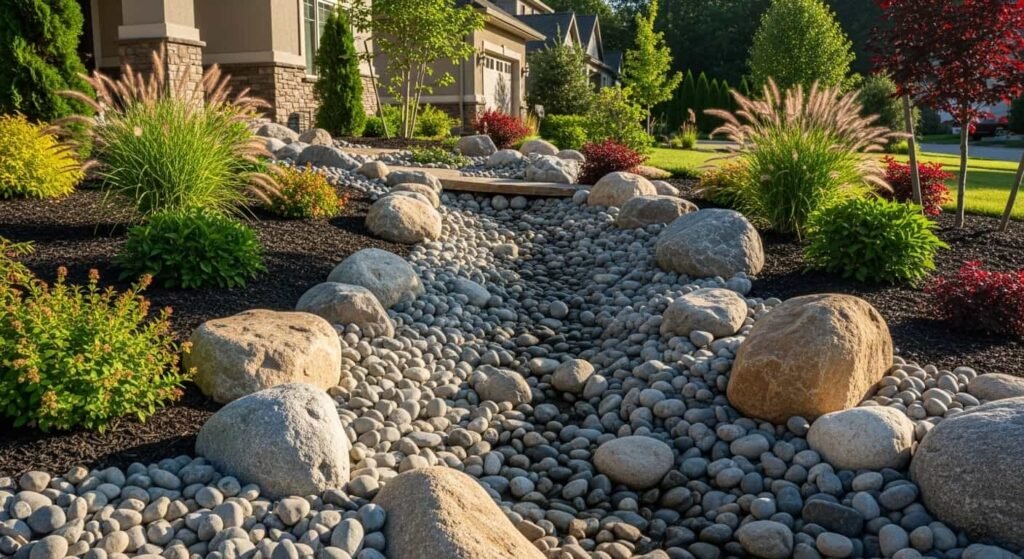
A dry creek bed is one of the most elegant rock landscaping solutions, creating the visual appearance of a natural water feature while requiring absolutely no water maintenance. This timeless design element uses strategically arranged rocks and boulders to suggest the path water would naturally flow, creating depth and visual interest that draws the eye through your landscape. Dry creek beds work beautifully in virtually any climate and add immediate curb appeal without requiring irrigation systems or complicated drainage solutions. These features are particularly stunning in contemporary and modern landscapes but also complement traditional and cottage-style homes beautifully.
Installing a dry creek bed involves mapping the natural drainage flow patterns in your yard, then creating a defined channel using larger boulders as anchors and smaller river rocks to fill the bed. Landscape fabric underneath prevents soil from mixing with the rocks while still allowing water to drain through. You can plant shade-loving perennials and groundcovers along the banks to soften the cardsharper and create a more naturalistic appearance. The beauty of dry creek beds is their dual functionality – they provide visual interest during dry periods and actually function as drainage solutions during heavy rains. Once installed, maintenance is minimal, typically limited to occasional raking to maintain an even appearance and removing debris.
2. Zen Rock Gardens:
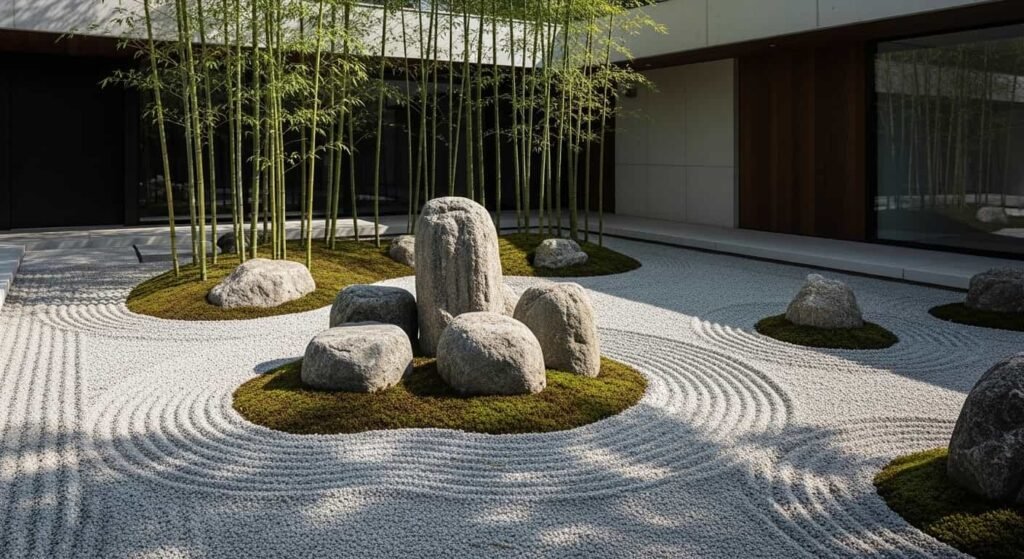
Zen rock gardens represent the pinnacle of simplicity and sophistication, using carefully chosen rocks, carefully raked gravel, and minimal plantings to create peaceful, meditative spaces. These gardens embrace Japanese landscaping philosophy, where every element is placed with intention and negative space is as important as planted areas. A Zen rock garden transforms your front yard into a tranquil retreat, offering visual rest in our increasingly busy world. The beauty of these designs lies in their minimalism – you need far fewer plants and less maintenance than traditional gardens, yet the result feels more intentional and designed than landscapes packed with vegetation.
Creating a Zen rock garden requires thoughtful planning and attention to detail. Begin by selecting a location with good visibility from your home and street, then prepare the bed with excellent drainage, typically using a landscape fabric base. Arrange your primary boulders according to principles of asymmetrical balance, then fill the space with fine gravel and rake it into patterns that suggest water flow or calm ripples. Plant sparingly – perhaps bamboo for vertical interest, moss for soft green areas, and maybe a single specimen plant or small tree. The raked gravel patterns become part of the design, inviting contemplation and creating a sense of order. Maintenance involves occasionally re-raking the gravel and removing debris, but otherwise these gardens are remarkably low-maintenance.
3. Boulder Feature Walls:
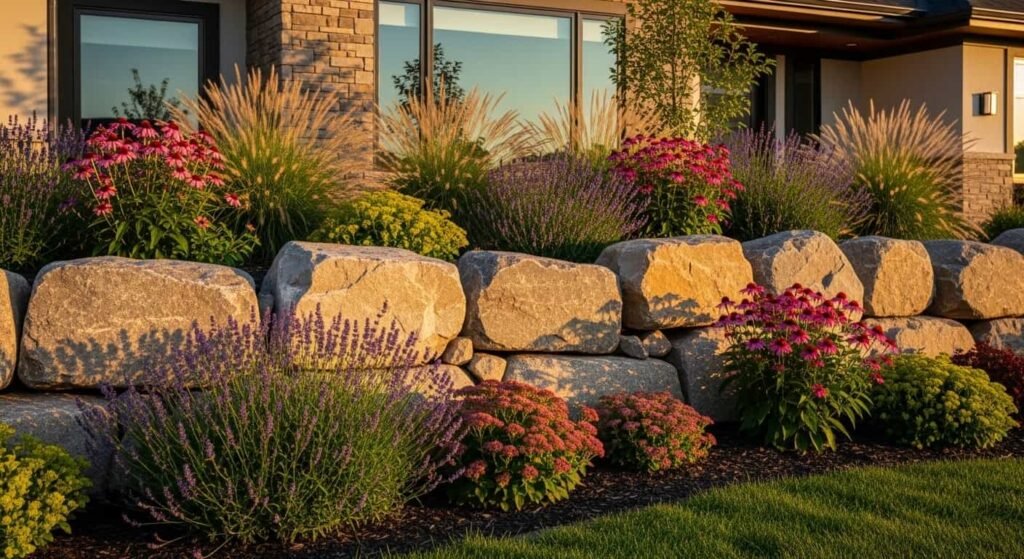
Large boulders serve as natural sculpture, creating instant focal points that draw the eye and add tremendous visual impact to any front yard. A boulder feature wall combines multiple large rocks strategically arranged to create height, drama, and a sense of permanence. These features work beautifully as backdrops for plantings, as privacy screens, or simply as sculptural elements that make strong design statements. Boulder arrangements can range from formal, carefully balanced compositions to deliberately naturalistic groupings that suggest glacial placement. The scale and permanence of boulders communicate quality and intention, making your landscape feel established and intentional even in newly constructed homes.
Selecting and positioning boulders requires envisioning how they’ll interact with surrounding plants and hardscape elements. Larger boulders are more impactful than numerous smaller ones – generally, one or two really impressive specimens create more drama than a collection of medium-sized rocks. Consider the natural grain and weathering patterns of your boulders, and position them to highlight these features. Plant around them with complementary materials – ornamental grasses soften the edges, while colorful perennials create vibrant color contrast against the neutral rock tones. Boulder features require no maintenance beyond occasional cleaning if desired, and they create focal points that frame views from your home’s windows and from the street.
4. Pea Gravel Landscape Beds:
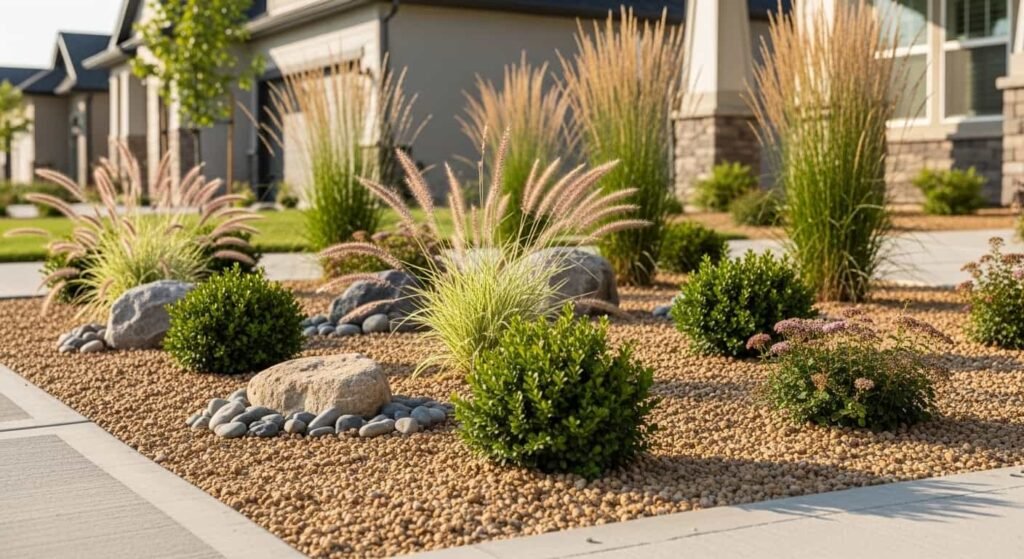
Pea gravel offers an excellent balance of affordability, aesthetic appeal, and functionality, making it one of the most popular rock landscaping materials for front yards. These smooth, rounded pebbles come in various colors from natural earth tones to vibrant blues and reds, allowing you to coordinate with your home’s color palette and design aesthetic. Pea gravel creates an instantly finished appearance, feels pleasant underfoot, and requires minimal maintenance once installed. Unlike larger river rocks that can shift under foot traffic, pea gravel compacts naturally to create stable surfaces perfect for pathways or entire landscape beds.
Installing pea gravel begins with properly preparing your base – remove existing vegetation, level the area, and install landscape fabric to prevent soil from mixing with the gravel. Spread pea gravel to a depth of 2-3 inches, depending on your aesthetic preferences and local climate. Edge your pea gravel beds with decorative edging to keep the material contained and create clean lines. Combine pea gravel with drought-tolerant plants, specimen rocks, or other hardscape elements to create visual interest. Maintenance is straightforward – occasionally rake the surface to maintain an even appearance, spot-pull weeds, and add fresh gravel annually to maintain depth and appearance. The investment in quality pea gravel creates an instantly upscale appearance.
5. Rock-Lined Planting Beds:
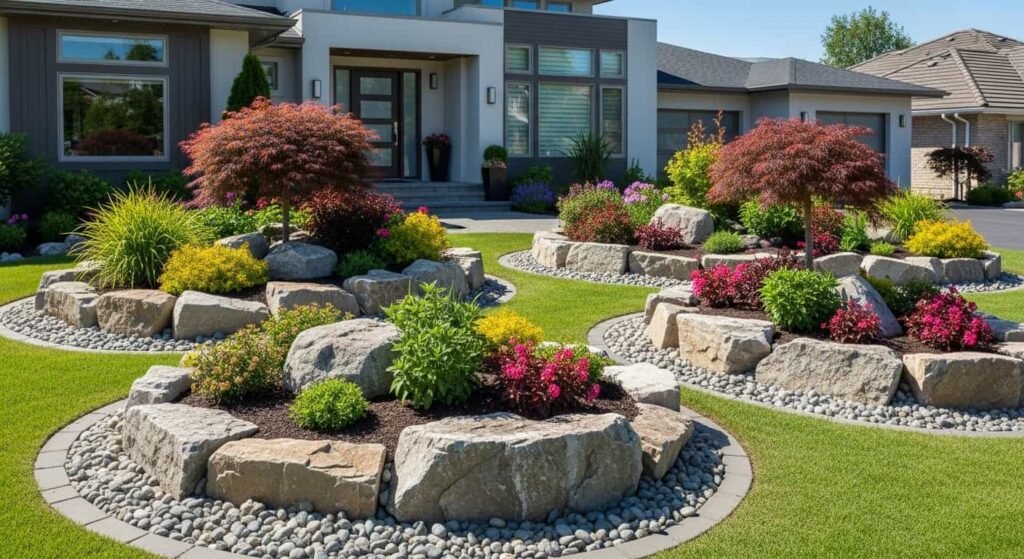
Using decorative rocks to define and border planting beds creates visual structure that makes landscapes appear intentionally designed and well-maintained. Rock borders provide practical benefits – they create barriers that keep mulch and soil contained, reduce water from splashing onto the house, and make maintenance easier by clearly defining growing areas. Beyond functionality, rock borders add visual interest through their color, texture, and the way they catch light. Combining different rock sizes and colors creates dynamic, sophisticated designs that read as professionally planned. Rock-lined beds work beautifully with cottage-style plantings, contemporary designs, or any aesthetic preference.
Implementing rock-lined beds involves selecting rocks that complement your home’s exterior – whether that’s warm earth tones that blend softly or dramatic dark rocks that create strong contrast. Arrange rocks at the perimeter of your planting beds, either level with the ground for a subtle approach or slightly raised for more dramatic effect. Ensure adequate space for your plants to grow at maturity, and select rocks that don’t create barriers to water penetration. Combine rock borders with quality mulch and attractive plantings to create polished, finished landscapes. The beauty of rock-lined beds is their permanence – once installed, they provide structure for years, allowing you to change plantings seasonally while the hardscape framework remains constant.
6. River Rock Pathways:
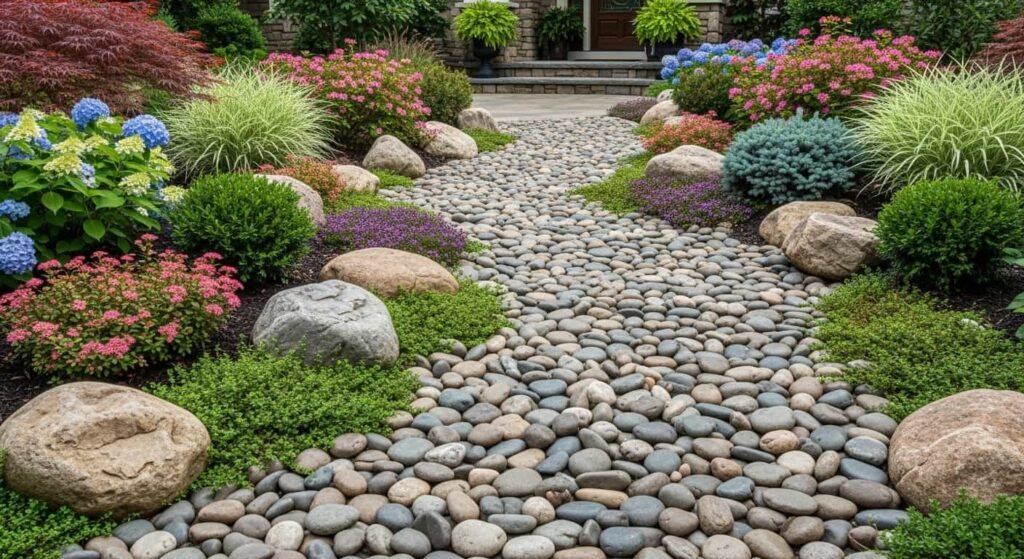
River rock pathways serve both practical and aesthetic functions, creating attractive walkways that guide visitors through your landscape while adding visual interest and dimension. These pathways are typically constructed using smooth, rounded river rocks in various sizes, creating stable walking surfaces that are both functional and beautiful. River rock pathways weather beautifully, developing a soft, lived-in appearance that improves with age. The sound and feel of river rocks underfoot create a sensory experience that invites people to slow down and appreciate your landscape. These pathways work particularly well in contemporary, natural, and Asian-inspired designs.
Creating river rock pathways involves mapping your desired path, preparing a stable base using landscape fabric and fine gravel or sand, then arranging river rocks to create a cohesive surface. Larger rocks typically form the outer edges of the pathway, with smaller, flatter rocks filling the interior to create a smooth walking surface. Compact the rocks gently so they settle and create stability without becoming immovable. Line your pathway with plantings, low lighting, or edge materials to define its boundaries and increase visual appeal. Maintenance involves occasional raking to maintain level surfaces and sweeping away debris. River rock pathways become darker and more beautiful when wet, creating different visual effects in various weather conditions.
7. Slate and Stone Chip Mosaic Designs:
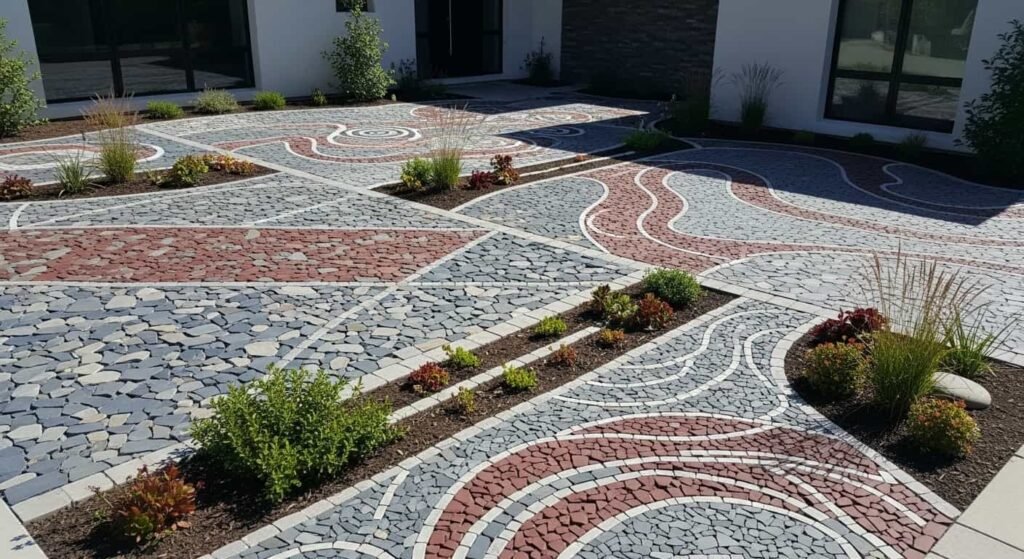
For the creatively inclined homeowner, slate and stone chip mosaics offer opportunities to create truly unique, artistic front yard installations. These designs use fragments of slate and colorful stone chips to create patterns, images, or geometric designs that function as living art. Mosaic installations range from simple geometric patterns to elaborate artistic scenes, allowing you to express your creativity while creating stunning focal points. These installations immediately signal that your landscape is thoughtfully designed and unique, distinguishing your home from typical neighborhood properties. Stone mosaics age beautifully, developing patina and character over time.
Creating stone mosaics requires planning your design carefully, then selecting stone fragments and chips that coordinate in color and create your intended image or pattern. Prepare your base with landscape fabric and fine sand or gravel, then arrange your stones according to your design plan. Most mosaic designers use some binding agent to stabilize the design, though some homeowners prefer designs that shift slightly over time. Surround your mosaic with complementary landscaping that frames your artistic statement without overwhelming it. The beauty of stone mosaics is that they’re conversation pieces, adding personality and distinctiveness to your property. Maintenance involves occasional sweeping and monitoring your design’s stability, with potential for periodic updates or modifications.
8. Tiered Rock Gardens:
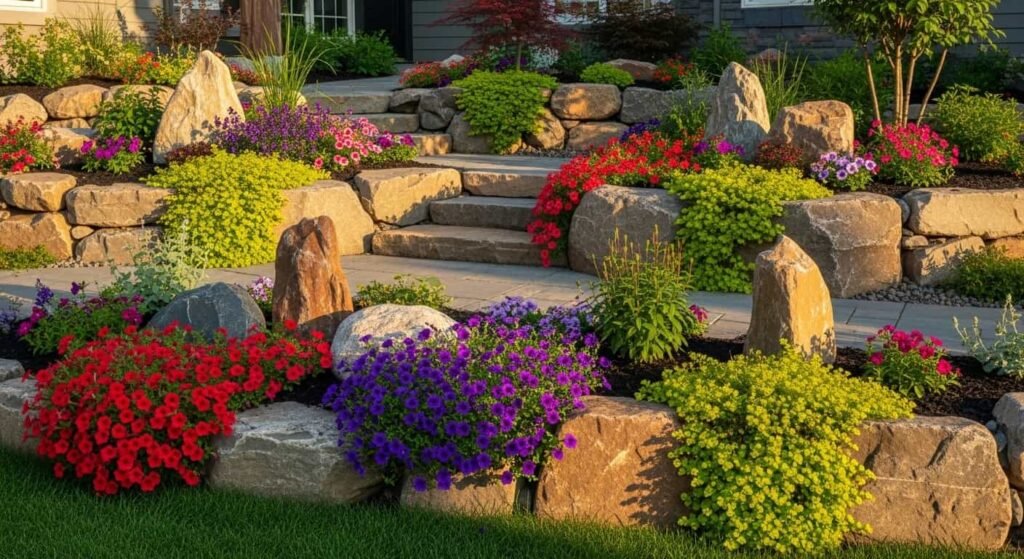
Tiered rock gardens create dramatic visual interest while solving practical problems like poor drainage or sloping terrain. By using rocks to create multiple elevation levels, you can feature different plants in different zones, improve drainage, prevent erosion, and create a landscape that’s far more visually interesting than a flat yard. Each tier can host different plant communities with specific light and drainage requirements, allowing you to grow a diverse range of plants successfully. Tiered designs appear complex but are actually quite straightforward to implement, and they make dramatic statements in front yards.
Building tiered rock gardens involves careful planning and possibly some heavy equipment rental for positioning large boulders that serve as retaining walls. Each tier should be stable and properly drained, with landscape fabric preventing soil from washing away while allowing water penetration. Fill each tier with quality soil appropriate for the plants you’ve selected, then plant strategically to create visual interest and flow. Trailing plants that cascade over tier edges create softness and movement. Incorporate accent rocks within plantings to create depth. Maintenance involves occasional stabilization checks and standard plant care, but the dramatic visual impact makes tiered gardens worth the effort. These gardens work beautifully in contemporary, modern, and natural landscape designs.
9. Crushed Stone and Decomposed Granite:
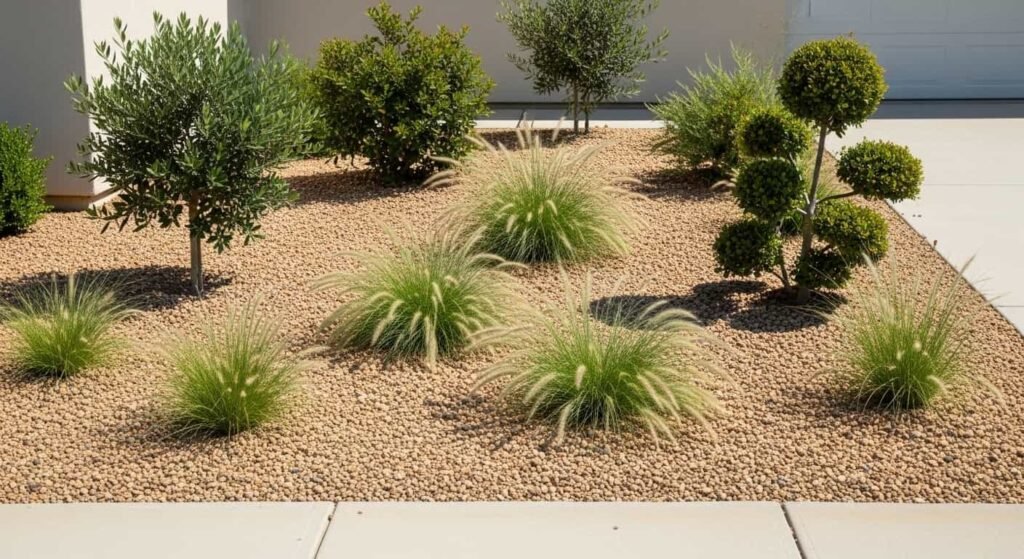
Crushed stone and decomposed granite (DG) create beautiful, natural-looking surfaces that are more textured and visually interesting than smooth pea gravel. These materials compact naturally to create stable walking surfaces, drain excellently even in heavy rain, and develop character over time as they settle and weather. Decomposed granite in particular offers warm, earthy tones that complement virtually any home exterior. These materials are particularly popular in Western and southwestern landscapes but work beautifully in any climate. The subtle texture and natural appearance make landscapes feel more organic and less obviously engineered than perfectly smooth gravel.
Implementing crushed stone or DG landscaping requires proper base preparation with landscape fabric and careful edging to keep materials contained. Spread materials to 2-3 inches depth, slightly deeper in high-traffic areas. Compact lightly to create stability while maintaining the natural appearance. These materials work beautifully as backdrops for specimen plants, allowing you to feature beautiful shrubs or grasses against the neutral stone background. Rake occasionally to maintain appearance, and add fresh material annually to maintain depth. Over time, these materials integrate with your landscape, creating a settled, established appearance that looks like it’s been there for years. The affordability and natural appearance make them excellent choices for budget-conscious homeowners seeking upscale results.
10. Rock Water Features:
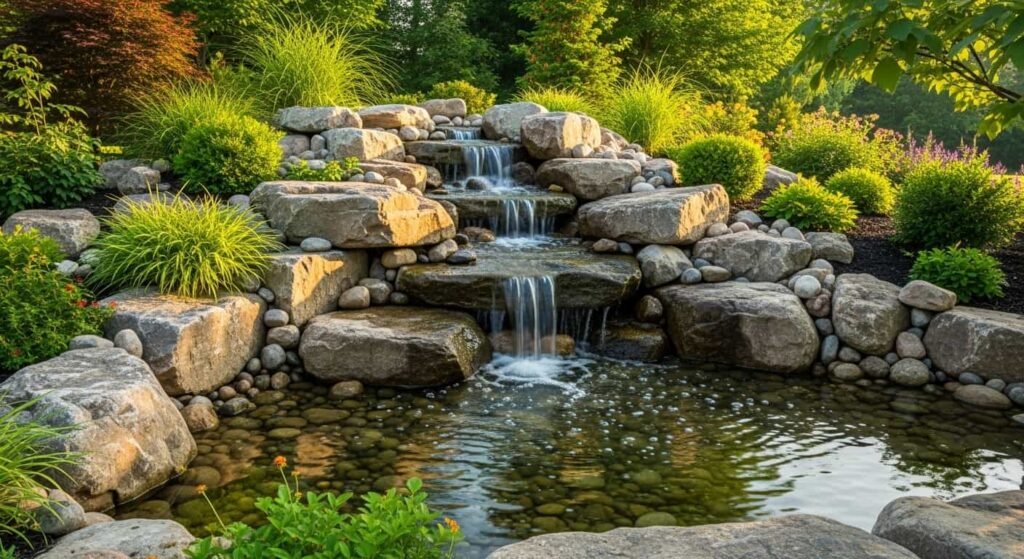
Rock water features combine the beauty of stone with the sensory appeal of moving water, creating focal points that engage multiple senses simultaneously. These features can range from simple bubbler fountains to elaborate cascades flowing over stacked boulders. The sound of water creates a soothing backdrop that masks street noise, inviting visitors to pause and appreciate your landscape. Water features dramatically increase the perceived value and sophistication of properties, and they work beautifully in virtually any design aesthetic. The combination of stone and water creates dynamic landscapes that feel alive and intentional.
Installing rock water features requires careful planning to ensure proper water circulation and drainage. Most features incorporate a basin for water collection, a pump system to recirculate water, and decorative rocks that channel water’s flow. Professional installation is often recommended to ensure proper electrical connections and waterproofing. Once installed, maintenance involves keeping the basin filled, monitoring pump function, and cleaning water features periodically to prevent algae buildup. In winter climates, you may need to drain systems to prevent freeze damage. Despite maintenance requirements, rock water features create such impressive focal points that many homeowners consider them well worth the effort. These features become centerpieces that define entire landscapes.
11. Mixed Rock Combinations:
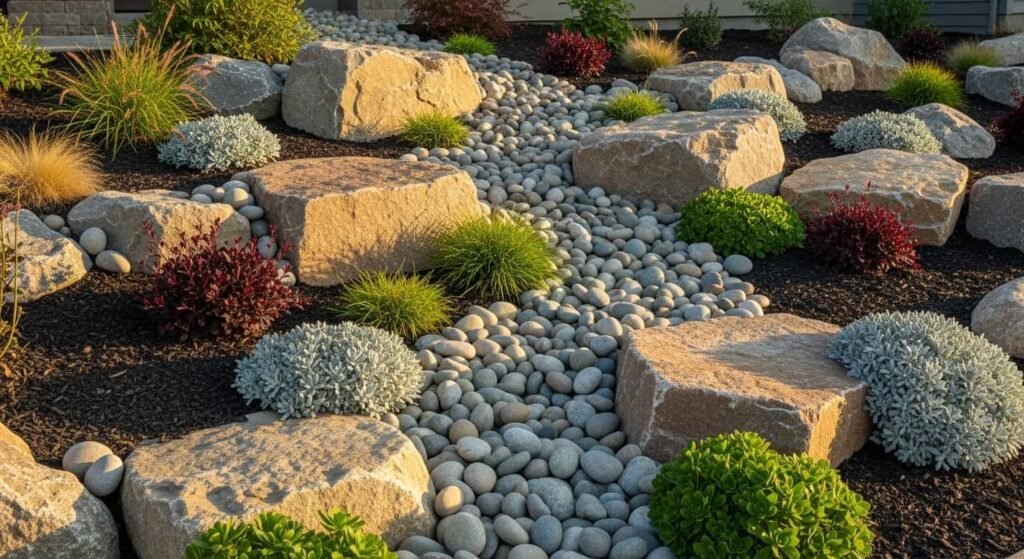
Combining different types of rock creates more visually interesting and sophisticated landscapes than using single materials. Layering various stone types – perhaps large boulders as anchors, river rocks as secondary features, and crushed stone as base material – creates depth, texture, and a sense of careful curation. Mixed rock combinations allow you to coordinate with your home’s exterior materials while creating landscapes that feel designed and intentional. The interplay of different colors, sizes, and textures creates visual movement that draws the eye and holds interest.
Implementing mixed rock combinations requires thoughtful selection of materials that coordinate while maintaining distinct visual identity. Consider the colour palette of your home’s exterior – warm earth tones, cool grays, or bold accent colours – then select rocks that echo these tones while creating contrast. Vary rock sizes and shapes deliberately, using large specimens as focal points and smaller materials to create secondary visual interest. Arrange rocks to create flow and movement through your landscape, allowing plantings to emerge naturally from between stones. The beauty of mixed combinations is their flexibility – you can update your design by introducing new rock types while maintaining your foundational elements. These landscapes read as professionally designed and carefully considered.
12. Rock Borders for Slope Stabilisation:
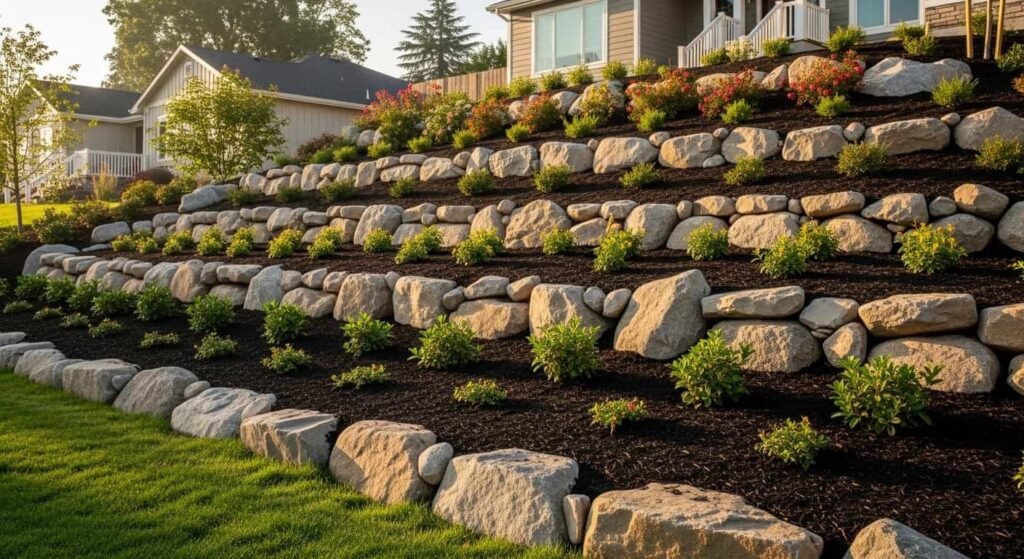
Properties with sloping terrain present unique challenges, but rock borders offer elegant solutions that stabilize soil, prevent erosion, and create dynamic multi-level landscapes. By strategically placing rocks to create terrace levels, you transform difficult terrain into assets, creating landscapes with far more visual interest than flat yards. Rock borders function as both practical erosion control and beautiful design elements. These installations improve drainage, reduce maintenance on slopes, and create stable planting areas where level ground doesn’t exist. Slope stabilization with rocks is simultaneously functional and aesthetically superior to most alternatives.
Creating rock borders for slope stabilization involves careful site assessment to understand water flow patterns and soil conditions. Position rocks perpendicular to the slope to maximum effect, using large specimens as primary anchors with smaller rocks creating secondary support. Landscape fabric behind rocks prevents soil erosion while allowing water penetration. Plant behind and between rocks with deep-rooted species that stabilize soil naturally. Over time, roots integrate with rock structures, creating increasingly stable installations. These landscapes require thoughtful planning but once established, they’re remarkably low-maintenance while adding tremendous curb appeal. Slopes become beautiful garden canvases rather than problems to manage.
13. Statement Rock Sculptures:
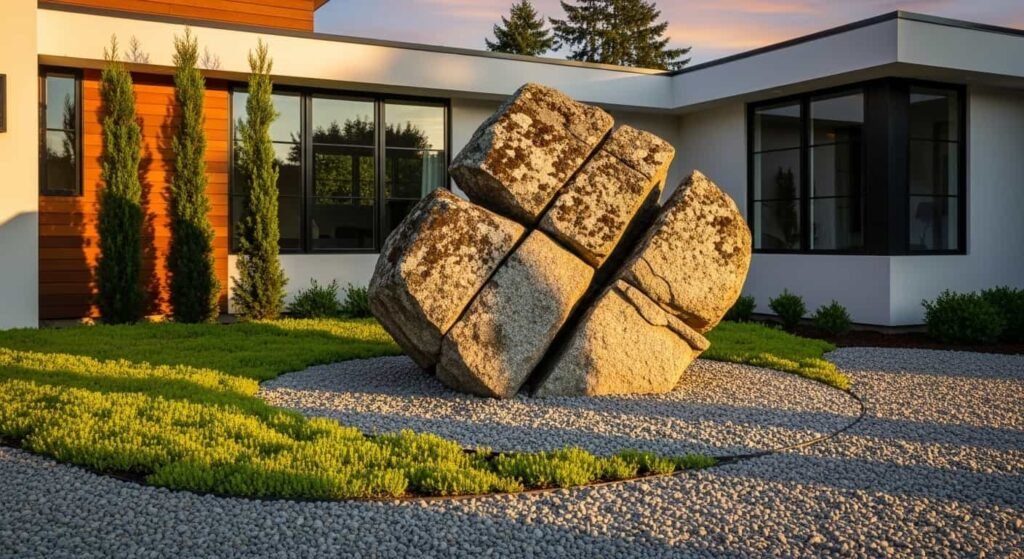
Individual large boulders can serve as living art, creating powerful focal points that define entire landscapes. Selecting a boulder with interesting natural form, attractive weathering patterns, or unusual color transforms it into sculpture. These statement rocks work beautifully as anchors around which other design elements flow, creating landscapes that feel intentionally composed. The permanence and scale of individual boulders communicate quality and design intention, making properties feel more established and valuable. Statement rocks work beautifully in contemporary, modern, and natural design aesthetics, and they require absolutely no ongoing maintenance.
Choosing the right statement rock involves visiting local stone suppliers and selecting specimens with compelling natural characteristics. Consider the rock’s visual relationship to your home’s architecture – will it complement or contrast? Position your statement rock to be visible from your home’s main windows and from the street, creating a focal point that draws the eye. Plant around it minimally, allowing the rock’s form to dominate visually. Consider how lighting affects your rock throughout the day and seasons, positioning it where back lighting or side lighting highlights its best features. Once positioned, your rock requires no maintenance and becomes more beautiful with age as weathering patterns develop. These sculptures become conversation pieces and neighbourhood landmarks.
14. Gravel Color Combinations:
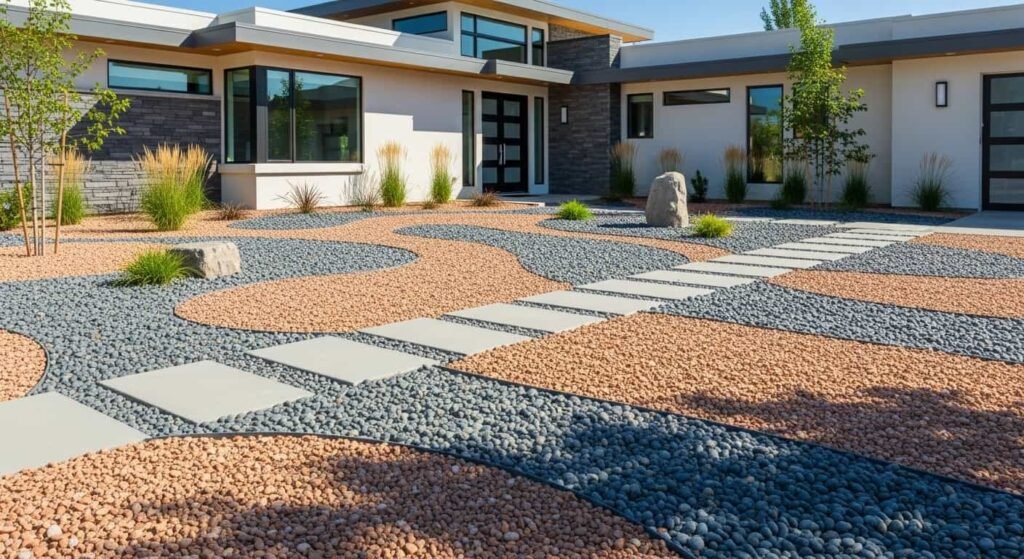
Using different colored gravels creatively allows you to create visually interesting designs that range from subtle to dramatic. Combining warm and cool tones, earth colors with accent shades, or creating geometric patterns with different materials transforms ordinary gravel into design statements. Color combinations work beautifully in contemporary landscapes but also complement traditional homes when executed thoughtfully. The visual richness of strategically combined colors makes landscapes appear more designed and intentional than single-color material alone. These designs are affordable to implement and can be updated relatively easily as your aesthetic preferences evolve.
Implementing color combinations requires selecting gravel colors that coordinate with your home’s exterior while creating the visual effect you desire. Cool grays and blues create sophisticated, contemporary moods, while warm reds, tans, and golds create inviting, traditional atmospheres. Consider using lighter colors to brighten shaded areas and darker colors to anchor focal points. Create patterns using landscape edging to define different material zones, or blend colors gradually for subtle effects. Maintenance involves occasional raking to maintain color clarity and refreshing materials annually to keep colors vibrant. These design approaches work beautifully with minimal planting, allowing rock colors to be the primary design interest.
15. Rock Mulch for Plant Beds:
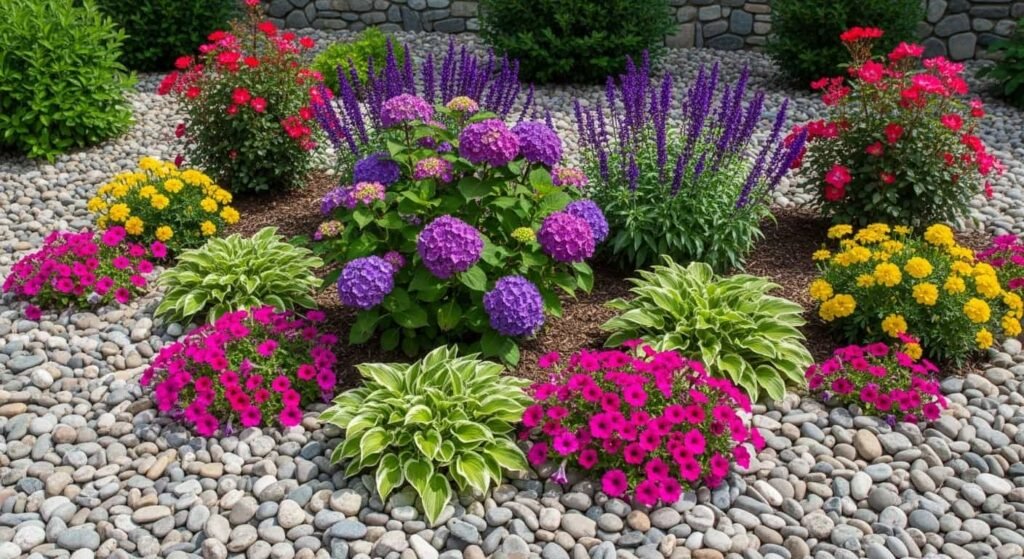
Rock mulch serves the same functional purposes as organic mulch – moisture retention, weed suppression, soil temperature regulation – while offering superior durability and aesthetic appeal. Unlike organic mulch that requires annual replacement, rock mulch remains effective indefinitely, creating permanent landscape definition. Rock mulch comes in various colors and sizes, allowing you to coordinate with your home’s exterior and create custom aesthetic effects. The cool tactile quality of rock mulch appeals to many homeowners, and it works beautifully in contemporary, southwestern, and modern landscape designs.
Using rock mulch effectively involves selecting sizes and colors appropriate for your plant choices and home’s aesthetic. Smaller rocks work better for detailed planting areas, while larger stones work as anchors in larger beds. Ensure adequate mulch depth – typically 2-3 inches – for effective weed suppression and moisture retention. Combine rock mulch with quality plantings to create polished, professional-looking landscapes. Rock mulch works beautifully with drought-tolerant plants, creating low-maintenance gardens that require minimal supplemental water once established. Maintenance involves occasional refreshing of materials as rocks settle or get displaced by foot traffic, and periodically removing any debris. Rock mulch maintains its appearance better than organic options, keeping landscapes looking fresh and intentional through all seasons.
16. Slate Stepping Stones:
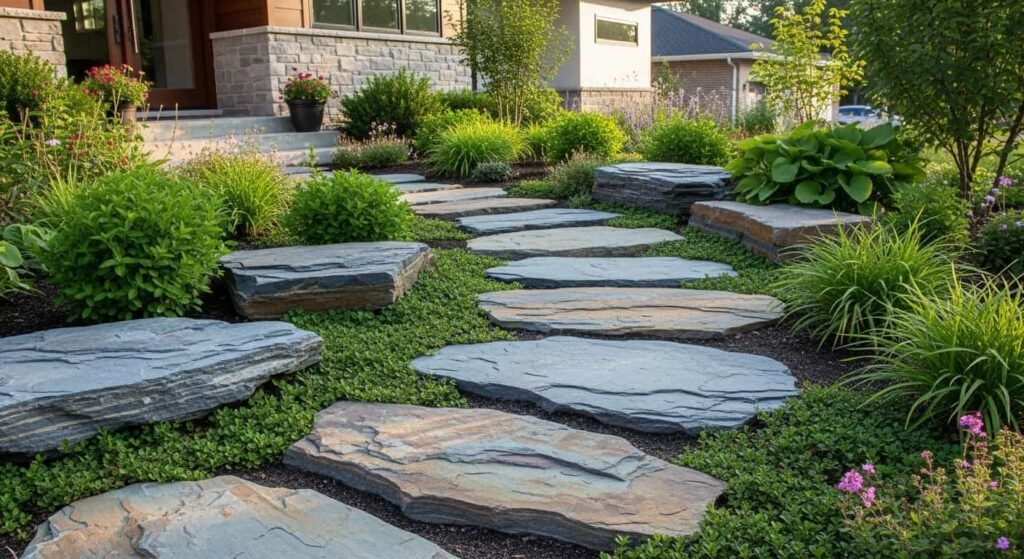
Slate stepping stones combine functionality with visual sophistication, creating pathways that appear contemporary and intentional. Unlike uniform manufactured pavers, natural slate’s irregular edges and varied colors create organic, naturalistic pathways. Slate’s durability means these pathways function beautifully for decades with minimal maintenance, and their appearance improves as weathering patterns develop. Stepping stones work beautifully in contemporary, modern, and natural landscape designs, and they allow you to create pathways without extensive hardscaping projects. Individual stones can be repositioned or replaced if needed, providing flexibility for future updates.
Installing slate stepping stones involves mapping your desired pathway, preparing a stable base using sand or fine gravel, then positioning stones for both stability and visual appeal. Space stones appropriately for comfortable walking – typically 12-18 inches apart – accounting for visitors with various stride lengths. Select slate colors and sizes that coordinate with your home’s exterior and surrounding landscape. Allow plants to grow around and between stones, creating a softened, naturalistic effect. Maintenance involves occasional sweeping and ensuring stones remain level and stable. In winter climates, carefully manage snow and ice removal to avoid damaging beautiful stone surfaces. Slate stepping stones transform functional pathways into design features that enhance overall landscape aesthetics.
17. Rock-Edged Terraces:
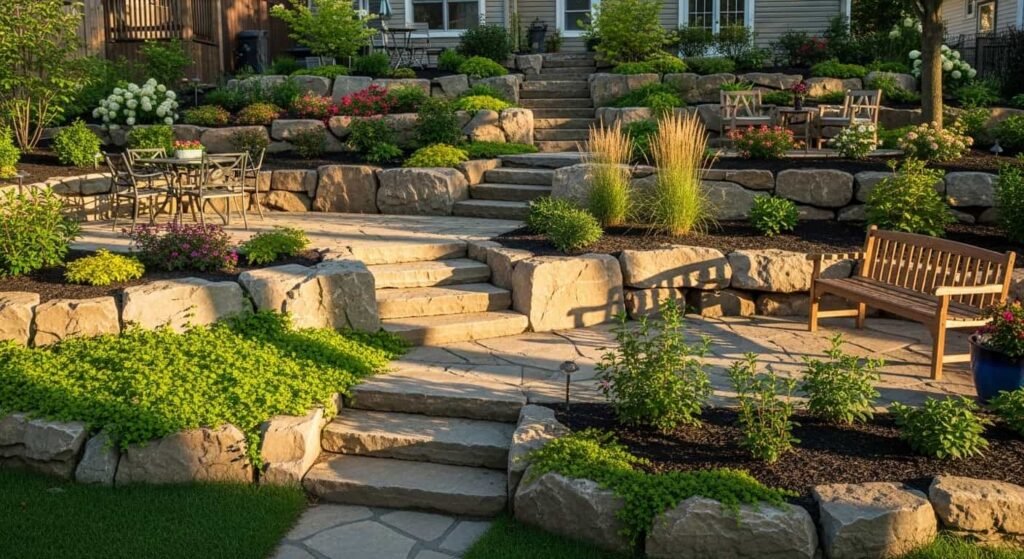
Rock-edged terraces transform front yards into functional outdoor living spaces while simultaneously creating attractive visual interest. These features divide your landscape into distinct zones – perhaps a conversation area, a seating nook, and a planted area – each defined by rock borders. Terraces work beautifully in contemporary and modern designs, and they allow you to maximize usable space in front yard areas. The combination of functional terracing with attractive rock definition transforms properties from purely ornamental landscapes into true outdoor living extensions of homes.
Creating rock-edged terraces begins with envisioning how you want to use your front space, then mapping distinct zones. Use substantial rocks to define borders between spaces, ensuring adequate stability and proper drainage. Each terrace should have a purpose – perhaps a seating area with comfortable furniture, a planted zone with landscaping, or even a small entertaining space. Coordinate rock selections with surrounding hardscape elements for visual cohesion. Combine terraces with appropriate plantings to create privacy and visual interest. These installations transform underutilized front yards into functional, beautiful spaces that extend your home’s living area. Maintenance involves basic tidiness and plant care, but the functional benefits justify the effort.
18. Alpine Rock Gardens With Specimen Plants:
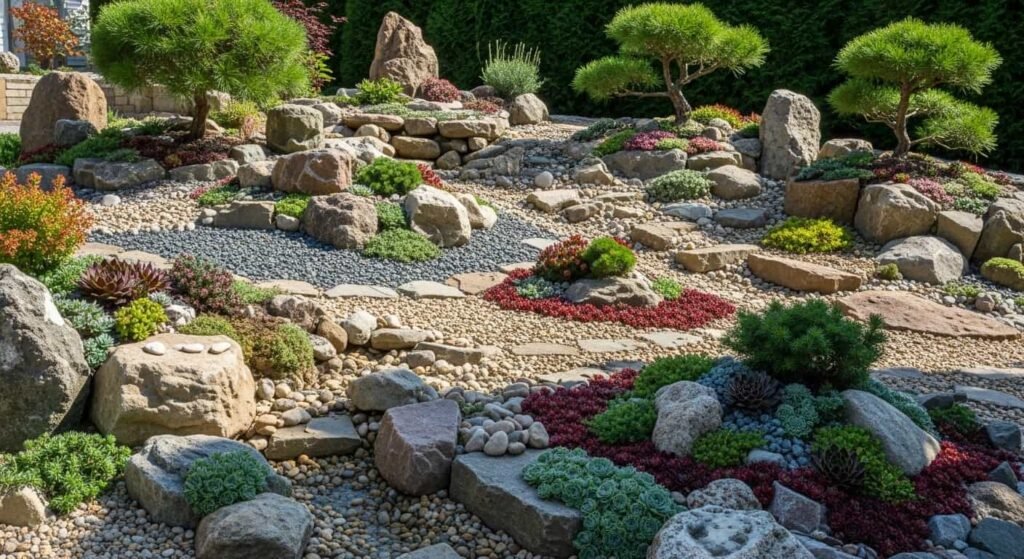
Alpine rock gardens provide opportunities to feature rare, unusual, and specialized plants that wouldn’t survive in traditional gardens. By recreating alpine conditions – excellent drainage, coarse soil, bright light, and careful moisture management – you can grow remarkable plants that fascinate and delight. These gardens appeal to serious gardeners and create conversation pieces that define properties. Alpine gardens can range from small focused displays to elaborate installations, and they work beautifully in contemporary and modern aesthetic contexts. The specialized nature of these gardens signals that your landscape is created by someone with horticultural knowledge and sophisticated taste.
Creating alpine rock gardens requires understanding the specific needs of alpine and rock garden plants – generally excellent drainage, careful watering management, and bright light. Prepare your site with coarse, rocky soil specifically formulated for alpine gardening. Position rocks artfully to create visual interest and define microclimates for different plant communities. Select plants carefully, ensuring each is suitable for your climate and the specific conditions within your garden. Alpine plants are often small and detailed, rewarding close observation and appreciation. Maintenance involves careful watering and occasionally removing aggressive plants that outcompete less vigorous specimens. Alpine gardens become focal points that reflect the gardener’s expertise and passion.
19. Rock Retaining Walls:
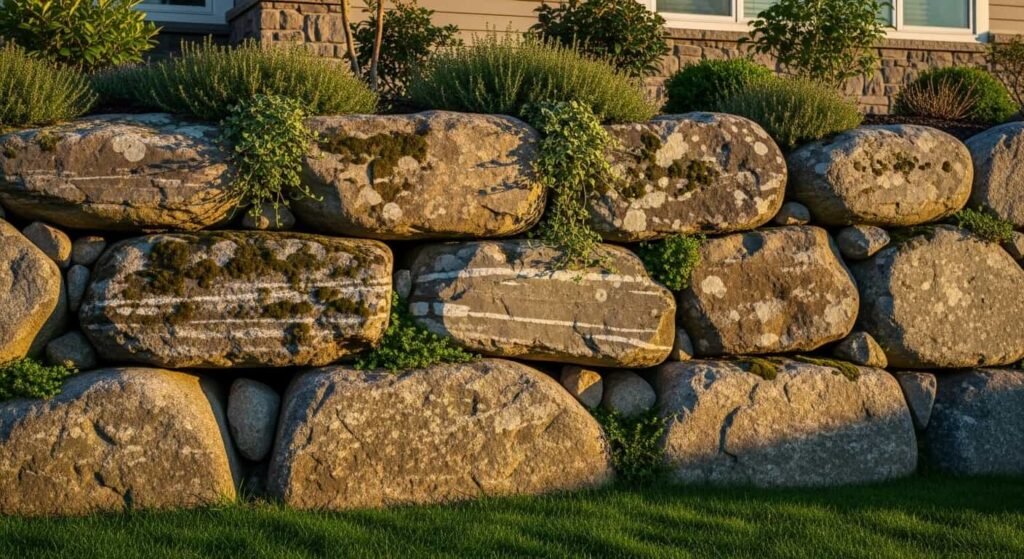
Rock retaining walls serve critical structural functions while simultaneously creating some of the most impressive design features possible. These walls control erosion, create level planting areas, and define property boundaries beautifully. Well-constructed rock walls appear to be ancient structures, adding a sense of permanence and quality to properties. Rock retaining walls work beautifully in virtually all landscape designs and become more beautiful with age as weathering patterns develop. These installations are investments in property value and functionality simultaneously.
Building rock retaining walls requires understanding proper construction techniques to ensure stability and longevity. Most walls include drainage systems behind the rock face to prevent water pressure from destabilizing the structure. Larger boulders typically form the base with progressively smaller stones toward the top, creating natural visual stability. Professional installation is strongly recommended for walls over 3-4 feet tall. Once constructed, rock walls require minimal maintenance beyond occasional inspections for stability. Plant along the top and in front of walls to soften hard edges and create visual interest. Rock retaining walls become focal points that define entire properties, creating impressive first impressions and genuine functional benefits.
20. Decorative Rock Spirals:
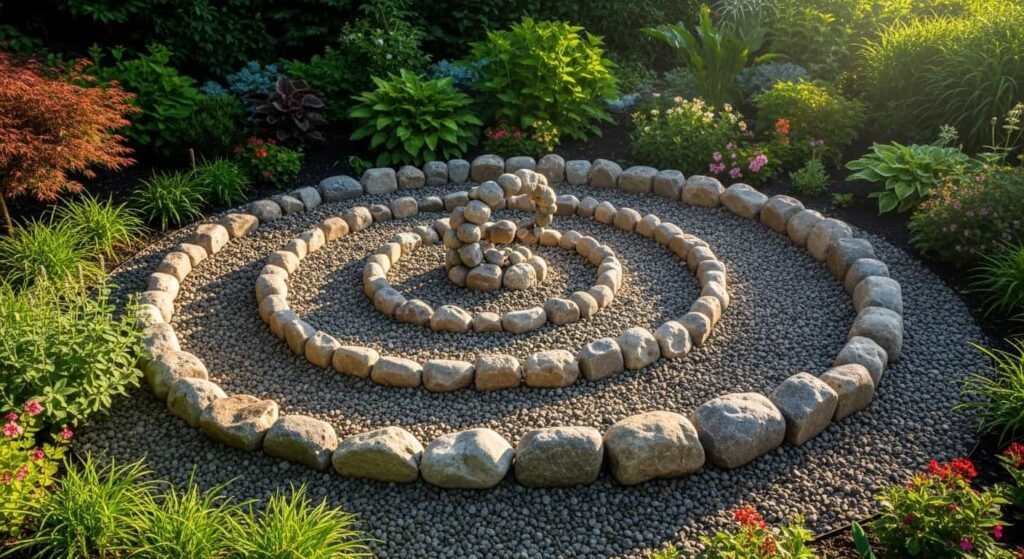
Rock spirals create fascinating three-dimensional focal points that immediately attract attention and create visual interest. These sculptural arrangements use rocks of varying sizes arranged in spiraling patterns, creating dynamic forms that engage the eye from multiple viewing angles. Rock spirals work beautifully as centerpieces for front yard landscapes, and they’re flexible enough to accommodate various plant materials. These installations require no maintenance once complete and become increasingly beautiful as surrounding plantings mature and frame the sculpture.
Creating rock spirals requires planning your design carefully and then executing it with attention to balance and stability. Select rocks with complementary colors and interesting textures, then arrange them in spiraling patterns that follow geometric progressions. Larger rocks typically anchor the base, with progressively smaller rocks continuing the spiral upward. Fill the interior with quality soil and plant with appropriate selections that complement your spiral’s form. Some gardeners plant the spiral’s interior with colorful annuals for seasonal changes, while others use permanent plantings for consistent appearance. Spirals create conversation pieces that define properties and demonstrate homeowner creativity and attention to detail.
21. Japanese-Inspired Stone Lanterns and Rock Placement:
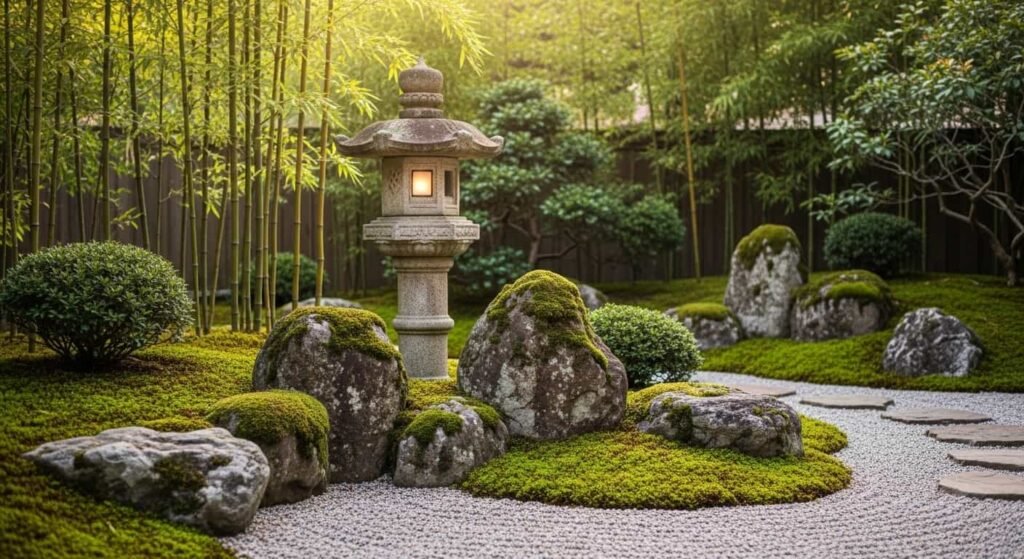
Japanese garden aesthetics emphasize balance, asymmetry, and the careful placement of elements to create spaces that encourage contemplation and appreciation of natural beauty. Stone lanterns, together with thoughtfully positioned rocks and minimalist plantings, create front yards that feel like peaceful retreats. This approach works beautifully in contemporary homes, creating interesting juxtapositions between traditional aesthetic and modern architecture. Japanese-inspired rock gardens require less maintenance than many Western garden styles while delivering sophisticated visual results that feel intentional and special.
Implementing Japanese-inspired rock landscaping begins with understanding basic principles of Japanese garden design. Create asymmetrical arrangements that balance visual weight rather than mirror-image designs. Select a few key elements – perhaps a beautiful stone lantern, a specimen rock, and minimal plantings – rather than filling space with numerous elements. Use rocks of varying sizes in odd numbers, positioning them to suggest natural placement. Incorporate water features if possible – even simple basins create meditative focal points. Plant minimally, allowing negative space to dominate visually. Maintenance involves careful attention to detail – keeping plantings trimmed, raking gravel patterns, and removing debris promptly. Japanese gardens reward close observation and create uniquely satisfying outdoor spaces.
22. Lava Rock and Volcanic Stone Features:
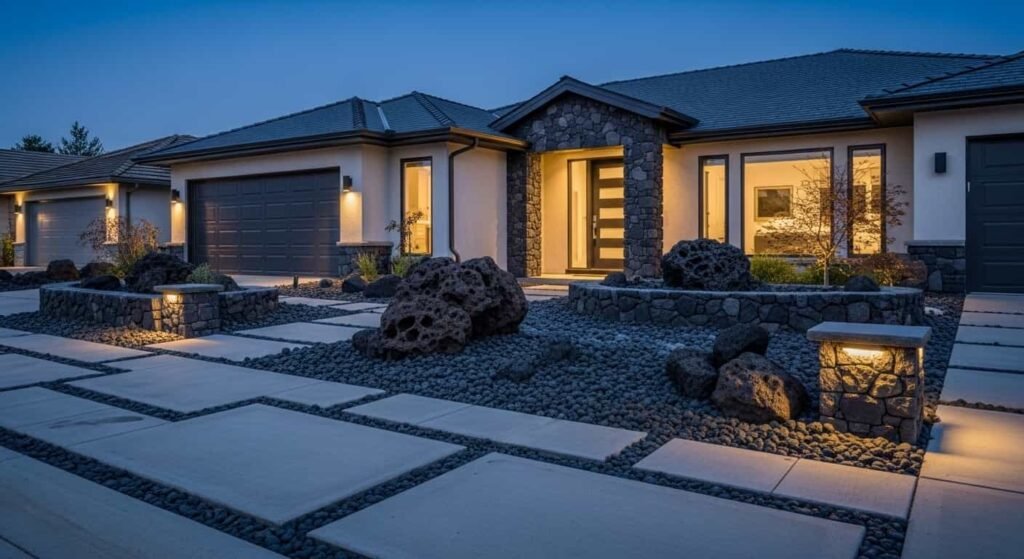
Lava rock and volcanic stone create bold, contemporary design statements with dramatic coloring and distinctive texture. These materials work beautifully in modern and contemporary landscapes, and their dark tones create striking contrast with lighter-colored plantings. Lava rock is exceptionally durable, naturally volcanic material that weathers beautifully and requires no maintenance. These materials work particularly well in southwestern and modern design contexts, though they can complement any contemporary architecture. The bold aesthetic of lava rock landscaping signals sophisticated design choices and appeals to homeowners seeking to make strong visual statements.
Implementing lava rock landscaping involves selecting rock sizes and colors appropriate for your design goals. Smaller, fine lava rock works well as mulch material, while larger chunks create textural interest and focal points. Lava rock creates excellent drainage and retains some heat, benefiting drought-tolerant plants. The dark coloring makes lava rock particularly striking against colorful plantings or bright hardscape elements. Combine lava rock with specimen plants, grasses, or other hardscape materials to create dynamic landscapes. Maintenance is minimal – occasionally removing debris is typically all that’s necessary. Lava rock landscaping ages beautifully, developing patina that enhances its visual appeal over time.
23. Sustainable Rock Sourcing and Reclaimed Stone:
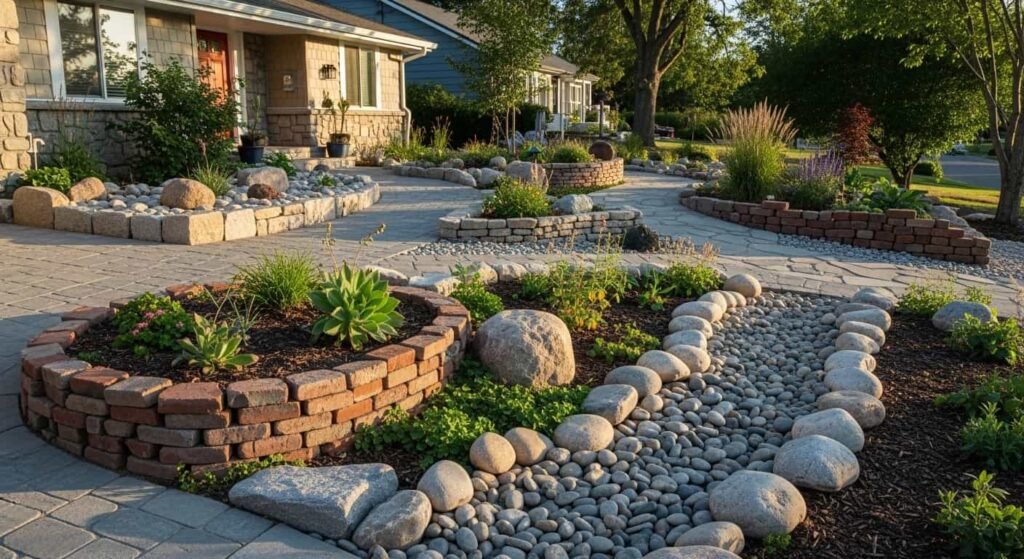
Conscious sourcing of rock materials allows you to create beautiful landscapes while supporting environmental values and local economies. Reclaimed stone salvaged from demolition projects, locally-quarried materials, and sustainably-harvested stone create landscapes that tell stories while reducing environmental impact. This approach appeals to environmentally-conscious homeowners seeking to make responsible choices without sacrificing aesthetic or functional goals. Reclaimed stone often features unique patina and character impossible to achieve with new materials, creating landscapes with genuine soul and authenticity.
Creating landscapes with sustainable stone sourcing begins with researching local stone options and reclaimed material availability in your area. Local stone requires minimal transportation, reducing carbon footprints dramatically. Reclaimed materials come with built-in character and history, creating landscapes that feel authentic and established. Many communities have salvage yards and architectural salvage operations offering beautiful stone at competitive prices. Consider the environmental costs of materials before selection, choosing options that balance aesthetic preferences with ecological responsibility. Sustainable sourcing often supports local economies and small businesses. These landscapes reflect thoughtful decision-making and values-aligned choices, creating spaces that are beautiful both visually and ethically.
FAQ’s:
Q1: What’s the best type of rock for front yard landscaping?
A: The “best” rock depends on your climate, aesthetic preferences, and maintenance tolerance. River rocks offer classic beauty and durability, pea gravel provides affordability and smooth appearance, and boulders create dramatic focal points. Consider your home’s architecture, local stone availability, and maintenance preferences when selecting. Many successful landscapes use combinations of rock types rather than single materials.
Q2: How do I prevent weeds in rock landscaping?
A: Quality landscape fabric beneath rocks provides effective weed prevention. Ensure the fabric is properly installed before adding rock material. Even with fabric, occasional weeds may emerge – spot-pull them while small, before they establish. Mulching between rocks with finer material provides additional weed suppression. Properly maintained rock landscaping has significantly fewer weeds than traditional gardens.
Q3: Will rock landscaping get too hot in summer?
A: Rocks do absorb and radiate heat, particularly in intense summer climates. This can sometimes stress plants that prefer cooler soil temperatures. Shade-tolerant plants, taller plantings that provide afternoon shade, and strategic mulching help manage soil temperatures. Light-colored rocks (tan, gray) absorb less heat than dark rocks (black, charcoal), which is an important consideration in hot climates.
Q4: How much does rock landscaping cost compared to traditional gardens?
A: Rock landscaping is generally more affordable for initial installation than lawn replacement or extensive plantings, but costs vary significantly based on material selections and complexity. Pea gravel and crushed stone are budget-friendly, while large boulders and specialty stones cost more. Long-term costs favor rock landscaping because maintenance requirements and expenses are minimal compared to lawn and traditional garden maintenance.
Q5: Can I install rock landscaping myself?
A: Many rock landscaping projects are DIY-friendly – pea gravel beds, small dry creek beds, and container arrangements are manageable for homeowners. However, large boulder placement, retaining walls, and extensive hardscaping often benefit from professional installation. Renting equipment and getting professional advice on drainage and stability for complex projects is worthwhile.
Conclusion:
Rock landscaping offers remarkable flexibility, allowing you to create beautiful, low-maintenance front yards that reflect your personal aesthetic preferences and values. Whether you’re drawn to minimalist Zen gardens, dramatic contemporary installations, or something in between, rock-based landscapes provide the foundation for stunning outdoor spaces. The 23 ideas presented here offer starting points for your own creative vision – feel free to mix, match, and combine approaches to create something uniquely suited to your home and circumstances.
The beauty of rock landscaping lies in its permanence, requiring minimal maintenance while delivering maximum visual impact. Unlike traditional gardens demanding constant attention, rock landscapes become progressively more beautiful with age as weathering patterns develop and surrounding plantings mature. Rock elements work in concert with plantings, hardscape features, and water elements to create sophisticated, intentional landscapes that enhance property value and quality of life.